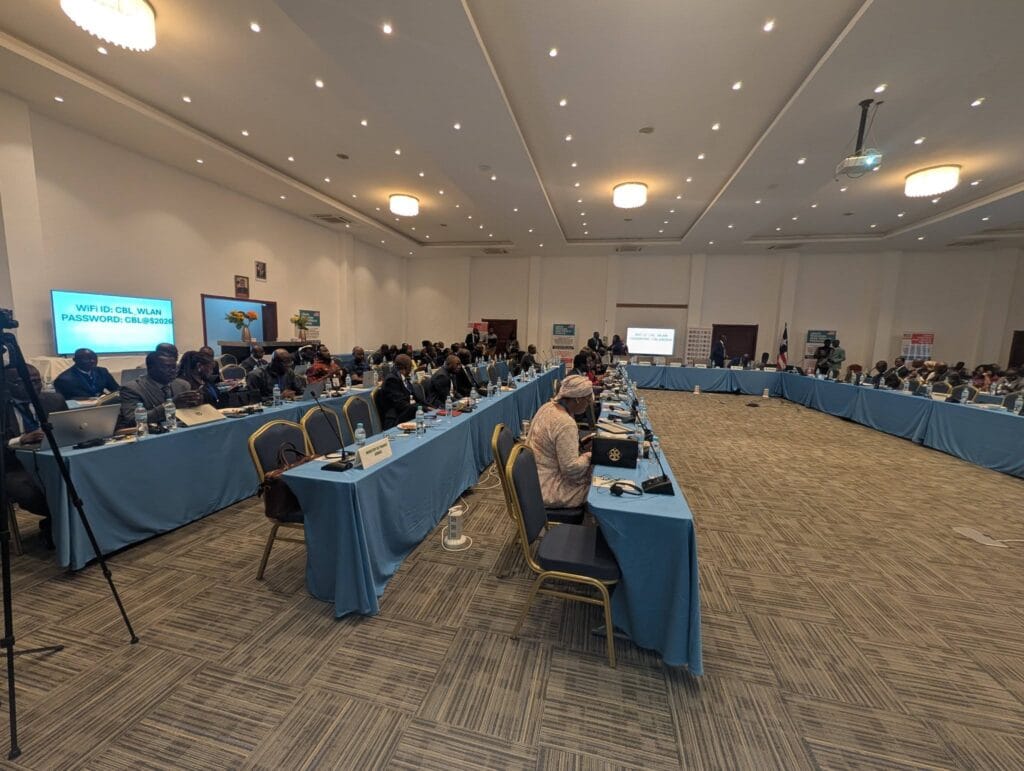
FARMINGTON HOTEL, UNIFICATION TOWN, Margibi County — Liberia hosted a high-profile Convergence Council Meeting of ECOWAS and the West African Monetary Zone (WAMZ), with Liberia’s Minister of Justice, Cllr. Natu Oswald Tweh, representing President Joseph Nyuma Boakai at the joint session. The gathering brought together finance ministers, central bank governors, and senior officials from member states to chart a path toward greater regional cohesion, macroeconomic stability, and inclusive growth.
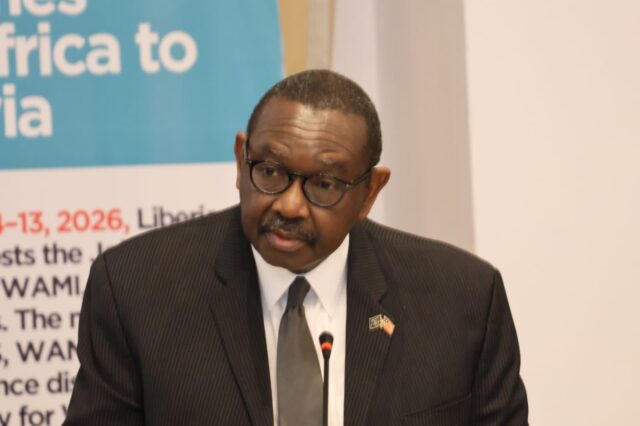
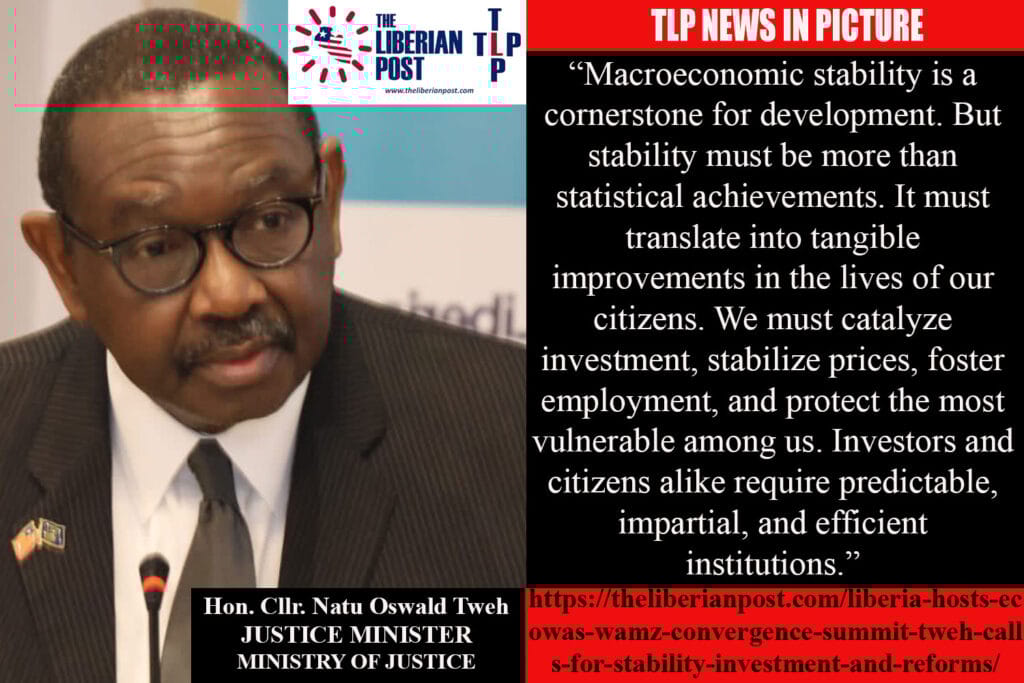
Speaking as the President’s envoy, Tweh framed the meeting as a critical moment for deeper regional integration and resilient institutions. He pressed that macroeconomic stability must be more than numbers on a page; it has to translate into real improvements for citizens. “Macroeconomic stability is a cornerstone for development. But stability must be more than statistical achievements. It must translate into tangible improvements in the lives of our citizens,” Tweh declared, underscoring the need for inflation control, prudent public finances, and sound banking systems that benefit people across the region.
Tweh argued that the convergence must go beyond dashboards and spreadsheets to deliver coherent, harmonized policy across monetary, fiscal, and administrative domains. “We must catalyze investment, stabilize prices, foster employment, and protect the most vulnerable among us,” he said, highlighting the imperative of financial inclusion, deeper domestic capital markets, and expanded access to banking and digital services for women, youth, and rural communities. He also stressed governance as the backbone of regional resilience, urging stronger transparency, accountability, and the rule of law to attract investment and reduce doing-business risks. “Investors and citizens alike require predictable, impartial, and efficient institutions,” he noted, calling for empowered anti-corruption bodies and reforms in contract enforcement.
In a broad policy frame, Tweh encouraged member states to mainstream climate resilience and digital transformation into macroeconomic planning. He urged concrete commitments, roadmaps, and shared resources that move regional dialogue from talk to tangible reforms—an approach that, he suggested, could lower risk and raise returns for development projects across the Sahel-to-coast corridor.
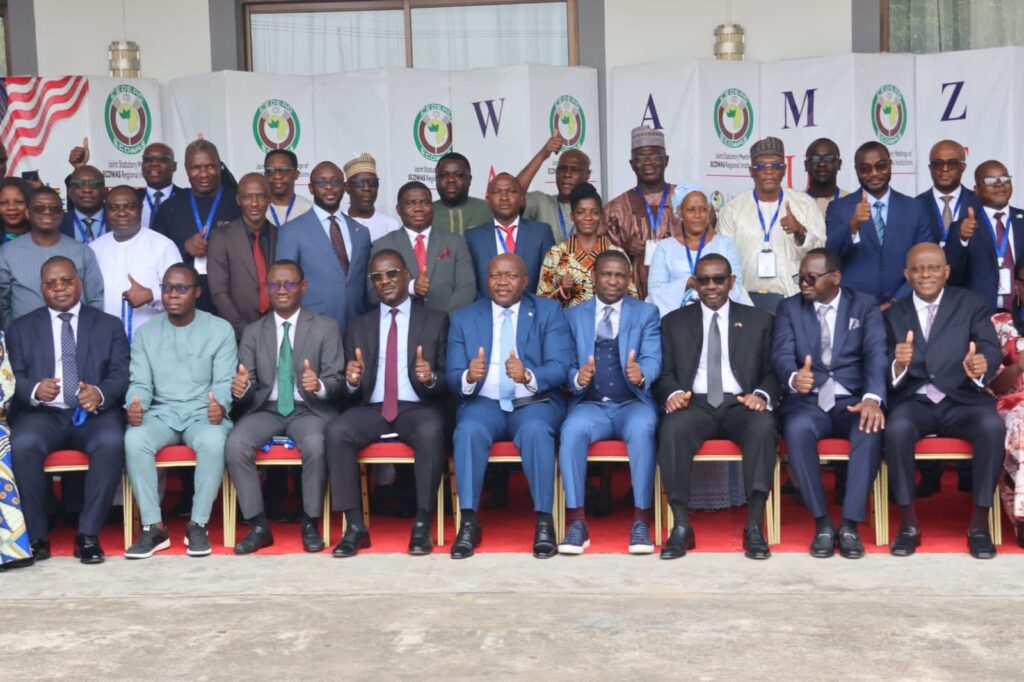
The opening ceremony underscored Liberia’s leadership in regional finance and governance. Delegates included finance ministers from Benin, Cape Verde, Côte d’Ivoire, The Gambia, Ghana, Guinea, Liberia, Nigeria, Senegal, Sierra Leone, and Togo, along with central bank governors from The Gambia, Ghana, Guinea, Liberia, Nigeria, and Sierra Leone. The event was hosted by Liberia’s Minister of Finance, Augustine Kpehe Ngafuan, illustrating Liberia’s active role in shaping West Africa’s economic architecture.
In parallel development, Liberia’s energy sector is advancing under a closely watched program supported by regional partners. The World Bank and AfDB-led Mission 300 initiative, along with the new Energy Compact Delivery and Monitoring Unit (CDMU), seeks to accelerate access to reliable, affordable energy while improving governance and delivery capacity. The convergence and the energy program together signal a broader strategy: to fuse strong institutions with targeted investments, delivering measurable gains for ordinary Liberians and regional partners alike.
Analysts say the meeting reinforces confidence in West Africa’s economic architecture and Liberia’s willingness to lead through collaboration, policy alignment, and accountable governance. Tweh’s keynote sets a clear frame: turn shared commitments into measurable gains for citizens, and do so with transparency, inclusivity, and a steadfast focus on long-term development.
Follow The Liberian Post on Facebook and X (formerly twitter)