The recently concluded ECOWAS and WAMZ Convergence Council meetings in Liberia were more than a gathering of finance ministers and central bank governors. They were a defining test of West Africa’s long-standing ambition to achieve macroeconomic convergence and, ultimately, a single regional currency.
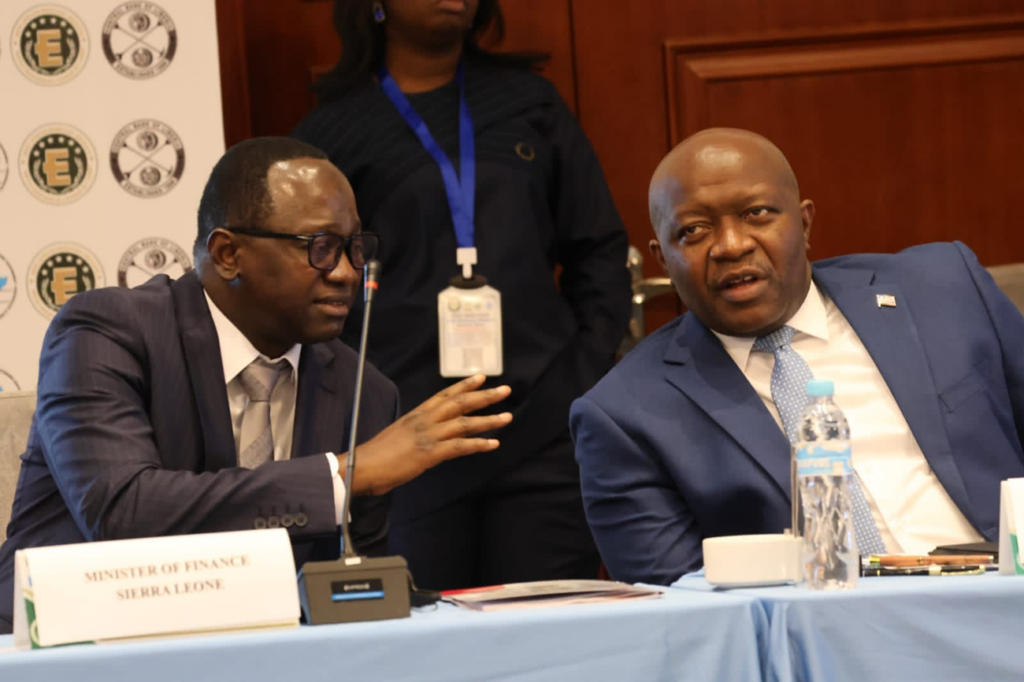
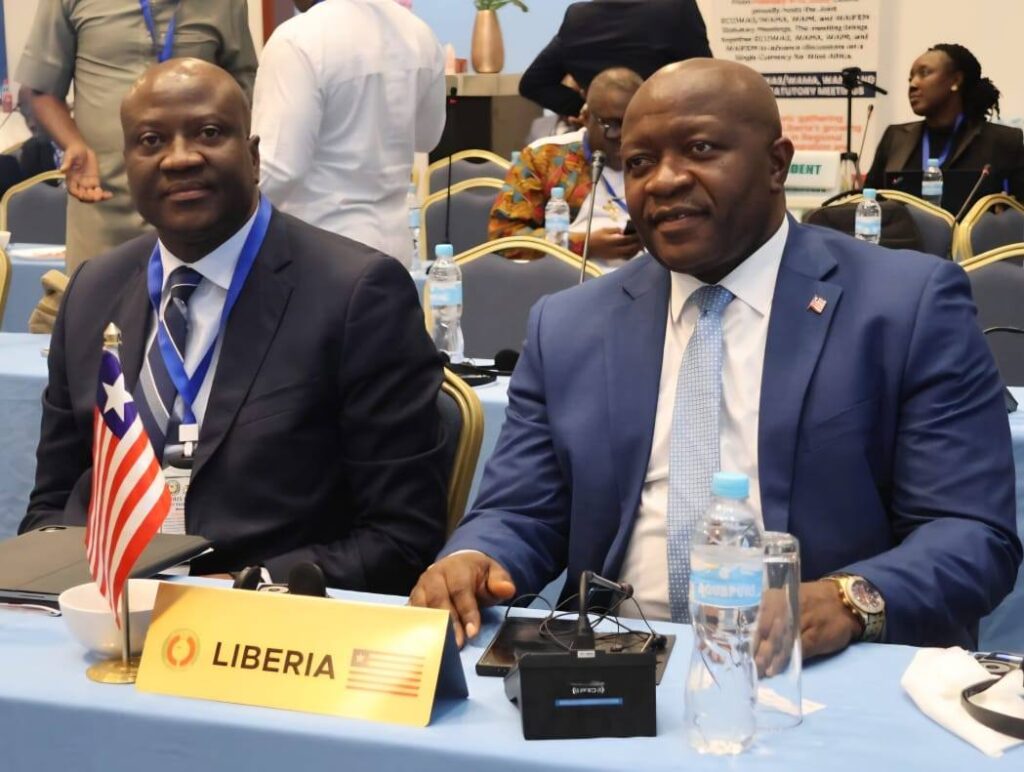
Across the various speeches delivered during the event—by Liberia’s Finance Minister Augustine Kpehe Ngafuan, Central Bank Governor Henry F. Saamoi, regional officials, and other policymakers—a consistent theme emerged: the time for rhetorical commitment must give way to measurable implementation.
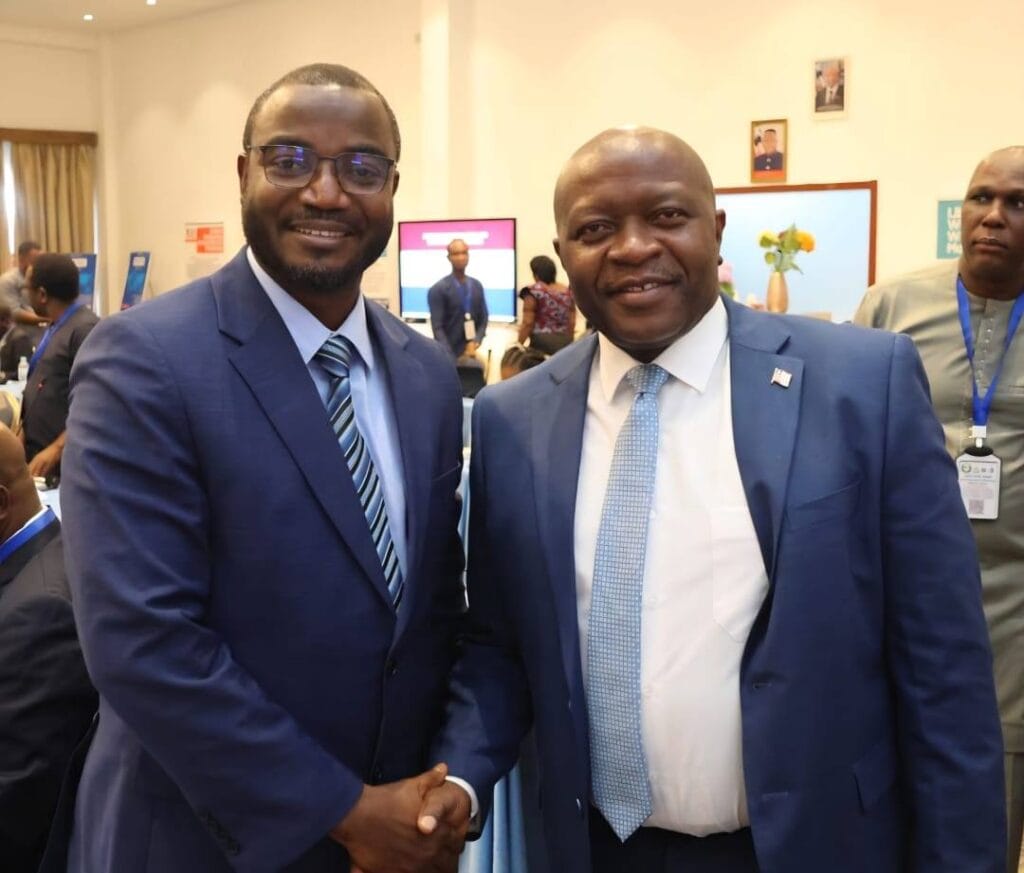
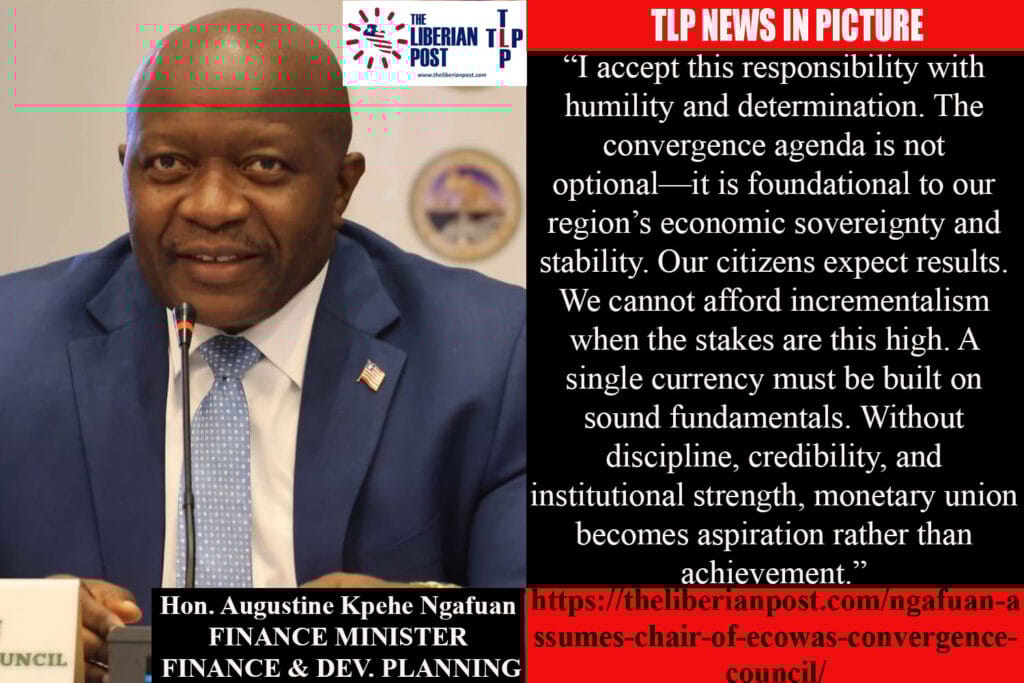
As host nation, Liberia did not merely provide venue and hospitality. It assumed leadership. Minister Ngafuan’s dual role—welcoming delegates and later assuming the chairmanship of the Convergence Council—symbolized a deeper repositioning of Liberia within regional economic diplomacy. His remarks underscored that convergence criteria—fiscal deficit thresholds, inflation ceilings, debt sustainability benchmarks—are not abstract technicalities. They are the structural preconditions for credibility.
The ECO project has survived decades of postponements. Each delay has been justified by macroeconomic instability in one or more member states. This year’s discussions were candid in acknowledging that no member country has consistently satisfied all primary convergence benchmarks simultaneously. That admission, particularly emphasized by Governor Saamoi, reflects a maturity that has sometimes been absent in past deliberations.
The significance of this moment lies not in ceremony but in honesty.
Governor Saamoi’s reflections were especially instructive. Convergence, he implied, is not achieved through declarations but through discipline. Inflation must be managed. Fiscal deficits must narrow. Debt levels must remain sustainable. Financial systems must strengthen regulatory frameworks. Without these fundamentals, a common currency would amplify vulnerabilities rather than stabilize them.
The meeting also highlighted the interdependence between national reforms and regional aspirations. A single currency cannot succeed if domestic economic governance remains fragile. Convergence requires symmetry—macroeconomic alignment that reduces shocks rather than transmits them.
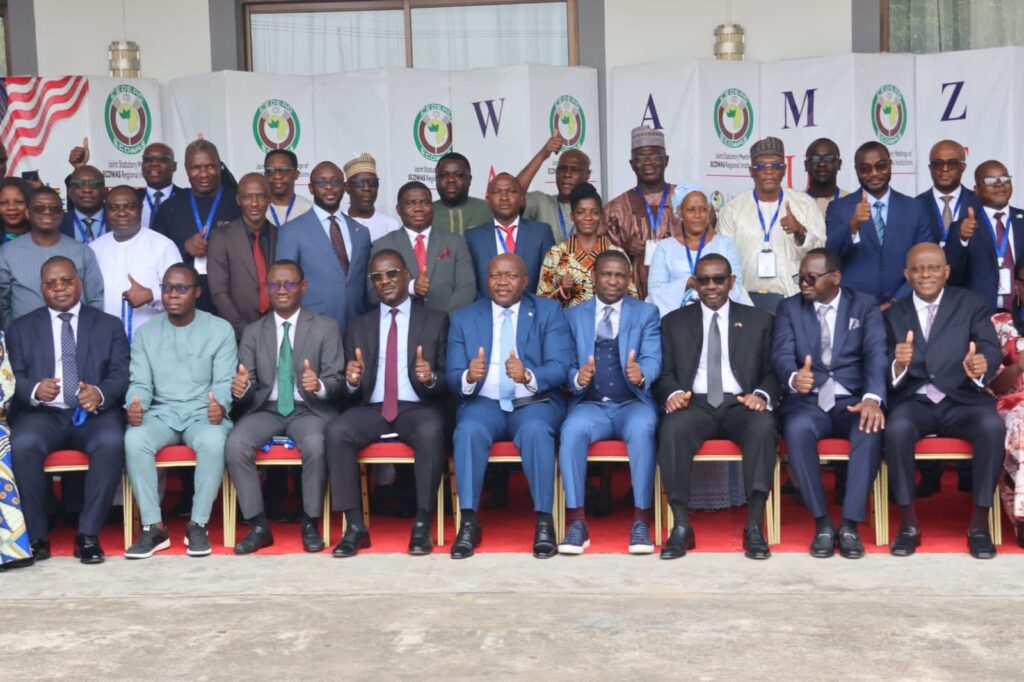
Liberia’s active engagement in these discussions signals a shift in posture. For years, the country was more often described as a recipient of stabilization support rather than a shaper of regional policy. Hosting and chairing the Convergence Council marks a psychological and diplomatic evolution.
Yet leadership at the regional level imposes domestic responsibilities.
If Liberia advocates fiscal discipline in WAMZ forums, it must entrench transparency and revenue efficiency at home. If it calls for debt sustainability across the subregion, it must ensure that public borrowing remains prudent and productive domestically. If it champions macroeconomic coordination, it must continue strengthening institutions that guard monetary stability.
The broader question raised by the various speakers is whether West Africa is truly prepared for the political sacrifices convergence demands. Monetary union is not merely a financial arrangement; it is a surrender of certain policy flexibilities. Governments must be willing to restrain spending impulses, improve tax compliance, and enforce accountability mechanisms even when politically inconvenient.
The MOU signed between Liberia’s Central Bank and the Bank of Ghana during the event reflects an important complementary strategy: technical cooperation. Monetary union requires capacity harmonization. Regulatory alignment and institutional strengthening are prerequisites for shared monetary sovereignty. Collaboration among central banks builds the trust architecture necessary for integration.
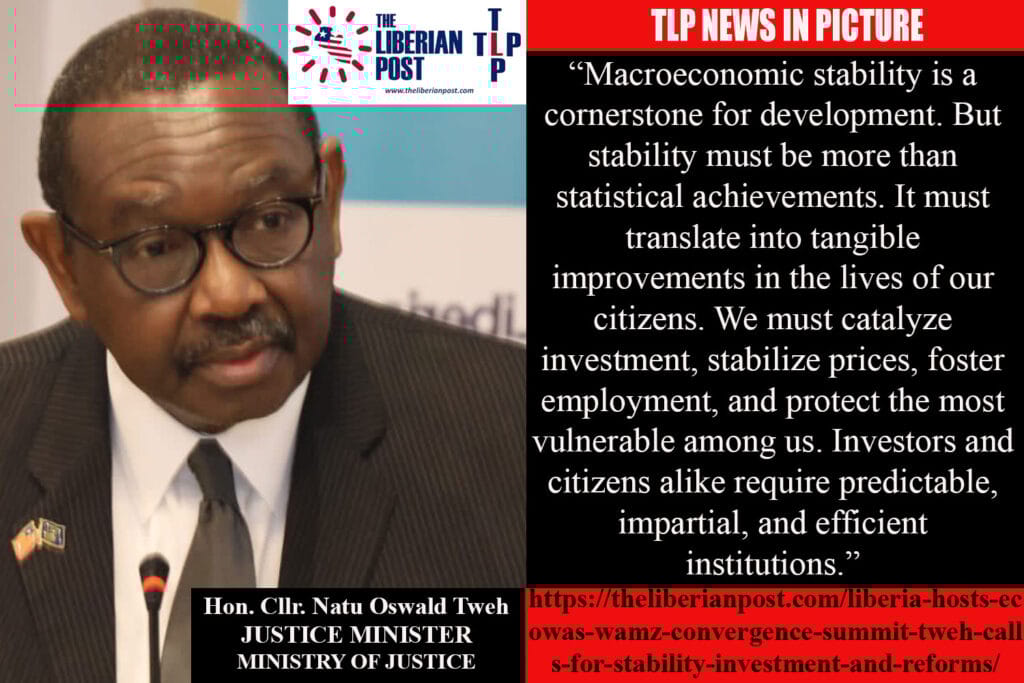
What makes this moment particularly consequential is the looming timeline for the ECO. Each new target year raises expectations. Public patience is not infinite. If convergence remains perpetually aspirational, skepticism will deepen—not only about the currency project but about regional integration more broadly.
The editorial takeaway from the entire event is clear: West Africa stands at a crossroads between ambition and execution.
Liberia’s stewardship during this phase could either reinforce momentum or expose persistent structural weaknesses. The tone set by its officials suggests seriousness. The real measure, however, will be visible in macroeconomic data over the next 12 to 24 months.
Regional leadership is not declared; it is demonstrated.
If the commitments articulated at the Convergence Council translate into sustained fiscal reforms, inflation control, institutional strengthening, and coordinated policy frameworks, this meeting may be remembered as a turning point. If not, it risks joining the archive of well-intentioned declarations that failed to overcome implementation inertia.
Liberia has stepped forward. The region has reiterated its resolve.
Now comes the harder work: proving that convergence is not merely a concept—but a commitment.
Follow The Liberian Post on Facebook and X (formerly twitter)