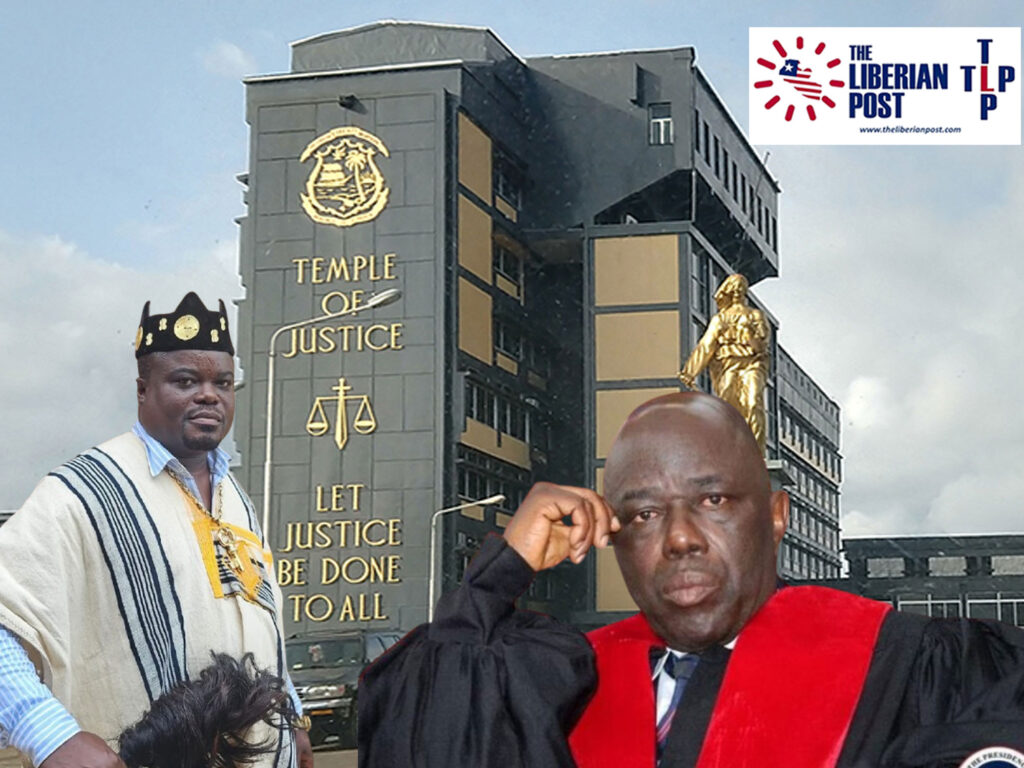
MONROVIA, Liberia — The People’s Power Movement (PPM) has weighed in on the controversial contempt ruling against Justin Oldpa Yeazeahn, popularly known as “Prophet Key,” describing the Supreme Court’s decision as legally questionable and potentially harmful to Liberia’s democratic credentials.
In a press statement issued Monday, February 16, the pro-democracy political movement said it had followed with “keen interest” the contempt proceedings involving Prophet Key and Chief Justice Yamie Quiqui Gbeisay, Sr., culminating in a six-month prison sentence handed down by the Supreme Court.
While distancing itself from the cleric’s style of communication, PPM strongly condemned vulgar language and described it as “un-African, un-Liberian, and uncultured.” The movement said its values are “completely contrary” to the kind of rhetoric often employed by Prophet Key and urged that national debates reflect decency, decorum, and mutual respect.
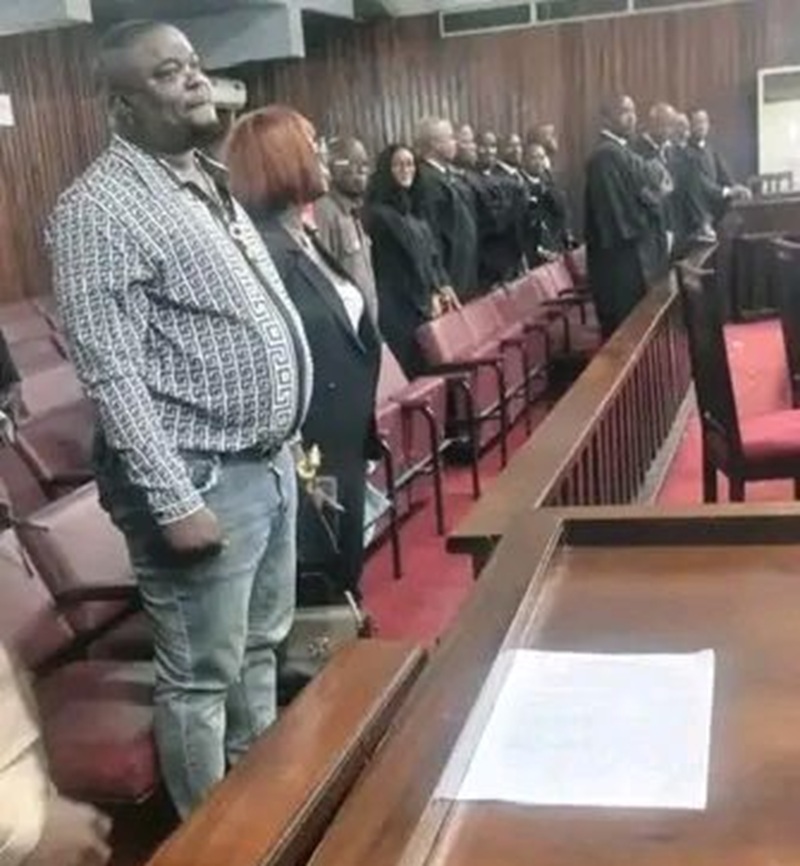
The group acknowledged that Prophet Key publicly admitted his communication style was wrong and had pleaded for mercy before sentencing. However, PPM argued that the matter should have been treated as a civil case rather than a criminal proceeding.
Decriminalized Speech?
Central to PPM’s argument is the Kamara Abdullah Kamara (KAK) Act of 2019, which repealed Chapter 11 of the 1978 Penal Law and effectively decriminalized speech-related offenses in Liberia, including criminal defamation and insult laws.
The movement also referenced Liberia’s 2012 endorsement of the Declaration of Table Mountain, which urges African countries to abolish criminal defamation statutes.
According to PPM, the Supreme Court’s reliance on Section 12.5 of the 1972 Judiciary Law to prosecute Prophet Key for criminal contempt amounts to applying a criminal sanction to what was essentially a speech offense.
“Speech offenses of all forms are entirely decriminalized throughout Liberia,” the statement contended, adding that the contempt statute should not have been invoked under the circumstances.
Recusal Concerns
The PPM further questioned Chief Justice Gbeisay’s role in the proceedings, arguing that he should have recused himself from the case because he was the subject of Prophet Key’s alleged remarks.

Citing Judicial Canon Twenty-Eight and the legal principle Nemo Judex in Causa Sua—which holds that a judge should not preside over a case in which he has a personal interest—the movement claimed that the Chief Justice’s participation violated procedural fairness and due process.
“The decision to preside over a case that later sent his accuser to prison for six months raises serious ethical concerns,” the PPM stated.
What Constitutes Contempt?
The statement also dissected Section 12.5 of the Judiciary Law, which outlines five elements constituting criminal contempt, including disorderly conduct that interrupts court proceedings, willful disobedience of lawful mandates, refusal to testify, or publication of false reports about court proceedings.
PPM argued that Prophet Key’s out-of-court comments did not disrupt proceedings, resist a court order, refuse to testify, or publish a false report about judicial proceedings.
After reviewing the statutory elements, the movement concluded that the cleric’s conduct did not meet the threshold required for criminal contempt.

Sentence Under Scrutiny
PPM also challenged the six-month sentence imposed by the Supreme Court, citing Section 12.6 of the Judiciary Law, which limits punishment for criminal contempt in the Supreme Court to a fine not exceeding $300 or imprisonment not exceeding 30 days.
“Thirty days is one month, not six months,” the statement emphasized, questioning whether the Court had exercised judicial discretion beyond the limits established by law.
The movement characterized the sentence as an instance of “judicial overreach” and called for adherence to both the letter and spirit of the law.
Reference to Case Law
The PPM cited the 1984 Supreme Court case In Re: Scott and Roberts, in which the Court applied the “clear and present danger” doctrine. That precedent held that speech can only be punished as contempt if it poses an “extremely serious” and imminent threat to the administration of justice.
The movement questioned whether Prophet Key’s remarks met that threshold, arguing that no imminent or substantial danger to judicial proceedings had been demonstrated.

Broader Democratic Implications
Beyond the individual case, PPM warned that the ruling could have chilling effects on free speech and press freedom in Liberia, both of which are protected under Article 15 of the 1986 Constitution.
While acknowledging that freedom of speech is not absolute and that abuses should be addressed, the group expressed concern that the decision may discourage legitimate criticism of public officials and institutions.
The statement concluded by urging the Supreme Court to demonstrate equal urgency in adjudicating cases involving corruption, sexual abuse, and other serious crimes, asserting that fairness and justice must apply “whether to the powerful or the weak.”
The Supreme Court has yet to respond publicly to the PPM’s statement.
Follow The Liberian Post on Facebook and X (formerly twitter)