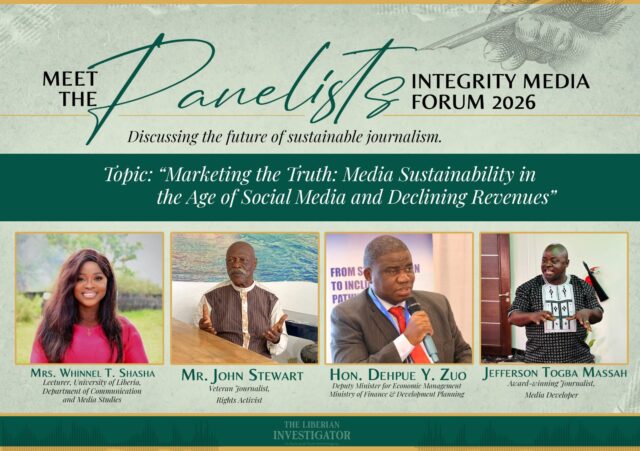
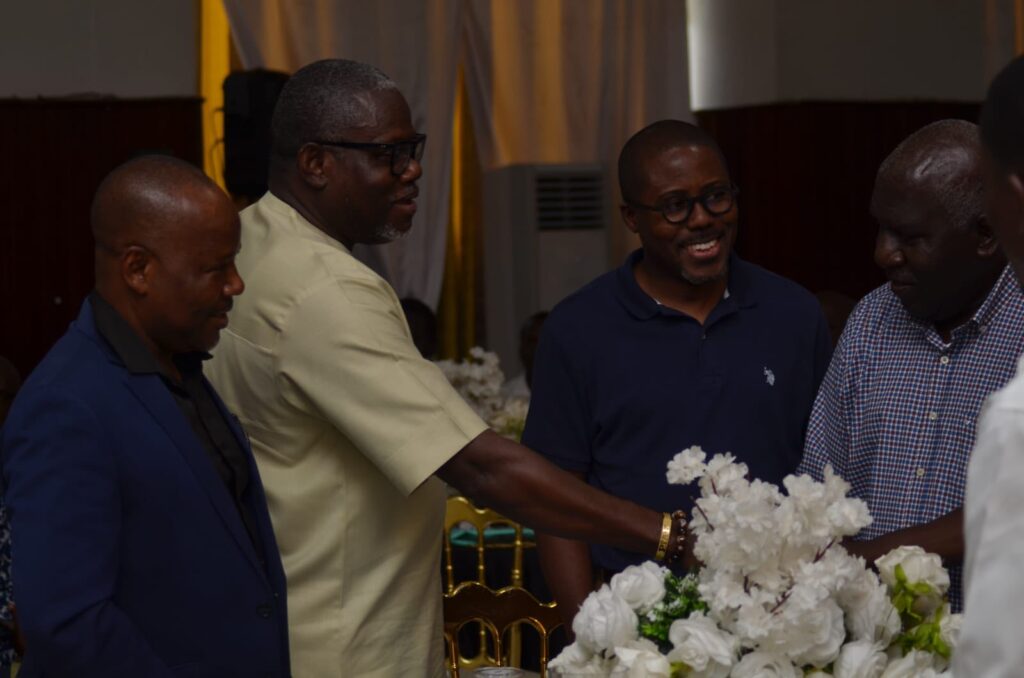
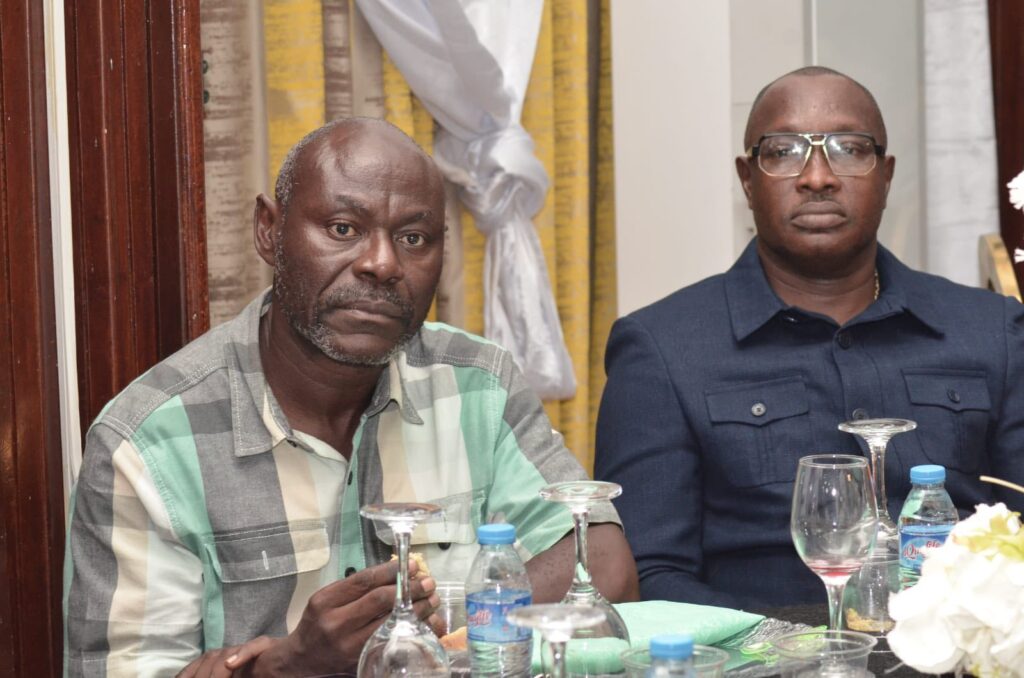
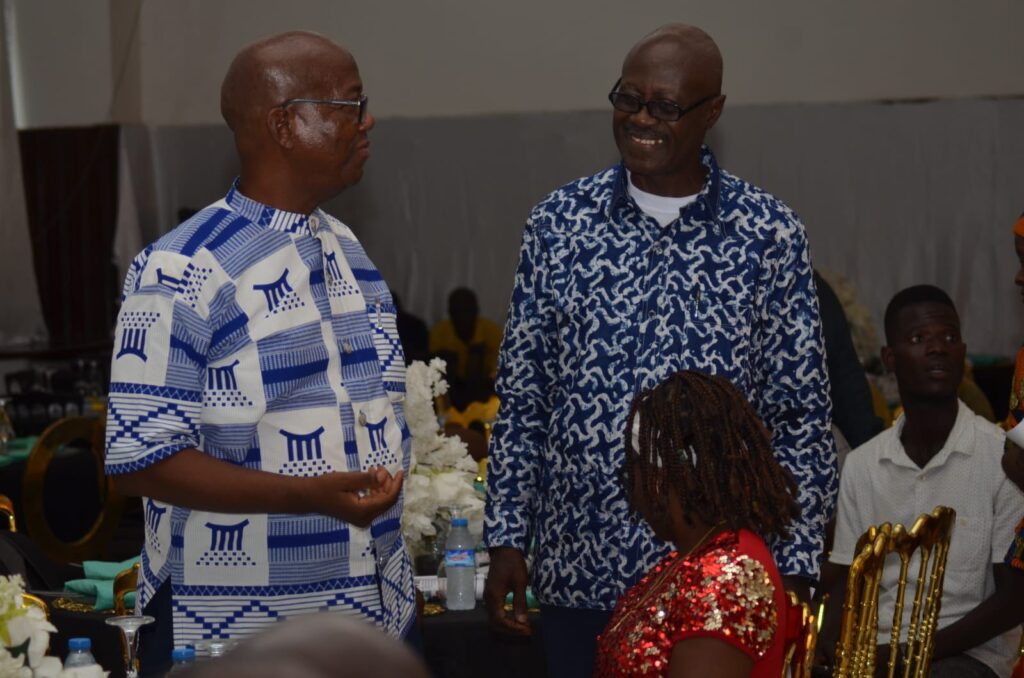
MONROVIA, Liberia — Liberia’s media leaders, policymakers, academics, and development actors gathered at Monrovia City Hall for what quickly evolved from a celebratory anniversary event into a national reckoning on the future of journalism.
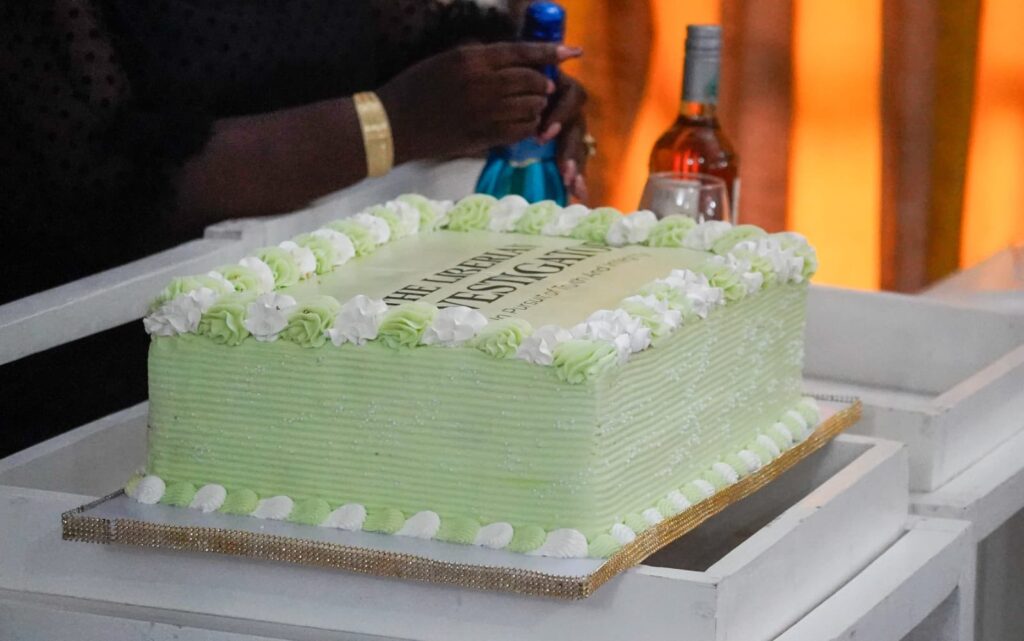
The Integrity Media Forum 2026, organized by Integrity Media Incorporated, publishers of The Liberian Investigator (TLI), marked the newspaper’s first anniversary while confronting a sobering reality: traditional media in Liberia is under severe economic strain.
What was billed as a commemoration became a candid examination of sustainability, credibility, digital disruption, and democratic accountability.
From the opening remarks, the tone was deliberate.
David Menjar, News Editor of TLI, framed the evening not as “a merry jamboree, but a moment of sober reflection,” emphasizing that the gathering was about “ensuring that the traditional media is still considered as our basic foundation of true journalism”.
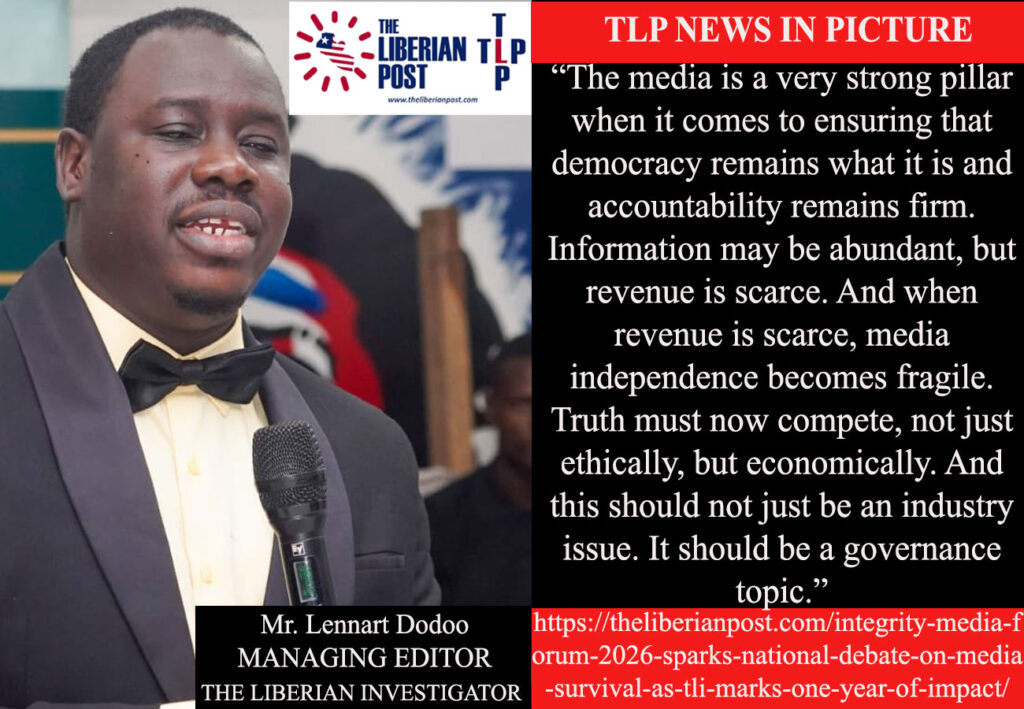
Dodoo: “Truth Must Now Compete Economically”
In his overview, Managing Editor Lennart Dodoo made clear that the forum was not simply about industry survival but democratic preservation.
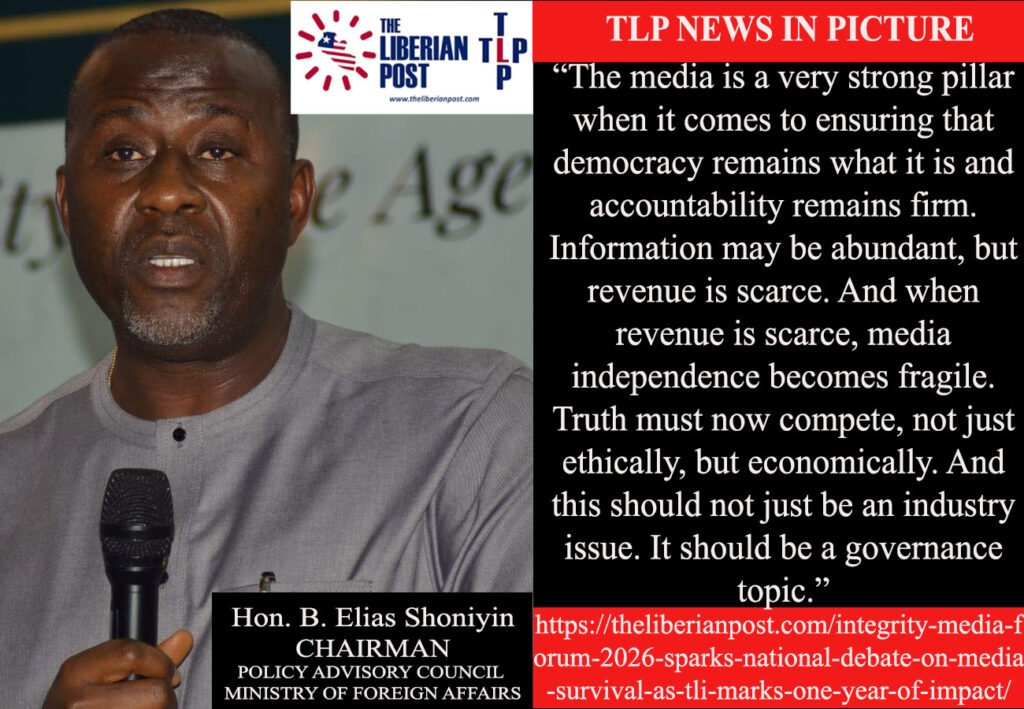
“The media,” Dodoo stated, “is a very strong pillar when it comes to ensuring that democracy remains what it is and accountability remains firm.”
But he acknowledged the structural challenges confronting traditional outlets: “Information may be abundant, but revenue is scarce. And when revenue is scarce, media independence becomes fragile.”
Dodoo warned that in today’s information ecosystem, “algorithms influence visibility and speed often outpaces verification,” adding pointedly:
“Truth must now compete, not just ethically, but economically.”
His remarks captured the tension that defined the evening: how to market the truth without diluting it.
Shoniyin: “Trust Does Not Come From Being First”
The intellectual anchor of the evening came from keynote speaker Mr. B. Elias Shoniyin, diplomat and academic.
Shoniyin delivered a sweeping analysis of global media decline, digital transformation, and Liberia’s specific vulnerabilities.
At one point, he summarized the modern dilemma with a line that drew prolonged applause: “Communication moves with the speed of light, yet trust often moves at the speed of traffic on the boulevard.”
He cautioned journalists against the temptation of speed over substance: “Trust does not come from being the first to publish… Trust comes from being right.”
Shoniyin emphasized that journalism must evolve — but ethically: “Journalism will not die; it has to evolve. But the evolution is not just digital. It is discipline.”
Backing his argument with global data, he cited declining print revenues worldwide and highlighted Liberia’s own media consumption shift — noting that only about 16% of Liberians still read newspapers regularly.
He warned that democracy cannot be built in “the flood of unverified content,” stressing that journalism is “public infrastructure.”
“Truth is not just an idea. Truth is public infrastructure.”
Government’s Position: “Media Must Remain Free and Flourish”
Representing the government, Information Minister Jerolinmek Matthew Piah used the occasion to reiterate President Boakai’s commitment to press freedom.
He described TLI’s registration as proof of media plurality: “The appearance of The Liberian Investigator on the newsstand… was and still is a clear and practical demonstration of President Boakai’s commitment to media plurality, free speech, and press freedom.”
Piah also revealed that the government had begun settling debts owed to media institutions by ministries and agencies: “We are a responsible government and will always live up to our commitment to the Liberian media.”
However, he challenged media institutions to modernize, pointing to two “low-hanging fruits”: capacity building and digital adaptation, including artificial intelligence.
The Hard Truth: Sustainability and Ethics
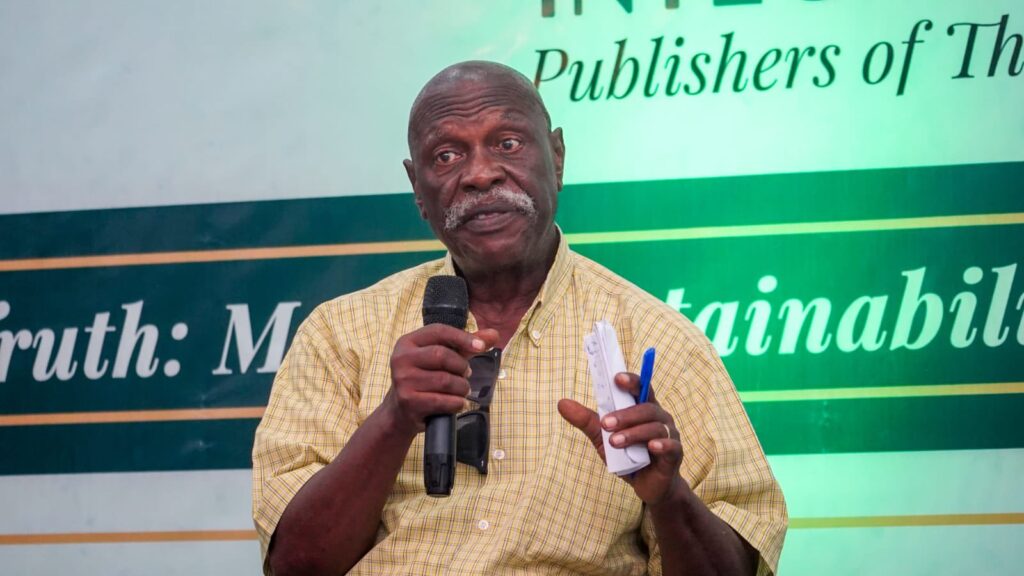
Perhaps the most direct commentary came from veteran journalist John H. T. Stewart, who reminded the audience that sustainability cannot come at the expense of integrity.
He warned against the creeping replacement of editorial independence with paid influence: “An editorial is supposed to be the opinion of the paper. But what we see is… the opinion of the person who is paying for that editorial.”
Stewart underscored credibility as the core asset of any media house.
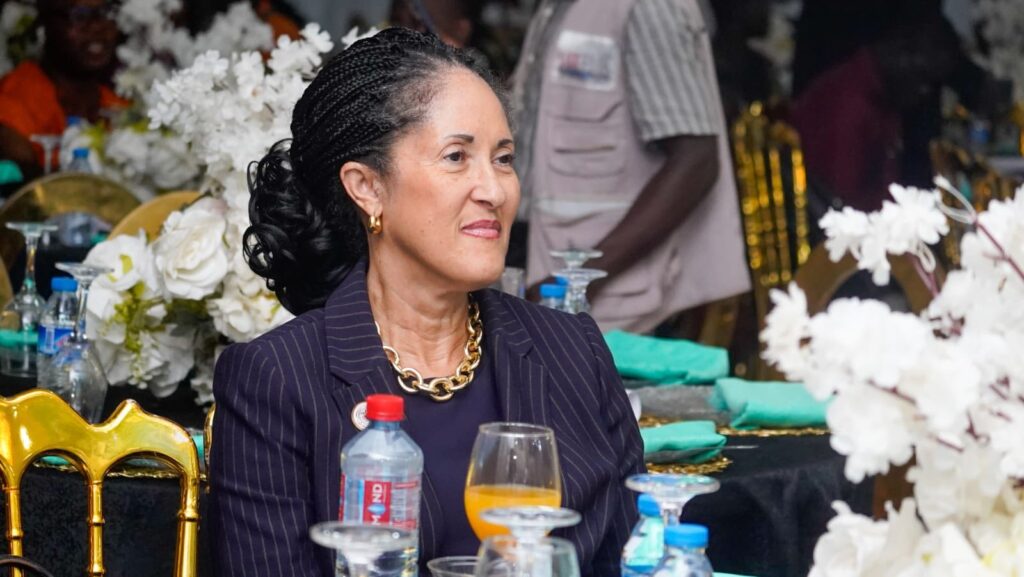
Without it, he suggested, no business model can endure.
Economic Realities and Structural Weaknesses
Media development expert Jefferson Massah broadened the conversation beyond digital disruption.
He argued that management deficiencies and outdated revenue models are equally responsible for the sector’s fragility.
He highlighted:
- Weak strategic planning
- Poor revenue diversification
- Over-proliferation of media outlets
- Political ownership pressures
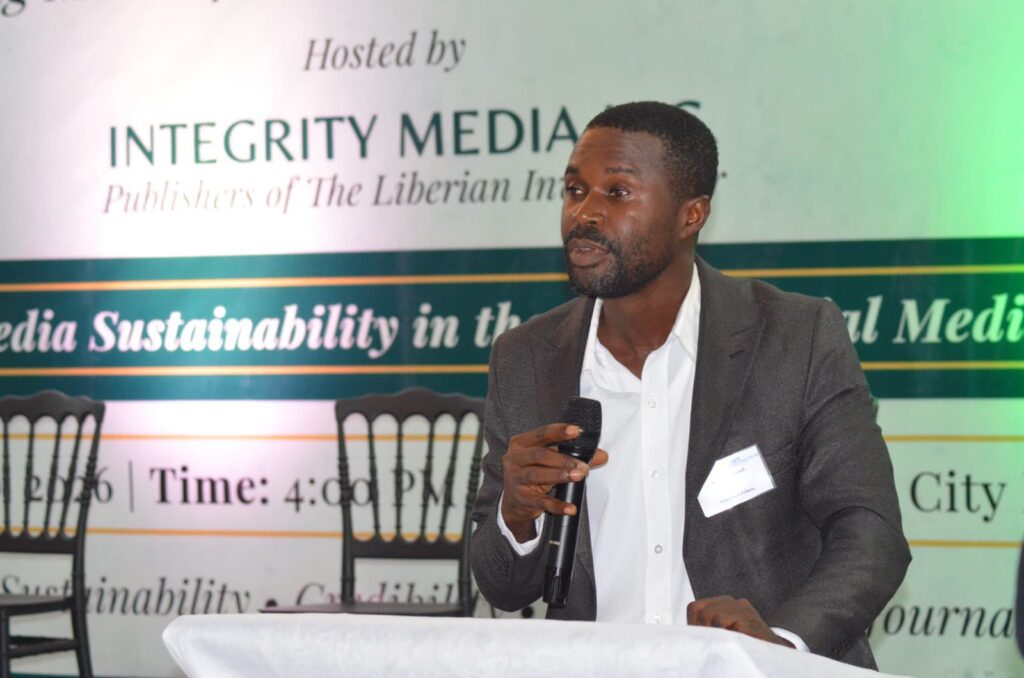
Liberia, he noted, has over 75 newspapers and more than 250 radio stations competing in a limited advertising market. “Supply exceeds demand,” he explained, invoking basic economic theory.
A Human Moment: Nine Months Without Salary
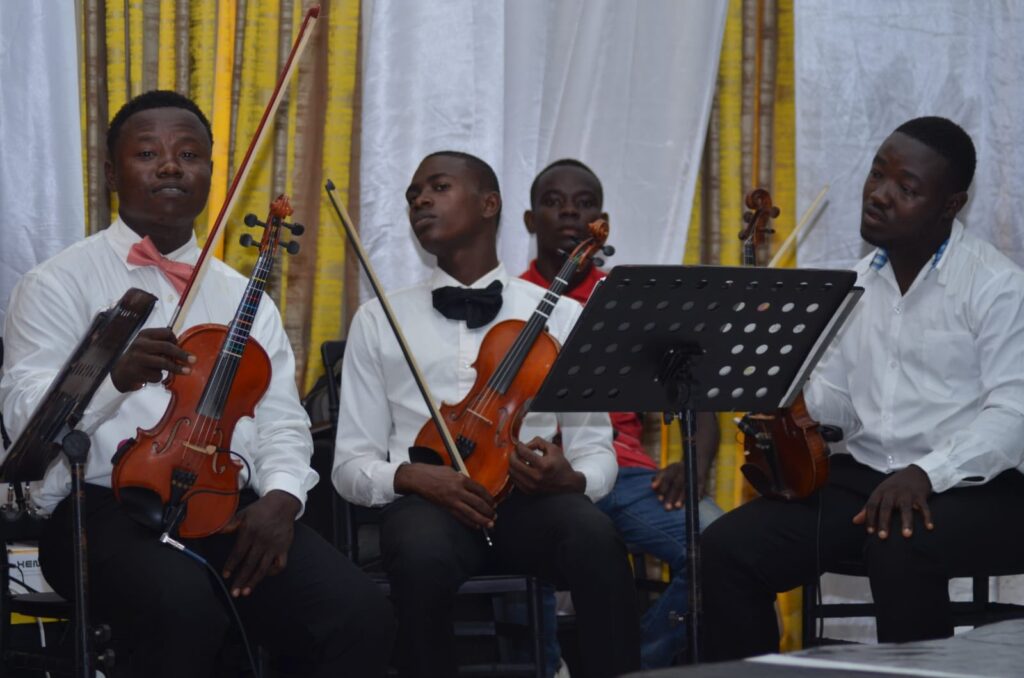
The most emotional moment of the evening came when Dodoo invited his reporters to the stage and disclosed that they worked for nine months without pay while launching TLI.
It was a stark reminder that behind the debate about sustainability are journalists surviving on passion and sacrifice.
The applause that followed was not ceremonial — it was reflective.
Liberia at a Crossroads
The forum concluded with a shared understanding: the crisis is not singular.
It is:
- A revenue model challenge
- A digital adaptation gap
- A credibility test
- A policy environment issue
- A management capacity weakness
But above all, it is a democratic concern.
As Dodoo stated earlier in the evening: “This should not just be an industry issue. It should be a governance topic.”
By the end of the forum, what began as a one-year celebration had evolved into a call for systemic reform.
Integrity Media may have marked its first anniversary — but the deeper milestone was the national conversation it triggered.