MONROVIA, Liberia – Finance and Development Planning Minister Augustine Kpehe Ngafuan on Friday, February 20th, declared that Liberia’s transition to a Value Added Tax (VAT) regime is not just a fiscal reform, but a bold statement of economic self-reliance, urging the Liberia Revenue Authority (LRA) to continue breaking revenue records as the country prepares for full VAT implementation on January 1, 2027.
Speaking at the official launch of the Nationwide VAT Awareness Campaign, Ngafuan praised the LRA for what he described as historic revenue performances in 2024 and 2025, stressing that domestic resource mobilization is now Liberia’s most reliable path to sustainable development.

Launch of Value Added Tax (VAT)
“The budget is a book—just a book,” Ngafuan said. “But the reason why people take it credibly is that we raise the revenue to translate the book into action, into projects, into transformation of lives.”
He disclosed that 2024 marked the highest revenue ever generated in Liberia’s history, a record that was broken again in 2025. “In 2026… we must, and we will… break the record again. So every year will be record-breaking. Actually, every year, it must be,” the Minister emphasized.
VAT as a Sovereignty Reform
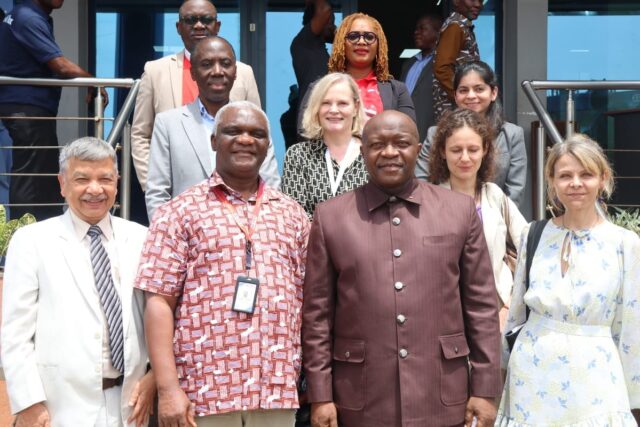
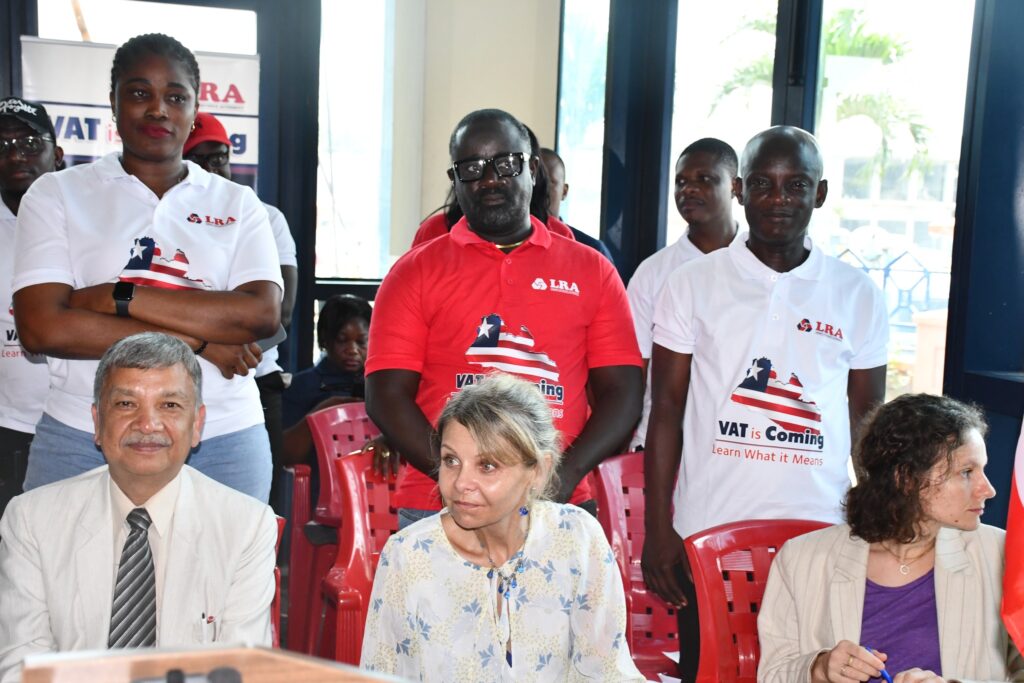
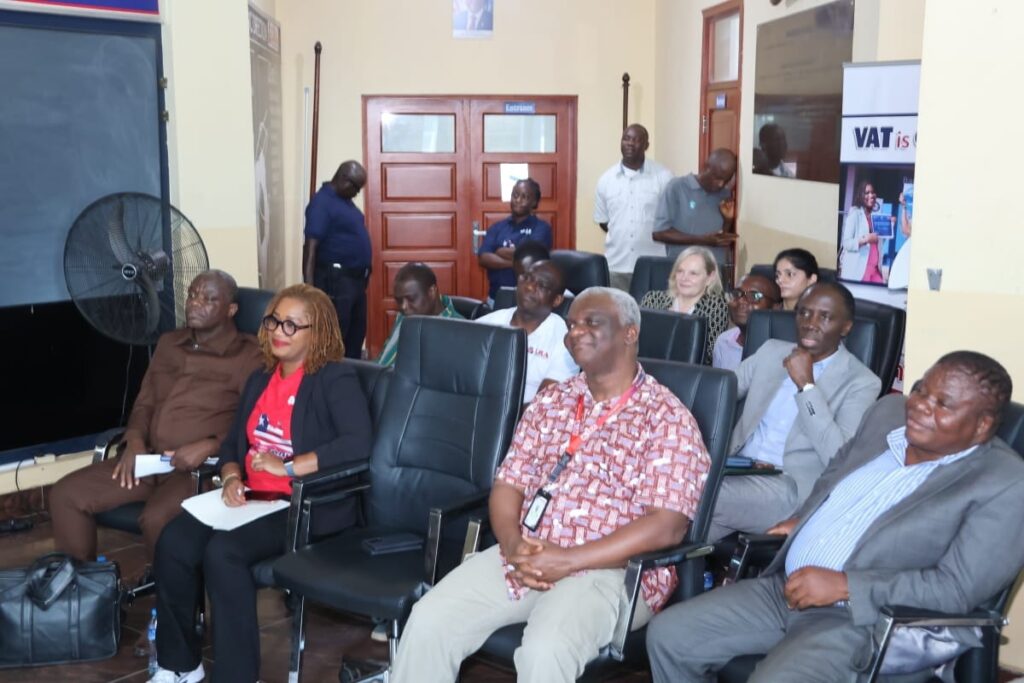
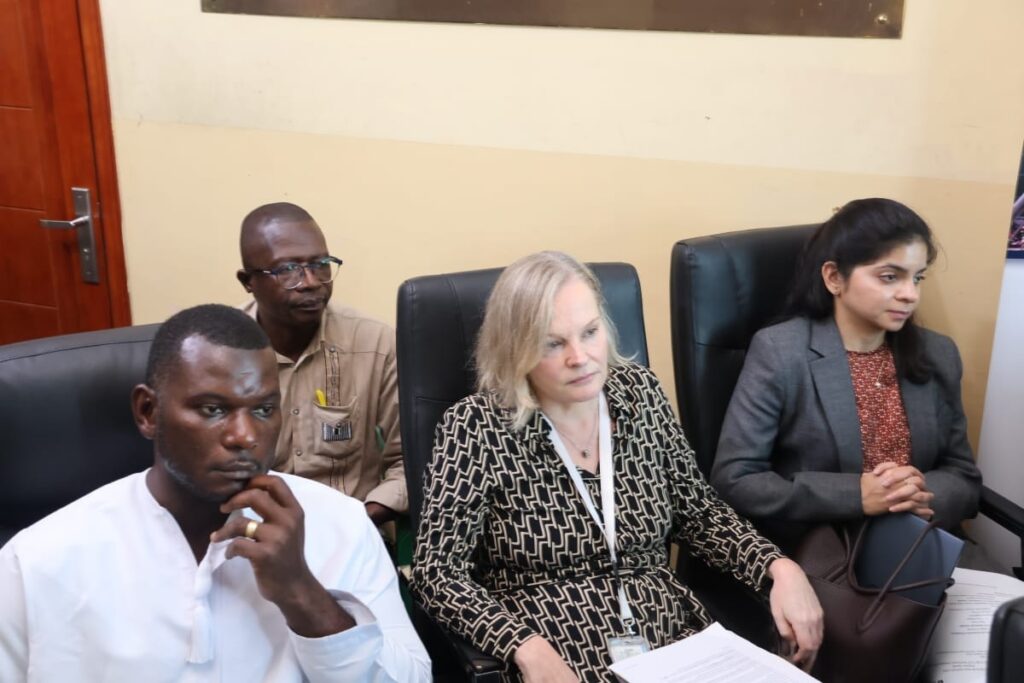
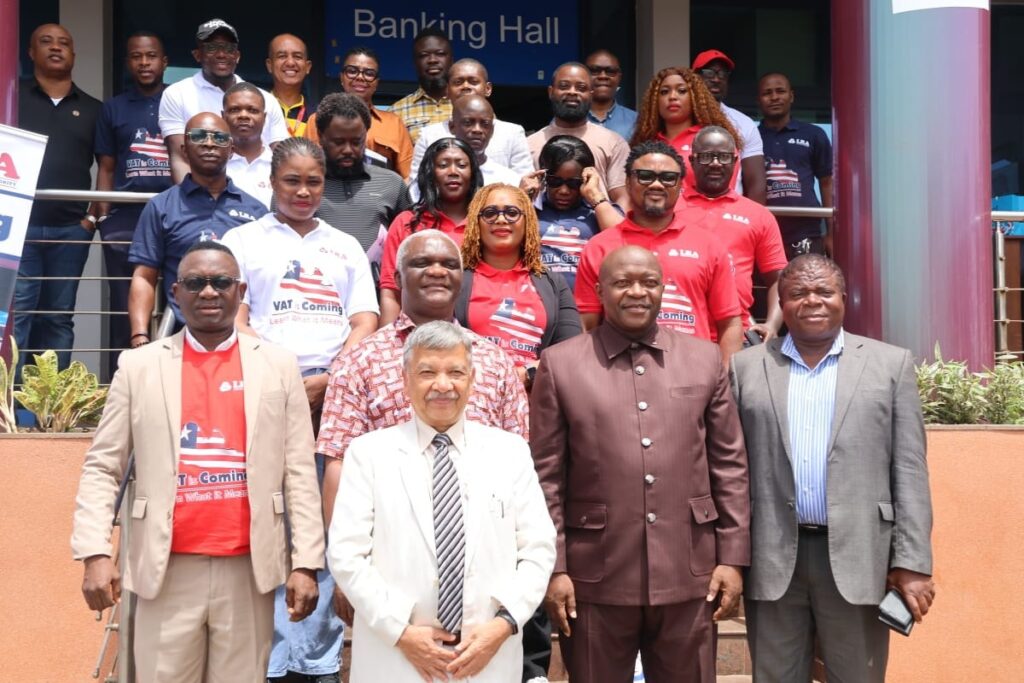
The launch event, attended by senior government officials, legislators, development partners including the African Development Bank, World Bank and European Union, as well as representatives of the business community, formally kicked off the nationwide awareness drive ahead of the VAT’s official rollout in 2027.
Ngafuan framed the VAT transition as a sovereignty-driven reform, particularly at a time when external development assistance is shrinking.
“We cannot depend only on our partners, especially in this day and age where overseas development assistance is receding,” he said. “Most of our partners are looking inward… We cannot go to one little corner and cry.”
He revealed that the government recently launched an US$18 million Domestic Resource Mobilization program, supported by the African Development Bank, aimed at strengthening revenue enforcement institutions, including the LRA, Mines and Energy, and other agencies.
“Domestic resource mobilization became our saving grace,” Ngafuan said, recalling how Liberia navigated fiscal turbulence last year when one major development partner withdrew support.
According to him, external resources now constitute just six percent of the national budget—a deliberate shift toward self-financing.

“We Are Lagging Behind”
The Finance Minister also underscored that Liberia is the only country in the ECOWAS region yet to adopt VAT, describing the reform as a necessary “catch-up exercise.”
“We are the only country in the region, and probably one of the few countries in the entire world, that has not adopted the value-added tax,” he noted. “So, we have to catch up.”
However, he cautioned that while change is necessary, it often comes with anxiety.
“Change is good, but sometimes change can be scary,” Ngafuan said. “No matter how good change is, there’s always… fear, trepidation and anxiety.”
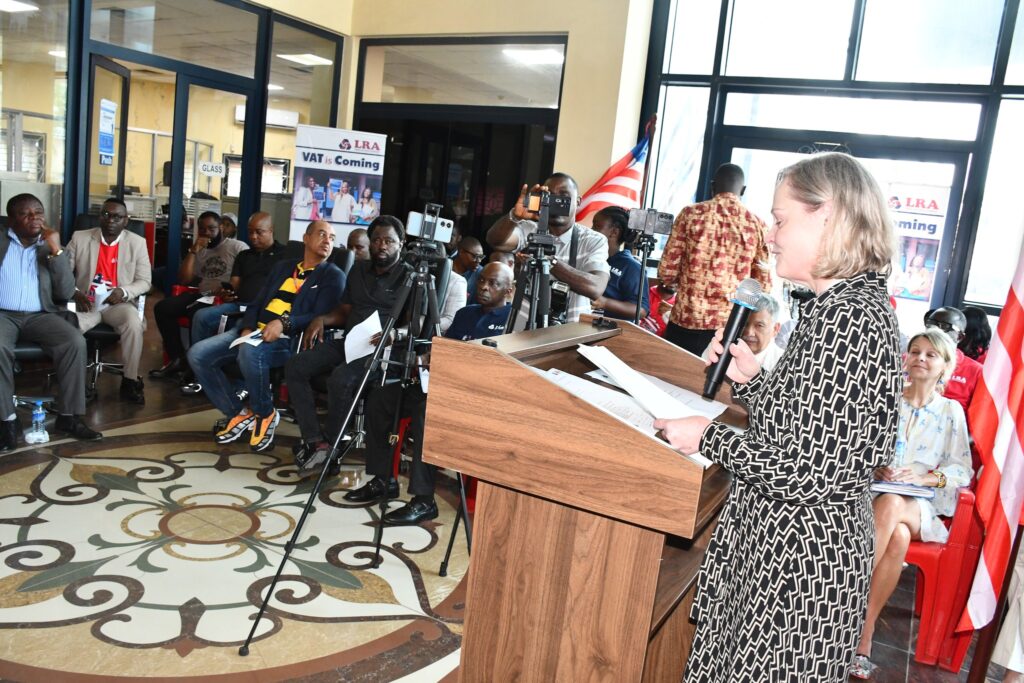
He stressed that awareness must go beyond publicity to real understanding.
“Sometimes awareness can be different from understanding,” he warned. “People can be aware, but they don’t understand.”
Ngafuan therefore called for “hand-holding” of businesses and taxpayers to ensure smooth transition, adding that brochures and campaigns alone are not enough.
With that, he officially launched the Nationwide VAT Awareness Campaign on behalf of President Joseph Nyuma Boakai, pledging government support to ensure its success.
Dorbor: “Reform Must Be Courageous”
For his part, LRA Commissioner General James Dorbor Jallah described VAT as a transformative reform designed to make tax administration more transparent, fair, and efficient.
“By replacing the Goods and Services Tax, VAT will reduce tax cascading, strengthen compliance, and improve domestic revenue mobilization,” Dorbor said.
He assured businesses and taxpayers that the rollout will be consultative and inclusive.
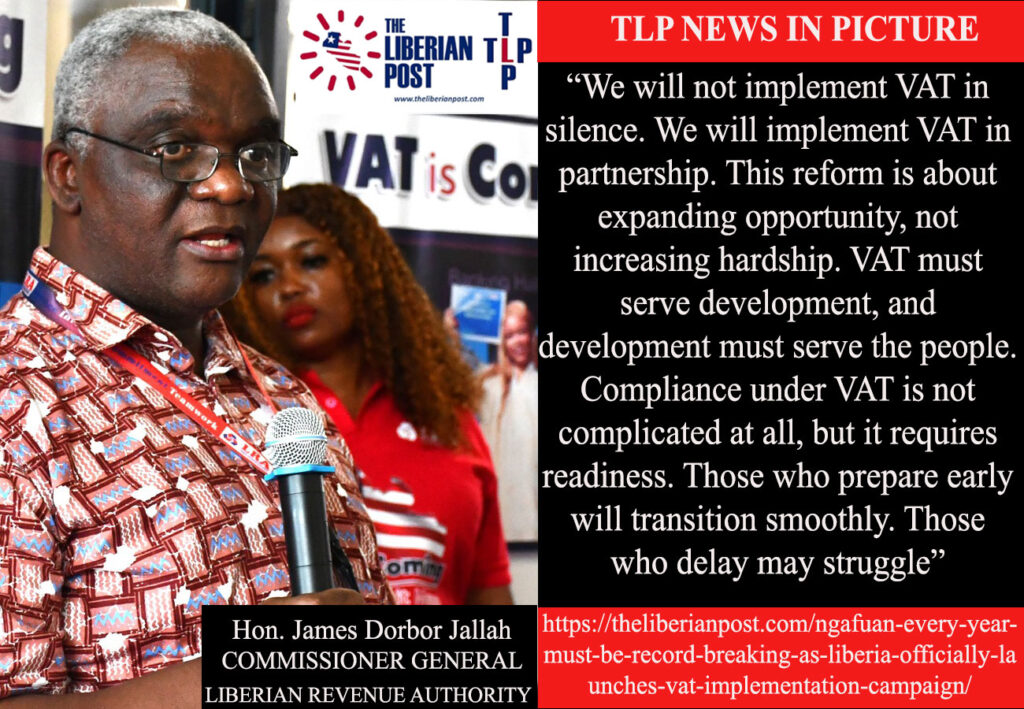
“We will not implement VAT in silence,” Dorbor declared. “We will implement VAT in partnership.”
Between now and January 1, 2027, the LRA will conduct nationwide consultations, sector-specific workshops, public education campaigns, and training programs for accountants and small and medium enterprises.
Dorbor emphasized that essential goods and services have been carefully considered within the policy framework to protect vulnerable populations, noting that some items will be zero-rated to prevent undue hardship.
“This reform is about expanding opportunity, not increasing hardship. VAT must serve development, and development must serve the people,” he said.
Internally, the Commissioner General disclosed that the LRA is upgrading its digital infrastructure, modernizing IT platforms, strengthening audit capabilities, and refining compliance systems to ensure readiness.
“Reform without capacity is risk, and policy without assistance is weakness,” Dorbor stated.
He urged businesses to begin preparations early.
“Compliance under VAT is not complicated at all, but it requires readiness. Those who prepare early will transition smoothly. Those who delay may struggle,” he cautioned.
Addressing the Liberian people broadly, Dorbor framed taxation as a patriotic duty.
“Taxes are not merely payments. They are investments in our collective future,” he said. “When revenue grows, dependence shrinks. When compliance improves, development accelerates.”
He added that history will judge the reform not by its comfort, but by its courage.
“History will not remember whether reforms were comfortable. History will remember whether reforms were courageous,” Dorbor declared.
Legislative, Partner Support
Representing the Legislature’s Joint Committee on Ways, Means and Finance, the head of the Legislative Budget Office, Mr. Othello S. Tarbah, pledged support for the reform, describing the launch as the beginning of a comprehensive national engagement process.
Development partners, including the African Development Bank and other multilateral institutions, were recognized for their technical and financial support toward strengthening Liberia’s revenue systems.
January 1, 2027: The “Magic Date”
Both Ngafuan and Dorbor reaffirmed that January 1, 2027, remains the fixed implementation date for VAT.
“That is the date. That is the magic date,” Ngafuan stressed, signaling government’s firm commitment not to delay the transition.
As Liberia embarks on what officials describe as one of the most significant tax reforms in decades, the message from the launch was clear: VAT is not merely a tax adjustment—it is a strategic pivot toward fiscal independence, strengthened sovereignty, and long-term economic resilience.
Follow The Liberian Post on Facebook and X (formerly twitter)