-Finance Minister Says Energy, Roads and Ports Key to Unlocking Jobs, Trade and Private Sector Growth
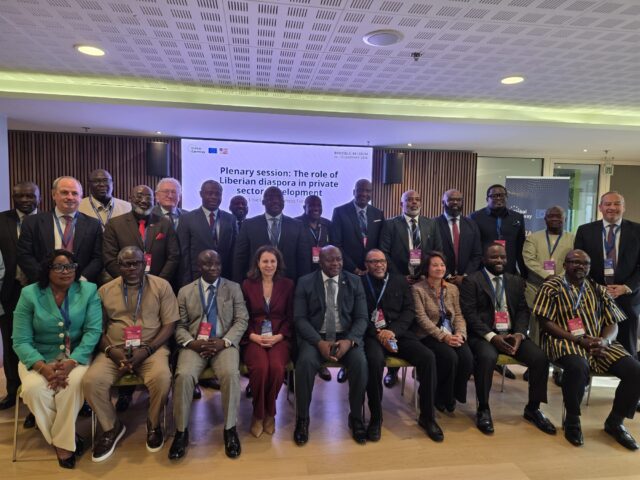
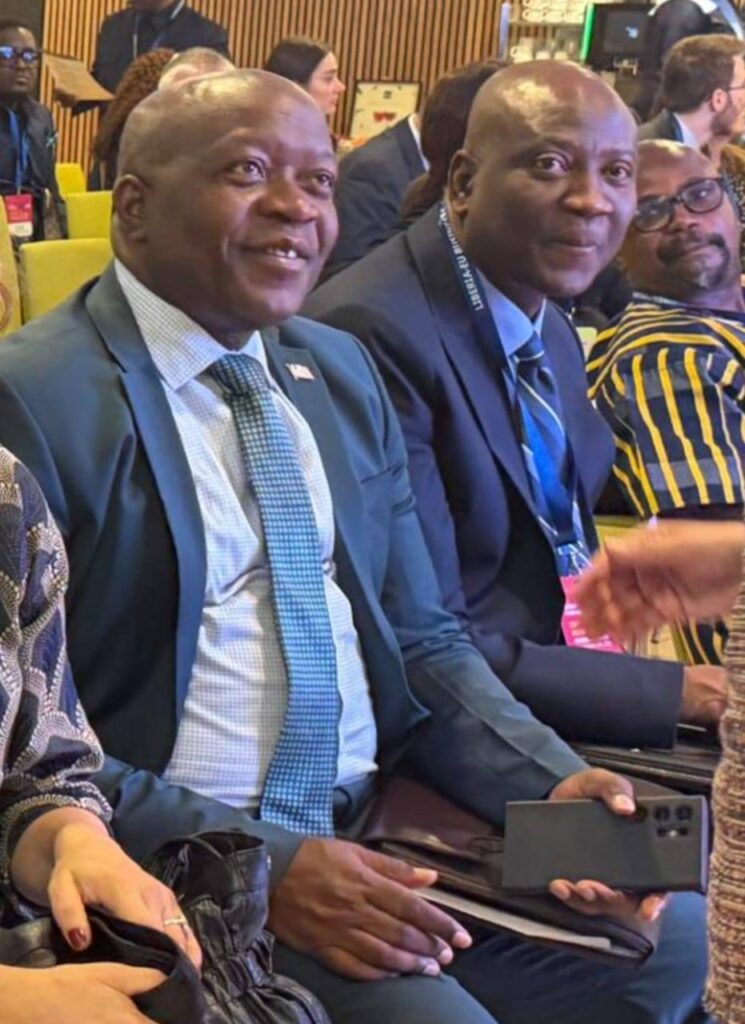
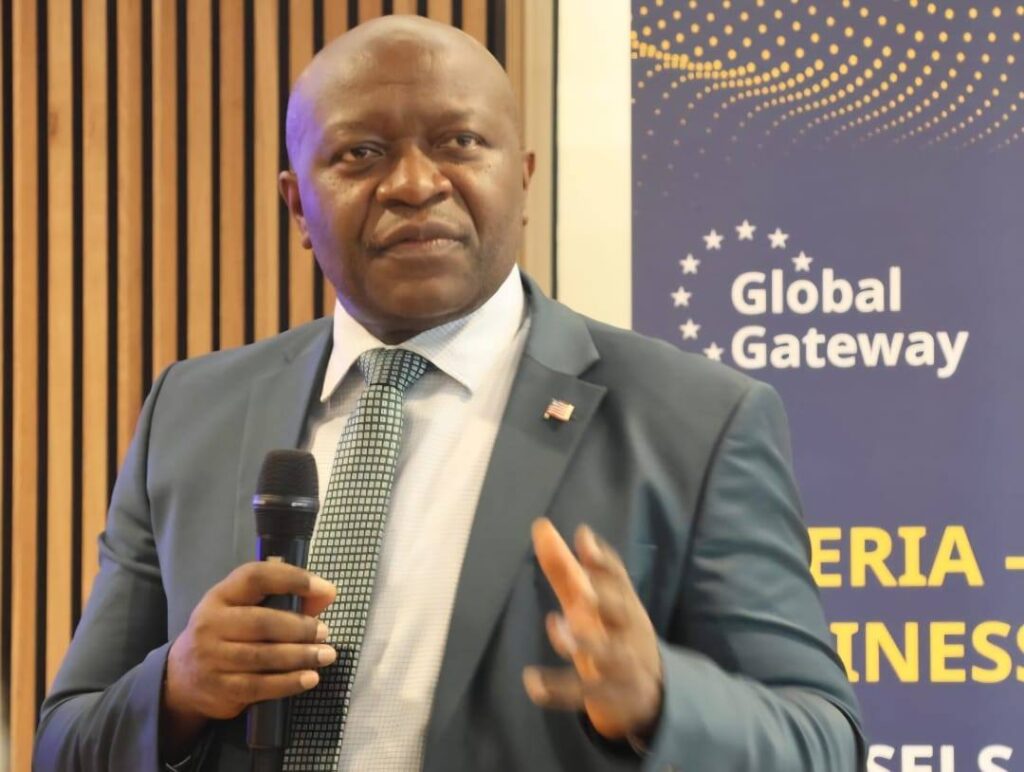
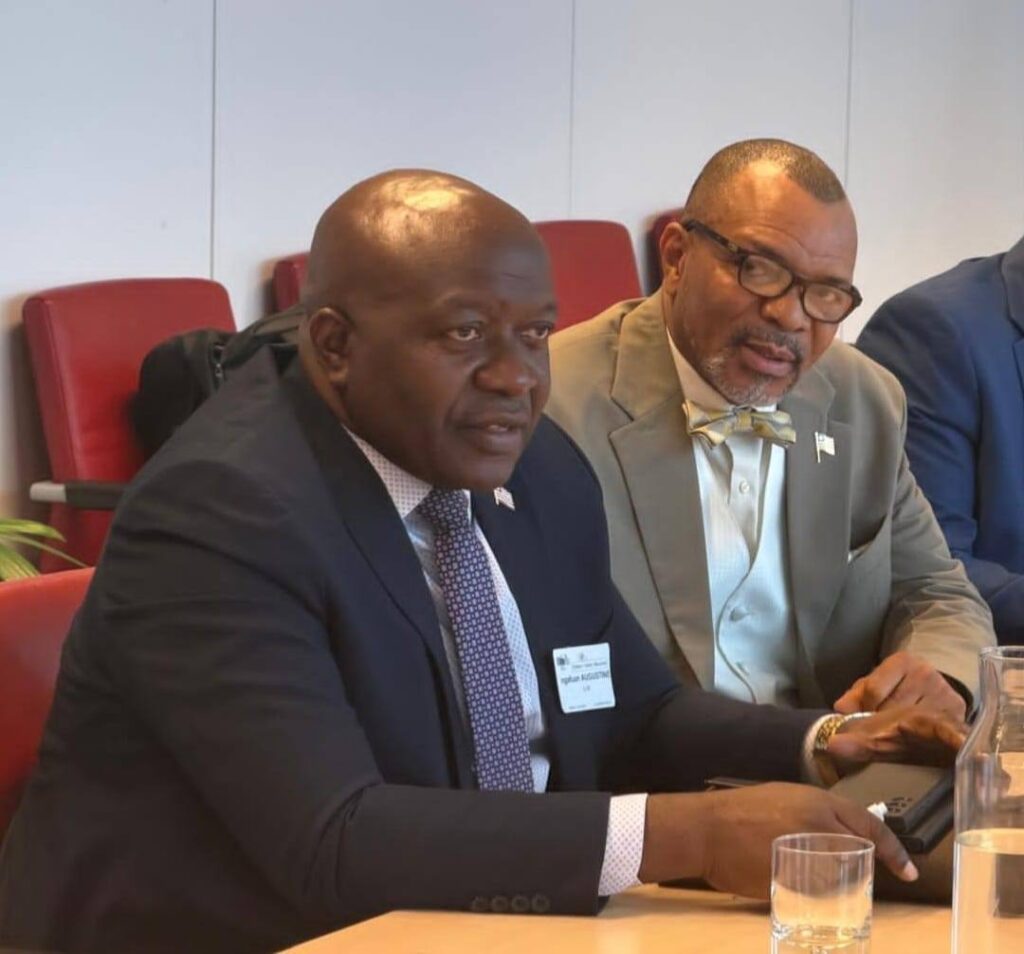
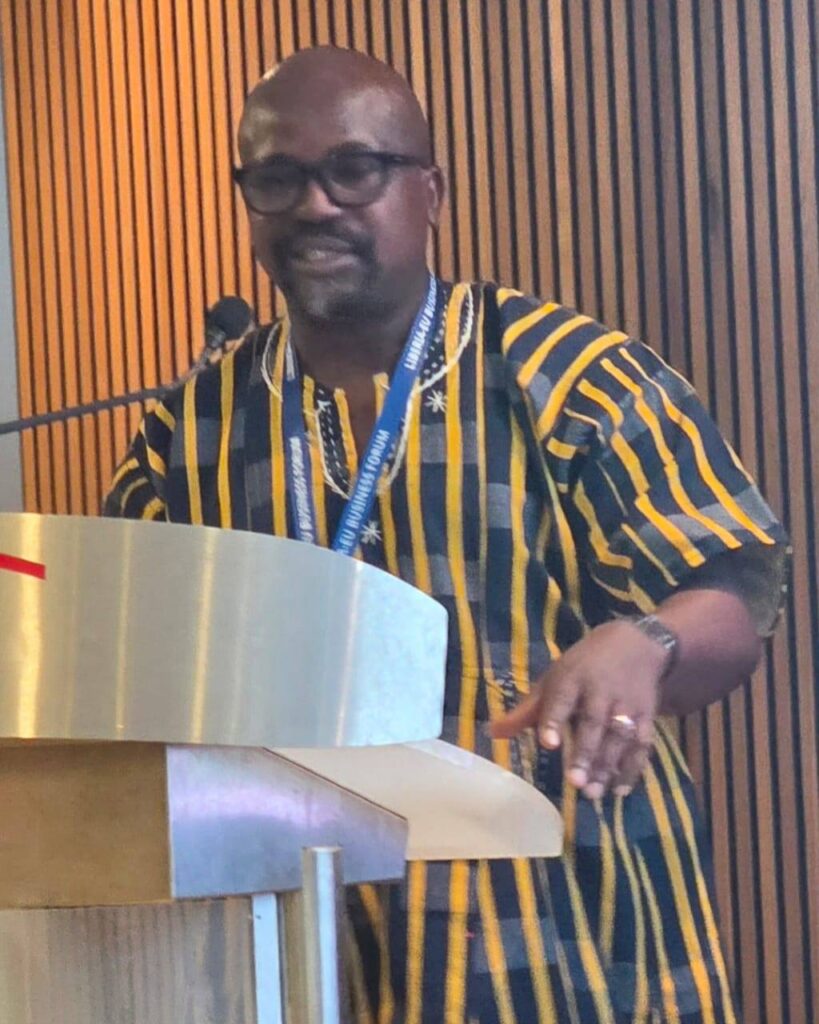
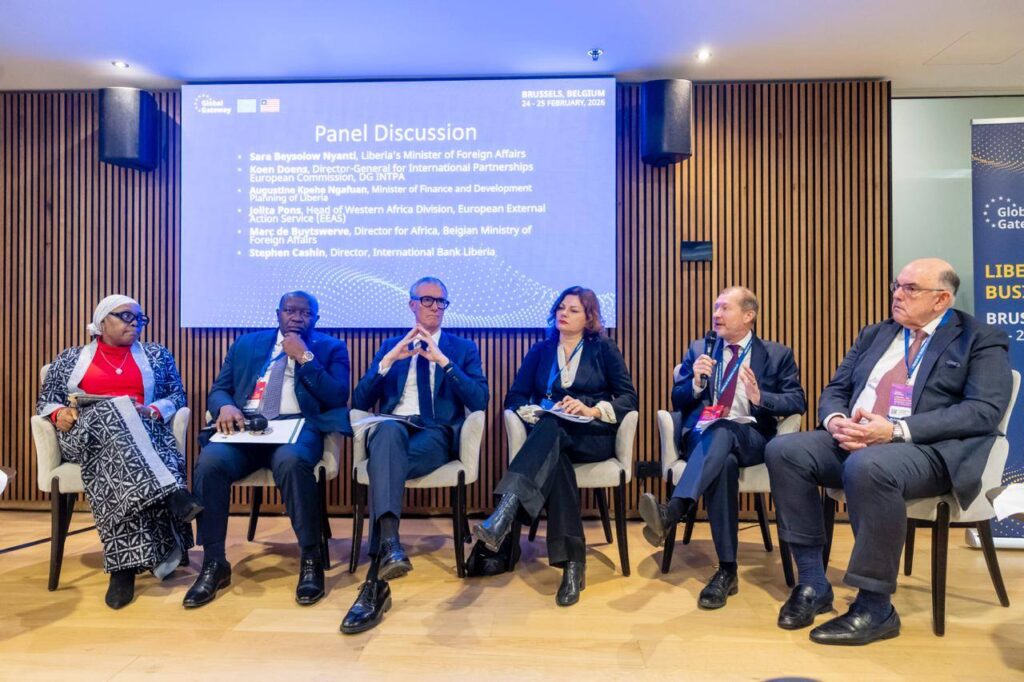
BRUSSELS, Belgium – Liberia’s Minister of Finance and Development Planning, Augustine Kpehe Ngafuan, has delivered a forceful pitch for infrastructure financing at the ongoing Liberia–European Union Partnership Dialogue, warning that without urgent investment in energy, roads and ports, Liberia’s economic transformation will remain superficial.
Addressing European policymakers, investors and development partners on Wednesday, February 25, 2025, Ngafuan declared that Liberia must confront its “binding constraints to growth” if it is to become an attractive destination for private sector investment.
“To make Liberia attractive for private sector growth, we must address the issue of infrastructure—especially energy infrastructure, road and port infrastructure,” Ngafuan said. “Until we address these key constraints, we will be scratching on the surface.”
Energy Access: The Core Constraint
At the heart of Ngafuan’s presentation was Liberia’s energy deficit, which he described as both a legacy of the civil war and a continuing obstacle to economic expansion.
According to the Minister, electricity access in Liberia stood at approximately 30–33 percent as of January 2024—one of the lowest rates in the region.
He highlighted Liberia’s newly developed Energy Compact, part of the World Bank and African Development Bank’s “Mission 300” initiative aimed at providing electricity access to 300 million Africans.
Liberia was among the first 12 countries selected to develop such a compact during the Africa Energy Summit in Dar es Salaam, which President Joseph Nyuma Boakai attended.
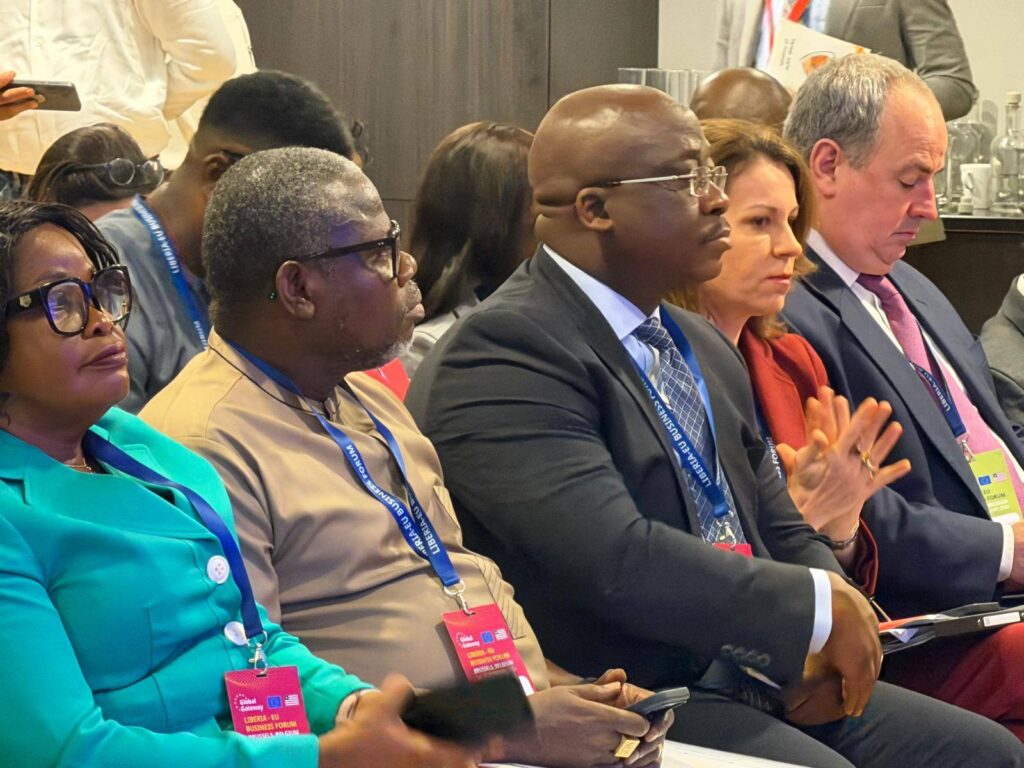
“We clearly laid out our ambition in the sector,” Ngafuan said of the compact. “We costed it upwards of $1.2 billion, and we think we are even a little conservative.”
He urged European investors to review the document, noting that it outlines concrete opportunities for private sector participation in generation, transmission, distribution and renewable energy.
“There is space for private sector intervention,” he stressed. “Please look at that.”
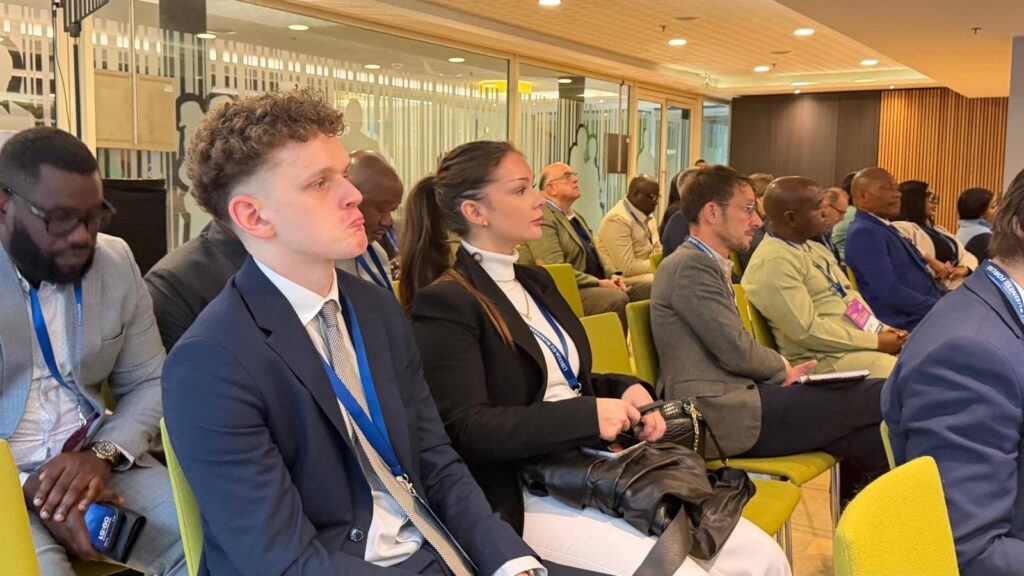
MCC Second Compact to Focus on Power
Ngafuan also disclosed that Liberia has been reaffirmed for a second compact under the U.S. Millennium Challenge Corporation (MCC), with energy selected as the priority sector.
“In the analysis that informed our reaffirmation, power connectivity and rural connectivity topped the list,” he explained. “We decided, in conjunction with MCC, to focus on one sector—and that sector is energy.”
He revealed that a two-day root cause analysis workshop was scheduled to begin in Monrovia on Thursday, February 26, signaling the start of the technical groundwork for the new compact.
The Minister emphasized that while road infrastructure remains critical, the government has made a strategic decision to channel significant early financing toward energy.
“Given how critical energy is, we need to put enough money—and put enough money very soon—into energy,” he stated.
Roads, Regional Trade and Connectivity
Beyond electricity, Ngafuan underscored the transformative potential of ongoing road projects, particularly corridors linking Liberia to Sierra Leone.
He cited plans for the Monrovia-to-Bo Waterside highway and the Voinjama-to-Mendikorma connection as projects that would enhance cross-border trade and strengthen Liberia’s regional competitiveness.
“When we connect these roads in the context of regional trade, Liberia will be used by many people—for tourism, for trade, for transport,” he said.
Describing Liberia as “a big construction site,” Ngafuan pointed to visible rural road works and expanding infrastructure projects as signals of government commitment.
“We don’t want to turn back,” he said. “We will put government money into it because we want to create a signal.”
Power Costs Squeezing Businesses
Ngafuan painted a vivid picture of how high electricity costs are undermining businesses—from multinational corporations to small Liberian entrepreneurs.
“One of the biggest constraints businesses talk about is the huge cost of power,” he noted. “Even the big ones complain. But when you talk to small businesses, it is worse.”
He recounted a conversation with a Liberian woman running a small enterprise who told him she could not afford to keep her generator running daily.
“That higher cost is eating into profits,” he said.
Liberia’s electricity tariff, though gradually declining, remains among the highest in the region, making it prohibitive for many enterprises.
“The actions we are taking will increase access and reduce costs,” Ngafuan assured.
Public–Private Partnerships and SCATEC Deal
Highlighting concrete progress, Ngafuan referenced a recently signed agreement with SCATEC to bring 23.7 megawatts of additional power online within six months.
“There are more opportunities in transmission and renewables,” he added, acknowledging the European Union’s role in supporting renewable energy initiatives.
He further pointed to growing public–private partnership (PPP) opportunities in the energy sector and port infrastructure.
Port Expansion and Trade Efficiency
On port modernization, Ngafuan said reforms are underway to expand capacity and reduce turnaround times for clearing goods.
“If we don’t shorten the time goods spend at the port, it increases costs for businesses and ultimately raises commodity prices,” he warned.
He praised the National Port Authority’s leadership and emphasized the importance of private sector engagement to improve efficiency.
The Minister also highlighted the rollout of a national payment switch by the Central Bank of Liberia to accelerate financial transactions and reduce friction in the business environment.
“We Must Be Serious About Financing Infrastructure”
Throughout his remarks, Ngafuan repeatedly returned to one central message: infrastructure financing is non-negotiable if Liberia is to unlock jobs and economic growth.
“Once we say the private sector is the engine of growth, and we want jobs, and we want to address bread-and-butter issues, then we must be serious about financing infrastructure,” he declared.
He described the Ministry of Finance and Development Planning as the “heart” of government—responsible for pumping resources to critical sectors like energy and transport.
“Our duty is to pump the blood to the various parts of the body,” he said. “LEC is one of the legs. Road transport is one of the legs. We must help them mobilize financing so they don’t only run—but spread.”
In a moment of light humor, Ngafuan acknowledged that he was placed on the infrastructure-focused panel without specifically requesting it.
“I don’t know why they put me here—but they were not wrong,” he said, drawing laughter from participants.
A Clear Signal to Europe
Ngafuan’s intervention at the Liberia–EU Partnership Dialogue signals a strategic pivot from traditional aid dependency toward structured investment partnerships anchored in infrastructure.
By framing energy and connectivity as prerequisites for profitability and job creation, the Finance Minister positioned Liberia not merely as a recipient of support—but as a market seeking capital to unlock its potential.
“We are mobilizing the funds. We are crowding in the funds. And we intend to move quickly,” Ngafuan concluded. “When we address these things, we unlock the economy, we unlock jobs, and we unlock profitability.”
As discussions continue in Brussels, Liberia’s message is unmistakable: infrastructure first, investment next, transformation thereafter.
Follow The Liberian Post on Facebook and X (formerly twitter)