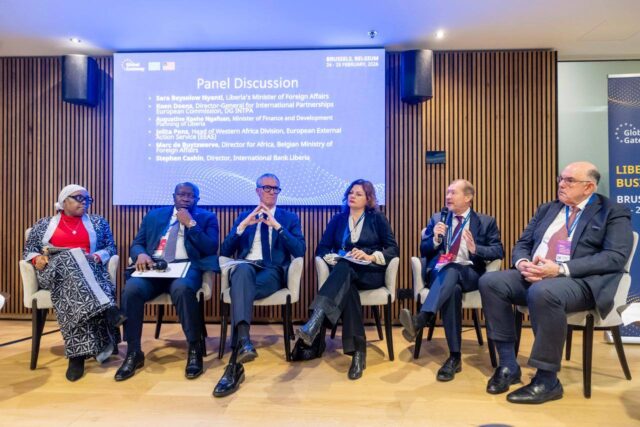
MONROVIA – The European Union Delegation to Liberia has announced that the ongoing Liberia–European Union Partnership Dialogue has generated momentum around more than €1.5 billion in potential projects, marking what officials describe as a major step toward unlocking investment, job creation, and sustainable economic growth in Liberia.
In a statement posted on its official Facebook page, the EU Delegation characterized the Liberia–EU Business Forum as “a premier step toward unlocking new opportunities for investment, job creation, and sustainable growth in Liberia.”
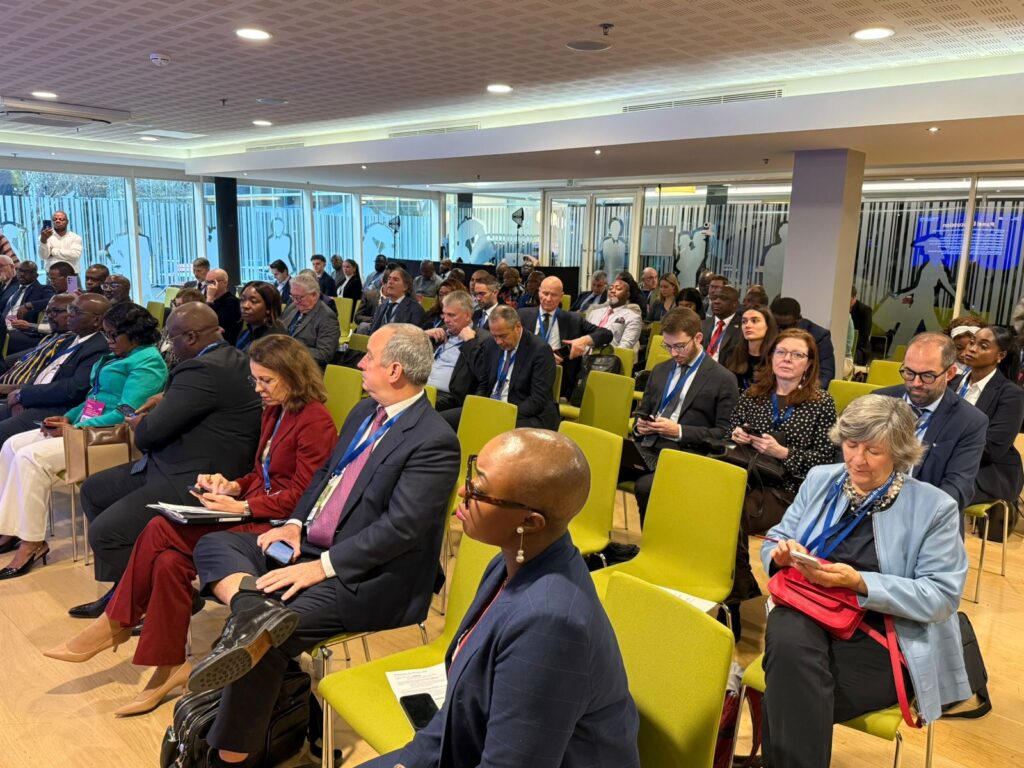
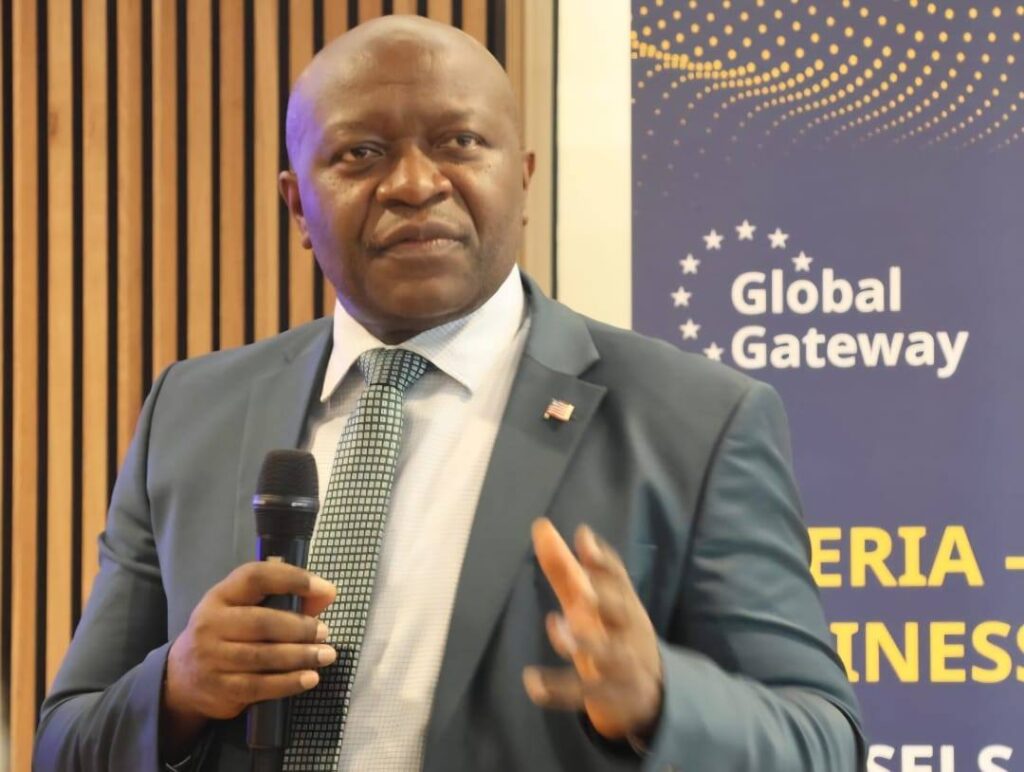
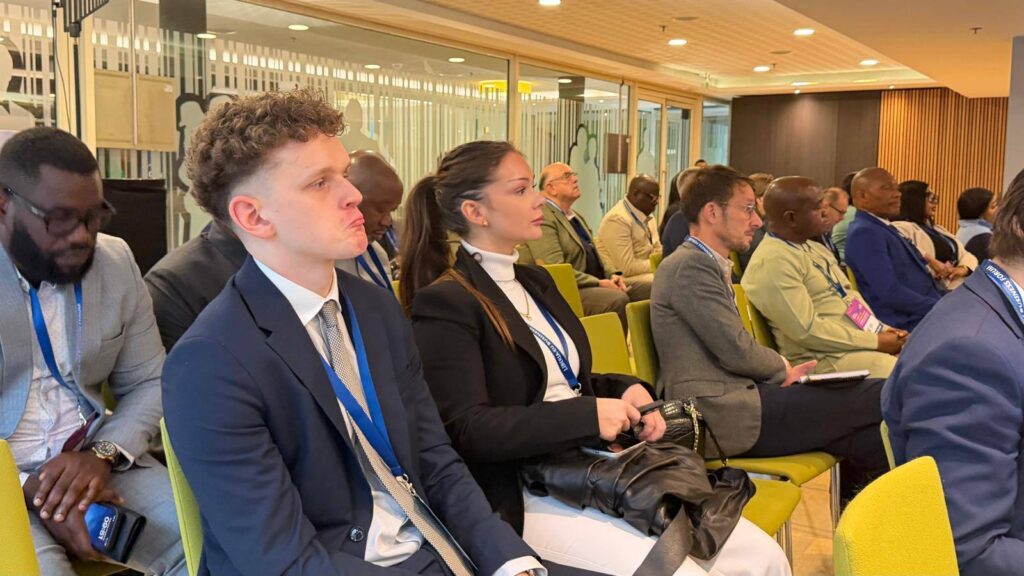
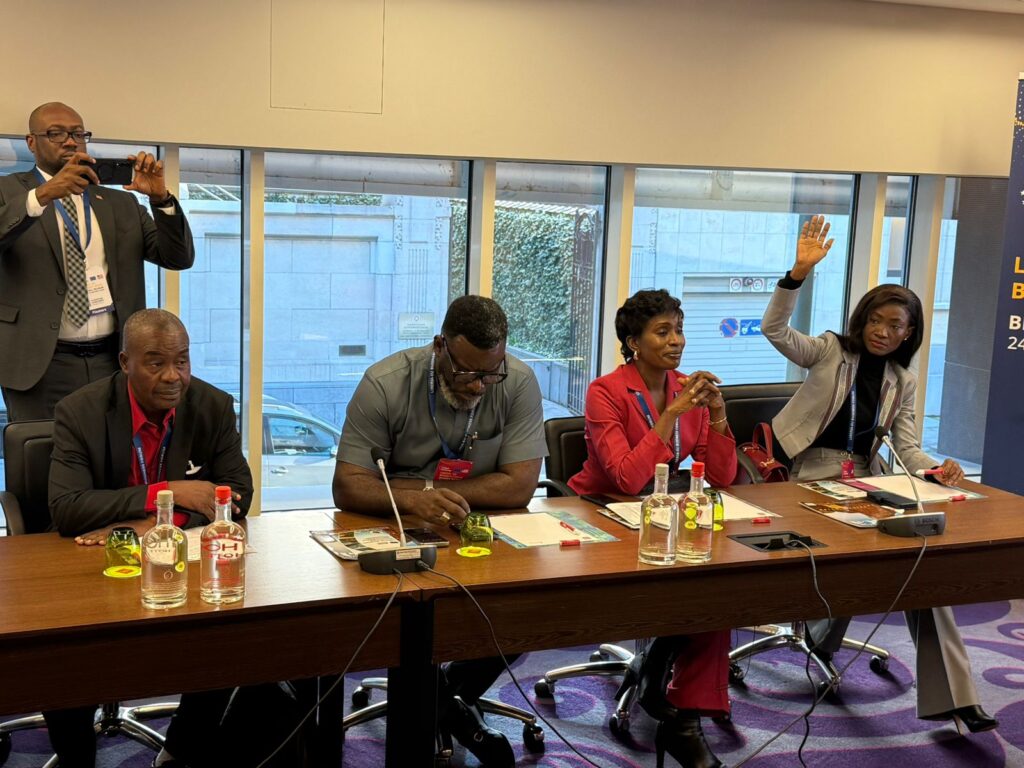
The forum, held as part of the broader Liberia–EU Partnership Dialogue in Brussels, brought together the Government of Liberia, the European Commission, development partners, and private sector actors from both Europe and Liberia. The engagement reflects a deliberate shift toward positioning private sector–led development at the center of Liberia’s economic transformation.
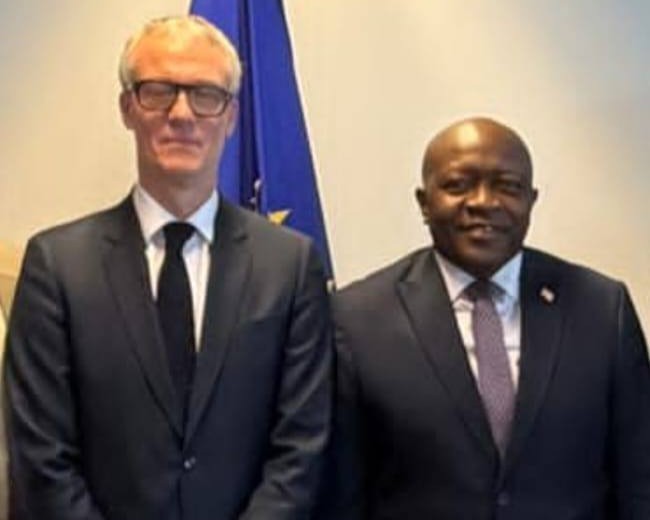
€1.5 Billion in Potential Projects
According to the EU Delegation, the forum consolidated discussions around potential investment projects exceeding €1.5 billion, spanning key sectors that are critical to Liberia’s long-term development strategy.
The scale of the figure underscores the ambition of the partnership dialogue, which seeks to move beyond traditional donor-recipient frameworks toward structured investment partnerships that generate measurable economic impact.
The EU statement emphasized alignment between Liberian authorities and European partners in recognizing “a changing political and economic climate”—one that prioritizes business-led growth, innovation, and sustainable employment.
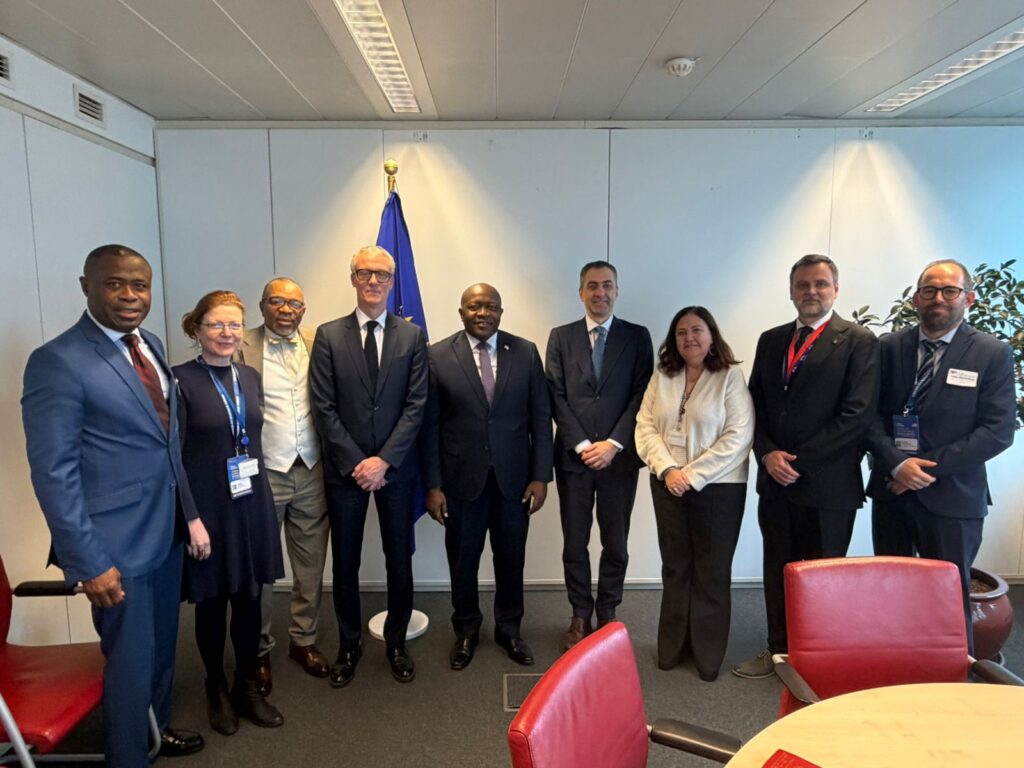
A Shift Toward Private Sector Leadership
The Business Forum signals a strategic evolution in Liberia–EU cooperation. Rather than focusing solely on aid flows, the dialogue centers on mobilizing private capital, de-risking investments, and building commercial linkages between Liberian enterprises and European firms.
“Business and investment drive innovation, employment, and long-term economic development,” the EU Delegation noted, highlighting the forum’s role as a “powerful platform for dialogue, partnerships, and concrete deals.”
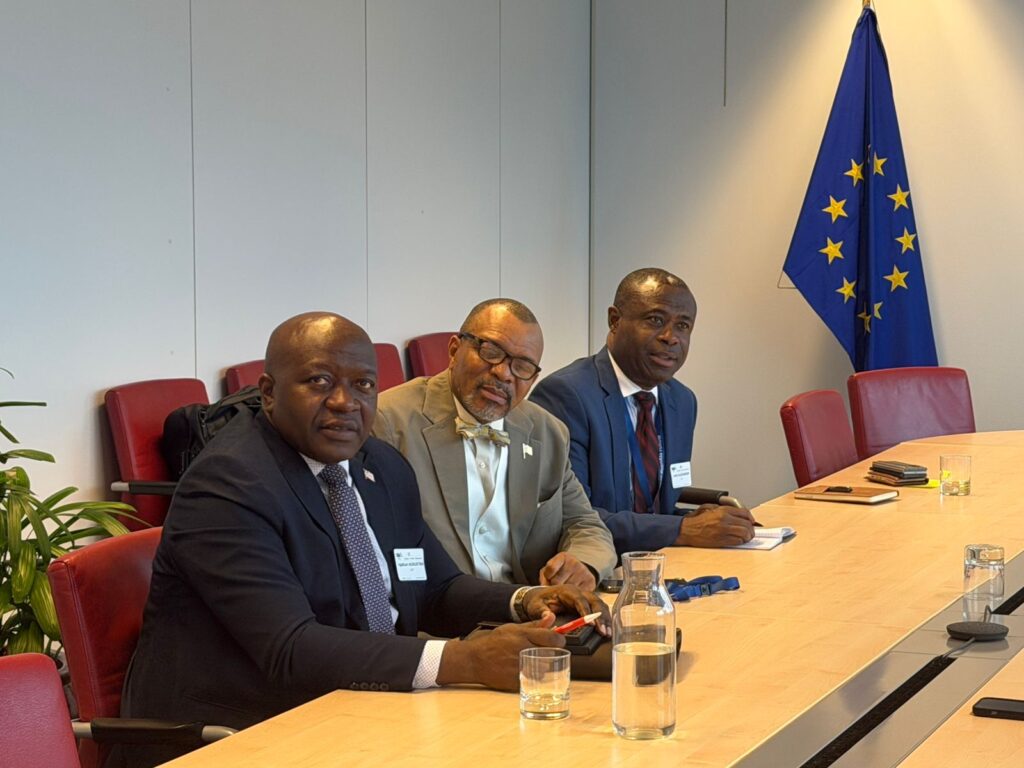
This approach aligns with Liberia’s ARREST Agenda for Inclusive Development, which prioritizes Agriculture, Roads, Rule of Law, Education, Sanitation, and Tourism as pillars of economic transformation.
Government officials participating in the dialogue—including senior representatives from the Ministries of Finance, Foreign Affairs, Commerce, Agriculture, and Public Works—have consistently stressed that private sector expansion is essential to reducing unemployment and expanding domestic revenue.
Stronger Liberia–EU Cooperation
The EU Delegation’s statement framed the forum as part of a broader effort to deepen economic diplomacy between Monrovia and Brussels.
The Liberia–EU Partnership Dialogue has included high-level policy discussions, government-to-business (G2B) meetings, and business-to-business (B2B) engagements designed to translate policy commitments into actionable investment pathways.
Key objectives include:
- Opening new investment corridors for European firms in Liberia
- Strengthening regulatory frameworks to improve the business climate
- Expanding job creation through industrial and infrastructure development
- Promoting sustainable growth anchored in environmental and governance standards
The emphasis on “shared prosperity through private sector leadership” signals a long-term vision in which Liberia leverages European capital and expertise while strengthening its domestic institutions and private sector capacity.
From Dialogue to Deals
Observers note that the true measure of success will be the conversion of potential project pipelines into finalized agreements, signed contracts, and implemented investments.
However, the €1.5 billion figure represents a significant vote of confidence in Liberia’s reform trajectory and political stability under the current administration.
The forum also reflects a broader EU strategy of partnering with African nations on investment-driven cooperation, consistent with Europe’s Global Gateway initiative, which seeks to mobilize sustainable infrastructure financing globally.
A Transformational Moment
For Liberia, the Business Forum marks one of the most ambitious economic diplomacy engagements in recent years. It builds upon previous Liberia–EU collaborations in infrastructure, governance reform, and institutional strengthening, while expanding the focus to large-scale private investment.
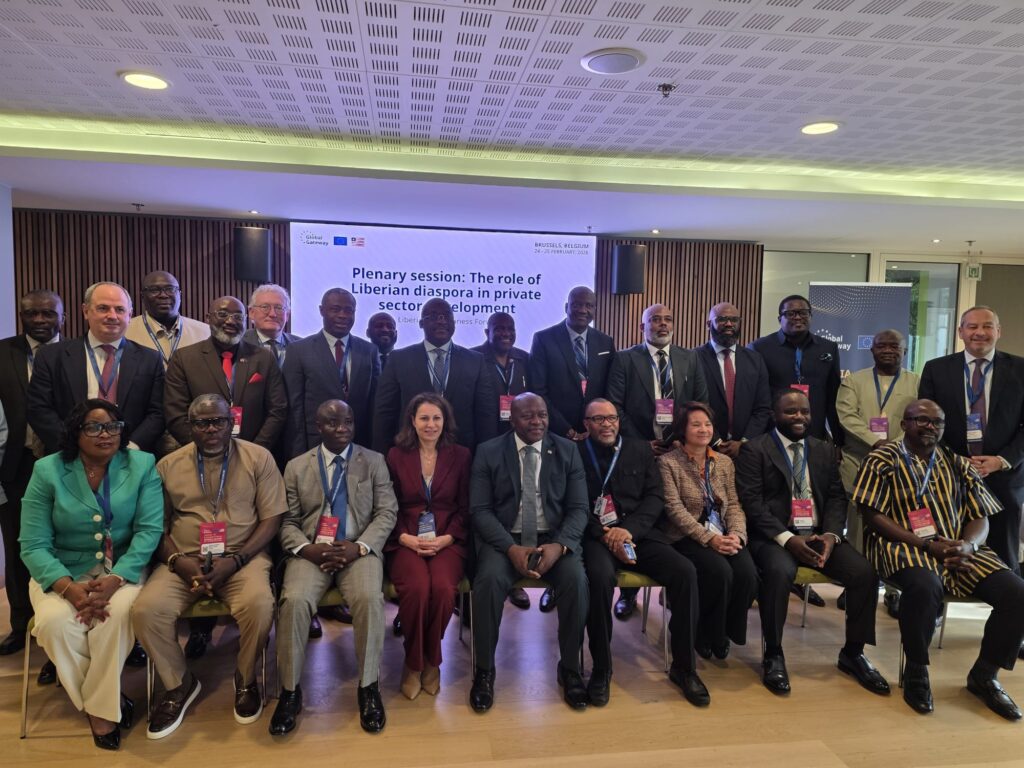
As the dialogue continues, stakeholders from both sides are expected to refine sector-specific proposals and outline implementation frameworks.
The EU Delegation’s message is clear: stronger cooperation, new investment pathways, and shared prosperity are not aspirational slogans—they are strategic objectives anchored in concrete project pipelines.
If the momentum generated in Brussels translates into signed deals and ground-breaking ceremonies in Liberia, the Liberia–EU Partnership Dialogue may well become a defining chapter in the country’s economic transformation.
Follow The Liberian Post on Facebook and X (formerly twitter)