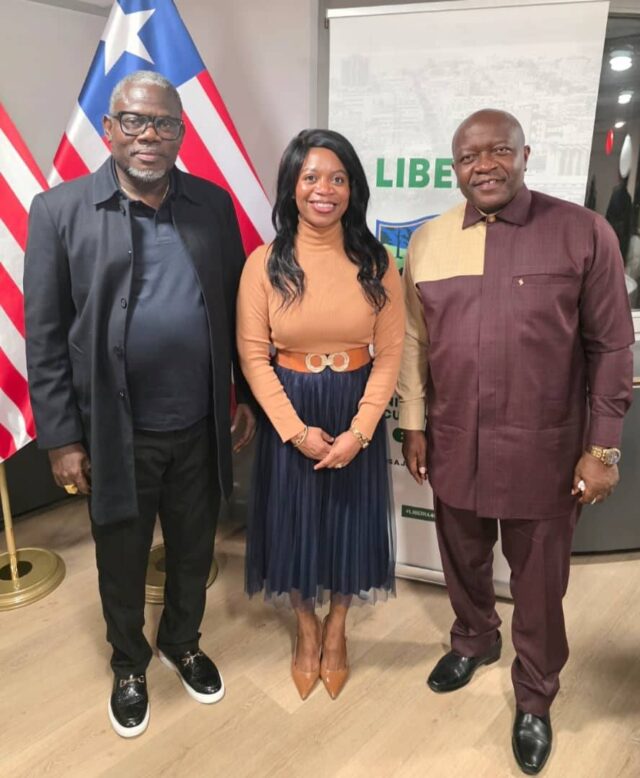
BRUSSELS, Belgium – What began as a formal engagement on the margins of the Liberia–European Union Partnership Dialogue quickly transformed into a spirited and heartfelt interaction between the Liberian delegation and members of the Liberian diaspora in Europe.
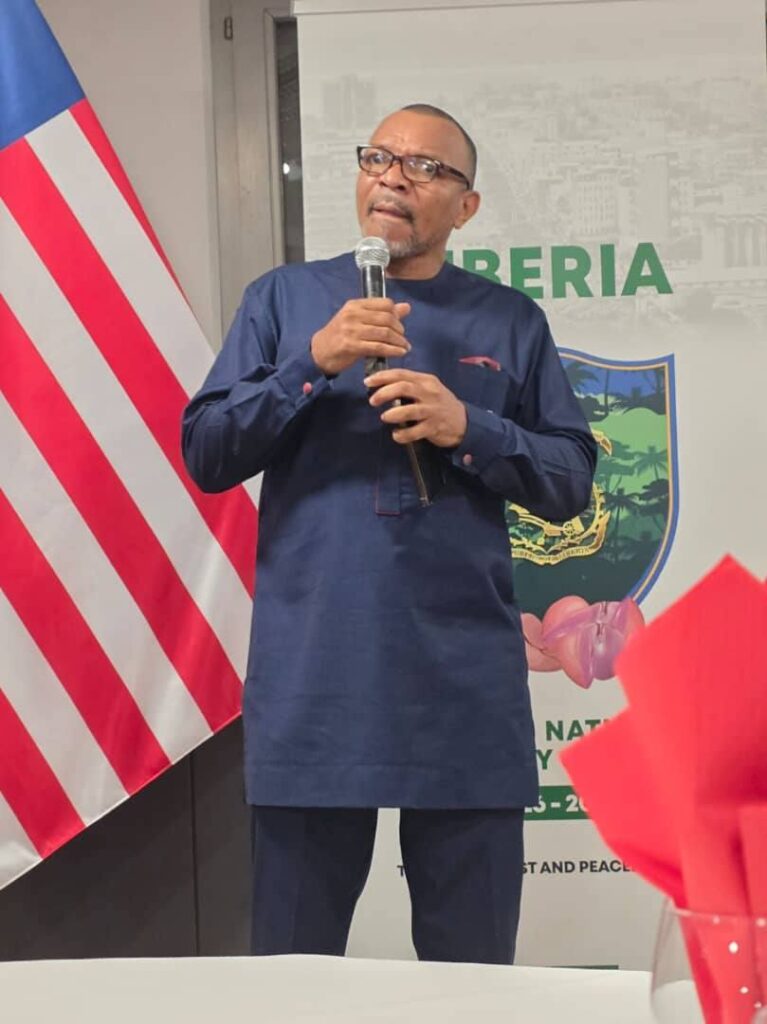
Amid laughter, nostalgia, candid exchanges, and serious policy reflections, Liberia’s Minister of Finance and Development Planning, Augustine Kpehe Ngafuan, delivered a message that resonated deeply across the hall:
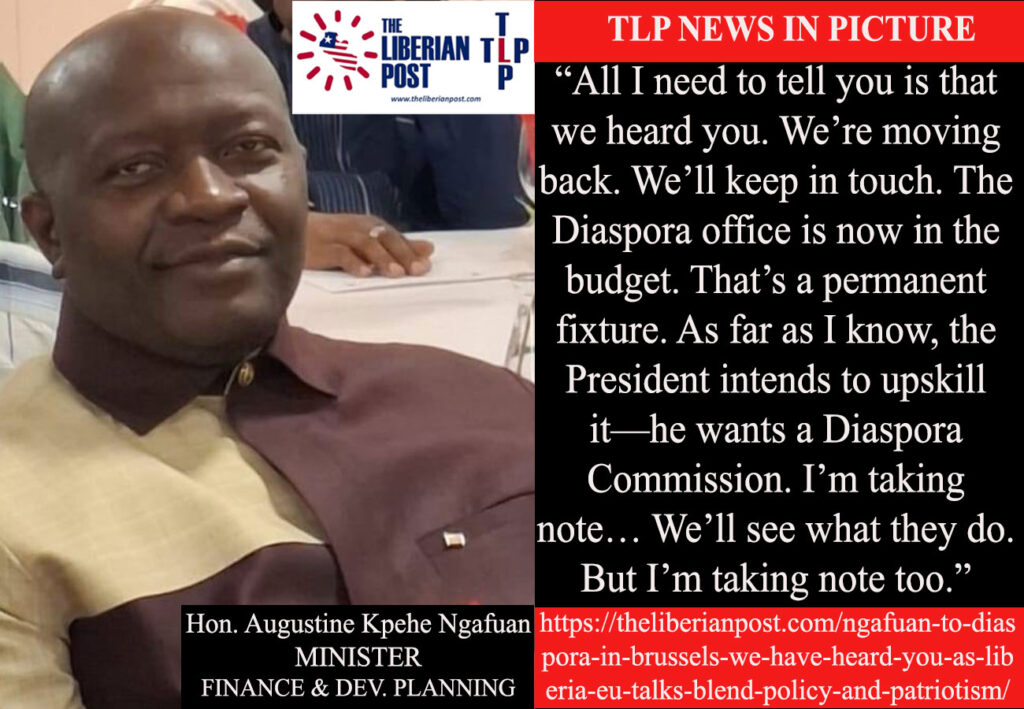
“All I need to tell you is that we heard you. We’re moving back. We’ll keep in touch.”
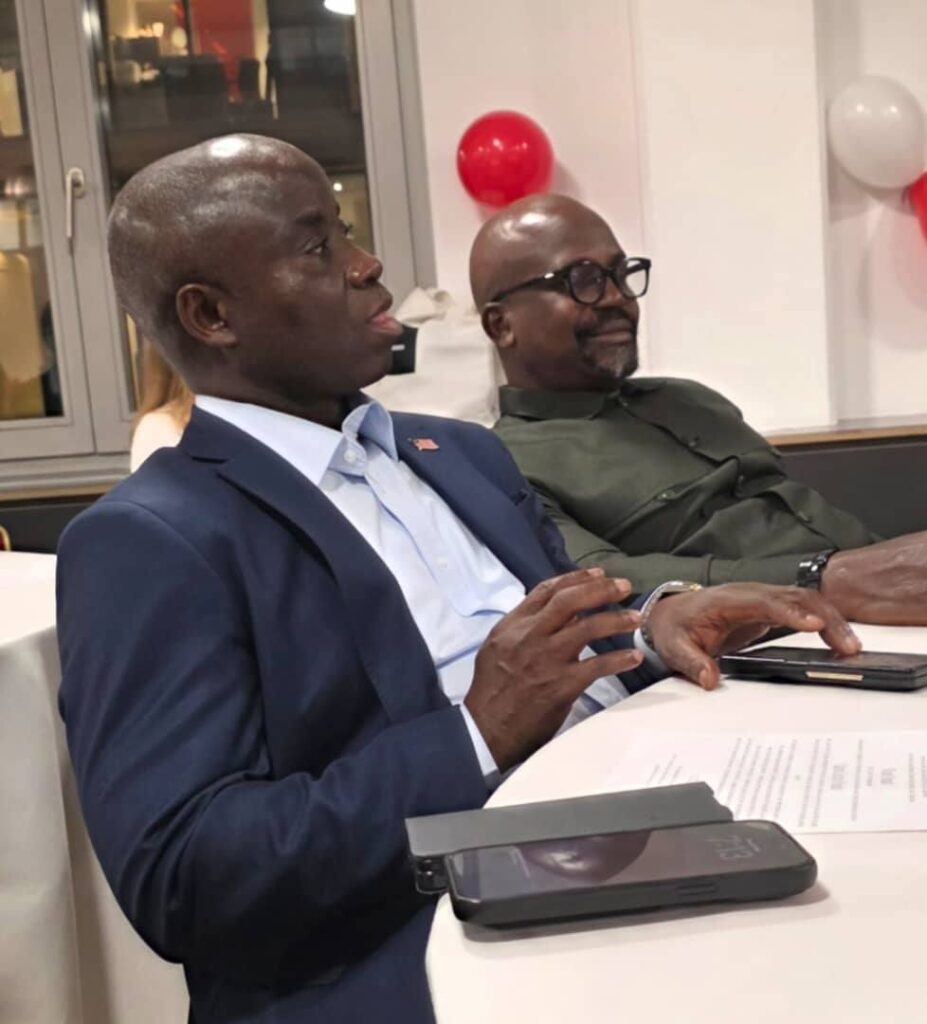
The gathering, hosted in Brussels—headquarters of the European Union—brought together senior Liberian government officials attending the partnership dialogue and Liberians residing across Europe. While the evening featured light-hearted moments and cultural pride, it was anchored in serious discussions about governance, development, economic reform, and diaspora inclusion.
Light Moments, Serious Intent
Ngafuan opened his remarks with humor, recalling shared educational roots with Liberia’s Ambassador accredited to Belgium, H.E. J. Levi Demmah.
“I followed him to class,” Ngafuan joked, noting that Ambassador Demmah was once one of the best students in electricity at Booker T. Washington Institute.
The hall erupted in laughter, but beneath the humor was a message of national pride—how former technical students have risen to occupy key diplomatic and governmental roles.
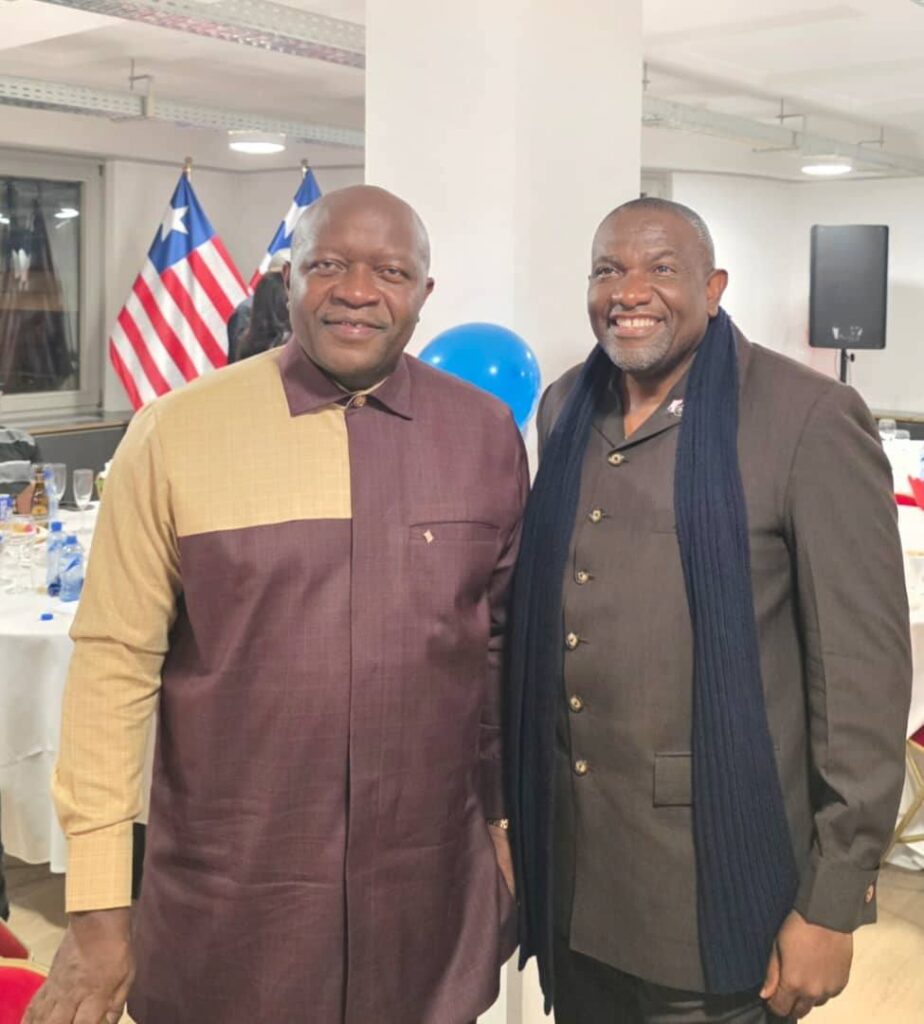
He went on to thank Liberia’s diplomatic corps across Europe and acknowledged Foreign Minister H.E. Sara Beysolow Nyanti for leading the broader Liberia–EU engagement effort.
Diaspora Commission, Embassy Ownership & Representation
One of the most significant takeaways from the dialogue was the government’s acknowledgment of diaspora concerns, particularly calls for stronger institutional representation.
Ngafuan confirmed that the Diaspora Office is now a permanent fixture in Liberia’s national budget and disclosed that President Joseph Nyuma Boakai intends to elevate it to a full Diaspora Commission.
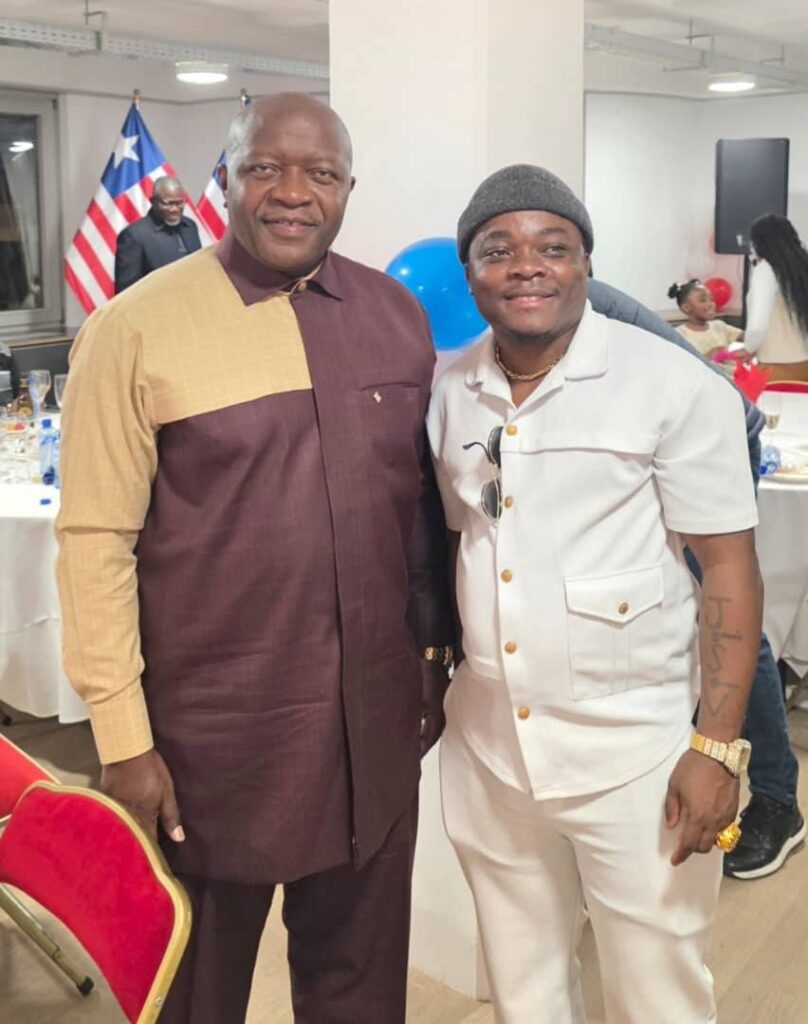
“The Diaspora office is now in the budget. That’s a permanent fixture. As far as I know, the President intends to upskill it—he wants a Diaspora Commission.”
He also took note of concerns raised by Liberians in Europe about Liberia not owning property in Brussels, especially given the city’s status as the EU capital.
“We don’t want your country to be renting in Brussels,” diaspora members reportedly said—an issue Ngafuan promised would be carried back to Monrovia.
“I’m taking note… We’ll see what to do. But I’m taking note, too.”
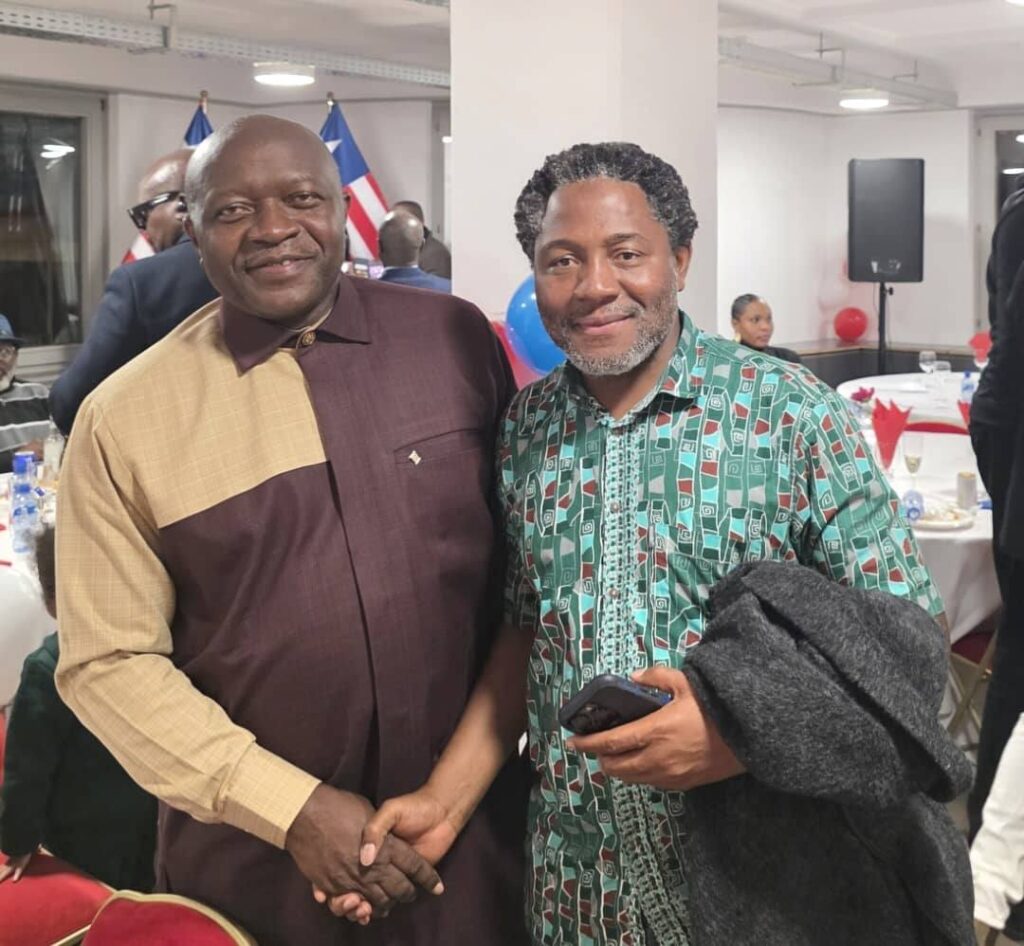
Economic Reforms and Progress at Home
Beyond diaspora engagement, Ngafuan provided updates on economic reforms underway in Liberia, highlighting progress at the Central Bank of Liberia under Governor Henry Saamoi.
“The Central Bank has, for two years in succession, generated operational surplus,” he explained—translating the technical phrase for the audience. “Technically, in layman’s terms, that is profit.”
He described ongoing macroeconomic stabilization efforts and referenced the development agenda—popularly known as the ARREST Agenda—being driven by key ministries including Public Works, Agriculture, Commerce, and Mines & Energy.
Yet, Ngafuan did not sugarcoat the challenges.
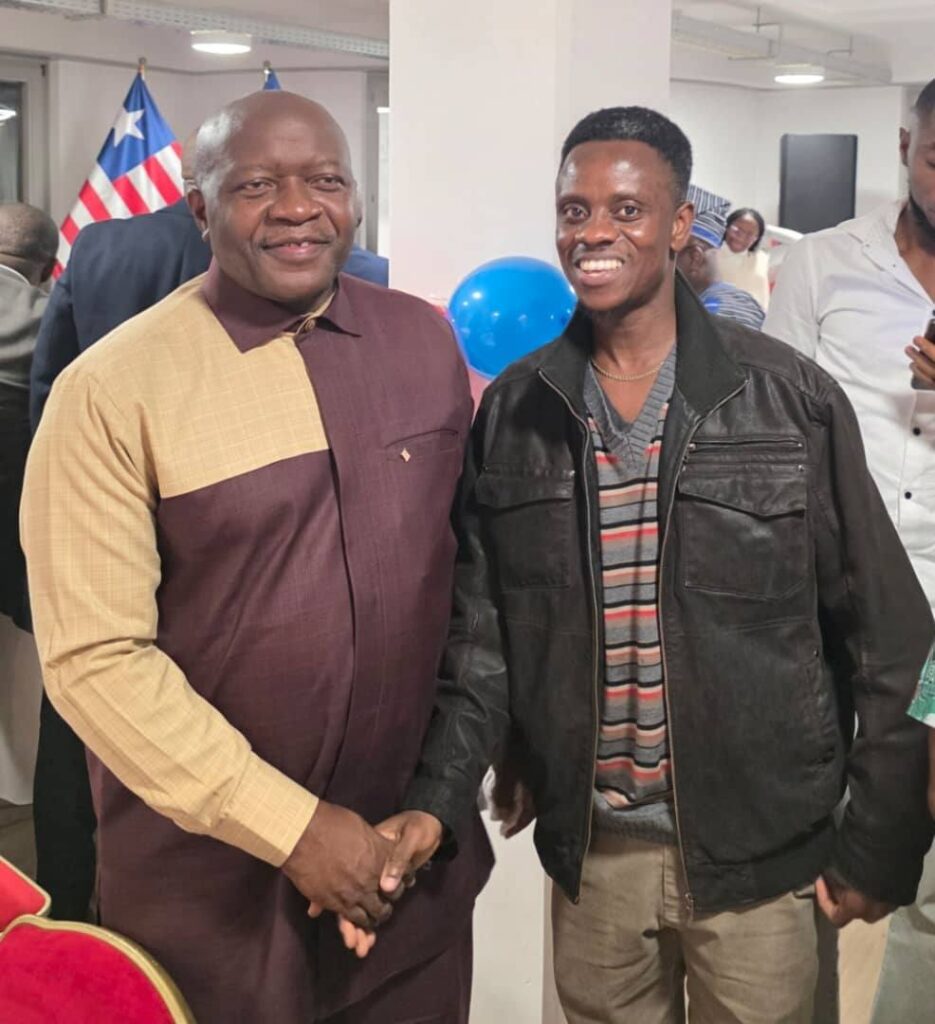
“When you look to Liberia, you will find things that will make you uncomfortable still… We have miles to travel.”
The “Negative 100” Analogy
Perhaps the most striking reflection of the evening was Ngafuan’s analogy about Liberia’s development trajectory.
“Many people think zero is the lowest number,” he said. “But in some respects, we didn’t start at zero—we started in the negative.”
He explained that taking 100 positive steps from negative 100 merely brings a country to zero—progress that may appear invisible to observers but is nonetheless real.
“That’s the kind of thing we are facing in Liberia… The Liberia of today is better than the Liberia of yesterday in lots of respect.”
The analogy drew nods across the room, resonating with diaspora Liberians who understand both the frustrations and complexities of national rebuilding.
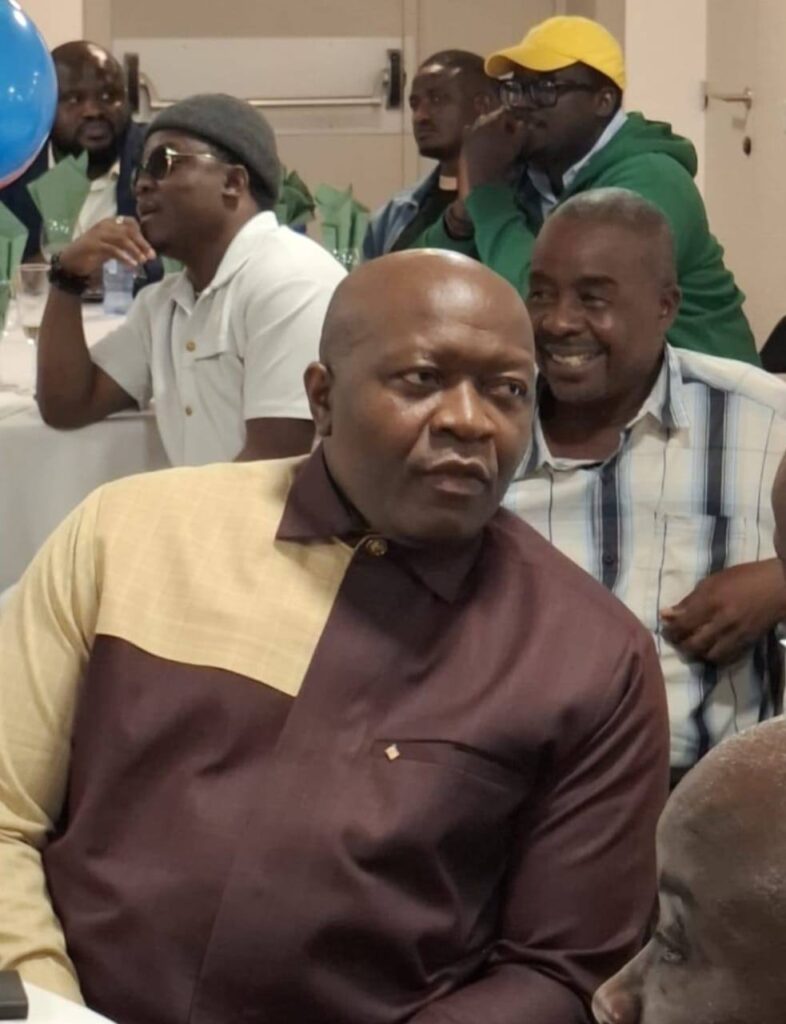
“Criticize Us… We Will Learn”
In a tone that blended humility with resolve, Ngafuan encouraged diaspora Liberians to hold the government accountable.
“We are not perfect men and women. We are fallible. Where we fall, you chastise us—we take them in stride. We will learn from them.”
He emphasized that development is not solely the government’s responsibility, reminding the diaspora that their investments and business initiatives contribute directly to national employment and economic growth.
“When any one of you go to Grand Gedeh and set up a business and hire 15 persons, you’ve added to the employment number of the country.”
Diaspora Bonds and Financial Innovation
Ngafuan also hinted at more sophisticated financial instruments under consideration, including diaspora bonds and structured financing partnerships, noting that development partners such as UNDP are taking diaspora engagement seriously.
“There’s talk about diaspora bonds and all kinds of sophisticated financial instruments… All I need to tell you is that we heard you.”
A Hall Filled With Laughter and Patriotism
The evening was not solely about policy. Cultural pride and nostalgia filled the hall as Liberian artists and community members lightened the atmosphere. Ngafuan praised the warmth of Liberian embassies across Europe—from France to Switzerland to Germany—calling it a “European feature” that has strengthened ties between government and diaspora.
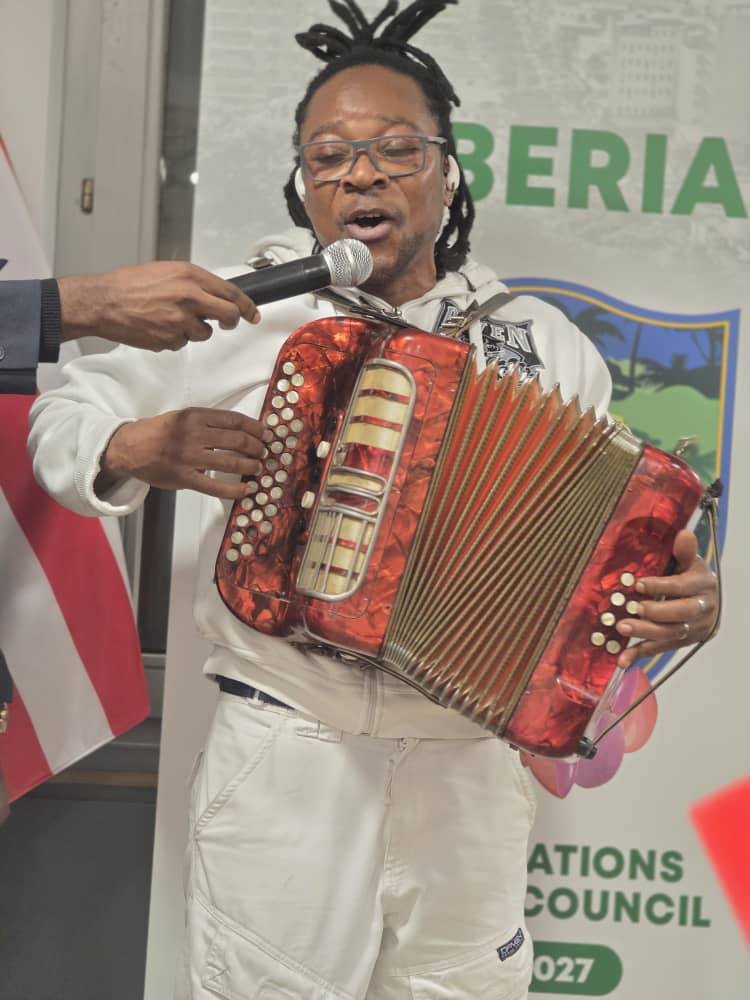
“You are breaking some standards. You’re entering the hearts and minds of the President’s Cabinet,” he told the diaspora hosts.
A Renewed Bridge Between Home and Abroad
As Liberia continues its high-level engagement with the European Union, the Brussels diaspora interaction underscored a broader message: development diplomacy is no longer limited to state-to-state conversations. It now includes citizens abroad who demand inclusion, accountability, and tangible results.
And as the delegation prepares to return to Monrovia, Ngafuan’s closing words lingered in the hall:
“We still have miles to trek, but we are not where we used to be… The Liberia of today is better than the Liberia of yesterday.”
For many in the diaspora, the most powerful reassurance was simple, direct, and long-awaited:
“We have heard you.”
Follow The Liberian Post on Facebook and X (formerly twitter)