WASHINGTON / MIDDLE EAST — The United States military says it has inflicted significant damage on Iran’s military capabilities in the opening days of a major Middle East campaign, while Iranian officials insist their retaliatory missile and drone strikes demonstrate the country’s continued ability to respond to the offensive.
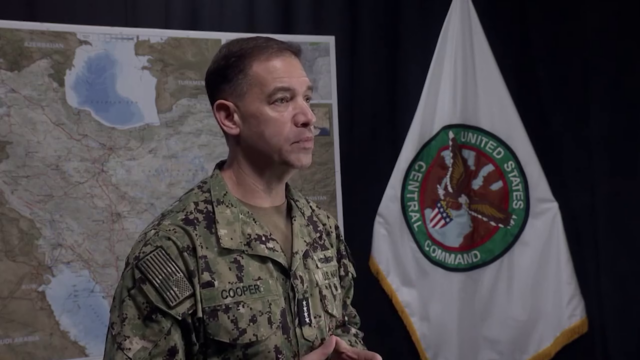
Speaking during a military briefing, U.S. Central Command Commander Admiral Brad Cooper said American and allied forces have carried out massive strikes across Iran as part of Operation Epic Fury, a large-scale military operation launched to neutralize what Washington describes as threats posed by Tehran’s missile and drone programs.
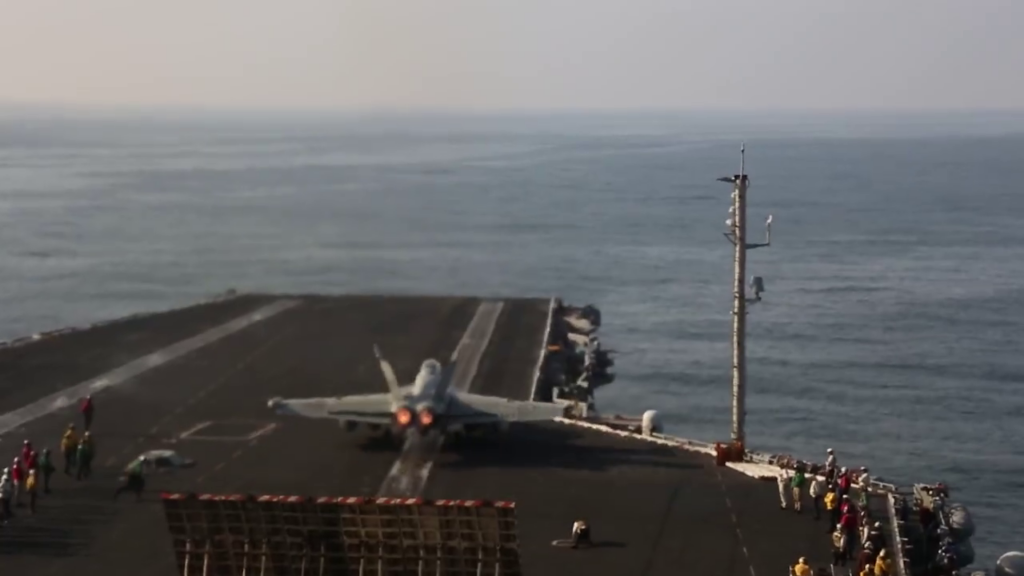
According to Admiral Cooper, the operation has involved more than 50,000 U.S. troops, approximately 200 fighter aircraft, strategic bombers, and two aircraft carrier strike groups, marking the largest American military buildup in the Middle East in decades.
“More than 50,000 troops, 200 fighters, two aircraft carriers, and bombers from the United States are participating in this operation,” Cooper said while providing an operational update.
Thousands of Targets Hit
Cooper said that within the first 100 hours of combat operations, U.S. and allied forces had already struck nearly 2,000 targets inside Iran using more than 2,000 munitions.
The targets, he explained, included ballistic missile sites, drone infrastructure, command-and-control facilities, and air defense systems.
“We have severely degraded Iran’s air defenses and destroyed hundreds of Iran’s ballistic missiles, launchers and drones,” Cooper said.
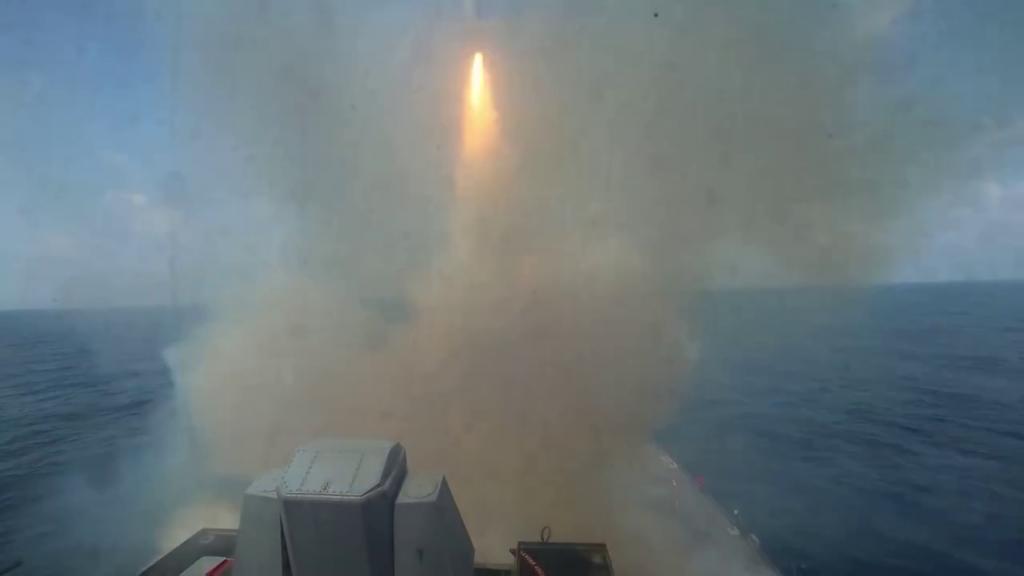
Strategic bombers including B-2, B-1, and B-52 aircraft reportedly conducted deep strikes against missile facilities and military command centers, while naval forces launched waves of cruise missiles against key installations.
The United States also claimed to have dealt a heavy blow to Iran’s naval capabilities.
“We are also sinking the Iranian Navy,” Cooper declared, adding that 17 Iranian ships—including a submarine—have been destroyed.
According to the CENTCOM commander, Iranian vessels have largely retreated to port, leaving no Iranian warship currently operating in the Arabian Gulf, the Strait of Hormuz, or the Gulf of Oman.
Iran Launches Missile and Drone Barrage
Despite the scale of the U.S.-led air campaign, Iran has mounted an extensive retaliatory response.
Cooper confirmed that Iranian forces have launched more than 500 ballistic missiles and over 2,000 drones against U.S. forces and allied targets across the region since the conflict began.
Iranian officials claim some of these attacks successfully struck military facilities and strategic targets linked to the United States and Israel.
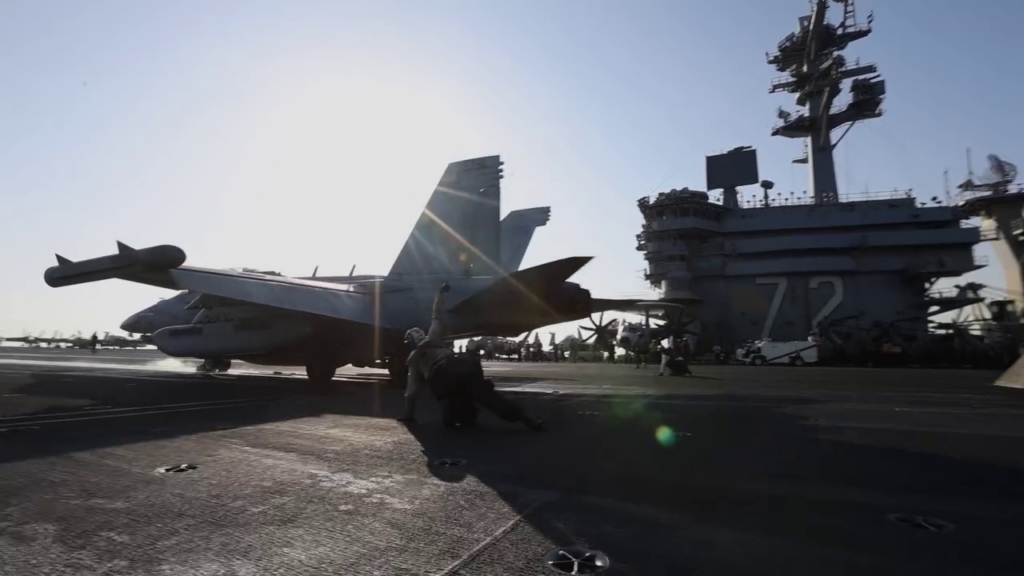
State-aligned Iranian media outlets have reported that missile barrages damaged military installations and disrupted operations in several areas of the Middle East. Tehran has also claimed its forces demonstrated the effectiveness of its missile and drone arsenal despite sustained airstrikes on its territory.
Iran has further asserted that its missile attacks have forced U.S. forces and allies to divert substantial resources toward missile defense systems across the region.
Escalating Regional Tensions
While Washington maintains that the campaign is weakening Iran’s ability to threaten U.S. personnel and partners, Tehran argues that its continued missile launches prove the country remains capable of sustaining resistance.
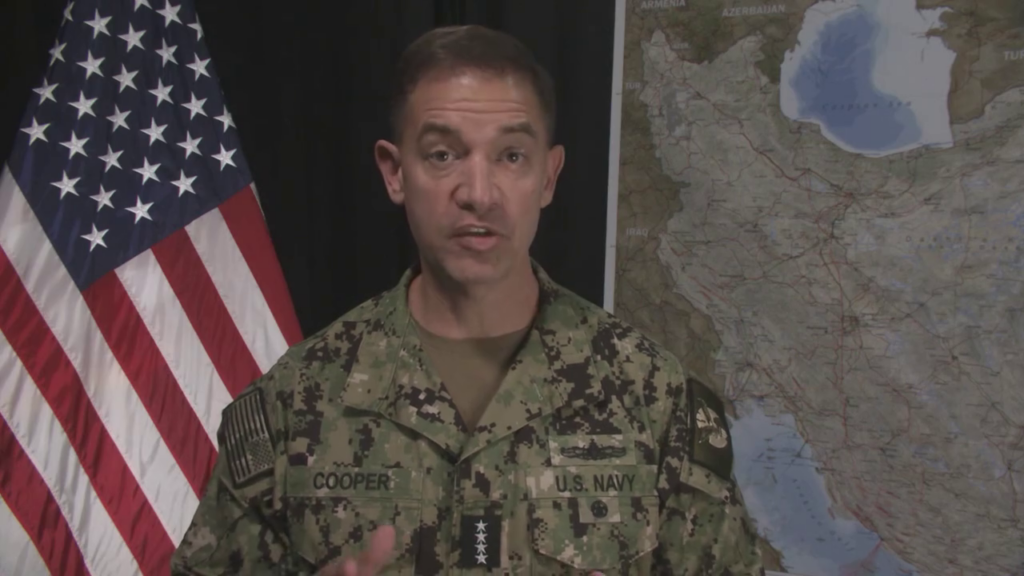
Cooper acknowledged that the Iranian response has been significant but insisted the balance of the conflict is shifting in favor of U.S. and allied forces.
“We are seeing Iran’s ability to hit us and our partners declining while our combat power continues to grow,” he said.
The CENTCOM commander emphasized that the joint U.S.–Israel military campaign is continuing with round-the-clock operations aimed at eliminating Iran’s remaining missile launch capabilities.
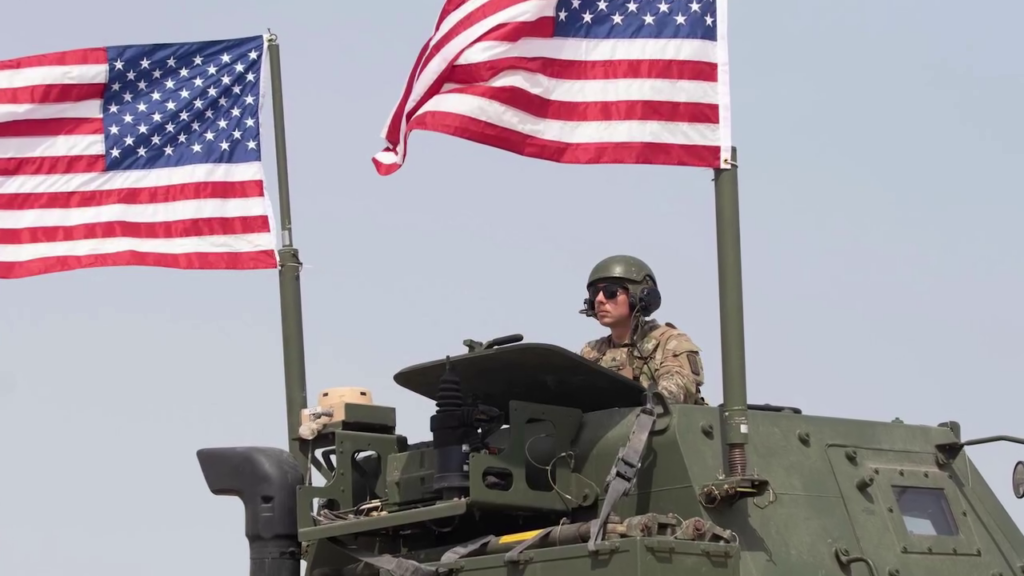
“Our military objectives are crystal clear,” Cooper said. “And we will continue to pursue Iran’s remaining mobile launchers until the threat is eliminated.”
Analysts warn that the confrontation, already marked by thousands of missile launches and airstrikes, could escalate further if diplomatic efforts fail to contain the rapidly widening conflict.
Follow The Liberian Post on Facebook and X (formerly twitter)