-Ngafuan Leads Push for Energy Transformation at Mount Coffee
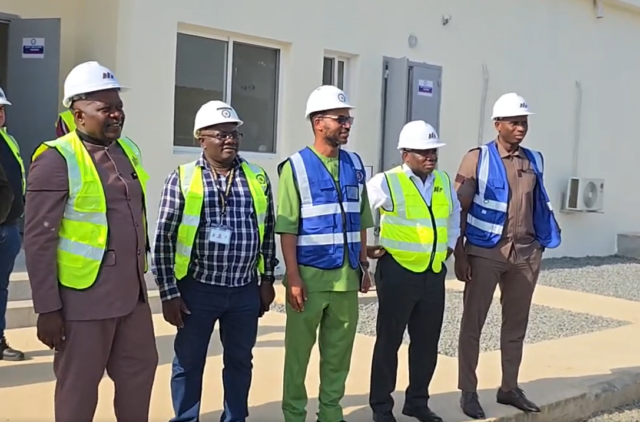
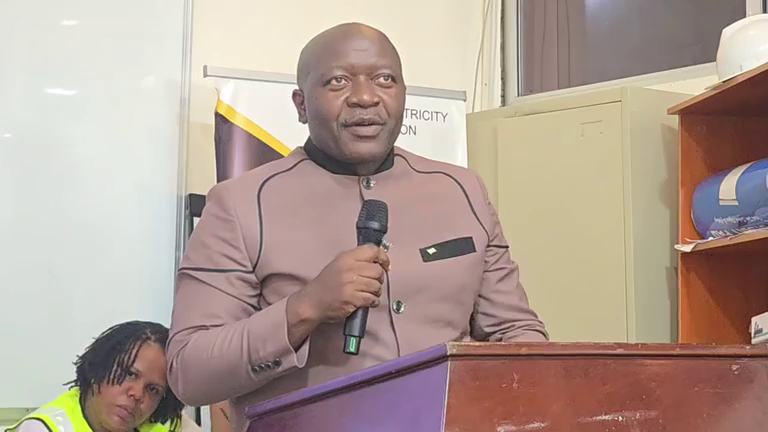
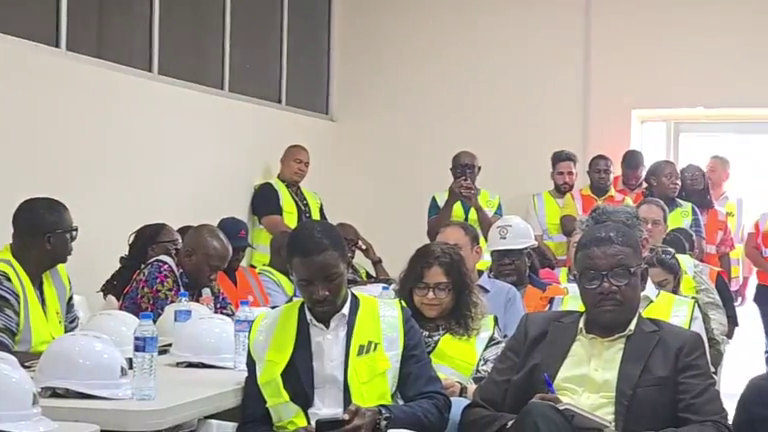
WHITE PLAINS, Montserrado County — Finance and Development Planning Minister Augustine Kpehe Ngafuan has declared that expanding electricity access is central to Liberia’s economic transformation, describing energy as the “engine of the private sector” during a high-level program preceding the tour of the 20-megawatt solar farm at the Mount Coffee Hydropower Plant.
Speaking at the event attended by World Bank Managing Director and Chief Knowledge Officer, Paschal Donohoe, government officials, and development partners, Ngafuan underscored the critical role of energy in unlocking growth, job creation, and national development.
“If we must power the private sector, we must give power,” Ngafuan said, stressing that addressing Liberia’s electricity deficit is key to solving broader economic challenges.
From Groundbreaking to Results
Reflecting on the project’s progress, Ngafuan noted that the solar farm—initially launched in October 2024—has rapidly moved from concept to near-completion, signaling a shift from planning to delivery.
“It is good to break ground, but it is better to commission,” he said, pointing to the project as evidence that government strategies are being translated into tangible outcomes.
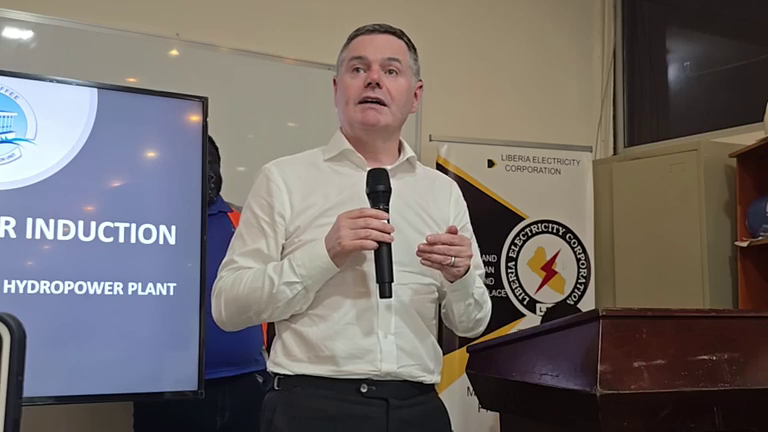
He emphasized that Liberia, long constrained by limited energy access, is now making measurable progress, with national electricity access rising from about 33 percent to approximately 38 percent, as the country works toward an ambitious 75 percent target by 2030.
Energy at the Core of Development
Ngafuan framed energy as the backbone of Liberia’s development agenda, arguing that without reliable electricity, efforts to stimulate private sector growth and employment would remain limited.
“Other interventions will be peripheral if we do not address the key constraint—power,” he said, highlighting energy as a foundational driver of economic expansion.
He also stressed the urgency of progress, noting that Liberia is in a “catch-up” phase after years of infrastructure deficits.
“We must sprint,” he added, signaling the administration’s commitment to accelerating development efforts.
World Bank Reaffirms Support
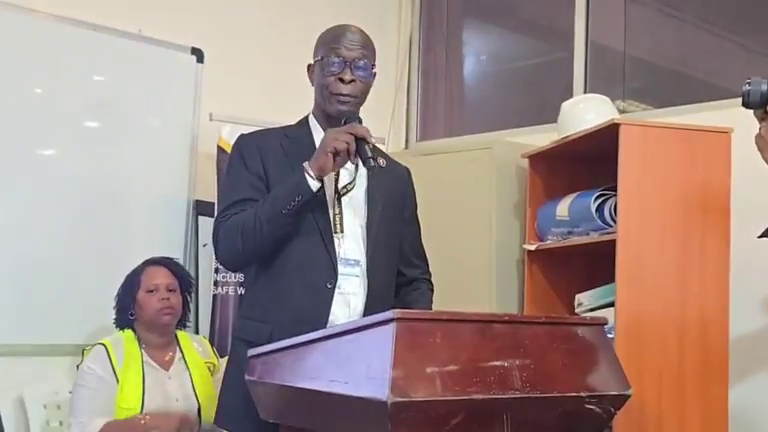
World Bank Managing Director Paschal Donohoe praised the Mount Coffee solar project as a model of effective partnership and a critical investment in Liberia’s future.
He noted that the World Bank’s engagement is focused on three key areas: infrastructure development, mobilizing private capital, and strengthening institutional capacity.
“There are few investments that can have a more powerful impact on growth and job creation than energy,” Donohoe said, describing the project as a “leading example” of how strategic investments can transform economies.
A Broader Energy Strategy
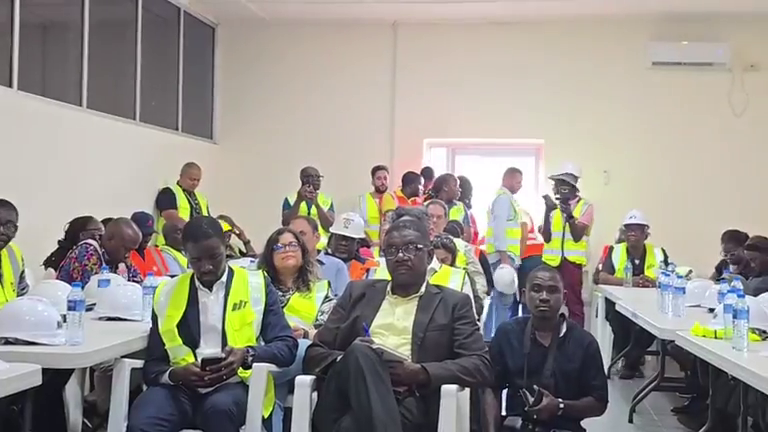
Earlier, Liberia Electricity Corporation (LEC) officials outlined the government’s broader energy roadmap, which includes expanding generation capacity, improving transmission networks, and integrating renewable energy sources.
Deputy Managing Director Thomas Gonkerwon highlighted that the solar project is part of a wider effort to build a resilient and diversified energy system, capable of addressing seasonal fluctuations in hydropower generation.
“The integration of solar energy enhances reliability, especially during the dry season,” he noted.
Partnership Driving Progress
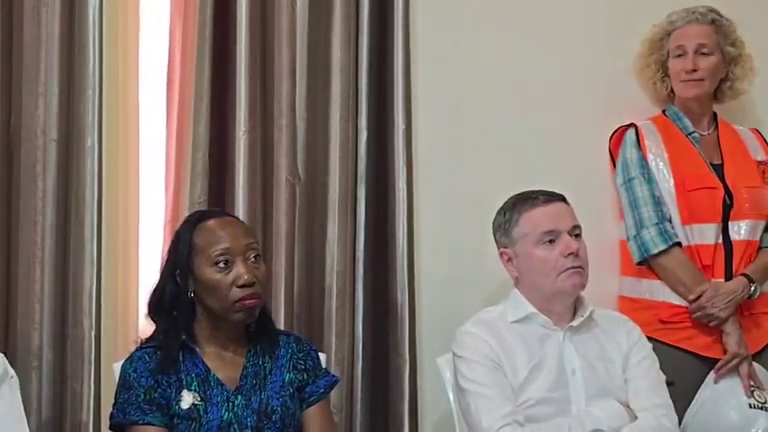
Officials repeatedly emphasized the importance of partnerships in advancing Liberia’s energy goals, with support from the World Bank, African Development Bank, and other development partners playing a crucial role.
Ngafuan acknowledged these collaborations, noting that Liberia is actively coordinating with multiple partners, including the Millennium Challenge Corporation, to scale up investments in the sector.
“This is about synergy—ensuring that all efforts are aligned to deliver results faster,” he said.
A Turning Point for Liberia’s Energy Sector
The Mount Coffee solar project represents a significant step in Liberia’s transition toward cleaner and more sustainable energy, complementing hydropower generation and reducing reliance on expensive thermal sources.
For Ngafuan, however, the project carries a broader meaning.
“This is not just about infrastructure,” he said. “It is about powering people, powering businesses, and powering the future of Liberia.”
As the delegation proceeded to tour the solar facility, the message was unmistakable: Liberia’s energy transformation is no longer a vision—it is underway.
Follow The Liberian Post on Facebook and X (formerly twitter).