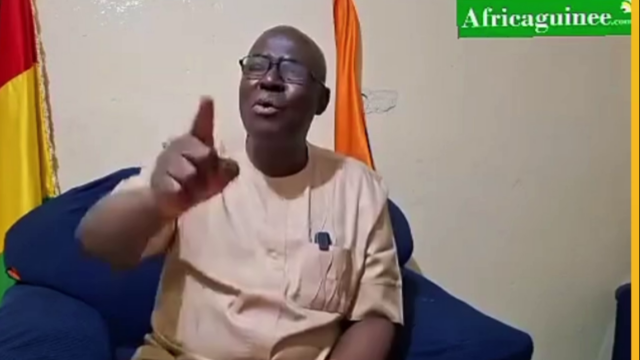
MONROVIA/CONAKRY — Prominent Guinean academic and public figure Dr. Faya Lansana Millimouno has called on the governments of Liberia and Guinea to avoid deploying military forces over what he described as “minor border incidents,” urging instead a diplomatic and community-driven approach to resolving tensions.
In a statement originally delivered in French and later translated into English, Dr. Millimouno emphasized that the situation along the Liberia–Guinea border does not warrant militarization and should be handled with restraint.
“It’s about prioritizing peace. It’s not about sending an incident right away… It’s not a war,” he said.
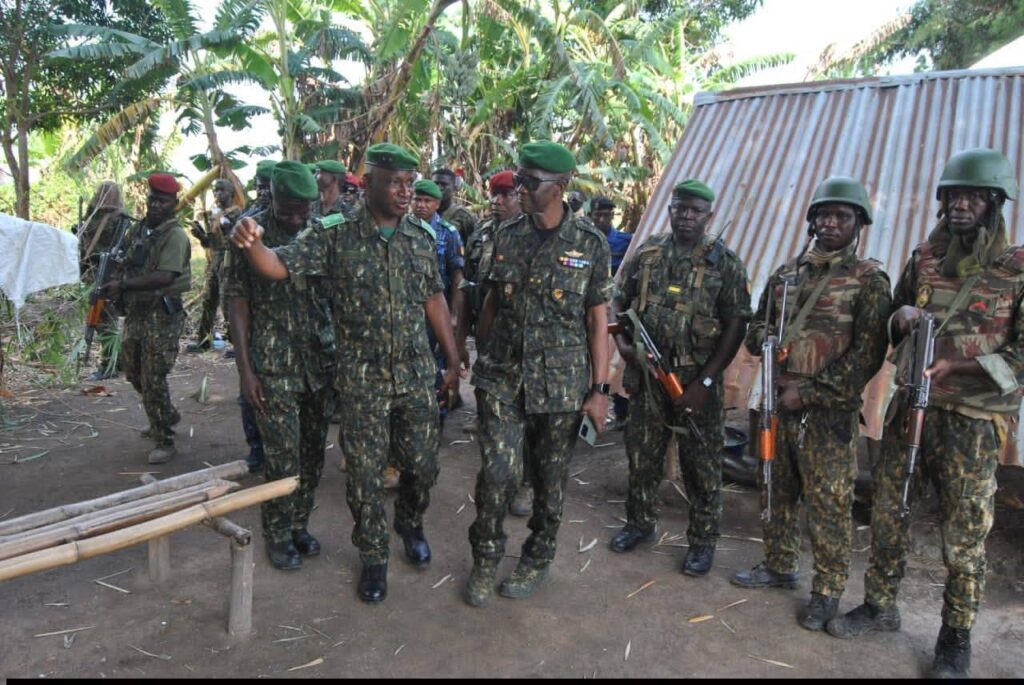
Warning Against Militarization
Dr. Millimouno cautioned that the deployment of military forces in response to localized disputes risks escalating tensions unnecessarily.
“When we send the military, the military is trained to fight a war—it’s not trained to maintain order,” he noted, warning that such actions could cause situations to “degenerate” beyond control.
He argued that repeated reliance on armed responses to small incidents could undermine coordination efforts and heighten mistrust between border communities.
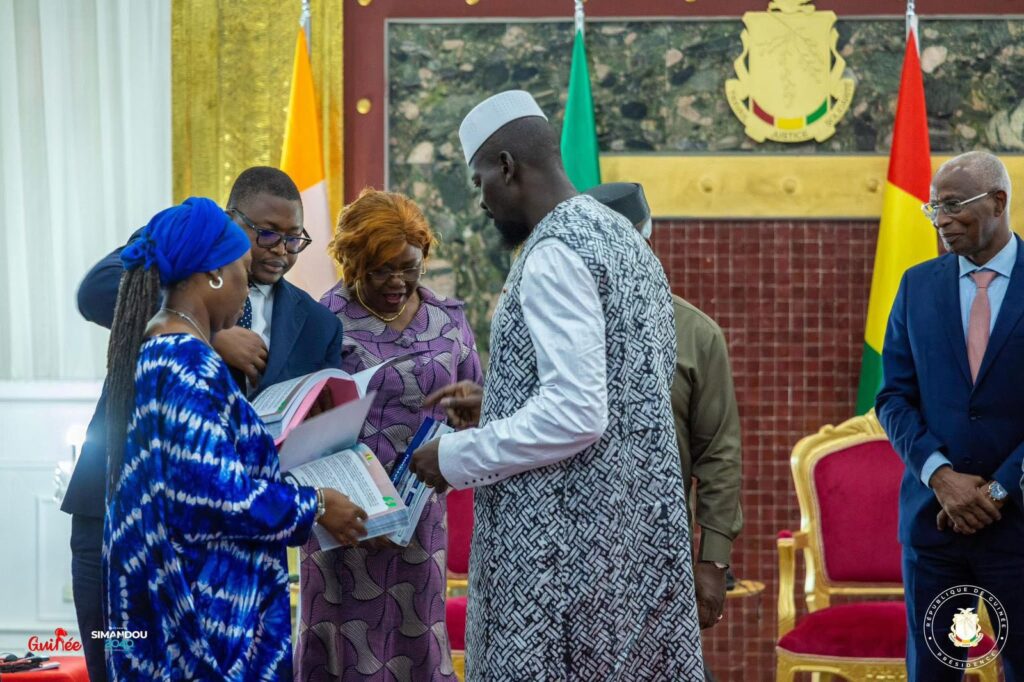
Call for Civil and Community-Based Solutions
Instead of military intervention, the Guinean scholar advocated for civilian-led engagement and coordination mechanisms, including the involvement of local authorities and border residents who share longstanding ties.
He stressed that both Liberia and Guinea should empower local structures to manage disputes, noting that many border issues stem from everyday activities such as land use and resource access.
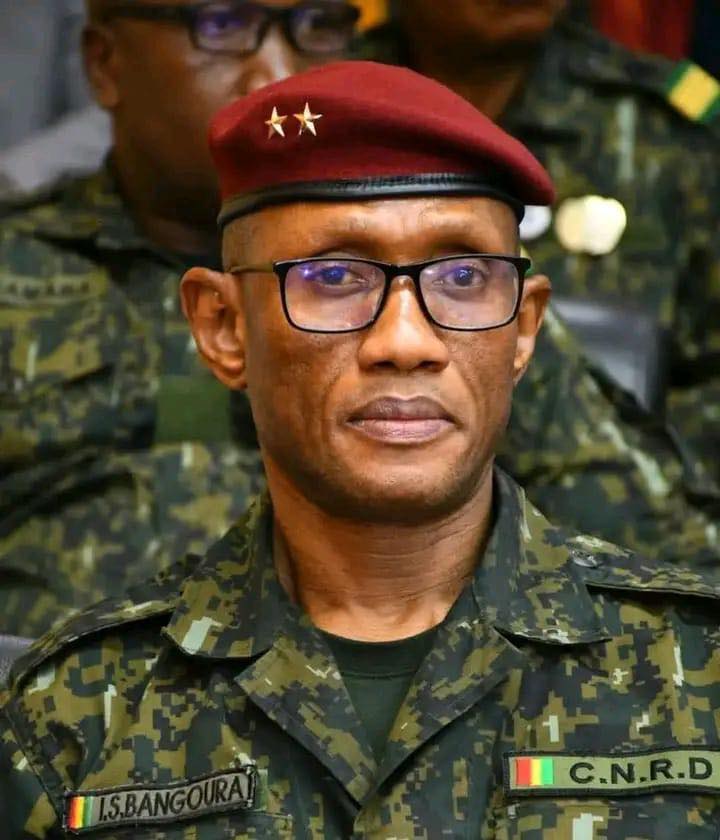
Appeal to Leadership in Conakry
Dr. Millimouno also revealed that he has reached out to individuals close to Guinean President Mamady Doumbouya, urging restraint and a shift toward peaceful engagement.
His intervention comes amid growing regional attention on the situation along the Makona River area, where recent developments have sparked concern among citizens and policymakers in both countries.
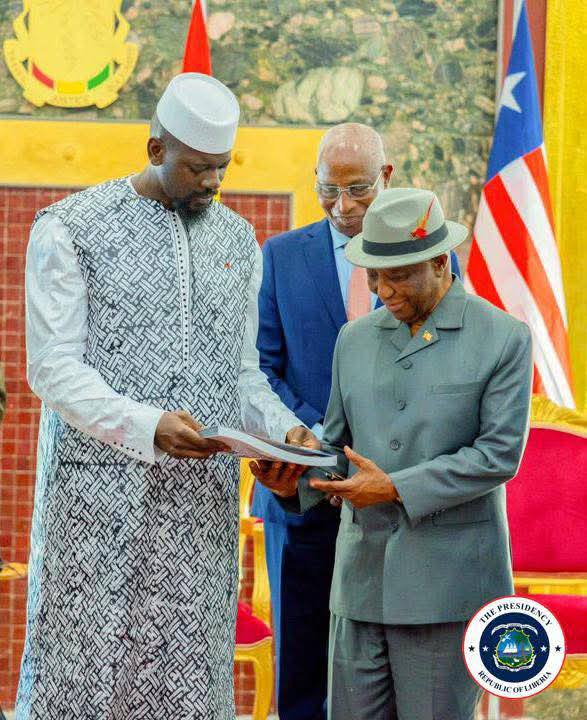
Reinforcing Diplomatic Efforts
The statement aligns with ongoing diplomatic efforts by Liberian authorities, who have consistently emphasized dialogue and regional cooperation as the primary means of resolving the dispute.
Observers say voices like Dr. Millimouno’s reflect a broader sentiment within the Mano River region—one that prioritizes peaceful coexistence, shared history, and mutual economic interests over confrontation.
A Call for Calm
As tensions persist, the Guinean figure’s message underscores a critical point: not every border incident requires a military response.
Instead, he argues, sustainable peace lies in diplomacy, communication, and the active involvement of communities that have long lived side by side across national boundaries.
Follow The Liberian Post on Facebook and X (formerly twitter).