ISLAMABAD, Pakistan — High-stakes peace talks between the United States and Iran, held over the weekend in Pakistan’s capital, have captured global attention but ultimately ended without a final agreement, underscoring the deep mistrust between the two longtime adversaries.
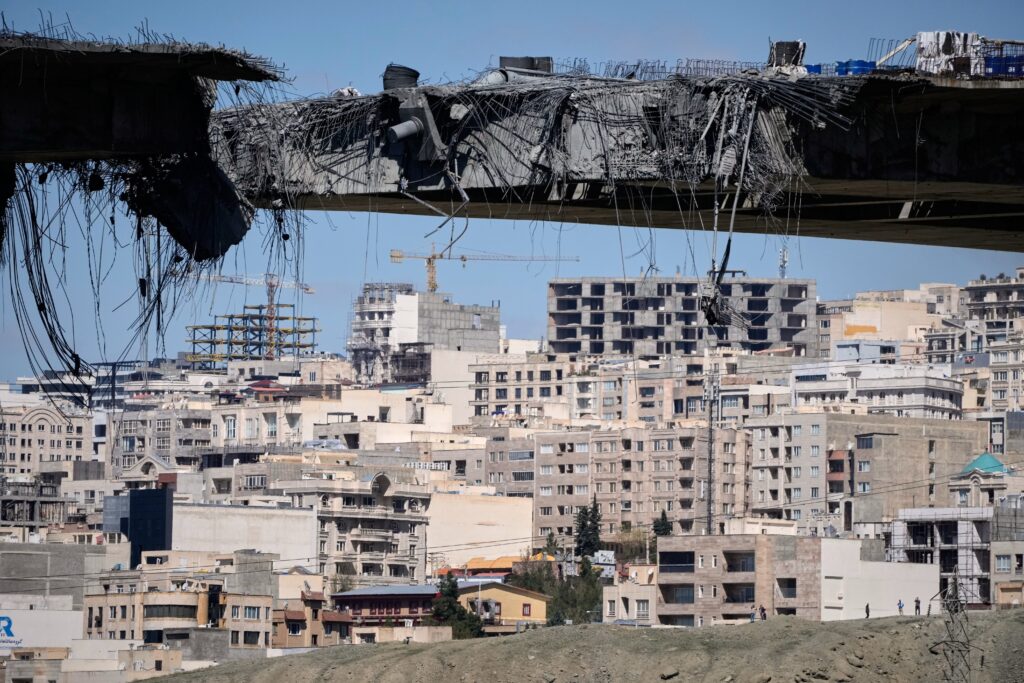
The negotiations—widely referred to as the “Islamabad Talks”—marked the first direct, high-level engagement between Washington and Tehran in decades, as both sides sought to stabilize a fragile ceasefire following weeks of intense conflict that has shaken the Middle East and disrupted global energy markets.
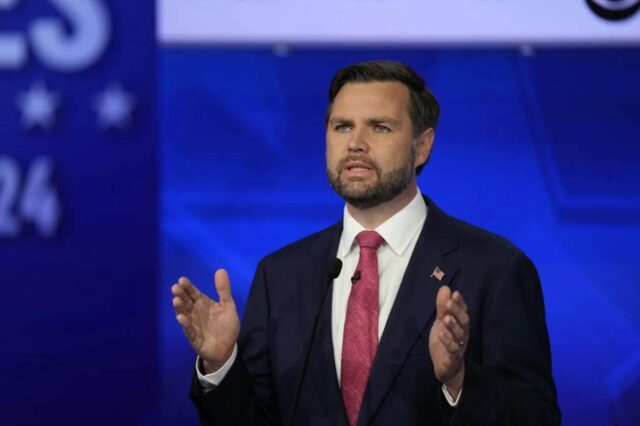
The United States delegation was led by Vice President JD Vance, alongside senior officials including Special Envoy Steve Witkoff and former adviser Jared Kushner. Iran’s team was headed by Parliament Speaker Mohammad Bagher Ghalibaf and Foreign Minister Abbas Araghchi.
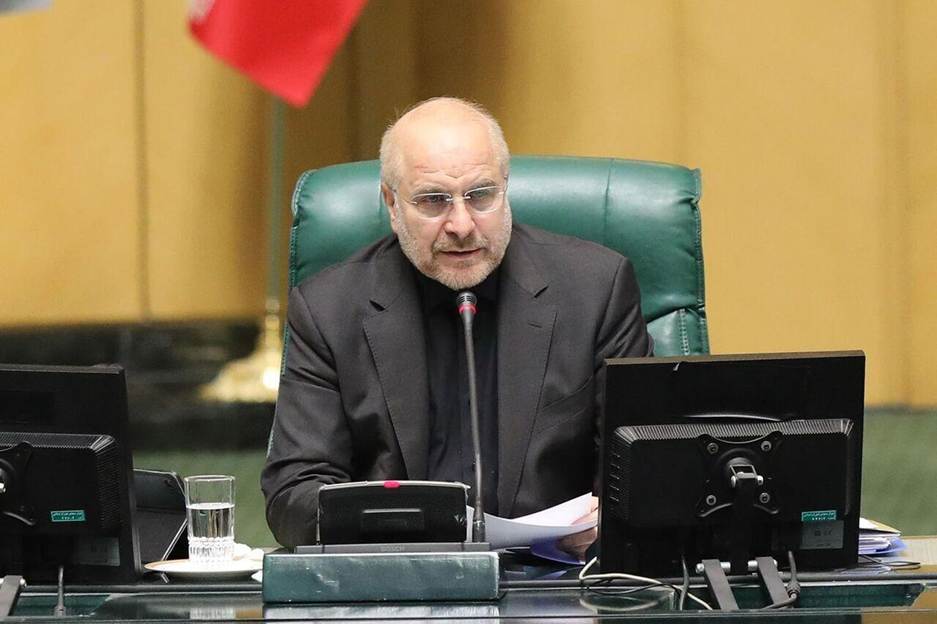
Pakistan, led by Prime Minister Shehbaz Sharif and supported by Army Chief Asim Munir, played a central mediating role, having earlier helped broker a temporary ceasefire between the two sides.
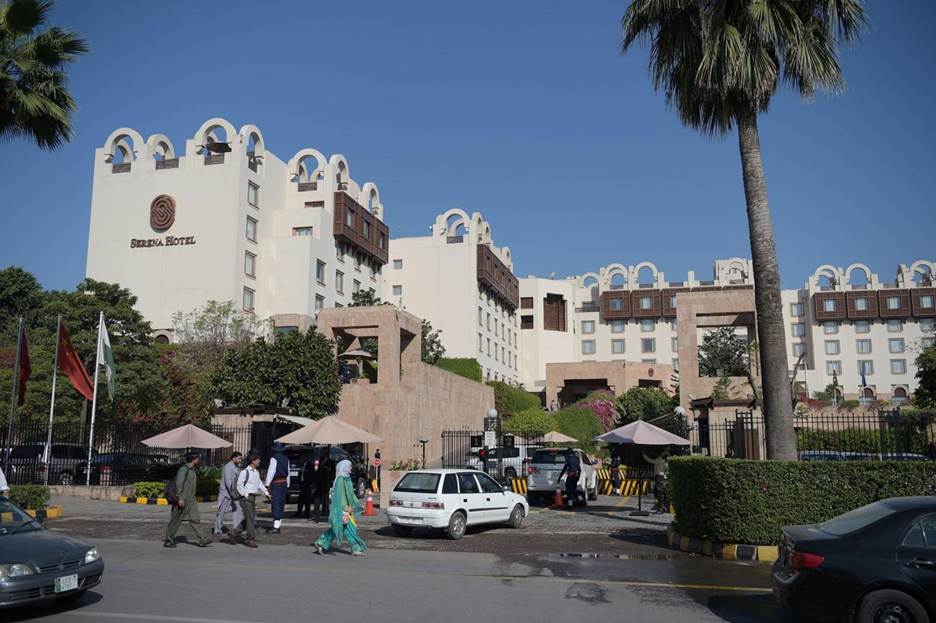
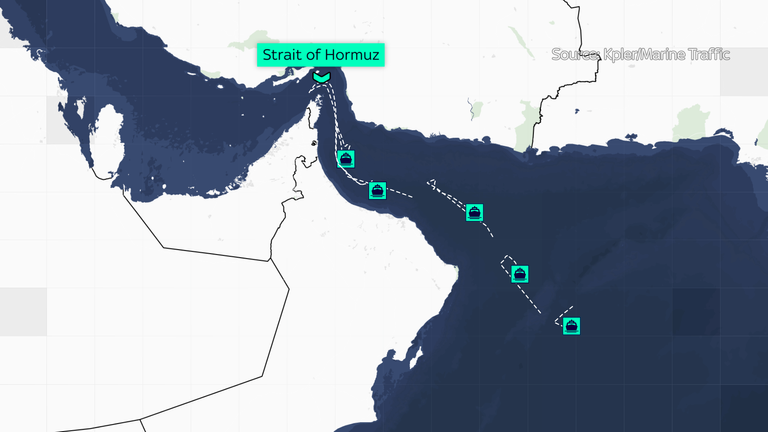
Talks took place at the heavily secured Serena Hotel in Islamabad and lasted more than 20 hours. Discussions focused on key contentious issues, including Iran’s nuclear program, control and security of the Strait of Hormuz, regional conflicts—particularly in Lebanon—and the release of frozen Iranian assets.
Despite early indications of “constructive” engagement, negotiations quickly ran into major obstacles. The United States pushed for limits on Iran’s nuclear ambitions and guarantees for free global oil transit, while Iran demanded sanctions relief, reparations, and a broader regional ceasefire.
After marathon discussions, both sides failed to reach consensus. U.S. officials cited Iran’s unwillingness to compromise on nuclear issues, while Iranian representatives accused Washington of making excessive demands.
Although no agreement was reached, analysts say the talks remain significant. They represent a rare diplomatic opening and a potential foundation for future negotiations, even as tensions persist.
For now, the fragile ceasefire hangs in the balance, and the world watches closely to see whether diplomacy will prevail—or whether the conflict will escalate once again.
Follow The Liberian Post on Facebook and X (formerly twitter)