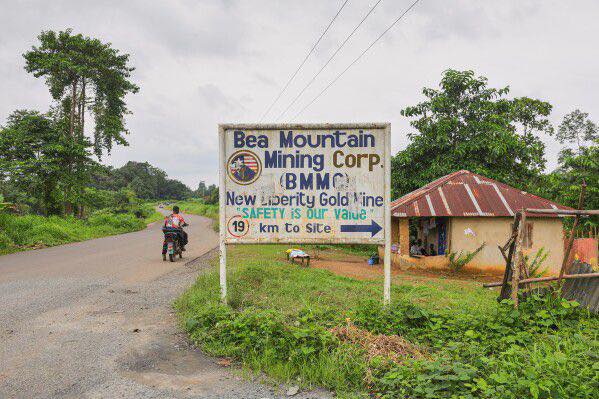
Liberia stands at a critical crossroads in its natural resource management. The revelations surrounding gold production at Bea Mountain Mining Corporation are not just about numbers—they are about missed opportunity, structural imbalance, and the urgent need for economic transformation.
At the heart of the issue lies a simple but profound question: Why does Liberia export raw gold instead of refining it locally?

Gold refining is where real value is created. When raw gold leaves Liberia, the country forfeits significant economic benefits—jobs, industrial growth, technical expertise, and downstream revenue streams. What remains is a narrow tax base that captures only a fraction of the resource’s true worth.
If Liberia were to establish a national gold refinery, the implications would be transformative.
First, value addition would dramatically increase national revenue. Refined gold commands higher market value, and controlling that stage of the supply chain would allow Liberia to capture a larger share of profits.
Second, it would create jobs—thousands of them. From engineers and metallurgists to technicians and administrative staff, a refining industry would stimulate employment across multiple sectors.

Third, it would strengthen economic sovereignty. Currently, Liberia depends heavily on foreign companies not only for extraction but also for valuation and reporting. Refining gold domestically would introduce greater transparency and reduce the risk of underreporting or revenue leakage.
Fourth, it would enable the country to build strategic reserves. A policy requiring a portion of refined gold to be retained in national reserves would enhance financial stability and provide a hedge against economic shocks.

Critically, local refining would also stimulate broader industrialization. It could serve as a foundation for developing related industries, including jewelry manufacturing and mineral processing, thereby diversifying the economy beyond raw exports.
The argument is not against foreign investment—far from it. Liberia needs investment. But investment must be structured in a way that prioritizes national development.
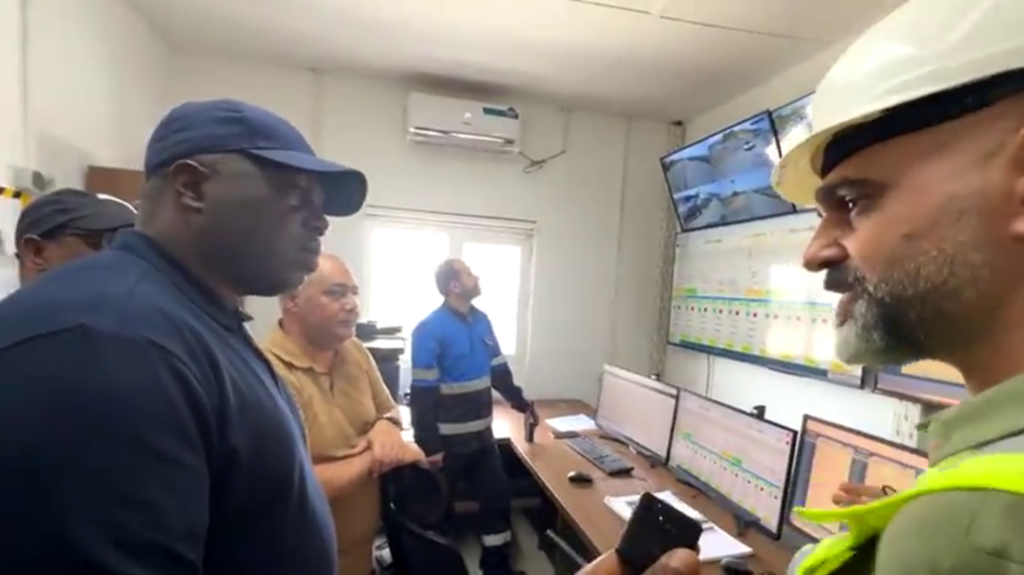
A reimagined model—one that includes government equity participation, independent production monitoring, and mandatory local refining—would strike a better balance between investor returns and national interest.
The time for incremental adjustments has passed. What Liberia needs now is bold, strategic reform.
If the country continues exporting its wealth in raw form, it risks repeating a familiar pattern: resource abundance alongside persistent poverty.
But with decisive leadership and forward-thinking policy, Liberia can turn its gold into more than just revenue—it can become a catalyst for national transformation.
Follow The Liberian Post on Facebook and X (formerly twitter)