
Liberia’s debate over printing additional banknotes is both understandable and necessary. In a country where past currency exercises have generated controversy, skepticism is not only expected—it is healthy. But it is equally important to separate economic reality from public fear.
At its core, the decision by the Central Bank of Liberia to print new banknotes is not extraordinary. It is, in fact, a routine function of any central bank.
Currencies wear out. Economies grow. Populations expand. These realities demand periodic replenishment of money supply—not reckless expansion, but measured adjustment.

Liberia’s case is even more compelling. The country remains largely cash-based, particularly outside urban centers. Banknotes are handled frequently, exposed to harsh environmental conditions, and often poorly maintained. The result is predictable: rapid deterioration.
A currency that is torn, defaced, or illegible is more than an inconvenience—it is a threat to economic efficiency and public confidence.
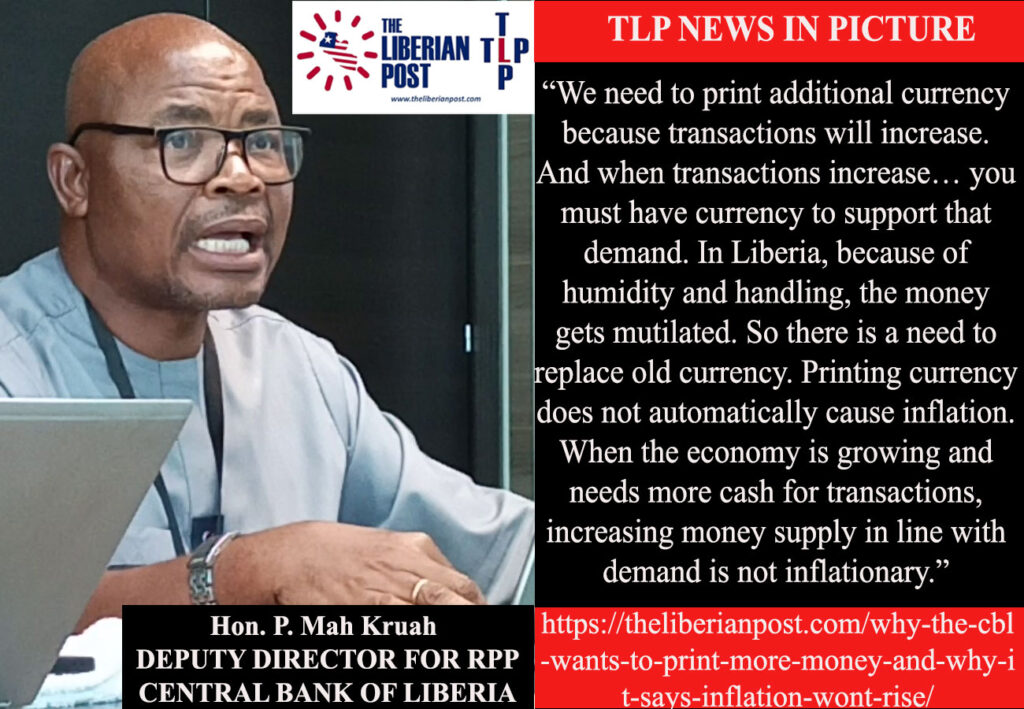
The Central Bank’s argument, therefore, is technically sound: replacing mutilated banknotes and aligning money supply with economic growth does not inherently cause inflation. Inflation arises when money supply outpaces production—not when it keeps pace with it.
However, being right economically is not enough.
The real issue is trust.
Liberians must be confident that:
- The amount printed is justified
- The process is transparent
- The safeguards are real—not theoretical
This is where the Central Bank must go beyond technical explanations and embrace radical transparency.
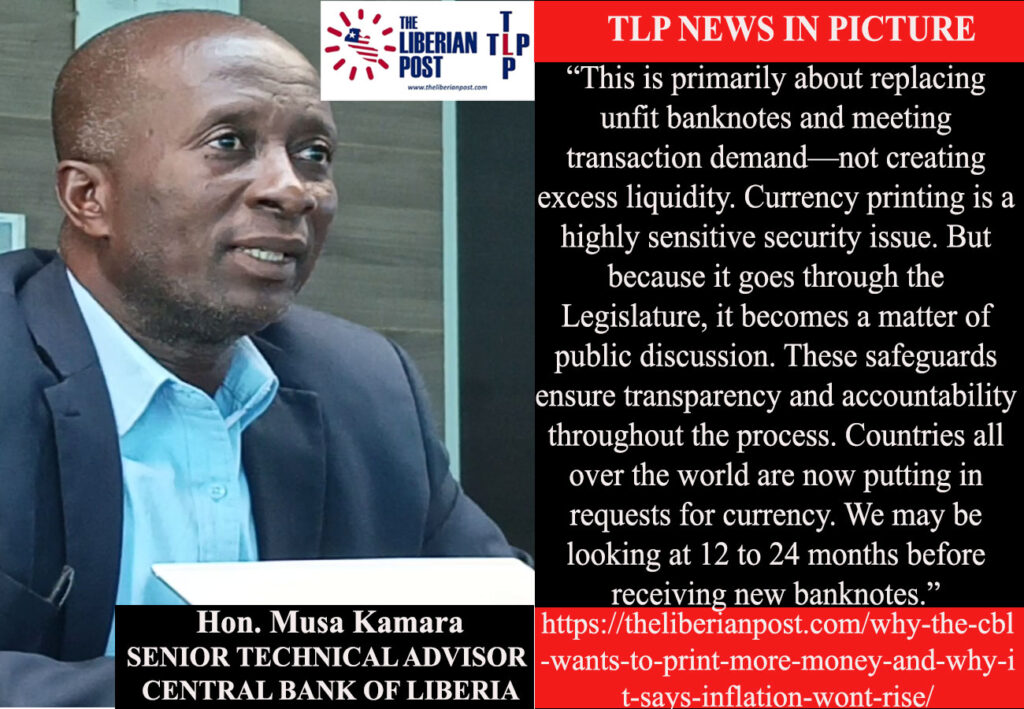
The decision to openly engage the media, explain the rationale, and outline safeguards is a step in the right direction. But it must not end there. Continuous public communication, independent audits, and legislative oversight must be visible—not hidden in reports.
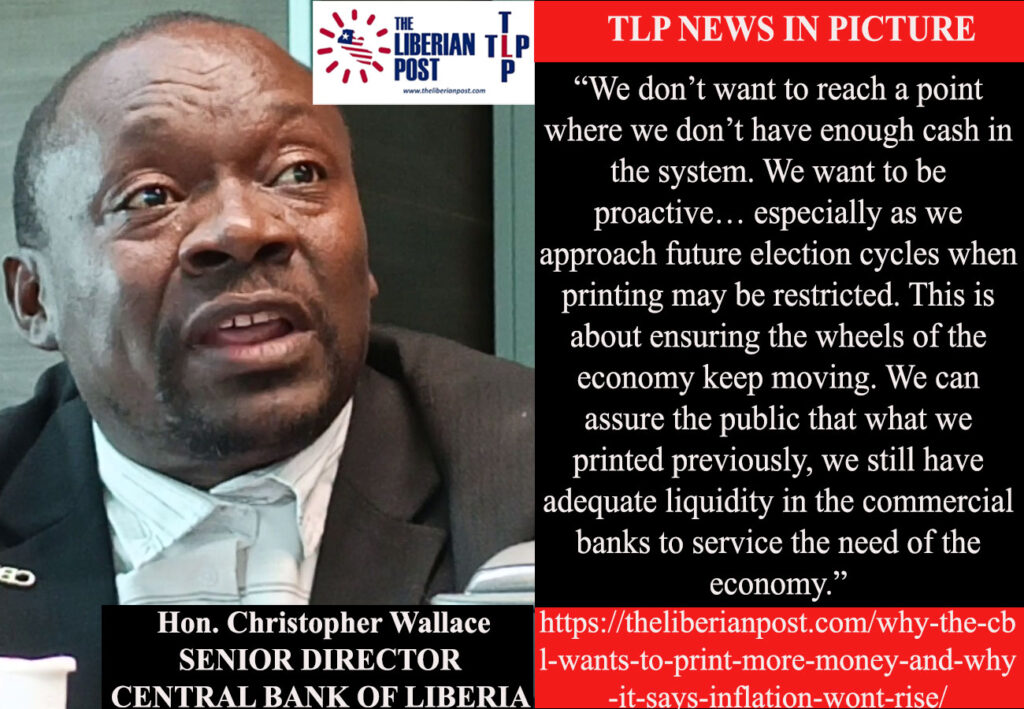
At the same time, the public must also recognize a critical truth: refusing to print new currency when needed carries its own risks. A shortage of cash can disrupt markets, slow economic activity, and undermine confidence just as much as excessive printing can.
In short, the question is not whether Liberia should print new banknotes.
The question is whether it can do so responsibly, transparently, and in line with economic fundamentals.
If the Central Bank of Liberia succeeds, this exercise could restore confidence in Liberia’s monetary management.
If it fails, it risks reinforcing the very distrust it seeks to overcome.
The path forward is clear: print what is necessary—but prove it every step of the way.
Follow The Liberian Post on Facebook and X (formerly twitter)