



National Outrage Grows Over Bea Mountain Deal as Liberians Demand Fair Share of Billions in Gold Revenue
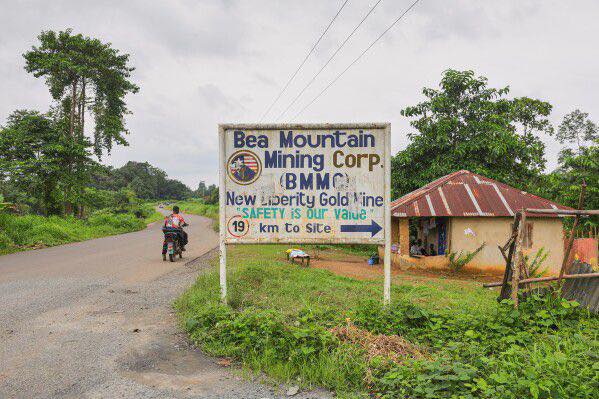
MONROVIA — A wave of public criticism is sweeping across Liberia as citizens, lawmakers, and government officials intensify calls for a comprehensive review of the concession agreement with Bea Mountain Mining Corporation (BMMC), amid growing concerns that the country is not receiving a fair share of its gold wealth.
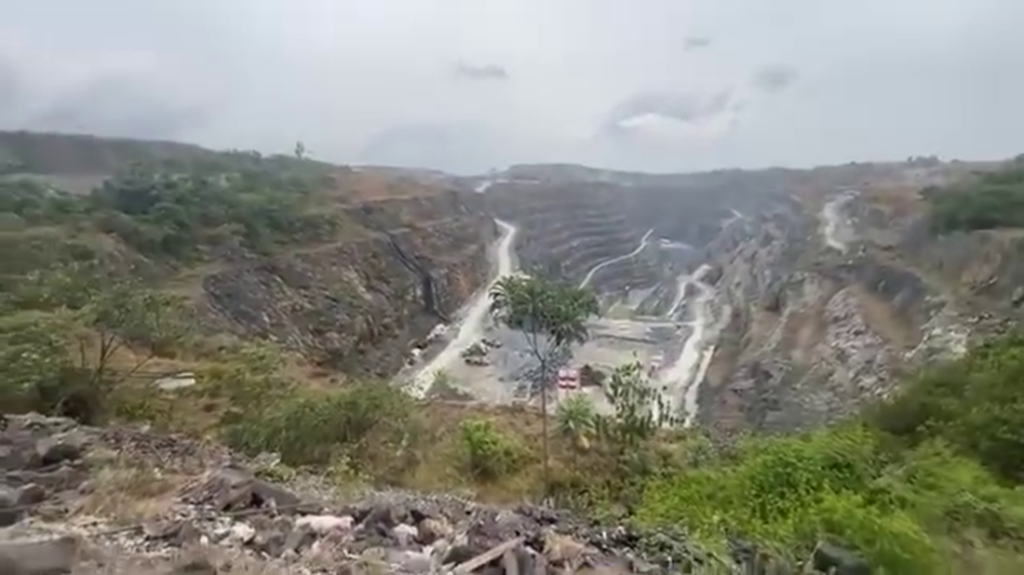
The debate follows recent disclosures indicating that the company generates billions of dollars annually from gold production, while government revenues from the operation remain comparatively minimal. These revelations have triggered widespread outrage, particularly on social media, where many Liberians are questioning the equity and transparency of the agreement.

Prominent voices across the political spectrum have joined the conversation, highlighting systemic concerns ranging from job exclusion to weak regulatory oversight.
Senator Abraham Darius Dillon criticized the company’s employment practices, alleging that many skilled positions are being filled by foreign nationals instead of qualified Liberians. He attributed this to the government’s issuance of work permits, which he said undermines local job creation.
“We must summon the courage and political will to fix these issues for our country and people,” Dillon urged, calling for decisive action to prioritize Liberian workers.
Adding to the calls for reform, Mohammed Ali stressed that the concession agreement must be reviewed and renegotiated to reflect national interests.

“The idea of sanctity of contract cannot be used as a shield when a contract is harming the very people it should benefit,” he stated, urging both the Legislature and the Executive to act.
Senator Nathaniel McGill also weighed in, calling for greater transparency regarding the company’s revenue and tax contributions. He emphasized that Liberians deserve clarity on how much the government is actually earning from the country’s natural resources.

In the House of Representatives, Sumo Mulbah proposed sweeping reforms aimed at restructuring Liberia’s mineral governance framework. His recommendations include the establishment of a national mineral scaling and certification center, as well as the introduction of export taxes designed to discourage the export of raw minerals and promote local value addition.
“These measures will ensure Liberia moves from being a mere exporter of raw materials to a participant in the global value chain,” Mulbah noted.
Concerns have also been raised about the company’s limited integration into the domestic economy. Former Commerce Minister Amin Modad disclosed that a significant portion of BMMC’s consumables—including basic goods—were imported rather than sourced locally. He said efforts during his tenure to enforce local procurement policies yielded measurable improvements for Liberian businesses.

At the grassroots level, frustration continues to grow, particularly in affected communities such as Grand Cape Mount County, where residents say living conditions remain largely unchanged despite the scale of mining activities.
However, the debate has not been without controversy. Journalist Charles B. Yates sharply criticized Senator McGill’s involvement in the discussion, alleging past associations with the company and questioning his credibility.

Despite differing perspectives, a clear consensus is emerging: Liberia must reassess how it manages its natural resources. Stakeholders are increasingly calling for policies that ensure transparency, promote local participation, and guarantee that the country’s mineral wealth delivers meaningful development outcomes.
As pressure mounts, the Bea Mountain issue is evolving into a defining national test—one that could reshape Liberia’s approach to resource governance for generations to come.
Follow The Liberian Post on Facebook and X (formerly twitter)






Hello there, You have done a great job. I’ll certainly digg it and personally suggest to my friends. I am confident they will be benefited from this website.
Comments are closed.