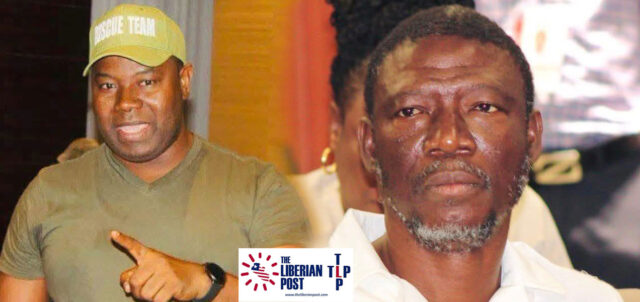
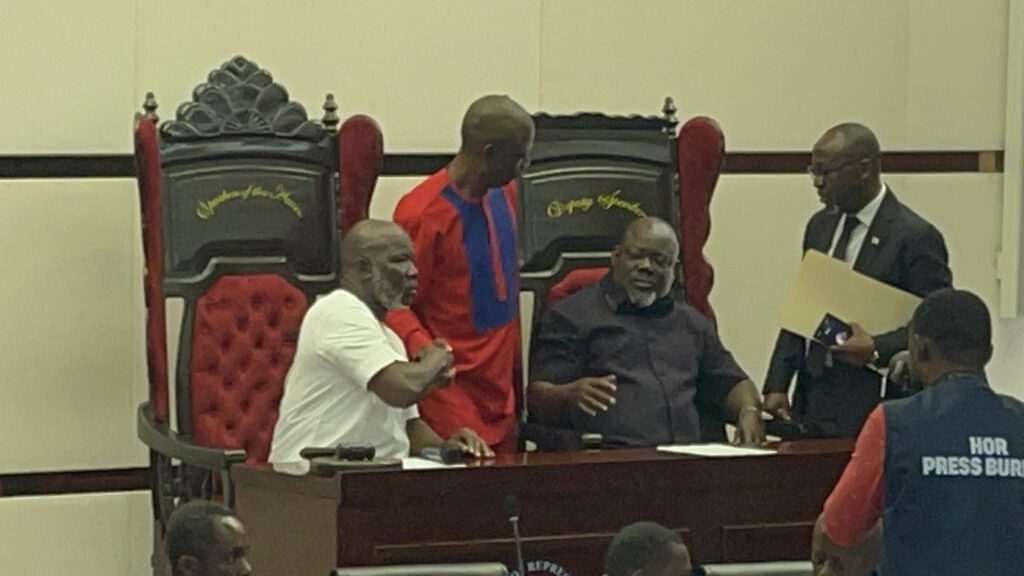
MONROVIA — The ruling Unity Party has publicly distanced itself from the expulsion of former Montserrado County District #10 Representative Yekeh Kolubah, as fresh details from a legislative committee report shed new light on the grounds that led to his dramatic removal from the House of Representatives.
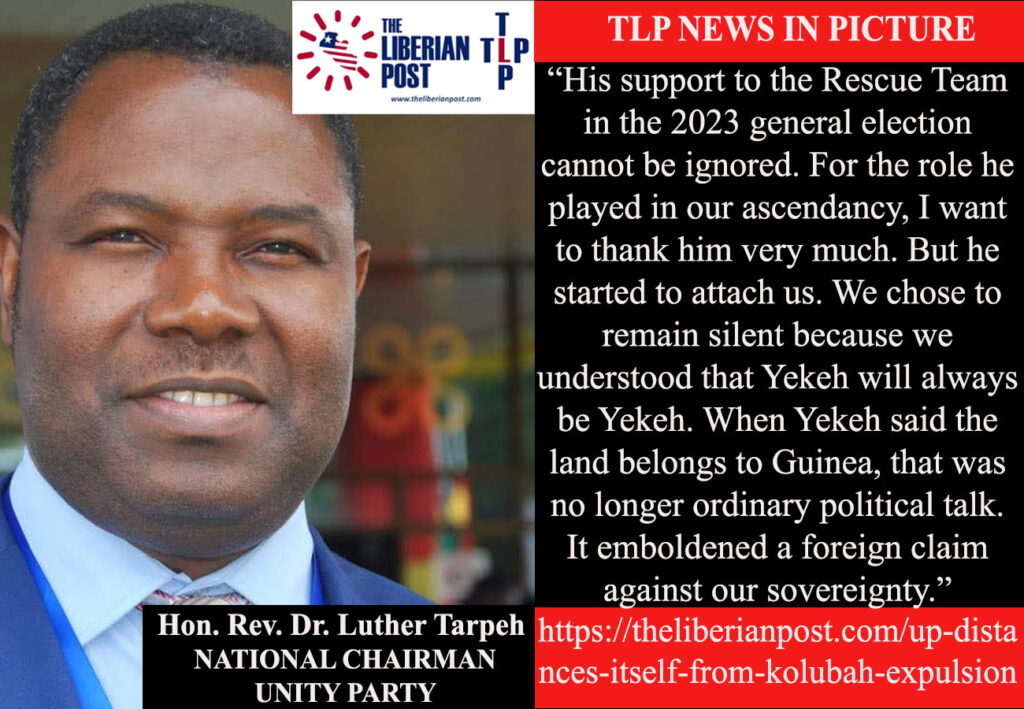
In a statement addressing growing public criticism, Unity Party Chairman Rev. Luther Tarpeh acknowledged Kolubah’s critical role in the party’s 2023 electoral victory, while emphasizing that his removal was the decision of his legislative colleagues—not the party.
“His support to the Rescue Team in the 2023 general election cannot be ignored,” Tarpeh said. “For the role he played in our ascendancy, I want to thank him very much.”
Kolubah was widely regarded as one of the most vocal figures during the campaign, using sharp rhetoric against the former Coalition for Democratic Change (CDC) government of ex-President George Weah, earning him strong grassroots appeal.
However, Tarpeh said tensions escalated after Kolubah began publicly criticizing the same government he helped bring to power.
“We chose to remain silent because we understood that Yekeh will always be Yekeh,” he noted.
Committee Report: Misconduct, Rule Violations, and National Security Concerns
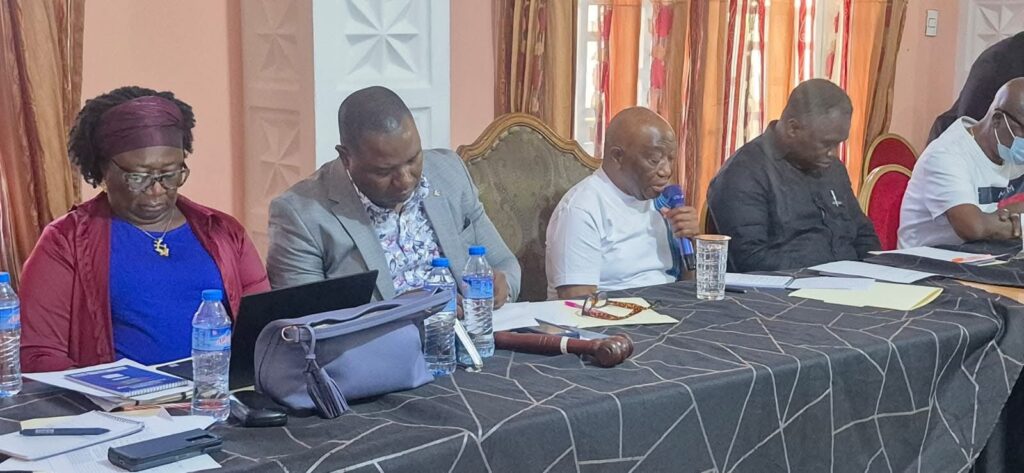
According to the report from the House Committee on Rules, Order and Administration, complaints were formally filed on April 9, 2026, by Montserrado County District #3 Representative Sumo K. Mulbah and the Inspector General of Police, citing gross misconduct, repeated violations of House rules, and actions that brought the Legislature into public disrepute.
The committee also flagged concerns relating to national security, public safety, and national stability, elevating the seriousness of the allegations.
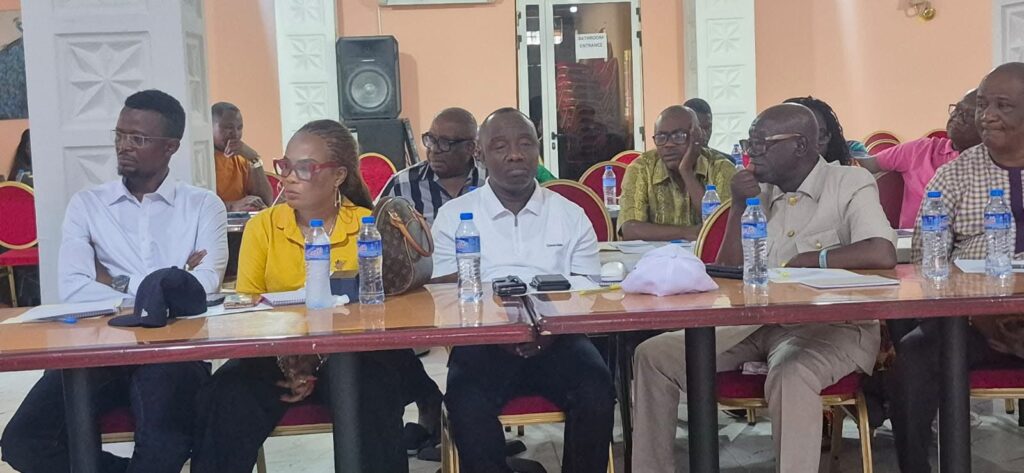
Kolubah was invited to appear before the committee but requested additional time to consult with his legal team. While the committee granted him limited extension, tensions escalated during the hearing when his lawyers insisted on speaking on his behalf—contrary to House procedure.
The request was denied.
This disagreement ultimately led to a dramatic walkout by Kolubah and his legal team during the proceedings, after which the committee continued the hearing in their absence.

The complainant subsequently presented evidence, which the committee reviewed and admitted into the official record.
Border Remarks: The Breaking Point
Chairman Tarpeh identified Kolubah’s controversial comments on the Liberia-Guinea border dispute as the tipping point.
“When Yekeh said the land belongs to Guinea, that was no longer ordinary political talk,” Tarpeh asserted. “It emboldened a foreign claim against our sovereignty.”
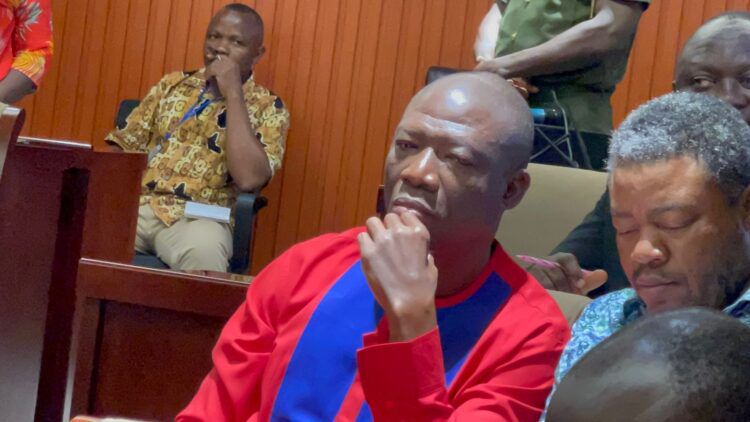
The committee report aligns with this view, recommending that Kolubah be handed over to the Ministry of Justice for possible prosecution based on statements deemed harmful to the Republic.
Legal Basis and Precedent
The committee grounded its recommendation in both constitutional and historical precedent.
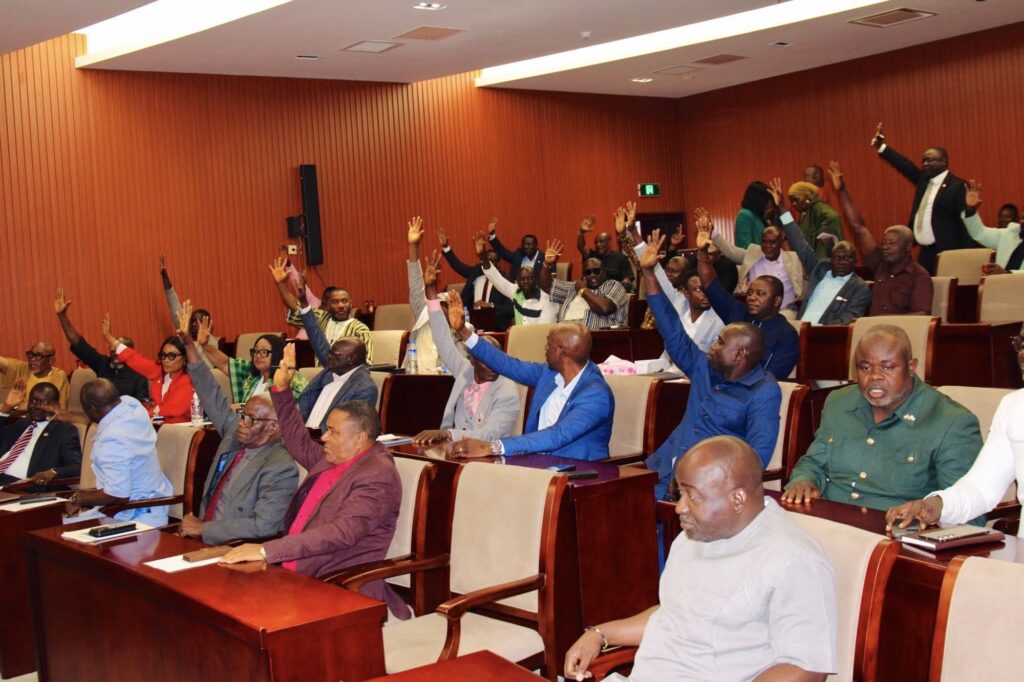
Citing Article 38 of the 1986 Constitution, the report affirmed that the House has the authority to expel a member with a two-thirds majority for cause.
It also referenced a 1998 case in which the Liberian Senate expelled Senator Sampson Bedell Fahn II for misconduct—establishing precedent for legislative discipline.
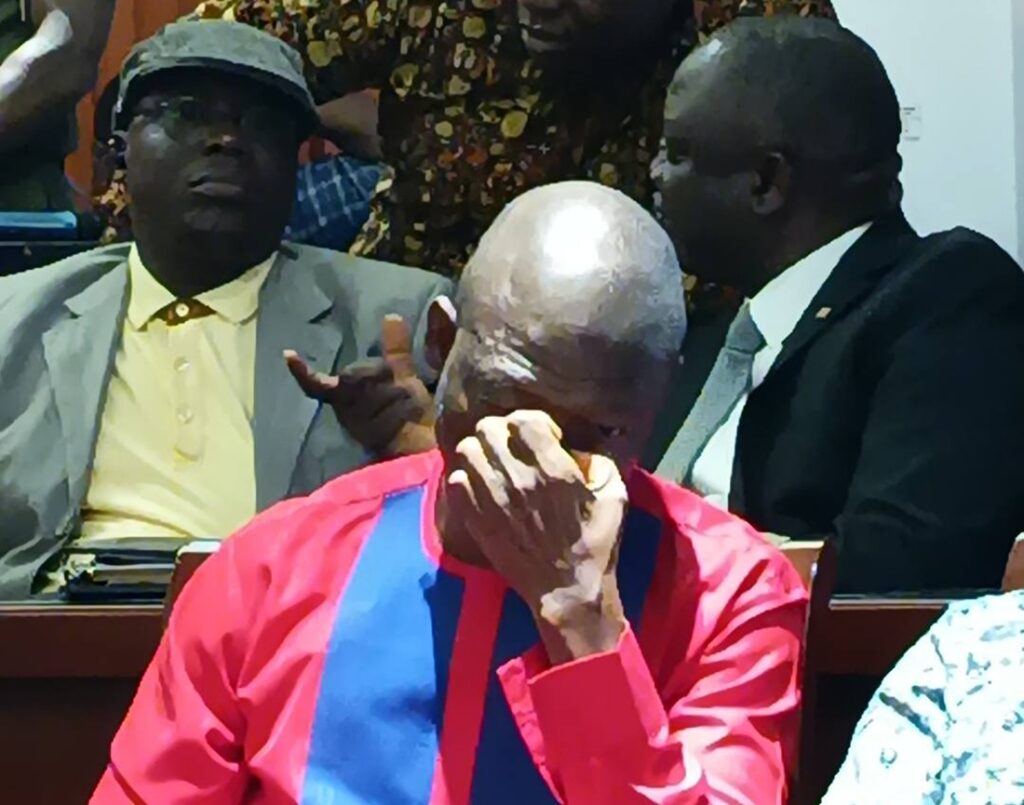
The committee concluded that Kolubah’s actions violated his oath of office and House rules requiring members to uphold the dignity and integrity of the Legislature.
Unity Party: “Not the Brain Behind It”
Despite the detailed findings, the Unity Party has rejected claims of political orchestration.
“Honorable Yekeh, please do not see the Unity Party as the brain behind your removal,” Tarpeh said, insisting the decision was based on Kolubah’s conduct and the judgment of his peers.
He warned that Kolubah’s style of politics—marked by confrontational rhetoric—posed risks during a sensitive national moment.
“Having such rhetoric in the legislature at a time of external provocation was a serious threat to our national existence,” he added.
Call for Higher Standards
Tarpeh also used the moment to call for reforms in Liberia’s legislative system, including raising educational and professional standards for public office.
“This situation shows the need to raise the benchmark for those who serve in the legislature,” he said.
What Lies Ahead
Kolubah has rejected the decision and is expected to challenge his expulsion in court, setting the stage for a legal battle that could test the limits of legislative authority and due process in Liberia.
Meanwhile, the case continues to dominate national discourse, with many viewing it as a defining moment for accountability, free speech, and the rule of law.
As the dust settles, one thing is clear: the expulsion of Yekeh Kolubah is not just a political event—it is a precedent-setting moment that could reshape Liberia’s legislative landscape for years to come.
Follow The Liberian Post on Facebook and X (formerly twitter)