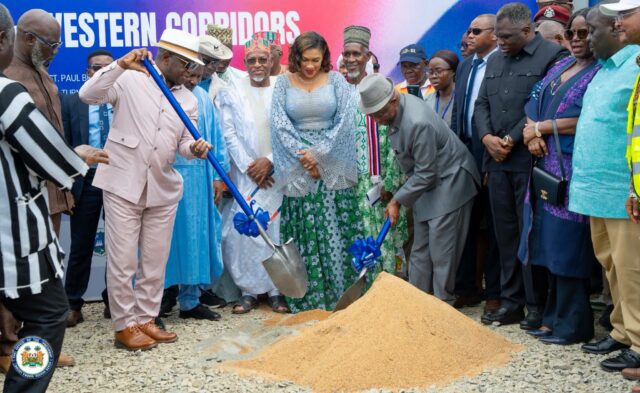
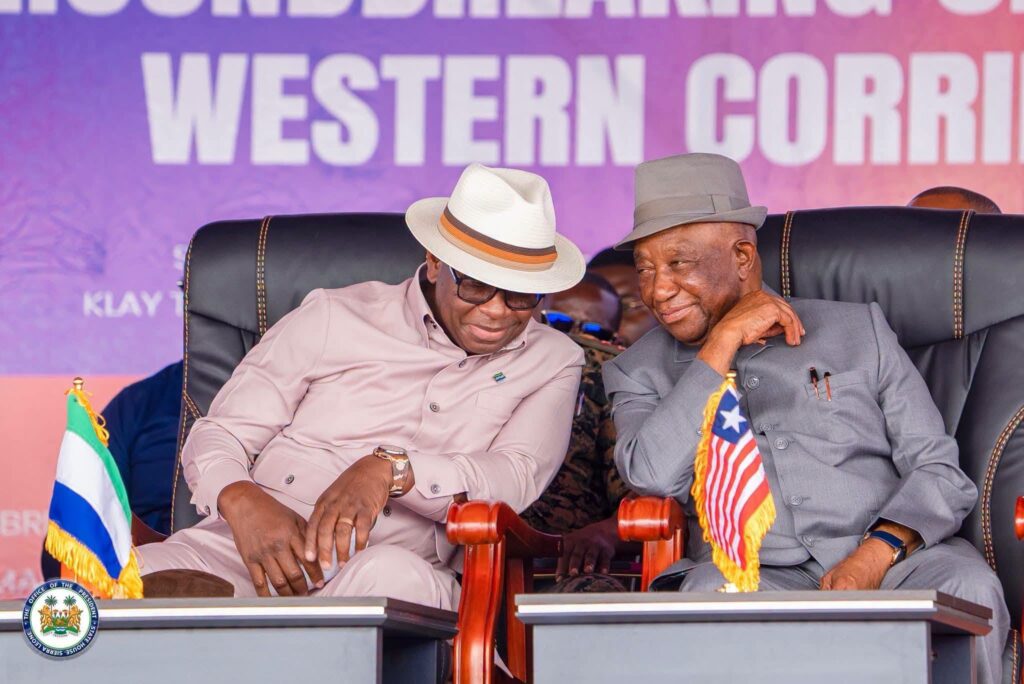
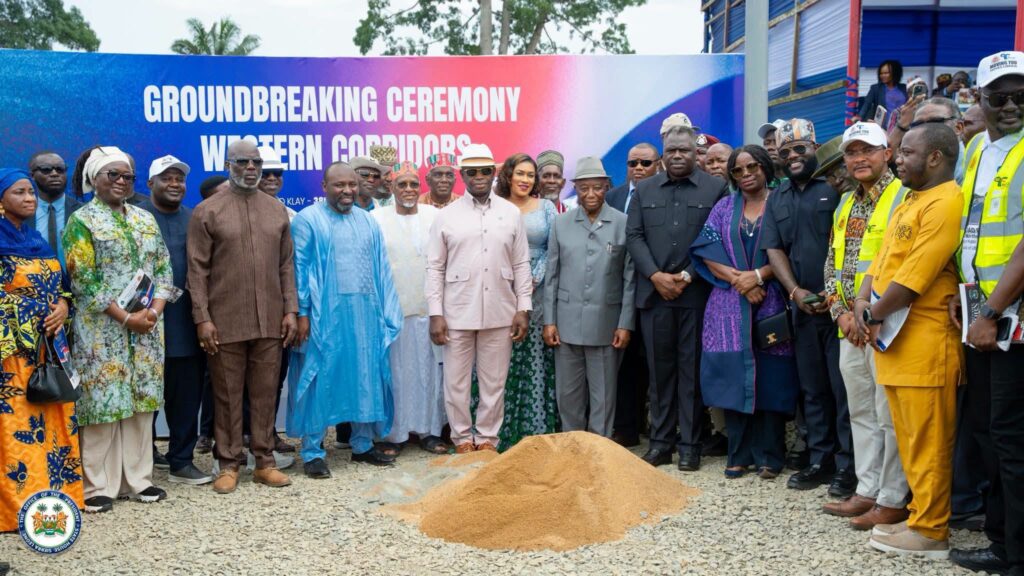
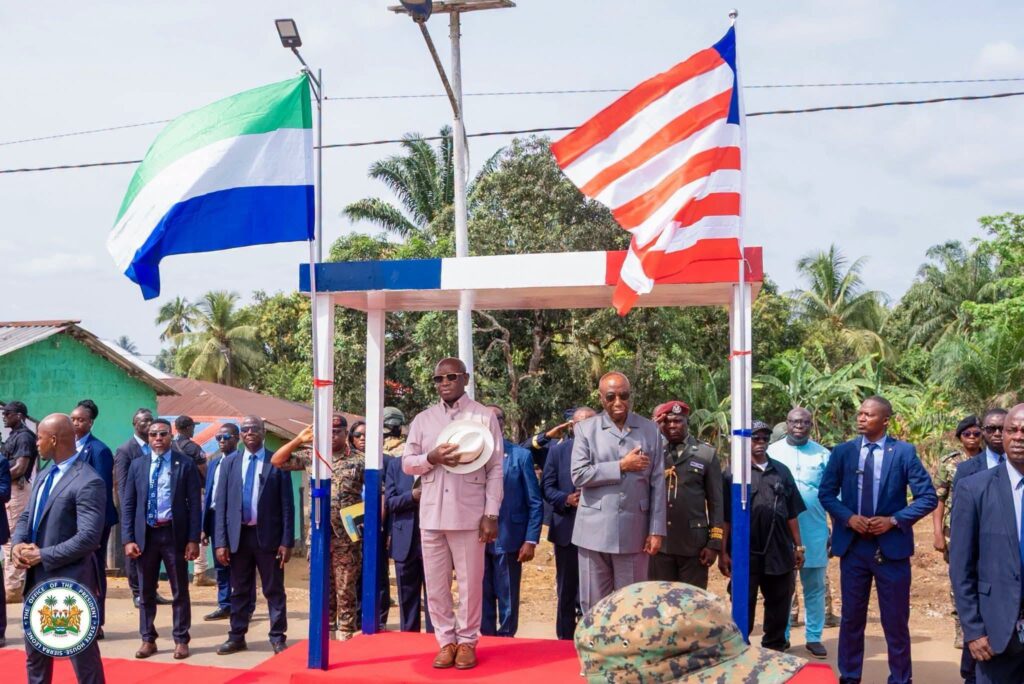
BO WATERSIDE, Grand Cape Mount County — In a landmark moment of infrastructure development and regional diplomacy, President Joseph Nyuma Boakai and Sierra Leonean President Julius Maada Bio jointly broke ground for the 255-kilometer Western Corridor Road Project, signaling a new chapter in Liberia–Sierra Leone relations and subregional integration.
The ceremony, held at the Bo Waterside border, brought together top government officials, lawmakers, diplomats, and development partners in what many described as one of the most significant cross-border infrastructure launches in recent years.
A Transformational National Project
President Boakai described the initiative as a “defining moment” in Liberia’s development trajectory, emphasizing its role in reversing decades of infrastructure neglect.
“To date, only 1,442 kilometers—just about 10 percent—of Liberia’s more than 14,000 kilometers of roads are paved. For a nation approaching 200 years, this is simply intolerable,” the President declared.
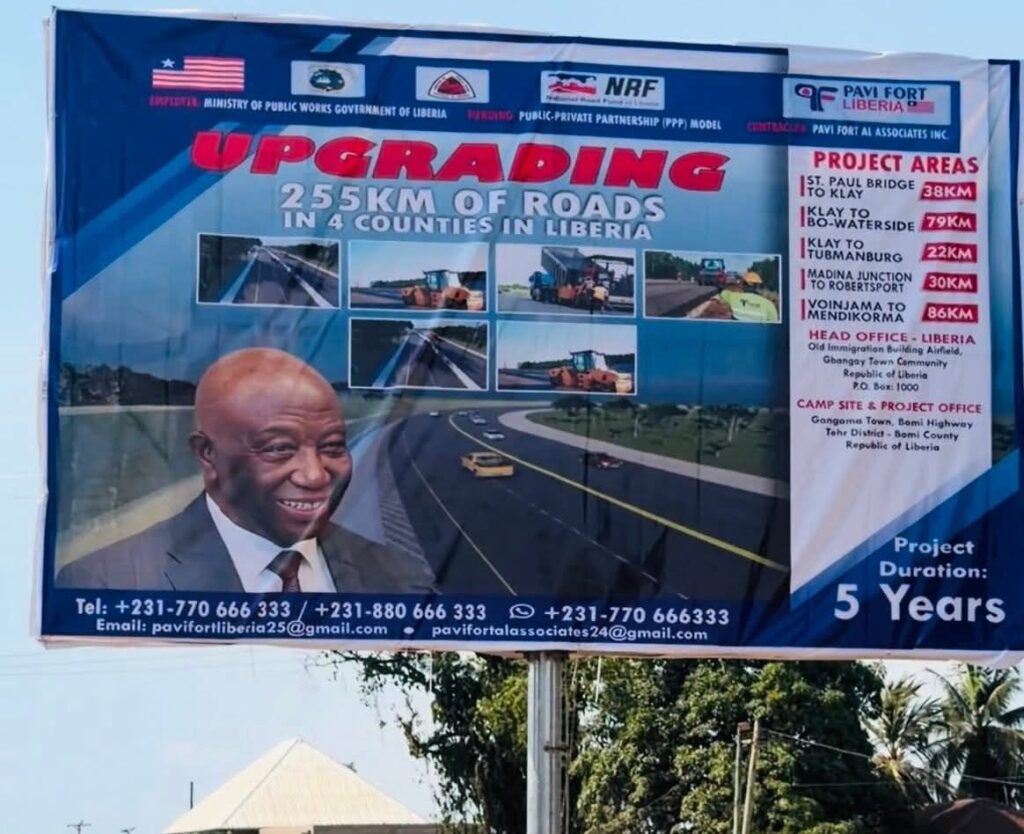
The project, valued at approximately US$364 million, spans multiple corridors across Montserrado, Bomi, Grand Cape Mount, and Lofa Counties. It will include:
- St. Paul Bridge to Klay (38 km, dual carriageway)
- Klay to Bo Waterside (79 km)
- Klay to Tubmanburg (22 km)
- Madina to Robertsport (30 km)
- Voinjama–Kolahun–Mendikorma corridor (86 km)
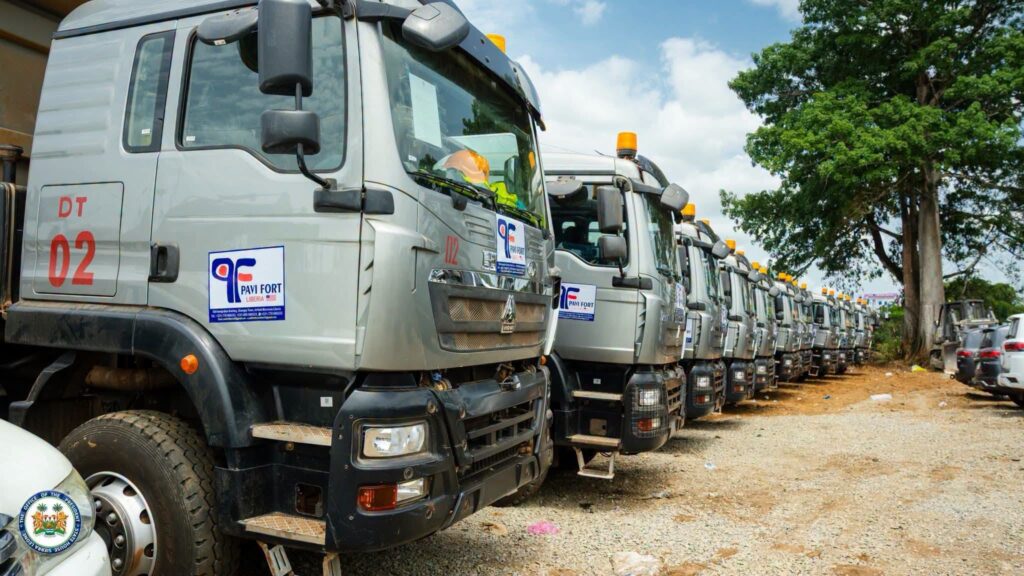
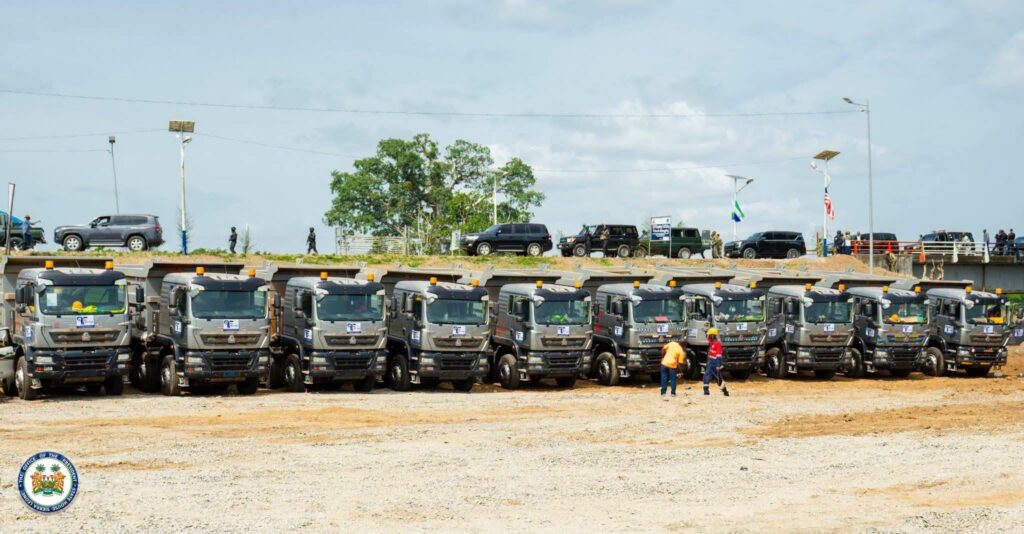
Construction is expected to be completed within five years under a Public-Private Partnership (PPP) arrangement with Pavifort Al Associates.
“This is about dignity and opportunity for our people,” Boakai said, noting the project will reduce travel time, lower transport costs, and connect previously isolated communities.
A Corridor of Unity and Trade
For Sierra Leone, the project represents more than infrastructure—it is a symbol of regional cooperation.
“We’re not just constructing roads—we’re building a brighter future,” President Bio said, describing the corridor as a pathway to economic integration and shared prosperity.
The road network is expected to significantly boost cross-border trade, improve the movement of goods and people, and strengthen ties within the Mano River Union.
President Boakai echoed this sentiment, noting that Liberia and Sierra Leone are bound by “deep cultural ties, family connections, and a common history.”
“What we build here today will further strengthen those bonds,” he added.
Legislative Oversight and Local Impact
Speaking at the ceremony, Senate Pro Tempore Nyonblee Karnga-Lawrence highlighted the Legislature’s role in refining the concession agreement to ensure local benefits.
She disclosed that provisions were made to allocate:
- US$2 million for educational institutions in project counties
- US$2 million for community-based organizations
- US$7 million for urban road improvements in Tubmanburg, Robertsport, and Voinjama
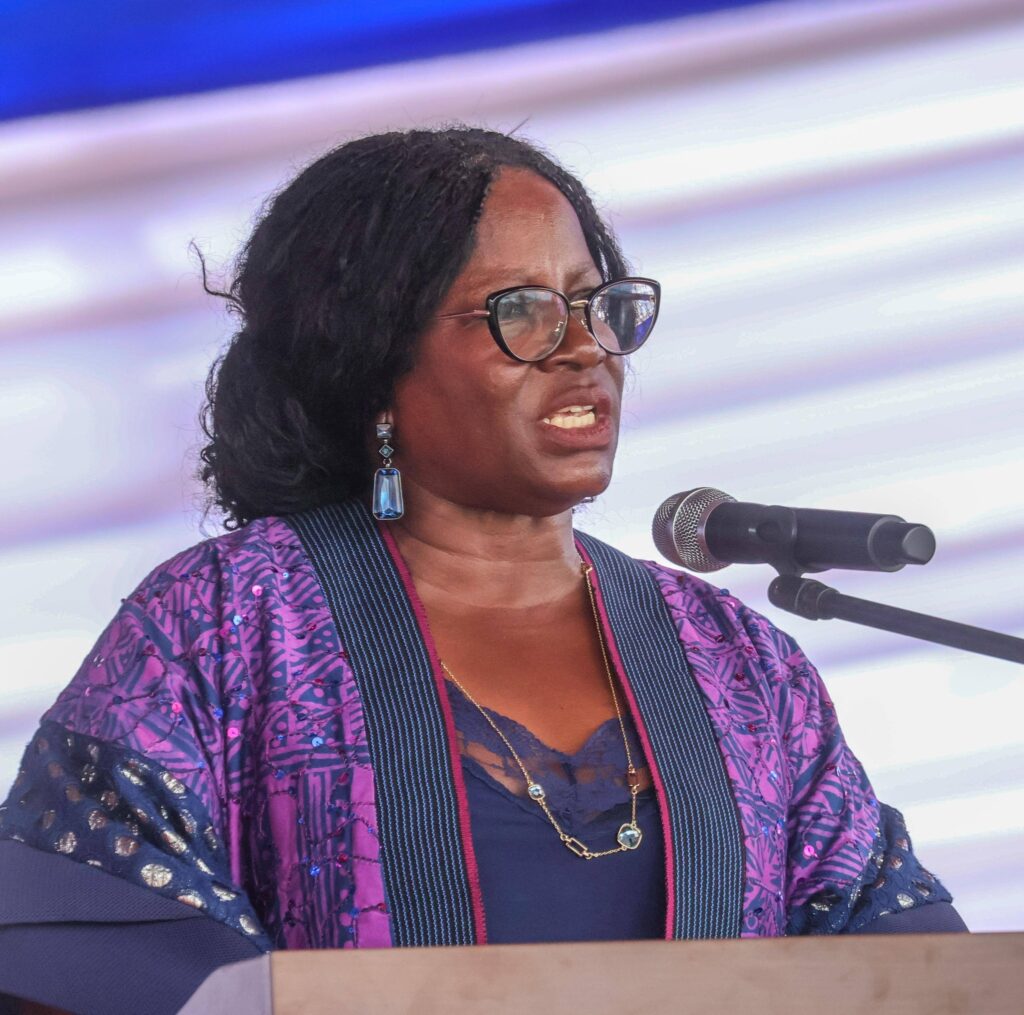
“The next responsibility of the Legislature is to ensure full delivery through strict oversight,” she emphasized.
The project is also expected to create over 1,000 jobs, while building local technical capacity in road construction and maintenance.
Symbolism Beyond Infrastructure
Beyond policy and economics, the ceremony carried powerful symbolism of peace and unity. Observers noted moments of interaction between Liberian and Sierra Leonean security personnel and citizens, reflecting growing trust and cooperation between the two nations.
Analysts say the Western Corridor could position Liberia as a strategic gateway for regional trade, linking the country more effectively to West African markets.
As construction begins, expectations are high that the project will not only transform Liberia’s road network but also redefine its role in regional integration.
Follow The Liberian Post on Facebook and X (formerly twitter)