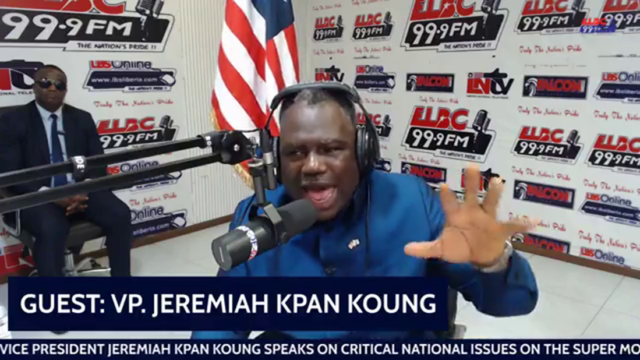
MONROVIA — Vice President Jeremiah Kpan Koung has outlined an ambitious but challenging roadmap to address Liberia’s economic constraints, business climate concerns, and deepening energy crisis, declaring that bold decisions—not incremental steps—will determine the country’s future.
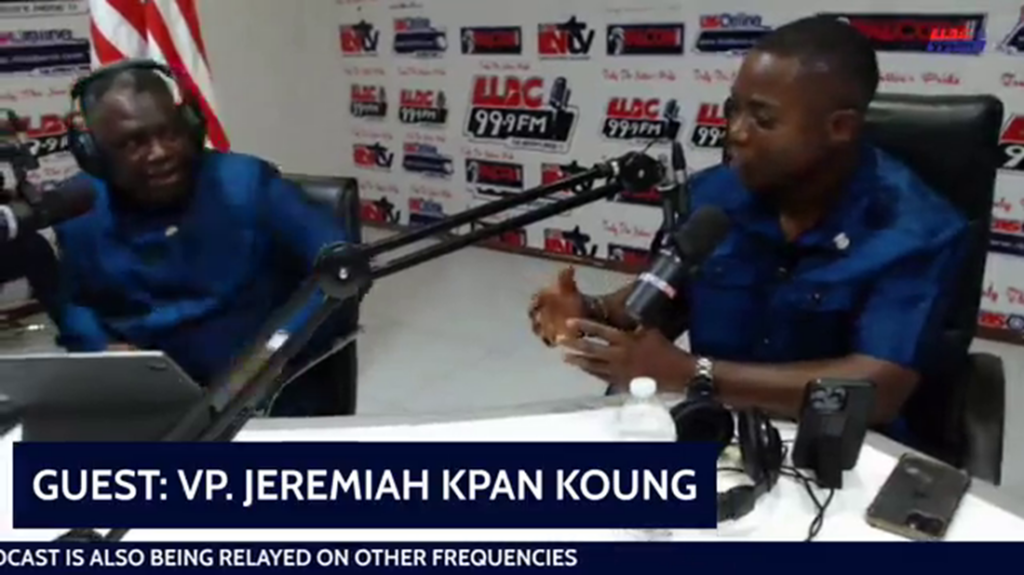
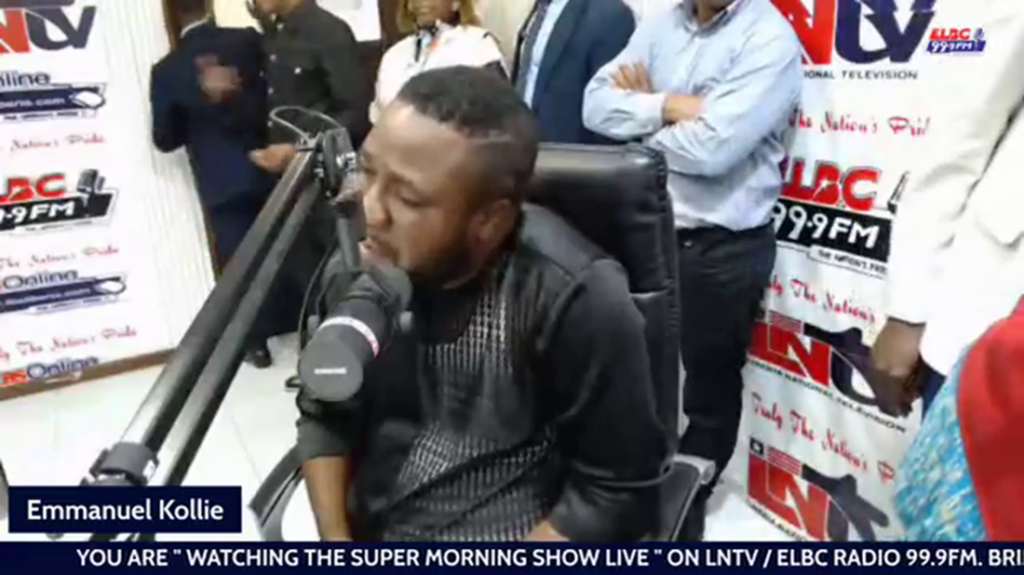
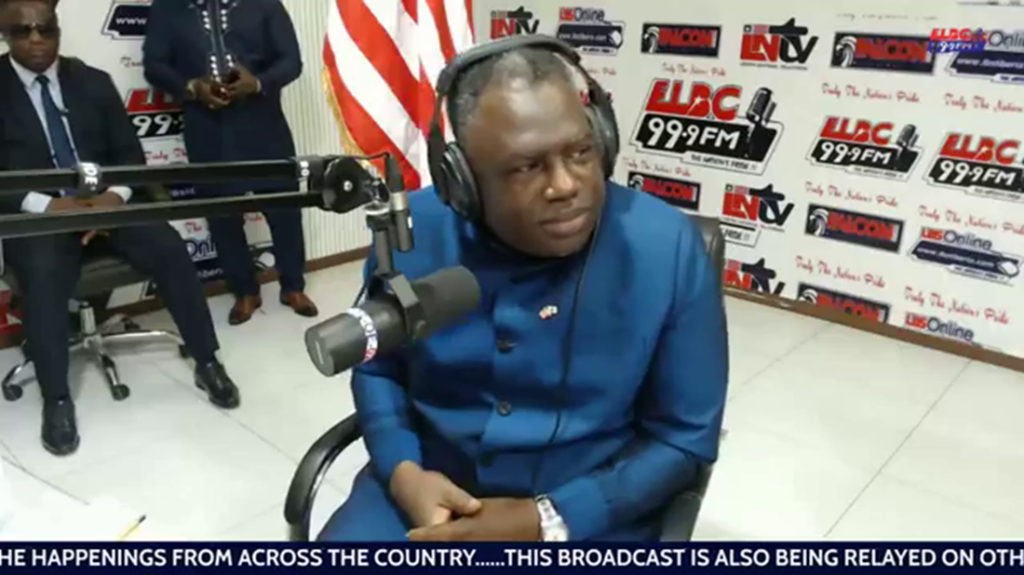
Speaking in a wide-ranging interview on ELBC 99.9 FM at the Liberia Broadcasting System (LBS), Koung acknowledged that while the government is pushing reforms under the ARREST Agenda, fundamental structural issues continue to limit opportunities for ordinary Liberians.
“Our Market Is Unfriendly to Liberians”
“Our market is hopeless… it’s unfriendly to Liberians,” the Vice President said bluntly, referencing findings from a government-led review of the business environment.
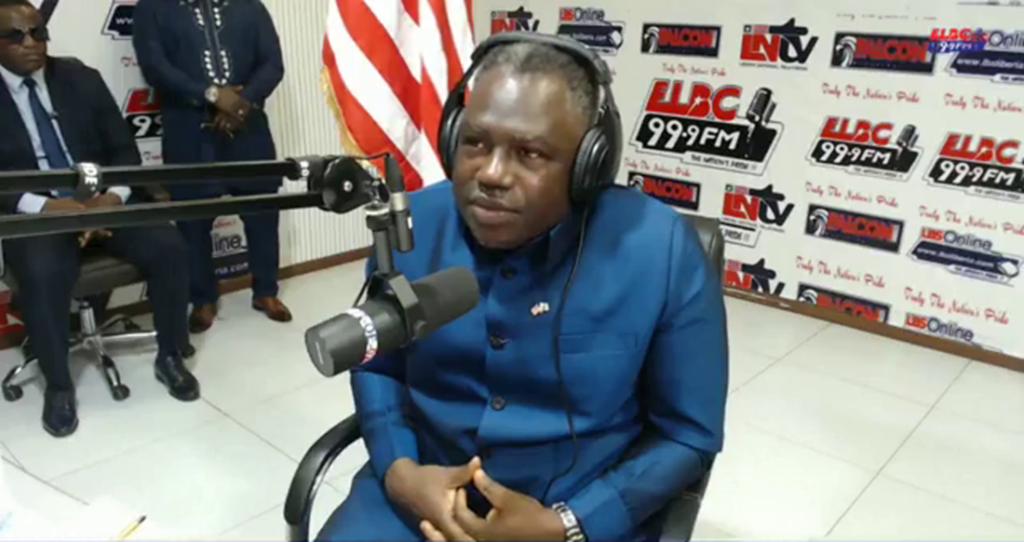
Koung disclosed that a committee he chairs has already submitted recommendations to President Joseph Boakai aimed at enforcing provisions of Liberia’s Investment Act of 2010, which reserves certain business sectors exclusively for Liberians. He lamented that many of these sectors—including retail trade and distribution—are currently dominated by foreign nationals.
“If you are supplying goods to distributors who are not Liberians in areas reserved for Liberians, you are already breaking the law,” he said, signaling imminent enforcement actions.
The Vice President emphasized that the lack of enforcement has denied Liberians access to economic opportunities, arguing that correcting this could create thousands of jobs.
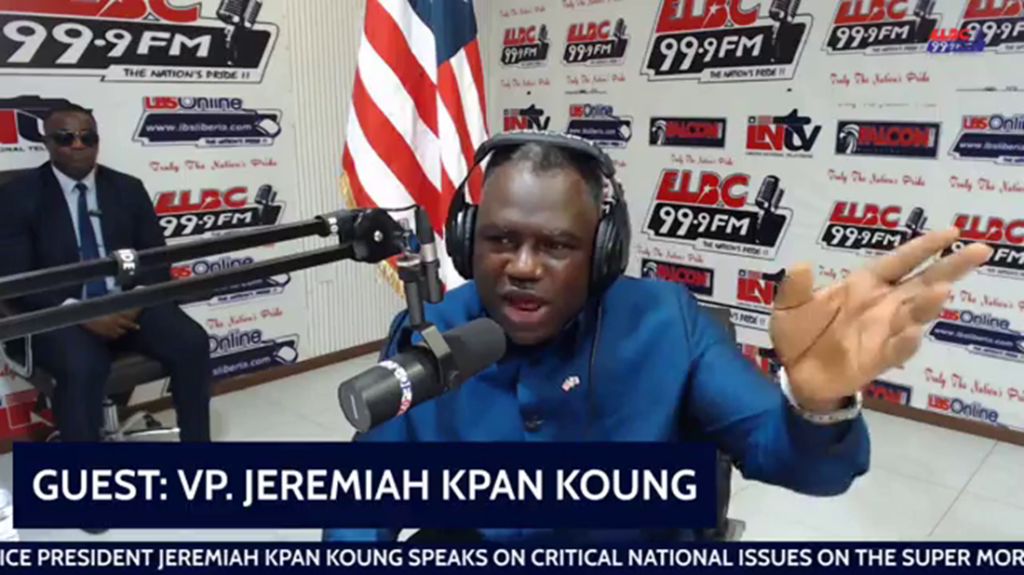
“If we can enforce this law and open up these sectors, we can get over 10,000 Liberians involved,” he stated.
High Interest Rates and Barriers to Local Business
Beyond market access, Koung highlighted access to finance as a major barrier for local entrepreneurs. He revealed that high interest rates—often ranging from 12 to 16 percent—combined with additional costs, make it nearly impossible for Liberian-owned businesses to thrive.
“There is no business in this country making profit at two percent,” he said. “That’s why many Liberians take loans and cannot repay.”
He disclosed that the government is considering establishing a financing mechanism through local banks to provide low-interest loans to Liberian businesses, describing it as critical to unlocking domestic enterprise.
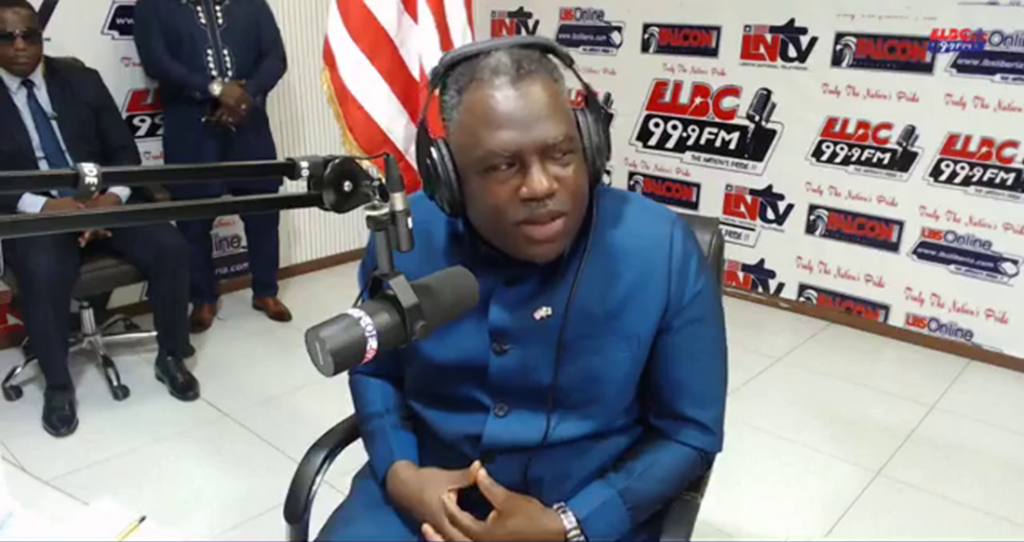
On the broader economy, Koung pointed to inefficiencies in port operations and shipping logistics as key contributors to rising costs.
“Our people bring goods from China, but because of delays and rerouting through other ports, by the time the goods arrive, they cannot sell them,” he explained.
“Electricity Is Everything”
However, it was the country’s electricity crisis that drew the Vice President’s strongest warning.
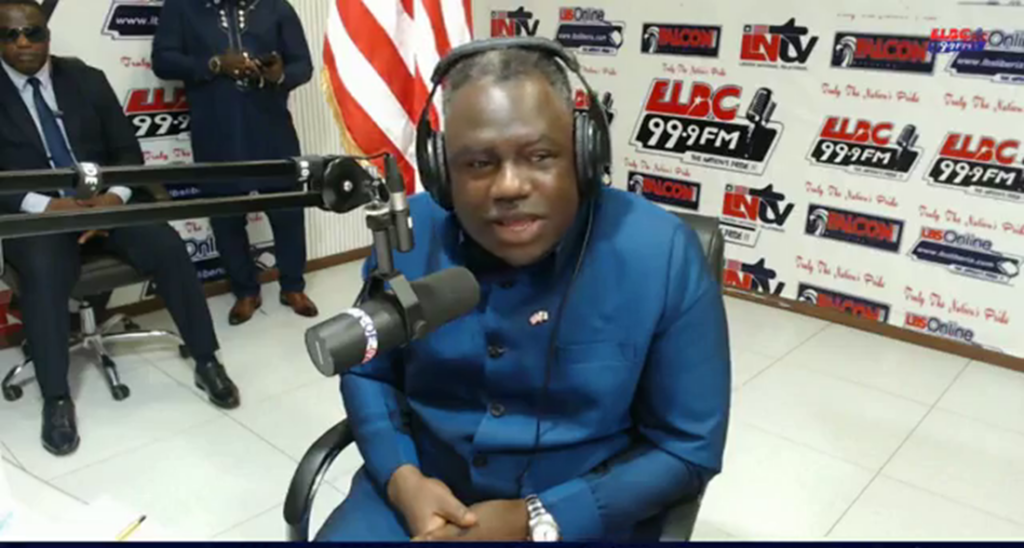
“Electricity is everything. Without electricity, nothing will work in this country,” Koung declared.
He described the energy deficit as a foundational problem affecting every sector—from healthcare to agriculture and education—warning that without stable and affordable power, national development will remain stalled.
“If we don’t solve the electricity problem, everything we are doing will be window dressing,” he added.
Koung revealed that the government is exploring a long-term plan requiring between $2 and $3 billion in investment to overhaul Liberia’s energy infrastructure, including hydroelectric expansion and improved transmission systems.
“We have to take bold decisions. If we don’t fix the foundation, the structure will keep collapsing,” he said.
Balancing Short-Term Fixes and Long-Term Solutions
The Vice President acknowledged that while long-term solutions are being developed, the government is also pursuing interim measures such as expanding thermal power capacity and importing electricity from neighboring countries.
But he cautioned against over-reliance on external supply.
“Your power cannot depend on other countries. At any time, geopolitics can change, and they can cut you off,” he warned.
He also disclosed ongoing discussions with major concession companies, including mining firms, to potentially redirect part of their tax contributions toward energy development.
“Political Will” and the Road Ahead
Touching on governance and public expectations, Koung admitted that progress has been slow in some areas but insisted that the administration is committed to taking decisive action.
“What we have been lacking is the political will. The President is giving that political will, and we will execute,” he asserted.
The Vice President’s remarks come at a time of heightened public scrutiny over economic conditions, cost of living, and job creation, with many Liberians demanding tangible improvements.
As the Boakai administration advances its reform agenda, Koung’s message was clear: Liberia’s challenges are complex, but solvable—if the country is willing to confront them head-on.
Follow The Liberian Post on Facebook and X (formerly twitter)