MONROVIA — A major diplomatic and policy question is emerging across West Africa following reports that Ghana has withdrawn from a proposed multi-year health aid agreement with the United States over concerns about data privacy and national sovereignty.
According to multiple international reports, Ghana pulled out of the deal after Washington allegedly demanded access to sensitive personal and health data of its citizens—conditions Accra ultimately rejected despite months of negotiations.
“The deal is dead,” a source close to the negotiations said, noting that discussions had included health officials and were tied to broader U.S. global health initiatives.
A New US Health Strategy Raising Concerns
The development is part of a broader shift in U.S. foreign aid policy under President Donald Trump, which has seen the dismantling of the USAID and the introduction of new bilateral health agreements across Africa.
These agreements, under what has been described as the “America First Global Health Strategy,” reportedly require recipient countries to take on greater financial responsibility while also meeting stricter compliance conditions—including data-sharing provisions.
However, Ghana’s rejection highlights growing unease among African governments about the implications of such terms, particularly regarding privacy, sovereignty, and control over national health systems.
Liberia Signed—But Not Without Controversy
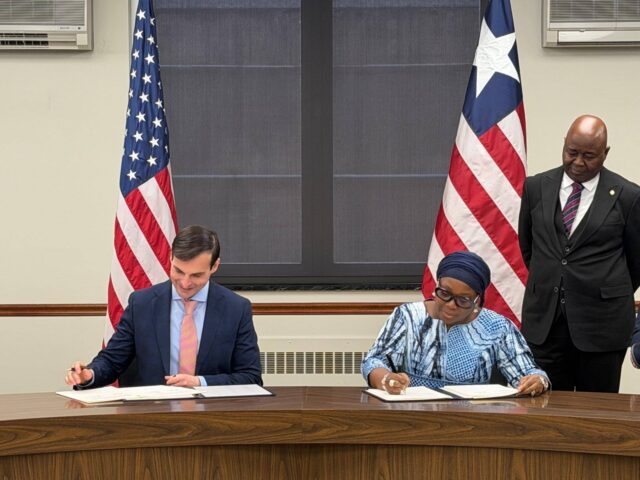
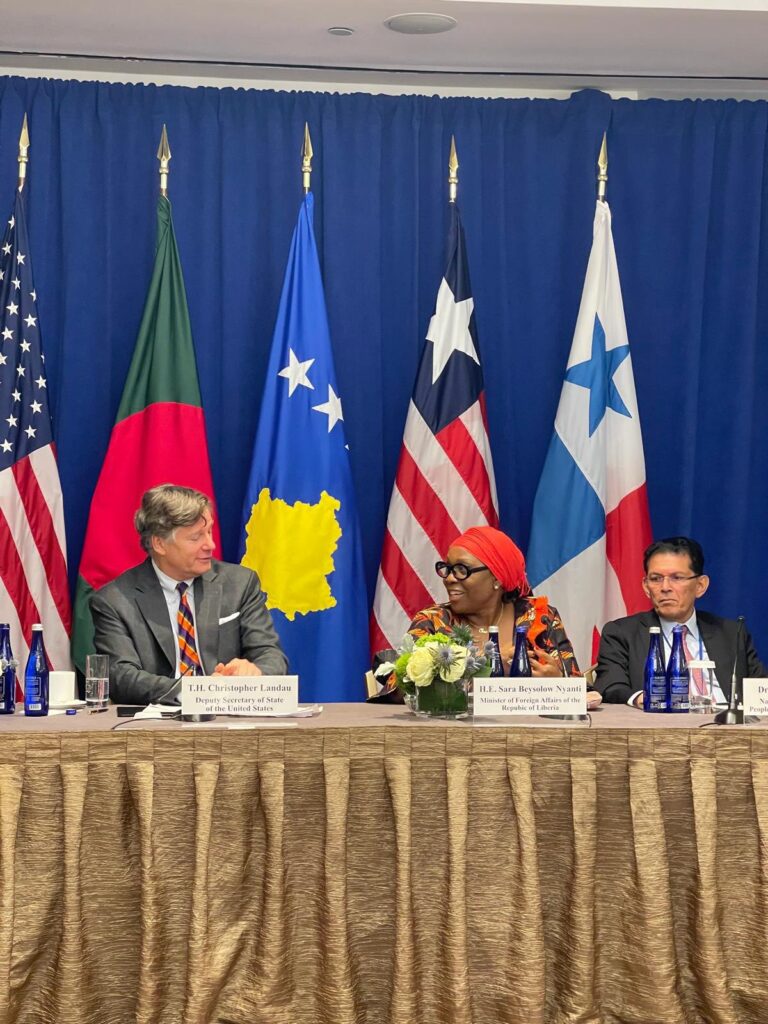
The situation has drawn immediate comparisons with Liberia, which recently entered into a similar health cooperation framework with the United States following the restructuring of global aid channels.
In Monrovia, the agreement sparked intense debate among policymakers, civil society actors, and ordinary citizens.
Critics raised concerns about:
- Data privacy and sovereignty, questioning whether Liberia could adequately protect citizens’ personal information;
- Transparency in negotiations, with calls for full disclosure of the agreement’s terms;
- Long-term implications, including whether such deals could create dependency or expose national systems to external control.
Supporters, however, argued that Liberia—still recovering from decades of conflict and health system challenges—could not afford to reject critical international support, especially in areas such as HIV/AIDS, malaria, and maternal health.
Government officials defended the agreement as necessary and beneficial, emphasizing that it would strengthen healthcare delivery, expand funding, and improve national capacity.
A Regional Trend of Pushback
Ghana is not alone in raising concerns.
Reports indicate that countries such as Zimbabwe and Zambia have also questioned or halted similar agreements over issues ranging from data-sharing requirements to perceived economic conditionalities.
In some cases, civil society groups have warned that such agreements could compromise national sovereignty by linking health financing to broader geopolitical or economic interests.
The Big Question: Will Liberia Reconsider?
Ghana’s decision now places Liberia in a delicate position.
While Monrovia has already signed on, the backlash in Ghana—and similar resistance elsewhere—may intensify domestic scrutiny of Liberia’s own agreement.
Analysts say the key issue will be whether Liberia’s deal includes safeguards strong enough to:
- Protect citizens’ data;
- Ensure transparency and accountability;
- Maintain national control over health systems and policies.
If those safeguards are perceived as weak, pressure could mount for renegotiation or review.
Balancing Aid and Sovereignty
At its core, the unfolding situation presents a familiar dilemma for developing nations: how to balance the urgent need for international support with the equally important need to protect national sovereignty.
For Liberia, the stakes are particularly high.
The country’s health sector remains heavily donor-dependent, making external partnerships essential. Yet, as Ghana’s move demonstrates, there is a growing willingness among African states to push back against conditions seen as overreaching.
A Defining Moment for Policy Direction
Ghana’s withdrawal may ultimately reshape how such agreements are negotiated across the continent.
For Liberia, it raises a pressing and unavoidable question:
Should the country maintain its current course—or reconsider the terms of engagement in light of regional concerns?
As debate intensifies, one thing is clear: the era of unquestioned aid agreements may be giving way to a new phase—one where transparency, sovereignty, and national interest take center stage.
Follow The Liberian Post on Facebook and X (formerly twitter)