MONROVIA — Fresh cracks appear to be widening within the ruling establishment as two former senior officials of the governing Unity Party have openly challenged Vice President Jeremiah Kpan Koung over his recent remarks on mining, commerce, and Liberia’s economic direction.
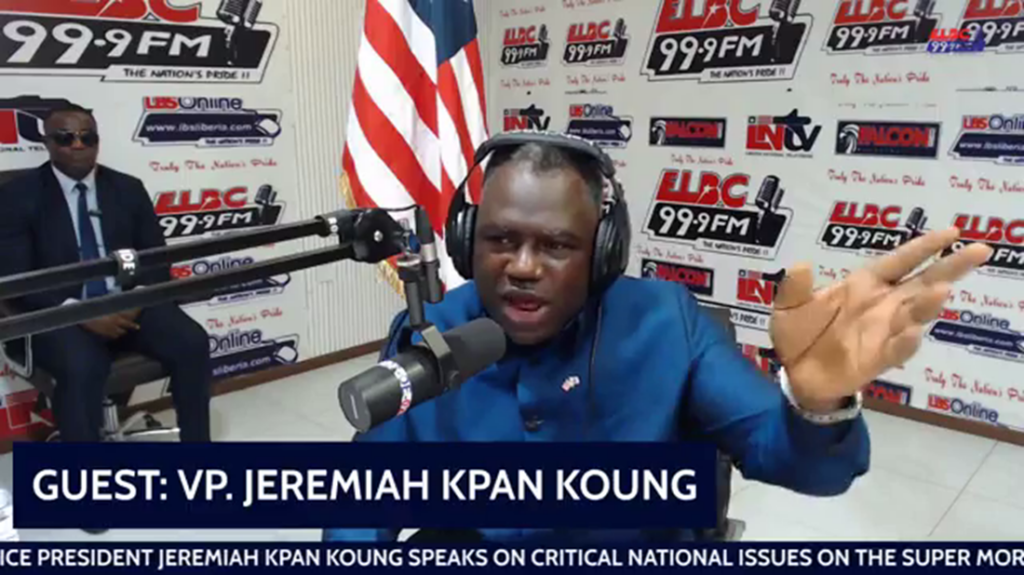
The unusually sharp criticism came from former Commerce and Industry Minister Amin Modad and former Unity Party Chairman and ex-Energy and Mines Minister Wilmot Paye, following the Vice President’s lengthy radio appearance on ELBC in late April 2026.
During the interview, Koung delivered sweeping commentary on the country’s mining, electricity, and business sectors, while also outlining ambitious ideas for economic reforms and local business empowerment.
But his remarks have triggered backlash from senior political figures who argue that the Vice President may be overstepping institutional boundaries and making what they describe as “theatrical” policy declarations.
Koung’s Mining Remarks Spark Debate
One of the most debated portions of the Vice President’s interview centered on Liberia’s mining sector, particularly operations involving Bea Mountain, ArcelorMittal, and other major concessions.
Koung revealed that he was “shocked” during a recent visit to Bea Mountain, describing the scale of the company’s operations as far bigger than he previously imagined.
“I was like, wow, these guys are huge here,” Koung admitted during the interview. “From what I saw, Bea Mountain is the biggest taxpayer here in the country. I thought Mittal was a big one, but Bea Mountain is bigger than Mittal.”
The Vice President further disclosed projected government revenues from major mining companies, claiming Liberia could generate between US$485 million and US$625 million annually from the mining sector if current projections hold.
According to him, Bea Mountain alone could contribute between US$250 million and US$300 million in taxes this year, while ArcelorMittal could generate between US$150 million and US$200 million.
Koung also linked mining revenues to the government’s long-term electricity ambitions, suggesting that proceeds from the sector could be redirected toward major hydropower investments capable of transforming Liberia’s struggling energy sector.
“If we don’t solve the electricity problem, everything we’ll be doing in Liberia… will be window dressing,” he warned.
Paye Fires Back
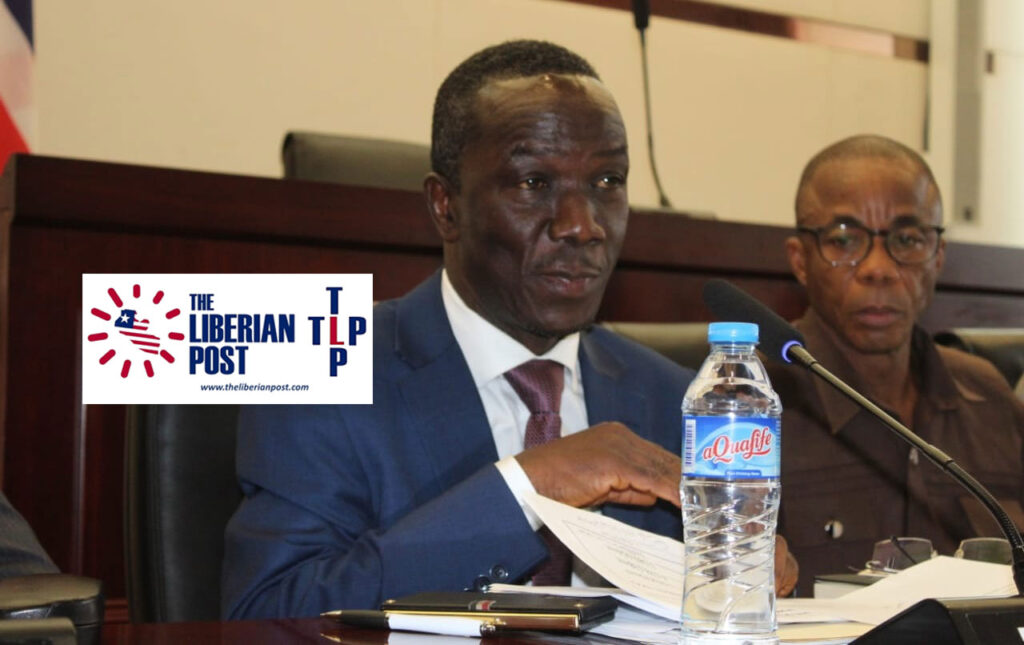
But former Mines Minister Wilmot Paye appeared unimpressed by the Vice President’s pronouncements.
In a biting social media reaction following the interview, Paye dismissed Koung’s public comments as exaggerated and unserious.
“Hilariously theatrical,” Paye wrote. “I laughed my guts out as our Vice President uttered what sounded like policy pronouncements.”
Though brief, Paye’s statement quickly gained traction online, with many interpreting it as a direct criticism of the Vice President’s growing public activism on national policy issues traditionally handled by line ministries and technocrats.
Political observers say Paye’s reaction also reflects broader unease among some senior Unity Party figures who fear the Vice President’s increasingly aggressive public posture may be creating parallel centers of authority within government.
Modad Questions Institutional Roles
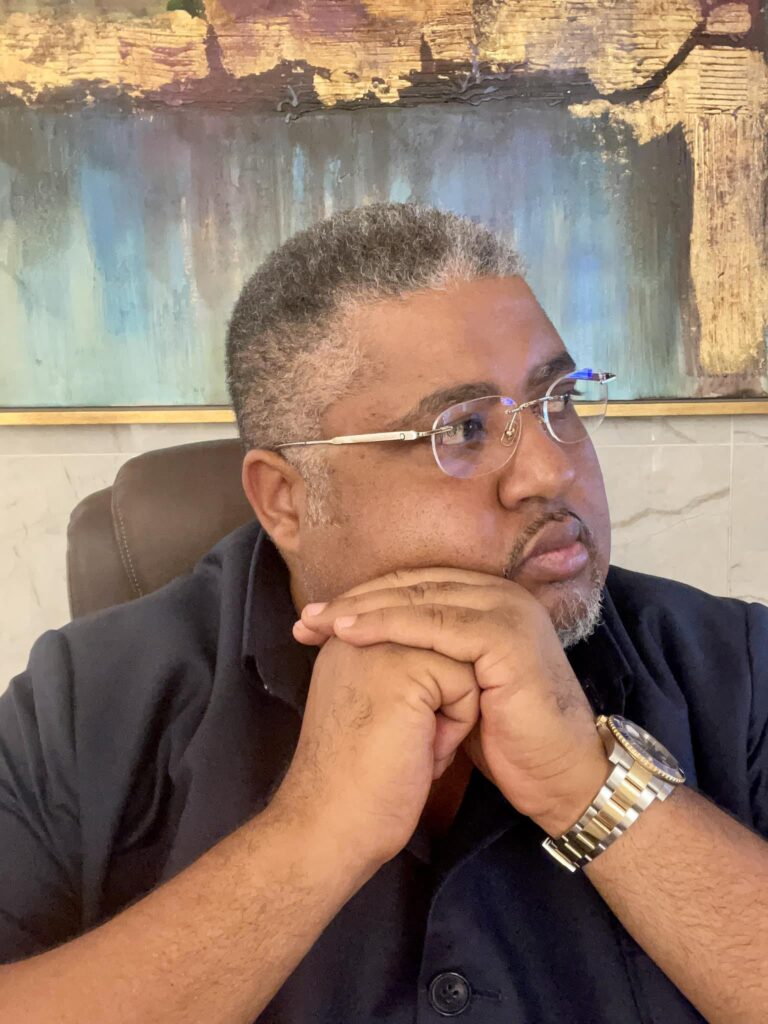
Former Commerce Minister Amin Modad struck a more measured but equally pointed tone.
While praising Koung’s energy and commitment, Modad expressed concern that the Vice President has effectively assumed responsibilities that should ordinarily fall under the Ministry of Commerce and Industry.
“Vice President Jeremiah Kpan Koung Sr. is doing commendable work,” Modad acknowledged. “However, it is deeply concerning that, amid the weight of his constitutional responsibilities and the inherent complexities of governance, he is compelled to assume functions that belong to the Minister of Commerce.”
Modad then outlined reforms he said were initiated during his own tenure at the Commerce Ministry, including efforts to strengthen Liberia’s trade environment, empower Liberian-owned businesses, improve the balance of trade, and make the ministry more predictable and efficient.
“Liberia’s economic progress cannot rest on individual effort alone—no matter how capable,” he stressed. “It requires institutions that function as designed, leadership that executes with discipline, and a clear commitment to strategic priorities that drive national growth.”
Political Undercurrents Emerging
The public criticism directed at the Vice President is significant, particularly because both Modad and Paye are influential figures associated with the ruling establishment.
Their reactions come amid growing national debate over Koung’s expanding visibility on economic and concession matters, including his hardline comments about foreign dominance in sectors reserved for Liberians and his push for stricter enforcement of the Investment Act.
During the ELBC interview, Koung accused foreign businesses of dominating sectors legally reserved for Liberians, including sand mining, travel agencies, retail trade, and local produce distribution.
“The market is hopeless. It’s unfriendly to Liberians,” the Vice President declared.
He further warned that the government was prepared to take enforcement actions against violators.
“The political will that we have… nobody can stop me unless the President calls me back,” Koung said.
For now, neither the Executive Mansion nor the Vice President’s office has publicly responded to the criticisms from Modad and Paye.
But the unusually public disagreement among prominent figures aligned with the ruling bloc is already fueling speculation about deeper tensions within the governing establishment over economic management, policy coordination, and political influence.
Follow The Liberian Post on Facebook and X (formerly twitter)