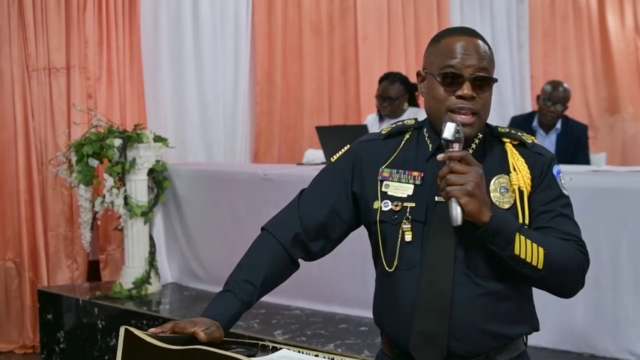
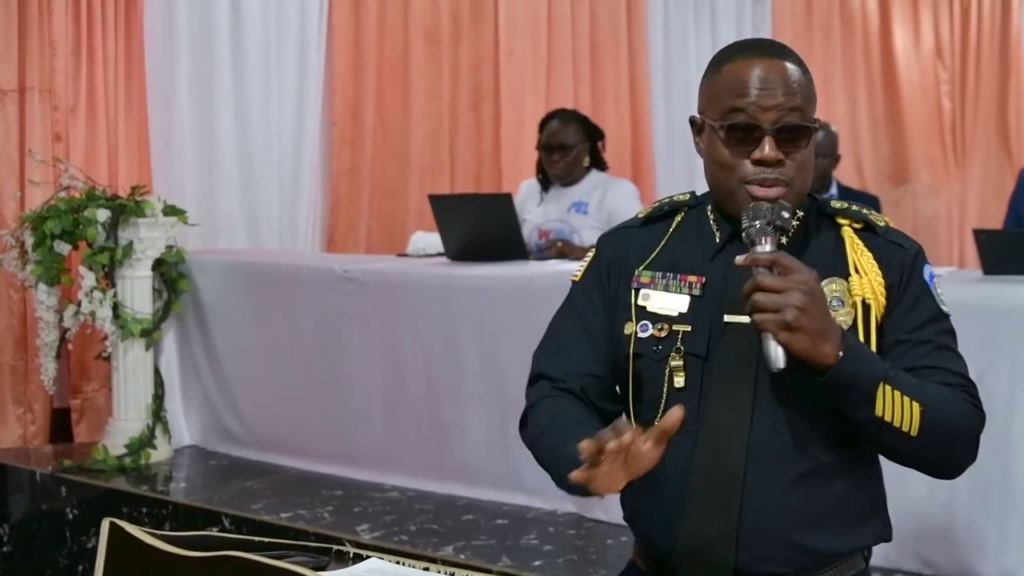
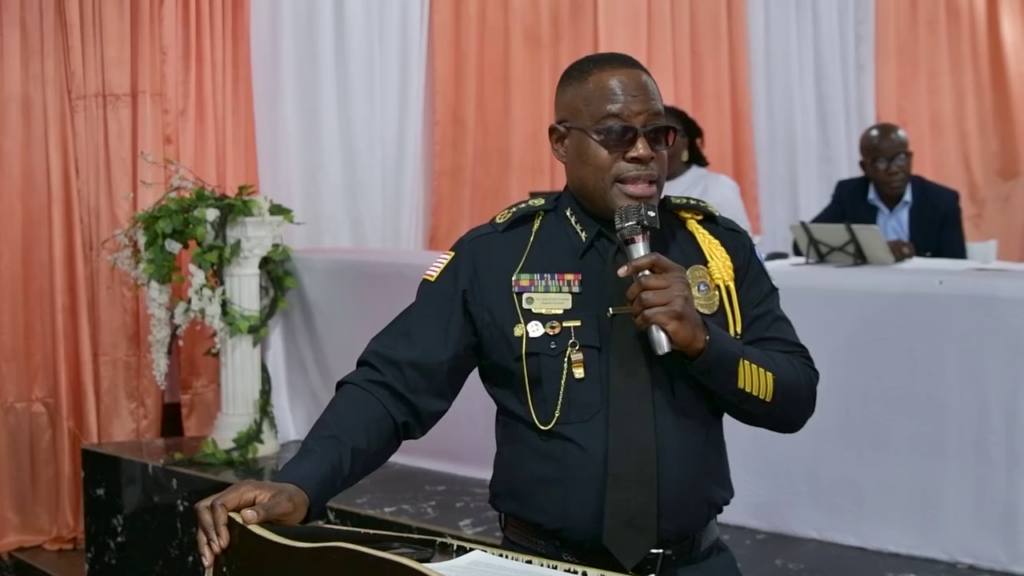
KAKATA, Margibi County — The Inspector General of the Liberia National Police (LNP), Gregory O. W. Coleman, has reaffirmed the institution’s commitment to protecting press freedom and strengthening collaboration with the media, describing journalists as critical partners in Liberia’s democratic and security architecture.
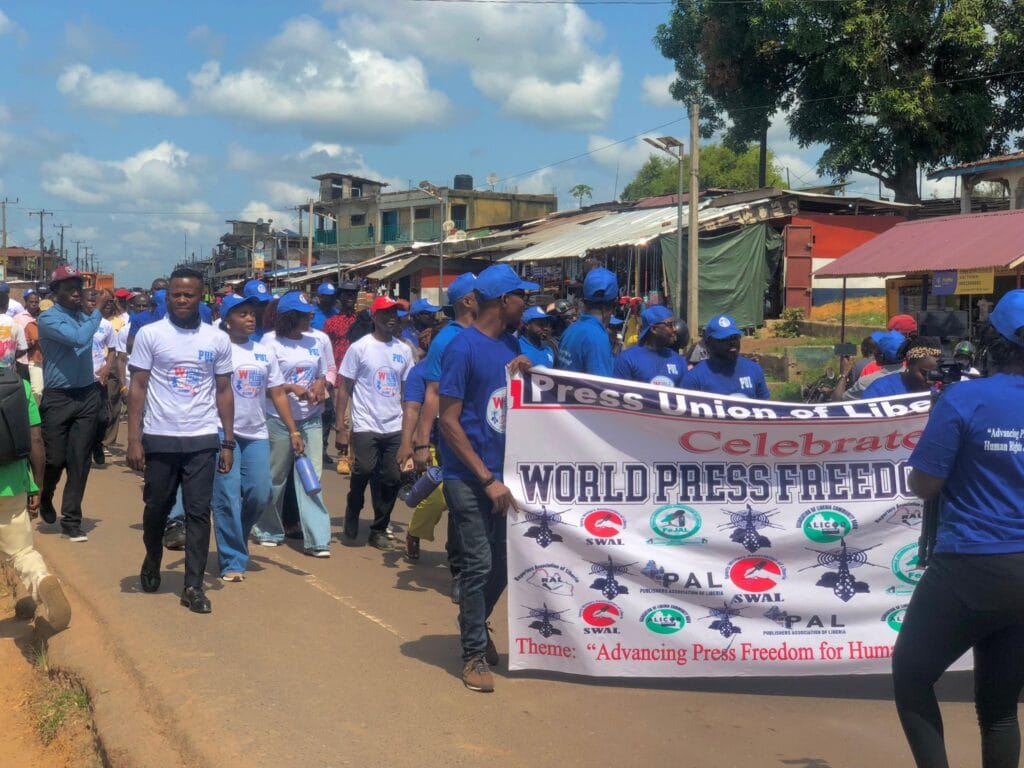
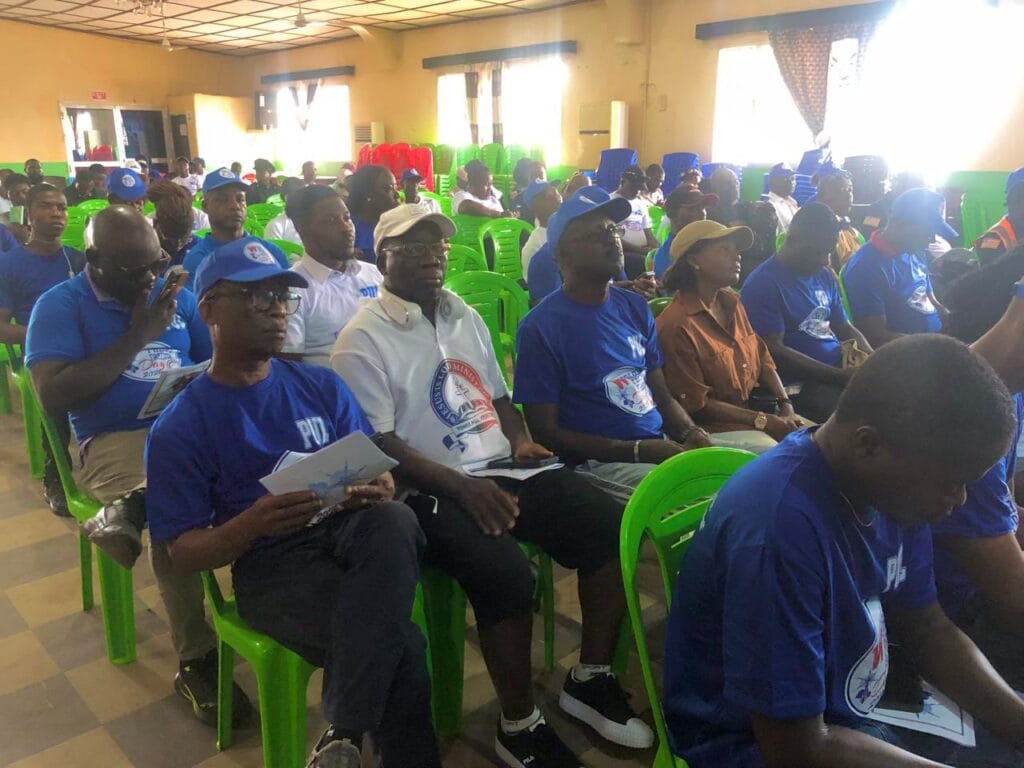
Speaking during the World Press Freedom Day celebration organized by the Press Union of Liberia (PUL) in Kakata, Colonel Coleman emphasized that press freedom is not optional, but fundamental to governance and national stability.
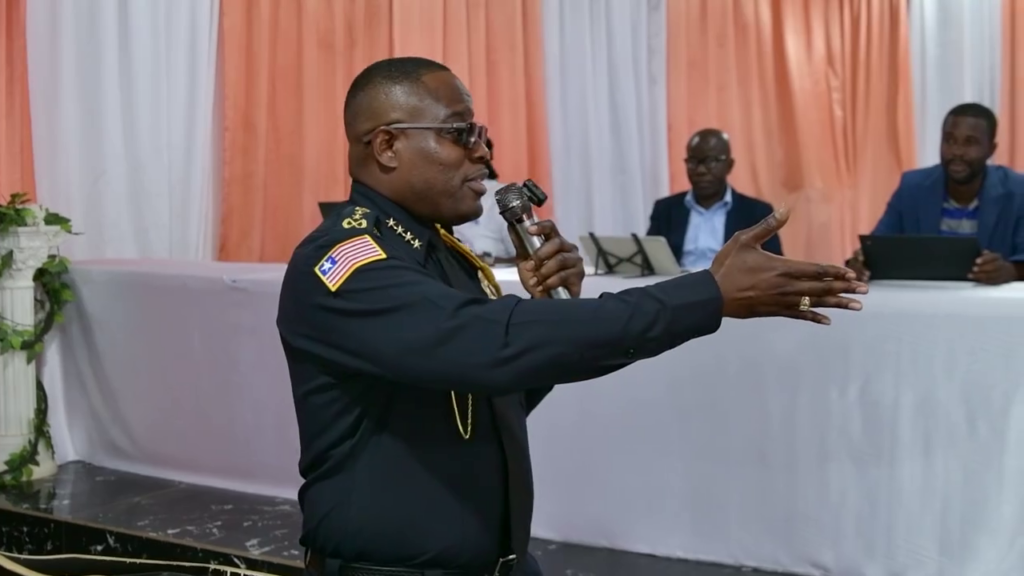
“Press Freedom Is a Pillar of Democracy”
In a firm policy statement, the Police IG underscored the institutional position of the LNP on media freedom.
“The Liberia National Police recognizes press freedom not as a privilege, but as a fundamental pillar of democratic governance,” Coleman declared.
He noted that a free and responsible media plays a vital role in exposing wrongdoing, informing citizens, and strengthening public institutions.
Complementary Roles, Not Conflict
Coleman stressed that the relationship between law enforcement and the media must be defined by mutual respect and clarity of roles.
“The police are entrusted with maintaining public order and security. The media is entrusted with informing the public and holding institutions accountable. These roles are distinct, but they are not in conflict—they are complementary,” he said.
He warned that misunderstanding these roles can create unnecessary tension, while cooperation can enhance both accountability and security outcomes.
Commitment to Protect Journalists
The Inspector General made a strong pledge that journalists will be protected in the lawful execution of their duties.
“No journalist should face intimidation, harassment, or unlawful interference for doing their work,” he stated, adding that this commitment is not merely policy but an operational expectation across all levels of the police.
At the same time, he called on media practitioners to uphold ethical standards, emphasizing that press freedom must be exercised with responsibility, accuracy, and professionalism.
Reforms to Strengthen Police–Media Relations
As part of ongoing institutional reforms, Coleman outlined several measures aimed at improving engagement between the police and the media:
- Expanded dialogue platforms between police leadership and journalists
- Enhanced training and accountability for officers to respect media rights
- Prompt investigation of alleged misconduct involving journalists
- Improved communication systems to ensure timely and accurate information
He noted that these steps are designed to reduce misinformation, prevent conflict, and build public trust.
Media as Strategic Partner
Coleman described the media as a “strategic partner” in maintaining public order and promoting transparency.
“You are not observers on the sidelines—you are active contributors to public order, transparency, and accountability,” he told journalists, noting that media scrutiny helps drive institutional improvement.
Safeguarding Democratic Space
The Police IG warned that attacks on press freedom could undermine Liberia’s democratic gains.
“A society where journalists are silenced is a society where accountability is weakened,” he said. “But a society where the police and the media work in constructive partnership is one where human rights are protected, development is supported, and peace is sustained.”
Call for Shared Responsibility
Coleman concluded by urging both institutions to anchor their relationship on three core principles: respect for the rule of law, commitment to professional standards, and shared responsibility for national stability.
He reaffirmed the LNP’s readiness to deepen collaboration with the Press Union of Liberia and other media institutions to build a safer, more transparent, and accountable society.
Follow The Liberian Post on Facebook and X (formerly twitter)