MONROVIA – As Monrovia’s population continues to grow, so too has the problem of excessive noise pollution, prompting the Government of Liberia to intensify efforts to restore public order and protect public health through a nationwide enforcement exercise.
For years, residents across the capital and other parts of the country have complained about loud music from bars, entertainment centers, religious institutions, generators, and street-side businesses. Health experts warn that prolonged exposure to high noise levels is not only disturbing but also poses serious health risks, including stress, sleep deprivation, hypertension, hearing loss, and reduced concentration among students.
Although Liberia has long maintained laws and environmental regulations intended to limit excessive noise, enforcement has historically remained weak and inconsistent. However, authorities say that era is now coming to an end.
The administration of President Joseph Nyuma Boakai, through the Liberia National Police and the Environmental Protection Agency of Liberia, has announced a coordinated campaign aimed at aggressively tackling noise pollution nationwide.
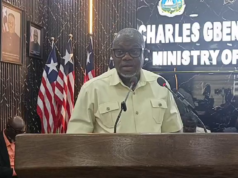
As part of the latest measures, the Liberia National Police disclosed on Monday, May 4, 2026, that officers will begin confiscating outdoor speakers and sound systems used by bars, entertainment centers, and even religious institutions that violate noise regulations.
Police authorities said the decision followed repeated complaints from residents, particularly in densely populated communities where loud music and amplified sound systems often continue late into the night.
“This action is intended to ensure a peaceful environment for all citizens,” a police spokesperson stated, emphasizing that the enforcement drive is designed to restore order and improve the quality of life for residents.
The move has generated mixed reactions across the country. While many residents welcomed the enforcement campaign as long overdue, some business owners and religious leaders expressed concerns about its possible impact on livelihoods and freedom of worship.
Liberia’s latest enforcement efforts mirror a growing global trend as governments around the world tighten regulations to combat the harmful effects of noise pollution. In countries such as Nigeria and Ghana, authorities routinely fine or shut down churches, mosques, bars, and entertainment centers that exceed approved decibel levels. Similar regulations also exist in India and the United Kingdom, where local councils aggressively monitor excessive noise in residential communities.
The Environmental Protection Agency has also renewed its commitment to the anti-noise campaign.
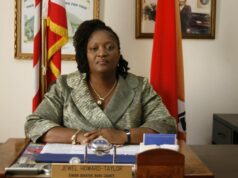
Back in August 2025, EPA Executive Director Dr. Emmanuel Urey Yarkpawolo warned that the Agency would take action against churches, mosques, businesses, and individuals responsible for excessive noise pollution during worship services, crusades, and public gatherings.
While acknowledging Liberia’s constitutional protection of religious freedom, Dr. Yarkpawolo stressed that the EPA also has a responsibility to protect citizens from environmental hazards associated with excessive noise.
“Even in marketplaces, you find individuals placing down loud sound boxes and blasting music nonstop, forgetting that they are infringing on the rights of others,” he stated at the time.
The EPA boss further suggested that noise pollution may have contributed to the poor performance of Liberian students in the 2025 West African Senior School Certificate Examination (WASSCE), noting that constant exposure to loud sounds affects concentration, learning, and mental well-being.
Health experts continue to support the government’s actions, warning that noise pollution represents a major but often overlooked public health challenge.
According to experts, noise levels above 85 decibels — roughly equivalent to the constant hum of generators or power saws — can begin damaging hearing over time. Sounds reaching between 100 and 120 decibels, such as loud music from giant speakers or repeated car horn blasts, can cause immediate pain and permanent hearing damage.
Medical research also links chronic exposure to noise with elevated stress hormones, cardiovascular disease, sleep disorders, weakened immunity, and mental health complications. For children, sustained exposure to excessive noise can impair concentration and slow learning development.
Authorities say the enforcement process will be accompanied by public awareness campaigns and community engagement initiatives aimed at encouraging cooperation rather than confrontation.
As Liberia intensifies its nationwide anti-noise campaign, many observers believe the success of the exercise will depend on authorities’ ability to strike a careful balance between protecting public health and respecting the country’s cultural, religious, and economic activities.
Follow The Liberian Post on Facebook and X (formerly twitter)