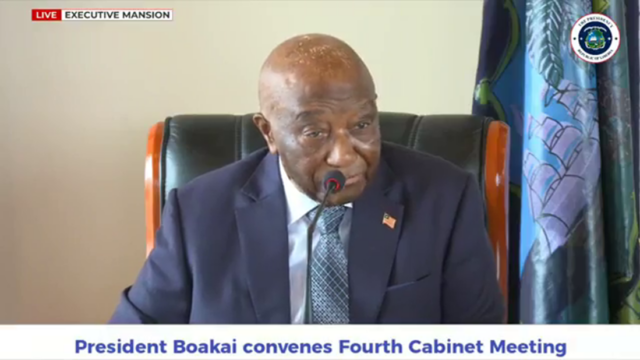
MONROVIA — President Joseph Nyuma Boakai has publicly acknowledged the continuing sanitation challenges facing Monrovia, while strongly defending his administration’s cleanup efforts amid recent criticism from former President Ellen Johnson Sirleaf over the condition of the Liberian capital.
Speaking Thursday, May 7, during the opening of his 5th Cabinet Meeting and 4th Sitting at the Executive Mansion, President Boakai conceded that Monrovia remains dirty compared to many international cities, but insisted that conditions have improved significantly under his administration.
“Monrovia may be dirty compared to maybe other cities, but I think it’s cleaner than we know it used to be,” President Boakai declared before members of his Cabinet.
The President’s remarks come just days after former President Sirleaf sharply criticized the state of Monrovia, describing the city as “filthy” while urging stronger governance and civic responsibility. Her comments reignited debate about sanitation, urban planning, and national leadership in Liberia’s post-war capital.
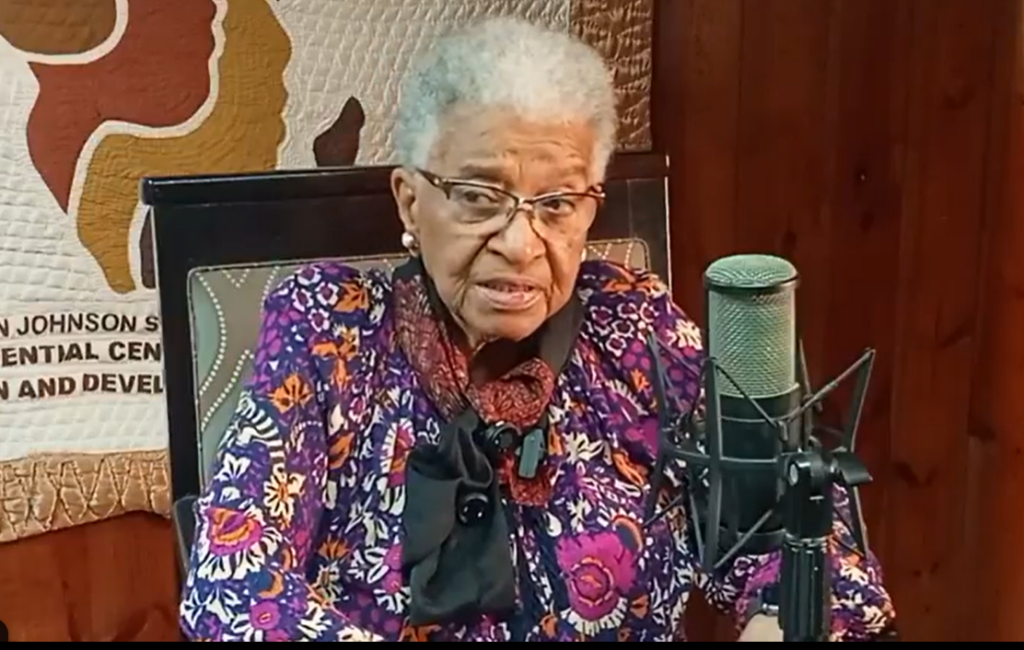
The exchange has drawn comparisons to Sirleaf’s own public clash with former President George Manneh Weah during the 2020 Christmas season, when Sirleaf criticized what she called the “opulence” displayed during the Executive Mansion Christmas Tree lighting ceremony while many Liberians struggled economically.
At the time, former President Weah responded aggressively, accusing Sirleaf’s administration of corruption and financial mismanagement. The unusual public confrontation between two former allies underscored how sanitation, governance, and public symbolism have increasingly become politically charged issues in Liberia.
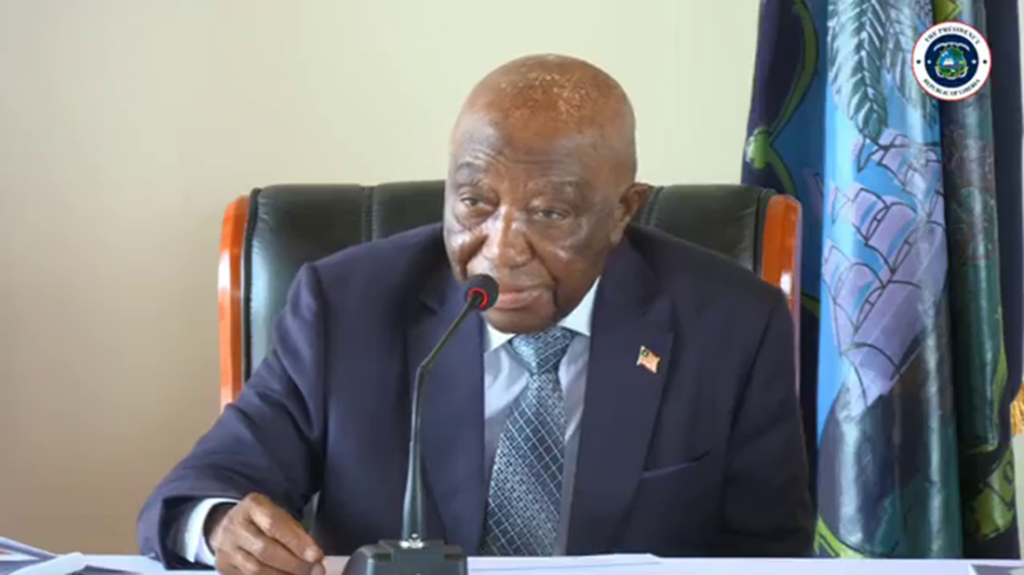
Now, President Boakai finds himself confronting similar scrutiny over Monrovia’s appearance, especially as his administration intensifies demolition exercises and urban cleanup operations across the city.
During the Cabinet Meeting, Boakai defended some of the controversial cleanup measures being implemented by his government, arguing that difficult decisions are necessary if Liberia hopes to modernize and compete globally.
“We want to make sure that we realize that we need improvement in our road condition, in our way of doing things, because we are in a global community,” the President said.
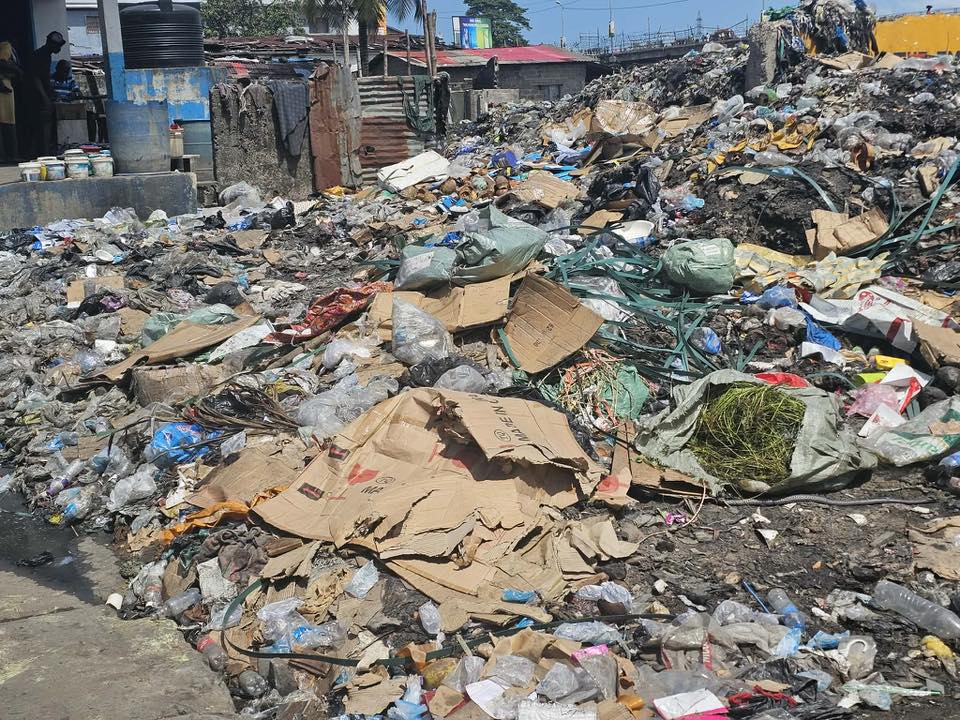
The Liberian leader also highlighted ongoing efforts to involve ordinary citizens in waste management and recycling initiatives, particularly young people and small Liberian-owned enterprises engaged in garbage collection and plastic recycling.
“I went to the city and I saw a lot of plastic that people are collecting and they are selling,” Boakai noted, while emphasizing the need to support local sanitation businesses and community cleanup initiatives.
Historically, Monrovia’s sanitation crisis has remained one of the city’s most persistent governance problems since the end of Liberia’s civil war. Successive administrations have struggled with weak waste disposal systems, clogged drainage networks, poor urban planning, and rapid population growth.
Despite repeated government interventions — including controversial crackdowns during the tenure of former Monrovia City Mayor Mary Broh — garbage accumulation, flooding, and illegal dumping continue to plague major parts of the capital.
President Boakai, however, insisted that his administration remains committed to improving urban conditions gradually while balancing economic hardship and limited government resources.
“We are doing these things for the benefit of the people,” he told Cabinet officials.
Follow The Liberian Post on Facebook and X (formerly twitter)