MONROVIA — Criminal Court “C” at the Temple of Justice on Friday delivered a major legal and political blow to the government after a jury returned a largely not-guilty verdict in favor of former Finance and Development Planning Minister Samuel D. Tweah Jr. and several former officials of the Coalition for Democratic Change (CDC) administration in the widely publicized US$6.2 million economic sabotage case.
The verdict followed months of courtroom battles, political tension, and intense national attention surrounding allegations that former senior government officials illegally diverted and misapplied public funds linked to national security operations.
The case, prosecuted by the Liberian government through the Ministry of Justice and the Liberia Anti-Corruption Commission (LACC), accused Tweah and four co-defendants of economic sabotage, theft of property, money laundering, criminal facilitation, and criminal conspiracy involving approximately US$6.2 million and over LD$1 billion in public funds.
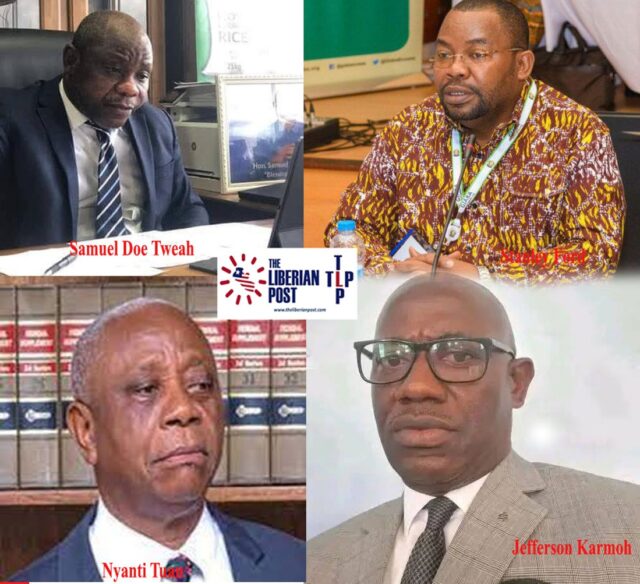
Those indicted alongside Tweah included former Acting Justice Minister Cllr. Nyanti Tuan, former National Security Advisor Jefferson Karmoh, former Financial Intelligence Agency Director Stanley S. Ford, and former FIA Comptroller D. Moses P. Cooper.
Jury Verdict
According to court proceedings and multiple Liberian media reports, the jury cleared Samuel Tweah of all major charges, including:
- Economic sabotage
- Theft of property
- Money laundering
- Criminal facilitation
- Criminal conspiracy
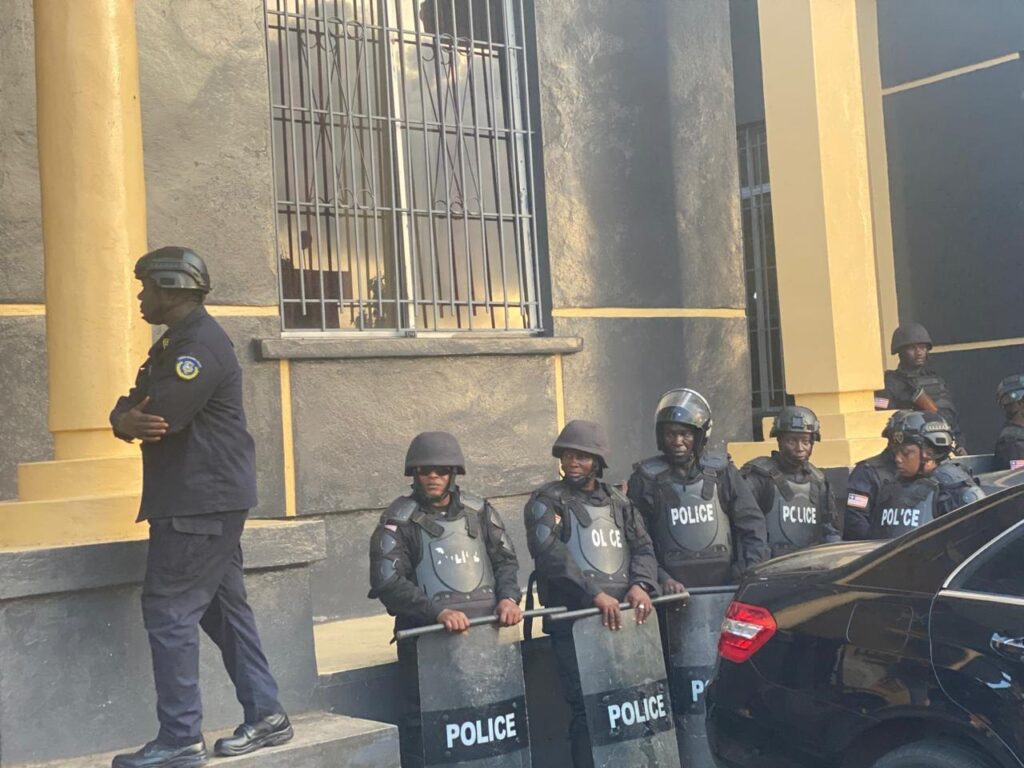
The verdict triggered jubilation among supporters of the former CDC administration, many of whom gathered around the Temple of Justice during the proceedings.
However, the ruling was mixed for some co-defendants.
Reports indicate that former National Security Advisor Jefferson Karmoh was acquitted of major financial crimes but found guilty on charges related to criminal conspiracy and criminal facilitation, while Cllr. Nyanti Tuan reportedly faced convictions on several counts, including theft of property and conspiracy.
Background to the Case
The case originated in July 2024 after investigators alleged that members of the former CDC government unlawfully withdrew and managed funds reportedly intended for national security purposes.
Government prosecutors argued that the accused officials circumvented established public financial management procedures and failed to properly account for the funds.
The matter quickly evolved into one of Liberia’s most politically sensitive corruption prosecutions since the end of the George Weah administration.
Defense lawyers consistently argued that the transactions were legitimate national security expenditures approved under executive authority and protected by confidentiality provisions relating to state security operations.
Throughout the trial, Tweah strongly denied wrongdoing and accused investigators of misunderstanding how government and national security financing systems operate.
The case also produced several dramatic legal twists, including Supreme Court interventions, disputes over judicial assignments, arguments over constitutional immunity, and controversies surrounding bond requirements and prosecutorial procedures.
Political and Legal Implications
Friday’s verdict is expected to carry major political implications for Liberia’s anti-corruption efforts and the country’s already polarized political environment.
Supporters of former President George Manneh Weah described the ruling as vindication and evidence that the prosecution was politically motivated.
Critics of the government, including several CDC partisans on social media and local radio programs, celebrated the acquittal as a humiliation for state prosecutors.
Meanwhile, anti-corruption advocates are likely to question the outcome and its potential impact on future public corruption prosecutions in Liberia.
The case had widely been viewed as a major test of the Boakai administration’s commitment to fighting corruption and ensuring accountability for former public officials.
For now, however, one of Liberia’s most politically explosive corruption trials has ended with the acquittal of its most prominent defendant.
Follow The Liberian Post on Facebook and X (formerly twitter)