MONROVIA — President Joseph Nyuma Boakai is accelerating efforts to modernize Liberia’s governance architecture through an ambitious digital transformation agenda aimed at improving public services, strengthening cybersecurity, and enhancing national planning systems.
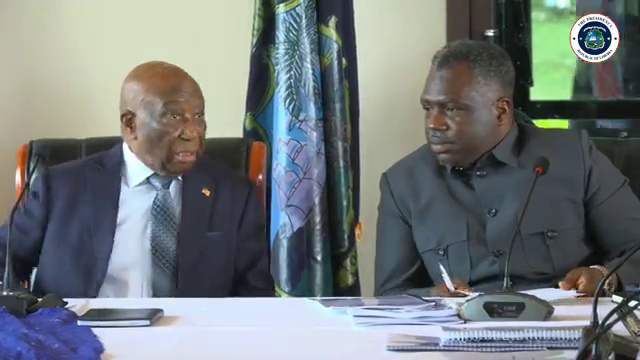
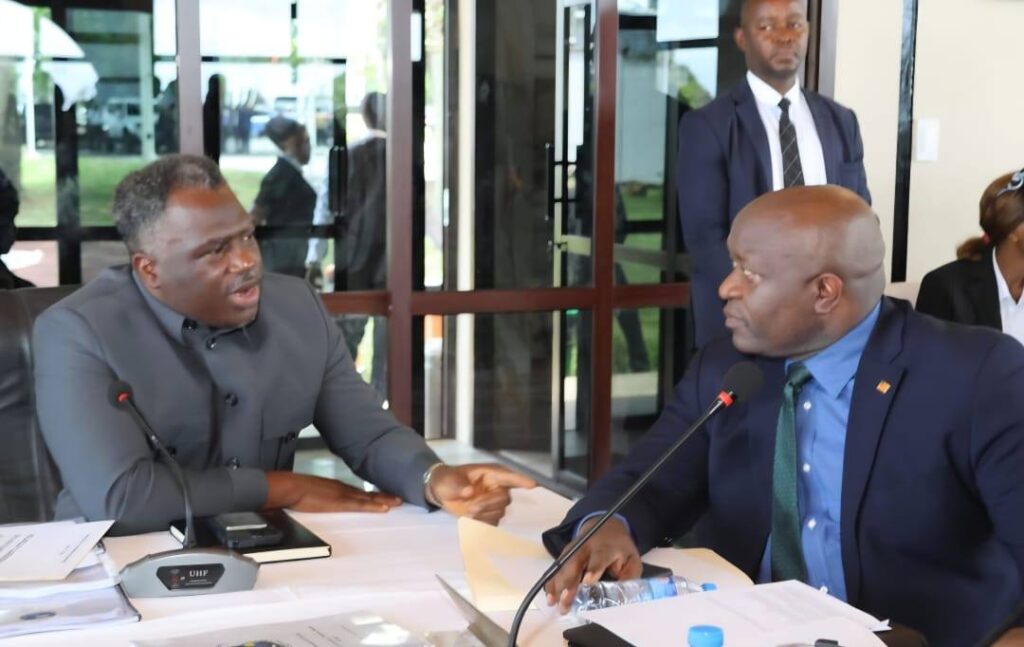
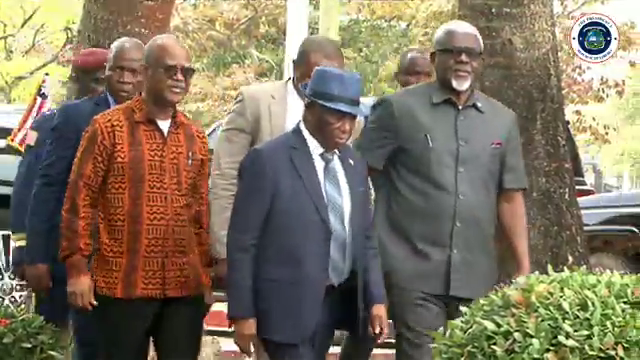
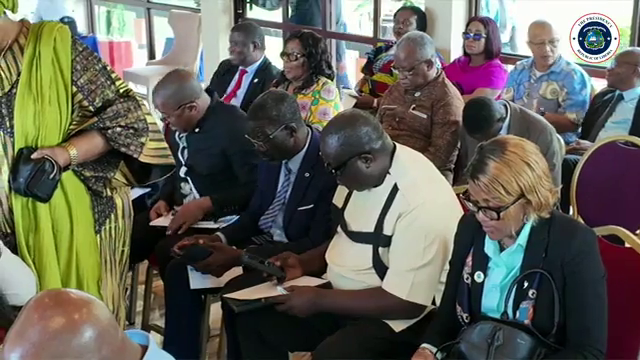
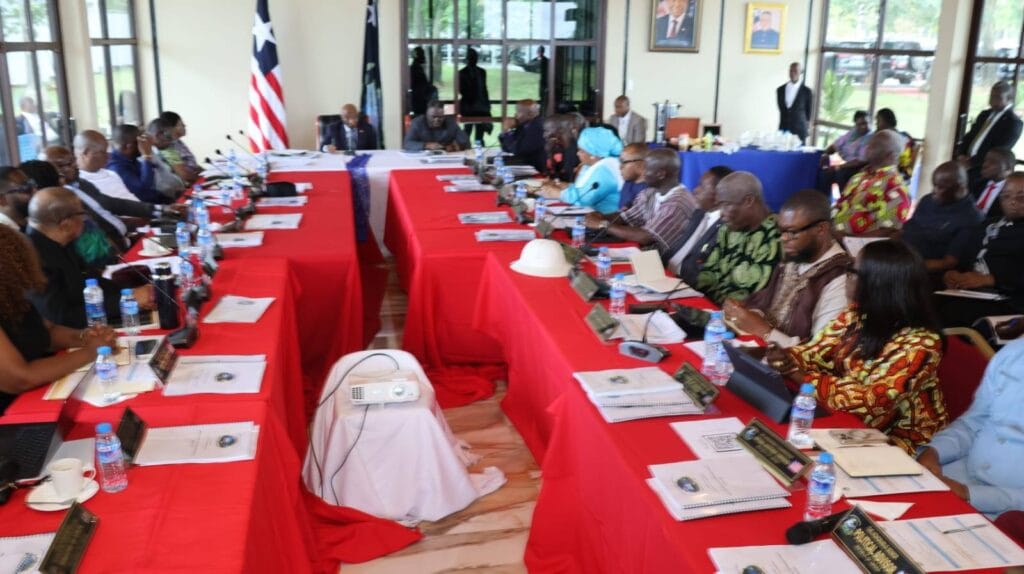
The push was highlighted Thursday, May 7, during the President’s 5th Cabinet Meeting and 4th Sitting at the Executive Mansion, where top government officials discussed a series of digital reforms, including the establishment of Liberia’s first comprehensive national postal address system.
Director General of the Cabinet, Nathaniel Kwabo, described the absence of a standardized address system as one of Liberia’s longstanding governance challenges.
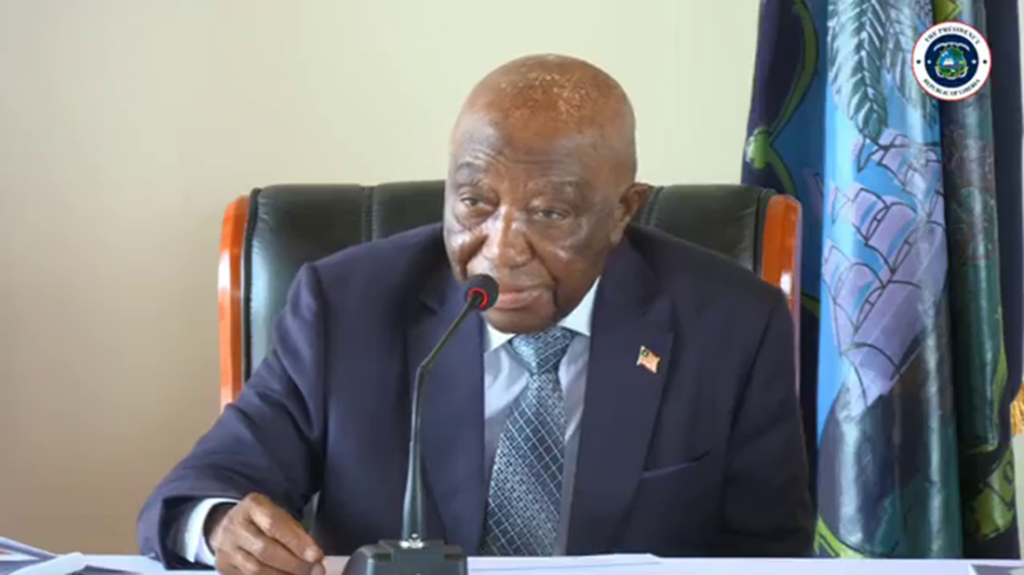
“The President is always speaking about reform,” Kwabo said while introducing the agenda item before Cabinet. “We have been talking about this issue both here and abroad.”
The proposed national address system is expected to improve mail delivery, emergency response, urban planning, taxation, property identification, and digital commerce.
The Cabinet Meeting also focused heavily on cybersecurity legislation, digital identity management, data protection, e-governance, and modernization of government services.
President Boakai emphasized that Liberia cannot remain trapped in outdated paper-based administrative systems while the rest of the world advances technologically.
“We are in a global community,” the President said. “We need improvement in our way of doing things.”
Government officials at the meeting repeatedly stressed the importance of digital identity systems in improving access to healthcare, education, banking, and public services.
The discussions come as Liberia increasingly expands digital services across several sectors, including online police clearance processing, mobile money payment systems, and electronic government procurement.
Officials noted that digitization can help reduce corruption, improve transparency, and make public services more accessible to ordinary citizens.
Cabinet discussions also included proposed legislation on national cybersecurity and personal data protection, reflecting growing global concerns over cybercrime and digital privacy.
Historically, Liberia has struggled with weak data systems, fragmented public records, and limited technological infrastructure, problems that have often undermined effective governance and economic planning.
However, the Boakai administration now appears determined to reposition Liberia within the modern digital economy.
The President also highlighted the growing importance of digital literacy among young Liberians and referenced the rapid global emergence of artificial intelligence and digital innovation.
During the Cabinet session, officials further disclosed plans for a National Aircraft Registry similar to Liberia’s globally recognized maritime registry system.
The government also discussed expanding digital governance mechanisms to support taxation, business registration, procurement, and public administration.
President Boakai argued that digital transformation is no longer optional for Liberia’s development ambitions.

“Technology makes life easy,” one government official noted during the proceedings as discussions centered on reducing bureaucratic bottlenecks and improving service delivery.
Analysts say the reforms, if fully implemented, could significantly transform Liberia’s governance systems, particularly in areas of accountability, public records management, and economic inclusion.
The initiatives also align with broader continental efforts across Africa to modernize public administration through digital innovation and smart governance technologies.
Follow The Liberian Post on Facebook and X (formerly twitter)