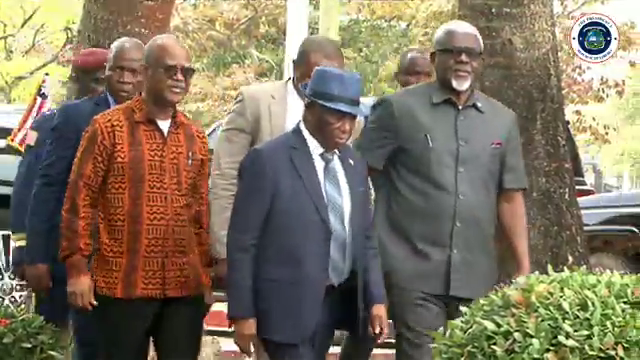
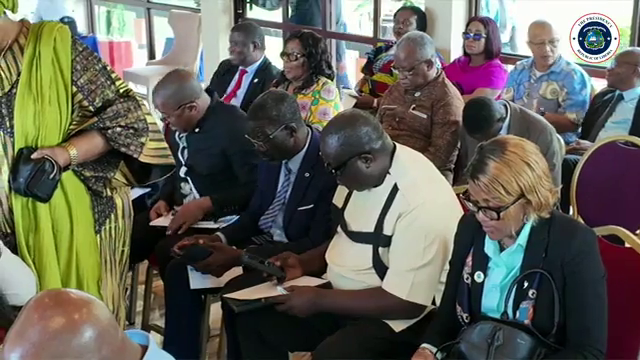
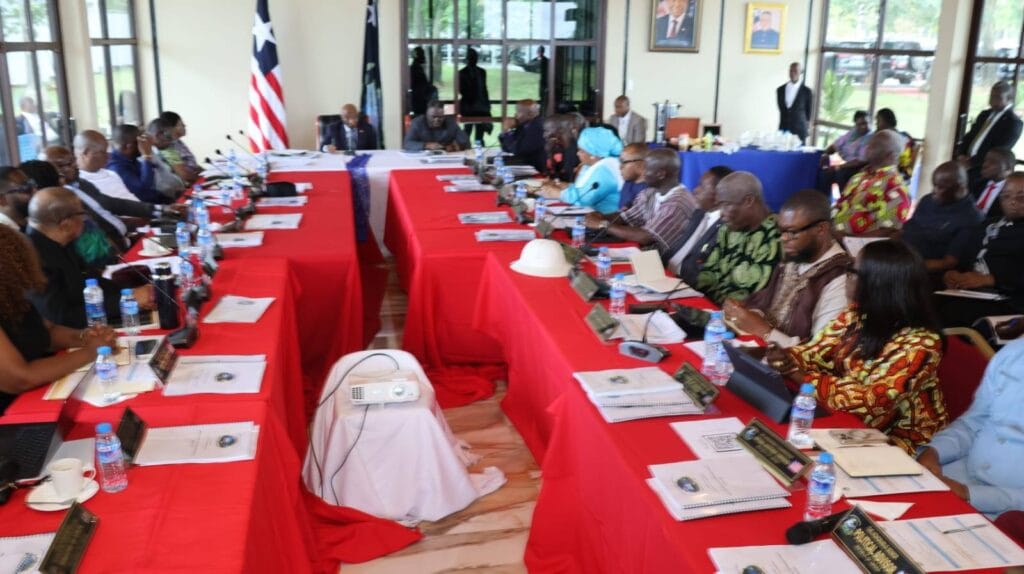
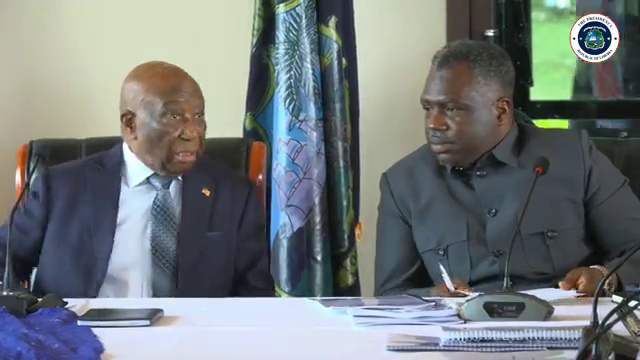
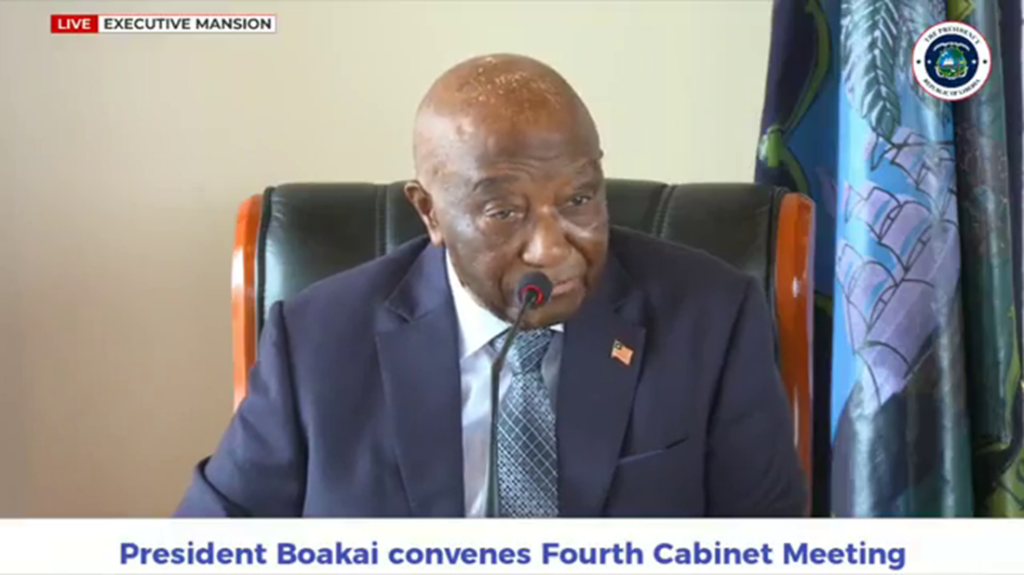
President Joseph Nyuma Boakai’s 5th Meeting and 4th Sitting of Cabinet on Thursday, May 7, was more than an ordinary administrative gathering. It was, in many respects, a revealing snapshot of the direction in which the Boakai administration wants to take Liberia.
For nearly the entire duration of the Cabinet session, the President emphasized themes that have long haunted Liberia’s governance landscape: indiscipline in public service, weak national image, foreign domination of local businesses, poor sanitation, weak institutional systems, and the urgent need for modernization.
What made the meeting significant was not simply the issues discussed, but the bluntness with which President Boakai addressed them.
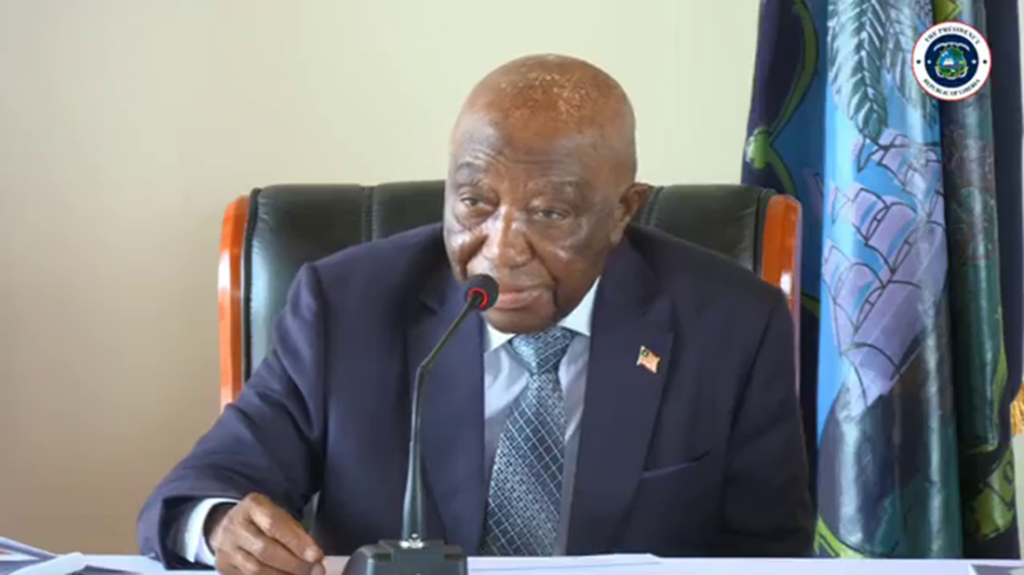
The President’s warning to government officials about careless public statements was particularly important.
“You’re not speaking for yourself,” he cautioned Cabinet members and political appointees. “Whatever you say now represents Liberia.”
That statement alone captures one of the greatest weaknesses that has undermined successive Liberian governments: the absence of message discipline and institutional seriousness.
For too long, some public officials have mistaken governance for political entertainment. Ministers, deputy ministers, assistant ministers, and political operatives often rush to radio stations, Facebook Live broadcasts, and social media platforms to make inflammatory or poorly thought-out comments that embarrass the government and confuse the public.
Liberia is no longer a country struggling for mere international recognition. Today, Liberia sits on the United Nations Security Council as a non-permanent member. The country’s democratic transitions are increasingly cited internationally as examples of post-conflict political maturity.
In such an environment, words matter.
President Boakai was therefore correct to remind officials that they now represent not merely themselves, but the Republic of Liberia.
Equally significant was the President’s strong push for greater Liberian ownership of the economy.
His frustration over foreigners dominating businesses traditionally reserved for Liberians reflects a concern shared by many ordinary citizens across the country.
“You take people here mining sand, selling sand to us,” the President lamented.
For decades, Liberia’s economic structure has produced a troubling contradiction: while foreign investors dominate major sectors and increasingly control petty commerce, many Liberians remain economically marginalized in their own country.
The President’s call for intentional support to Liberian-owned businesses, entrepreneurship, and local partnerships is therefore timely and necessary.
However, economic nationalism must be pursued intelligently, not emotionally.
Liberia still requires foreign investment, foreign expertise, and international partnerships. The challenge is ensuring that Liberians themselves become meaningful participants — not spectators — within the national economy.
President Boakai also confronted another politically sensitive issue: the condition of Monrovia.
Only days after former President Ellen Johnson Sirleaf described Monrovia as “filthy,” President Boakai acknowledged that the capital remains dirty compared to other global cities, even while arguing that conditions have improved.
“Monrovia may be dirty compared to maybe other cities,” he admitted.
That honesty is important.
Sanitation is not merely an aesthetic issue; it is a governance issue. Dirty streets, clogged drainage systems, uncontrolled dumping, and poor urban planning reflect institutional weakness and declining civic discipline.
Liberia cannot genuinely aspire to become a modern investment destination while its capital city struggles with basic cleanliness and waste management.
At the same time, the President’s emphasis on digital transformation, cybersecurity, national identity systems, and modernization reflects an administration increasingly aware that Liberia risks falling behind in a rapidly evolving world.
The proposed national address system, digital governance reforms, and identity management initiatives could become transformational if properly implemented.
For decades, Liberia’s weak records systems, fragmented public administration, and outdated bureaucracy have undermined planning, taxation, emergency response, and service delivery.
Modernization is no longer optional.
Overall, Thursday’s Cabinet Meeting revealed a President increasingly conscious of Liberia’s image, governance weaknesses, and structural economic challenges.
But speeches alone will not solve these problems.
The real test now is implementation.
Can the Boakai administration enforce discipline within government? Can it genuinely empower Liberian businesses without scaring away investors? Can it clean Monrovia beyond rhetoric? Can it modernize institutions fast enough to meet public expectations?
These are the questions that will ultimately define this presidency.
The President has identified many of the right problems.
Liberians are now waiting for lasting solutions.
Follow The Liberian Post on Facebook and X (formerly twitter)