The controversy surrounding the verdict in the US$6.2 million case is not fading anytime soon — and rightly so. The debate now raging across Liberia is not simply about politics, personalities, or partisanship. It is about logic, accountability, and the integrity of the justice system itself.
At the center of the public confusion is one troubling question: How can former Finance Minister Samuel D. Tweah walk free after openly admitting in court that he authorized and justified the withdrawal of the money for “national security purposes,” yet the very national security operation used to justify the transaction was never proven before the court?
This is the contradiction that many Liberians are struggling to understand.
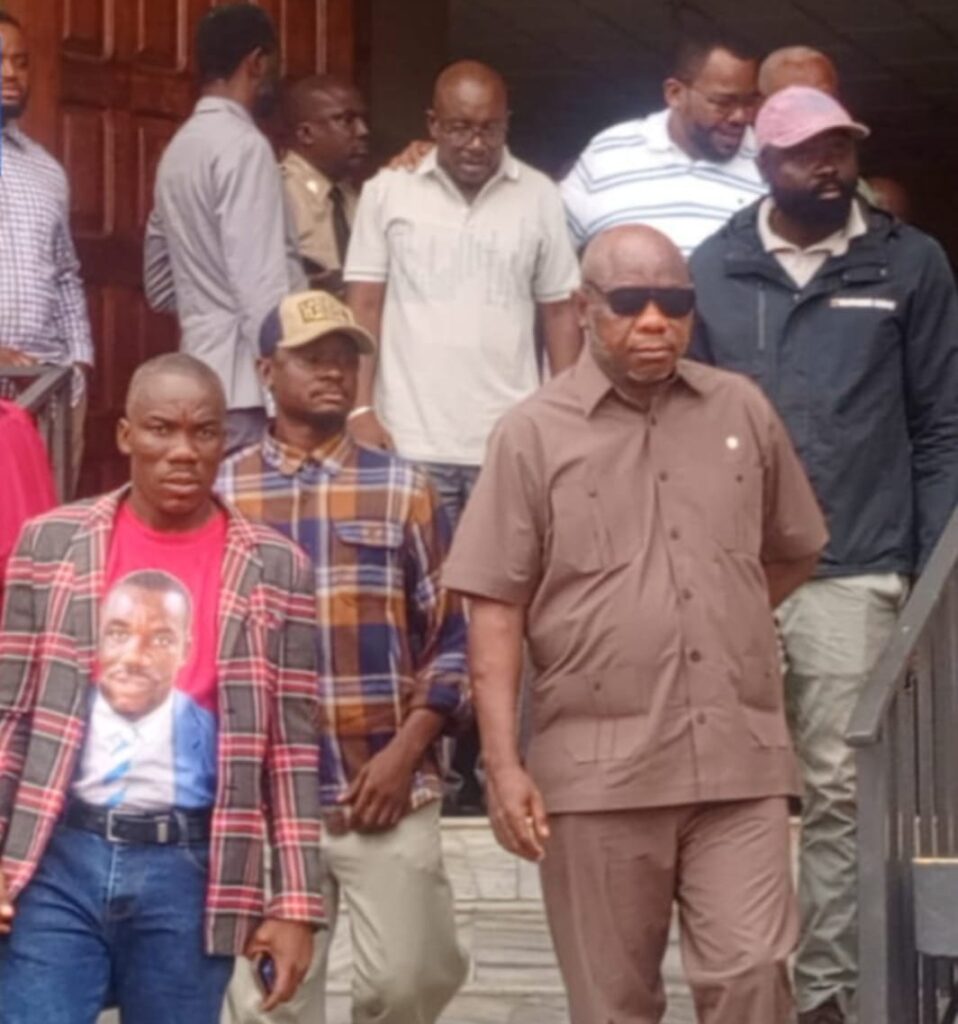
Even legal minds are now publicly questioning the coherence of the verdict. Former Supreme Court spokesman Ambrose Nmah made perhaps the most compelling argument when he pointed out that the prosecution successfully established that the money was taken from the Central Bank and that the claimed national security justification was never substantiated.
According to Nmah, the jury essentially accepted that public money was unlawfully removed and misused. Yet somehow, the officials accused of authorizing and directing the transaction escaped criminal liability while others, considered subordinate actors, were convicted.
That inconsistency is precisely why this case continues to provoke national outrage and intense legal scrutiny.
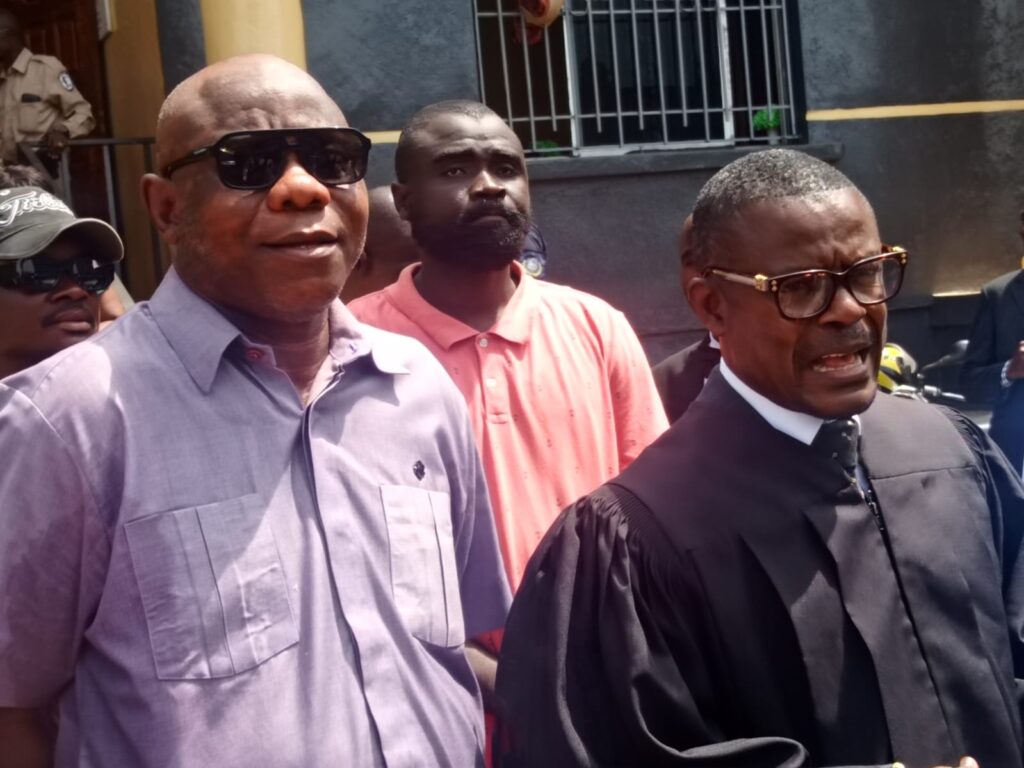
If the court accepted that the US$6.2 million was indeed taken, and if the prosecution proved that there was no credible evidence showing the money was used for legitimate national security operations, then the natural question becomes: Who authorized the transaction? Who controlled the process? Who exercised decision-making authority?
During testimony, former Minister Tweah reportedly did not distance himself from the transaction. According to comments now circulating publicly from legal analysts, he defended the withdrawal and argued that, as Finance Minister, he had the authority to do what he did.
That admission alone should have triggered serious legal consequences or, at minimum, stronger judicial scrutiny.
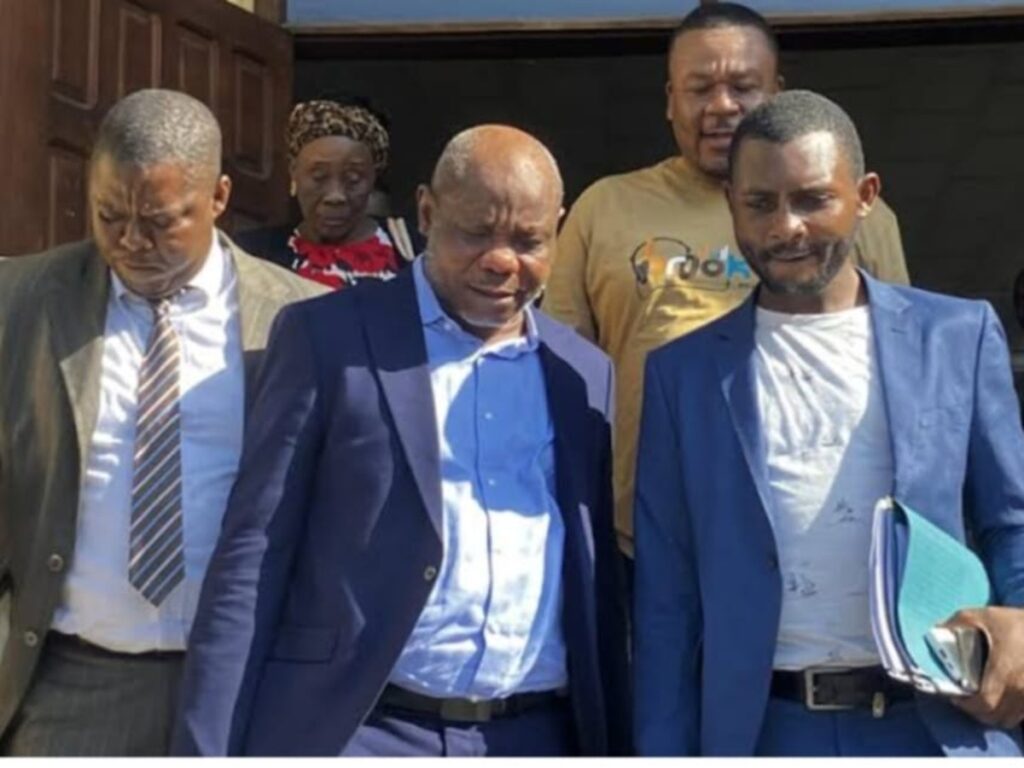
This newspaper is not arguing that any citizen should be convicted merely because public anger demands it. Courts must be guided by evidence, not emotions. But when the evidence itself allegedly includes an admission of authorization, coupled with a failure to prove the stated purpose for which the money was withdrawn, then acquittal naturally raises legitimate questions.
The public is not confused because the case was politically sensitive. The public is confused because the verdict appears logically disconnected from the facts that emerged during trial.
This is why many legal observers now believe the matter is far from over.
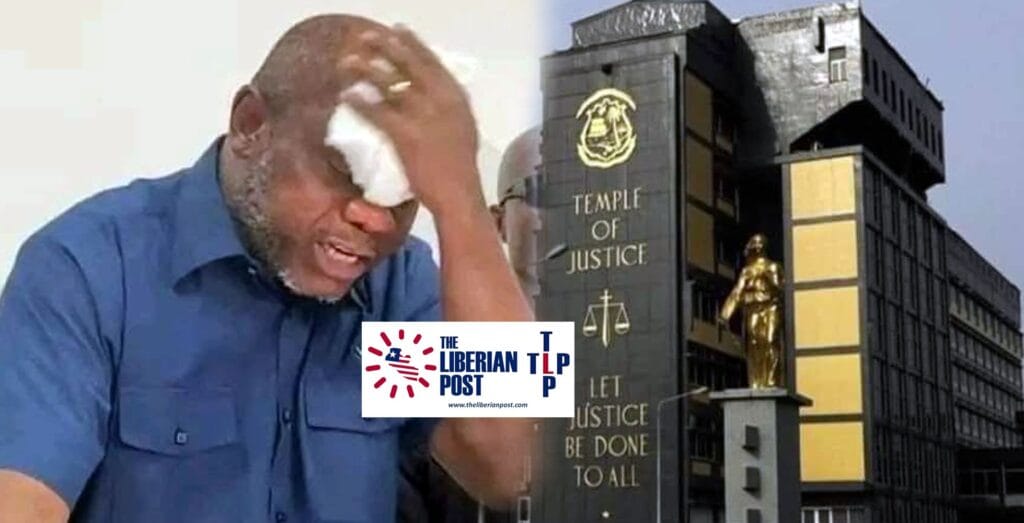
Under Liberia’s legal system, appeals exist precisely to review situations where verdicts appear inconsistent with the evidence presented. The Supreme Court may eventually be forced to confront a deeply uncomfortable issue: Can individuals accused of acting collectively in a single transaction be treated differently when the underlying facts suggest coordinated action?
That question now hangs heavily over the justice system.
More importantly, this case exposes a broader national crisis regarding accountability in public service. Liberia remains a country where ordinary citizens struggle daily with poor roads, inadequate hospitals, failing schools, unemployment, and rising hardship. In such an environment, allegations involving millions of public dollars cannot be treated casually.
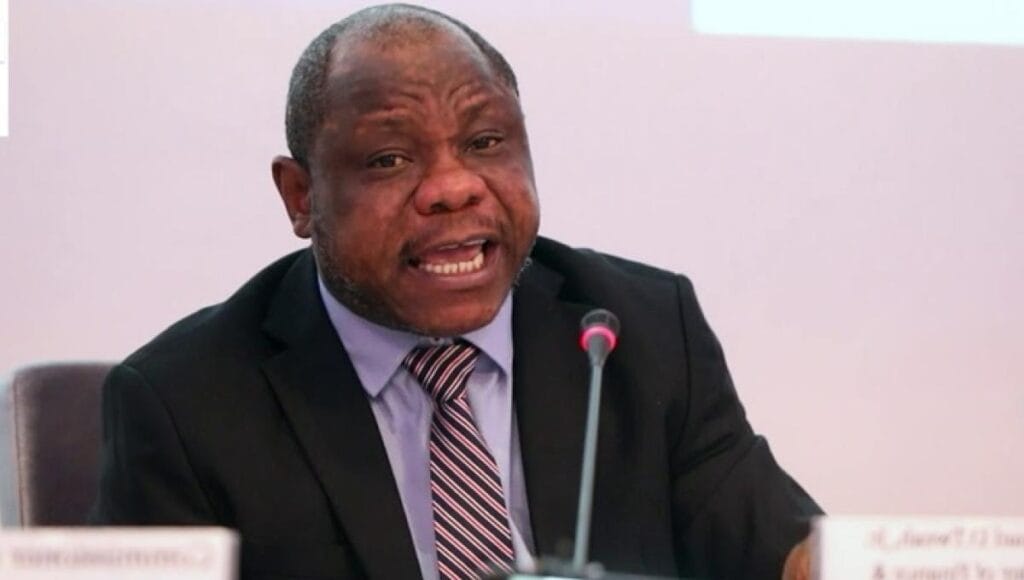
The symbolism matters.
When powerful officials are accused of mishandling public funds and later walk free despite controversial evidence and admissions, public confidence in accountability weakens. Citizens begin to believe that justice is selective, complicated, and ultimately inaccessible when elite figures are involved.
That perception is dangerous for democracy.
What Liberia needs now is not political celebration or partisan victory laps. What Liberia needs is clarity. The courts owe the Liberian people a verdict that not only satisfies legal procedure but also withstands public reasoning and moral scrutiny.
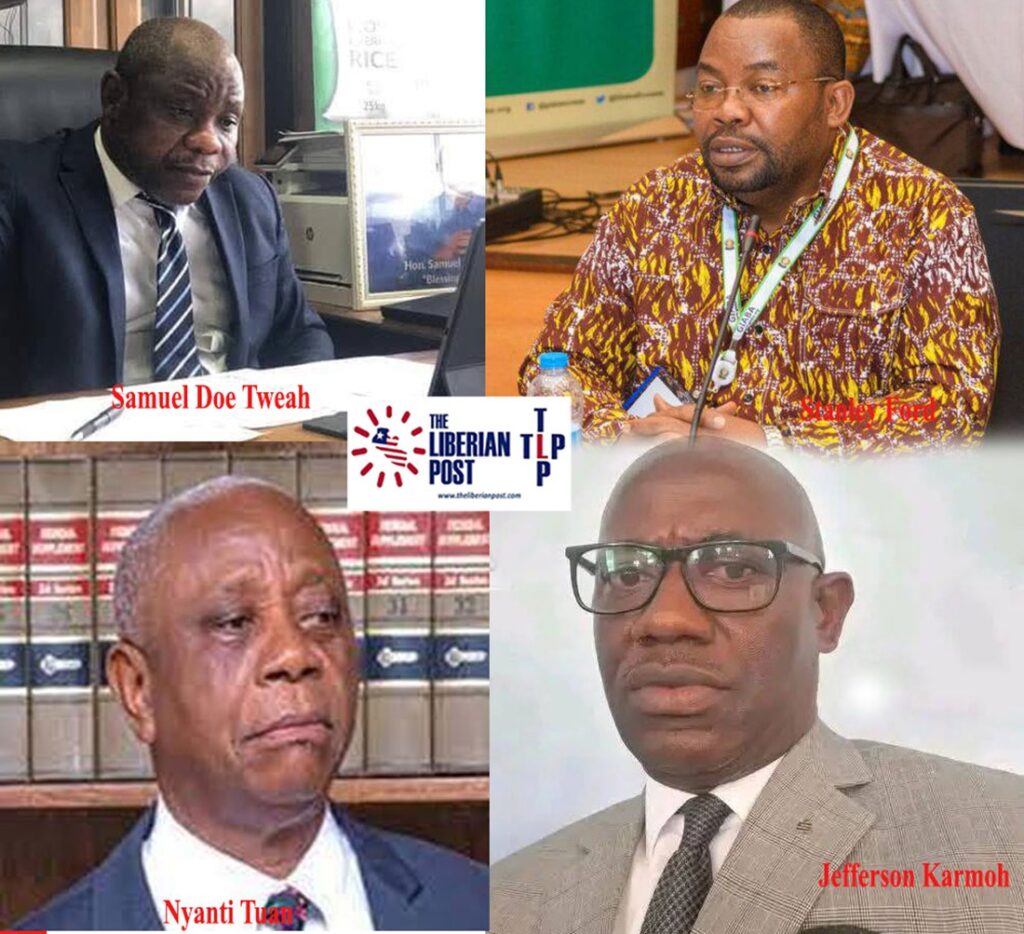
Because if public money disappeared, and if the claimed national security justification was never proven, then the Liberian people deserve to know: Who should be held responsible?
Until that question is convincingly answered, this debate will continue — in courtrooms, on radio talk shows, in communities, and across the nation.
Follow The Liberian Post on Facebook and X (formerly twitter)