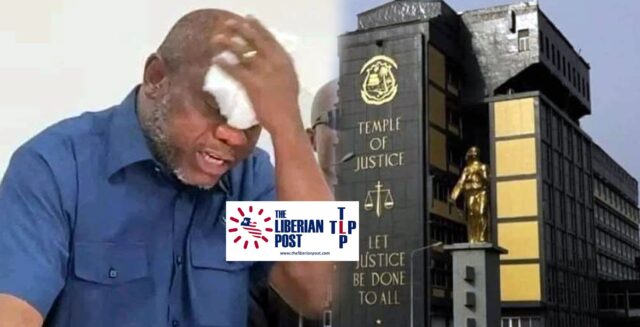
-As Experts Raise Questions Over $6.2 Million Verdict, Responsibility
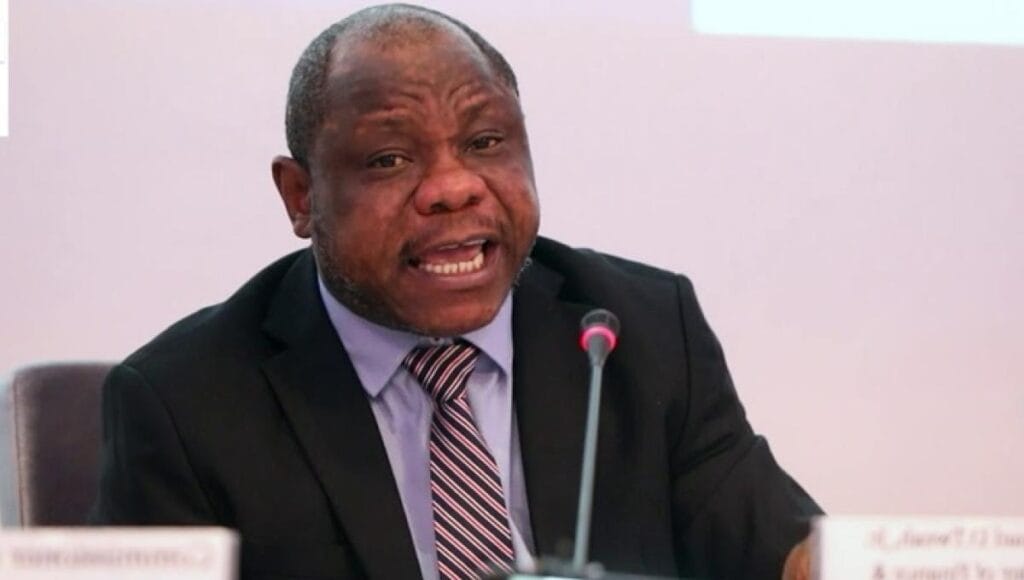
MONROVIA – The political and legal debate surrounding the controversial verdict in Liberia’s high-profile US$6.2 million corruption case appears far from over, as legal experts and public commentators continue to raise serious questions about the jury’s decision to acquit former Finance and Development Planning Minister Samuel D. Tweah and several co-defendants while convicting others accused in the same transaction.
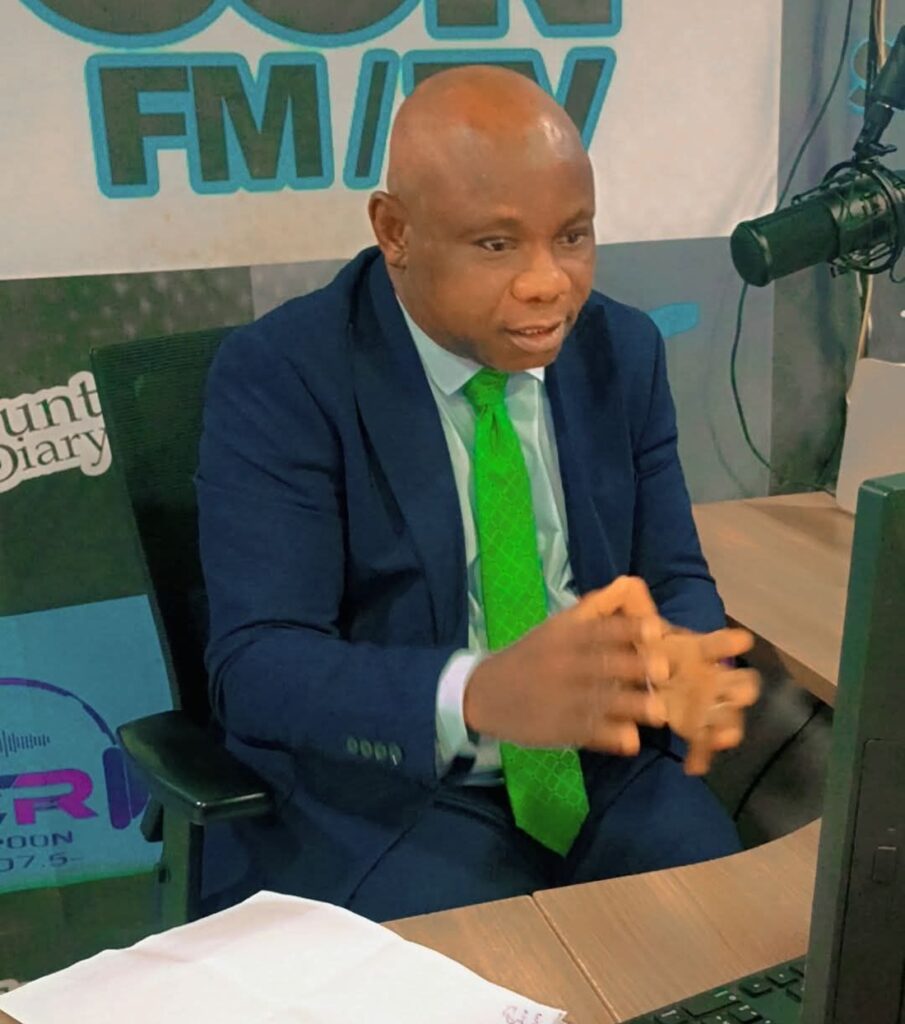
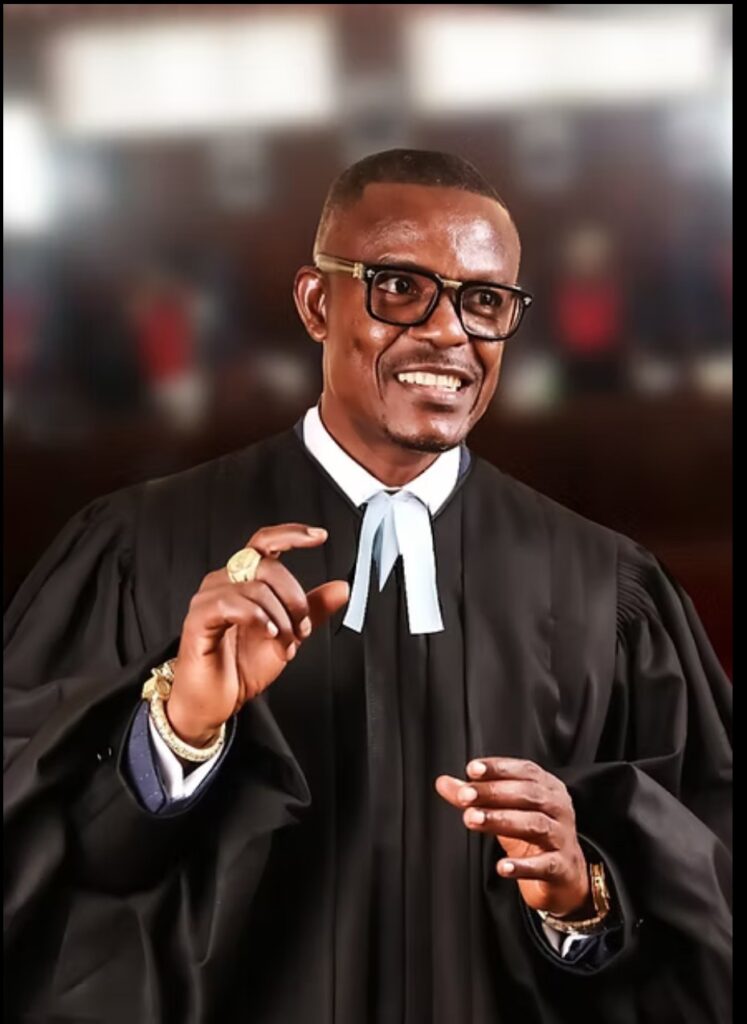
At the center of the growing post-verdict controversy is former Supreme Court spokesman Ambrose Nmah, who argues that although the prosecution succeeded in proving that public money was unlawfully withdrawn and misused, the jury reached what he described as a puzzling and legally complicated conclusion regarding who should bear criminal responsibility.
Speaking on a local talk show following the verdict, Nmah asserted that the prosecution effectively proved that the US$6.2 million was removed from the Central Bank of Liberia under the pretext of national security without lawful justification.
“The prosecution went to court, indicted people for stealing 6.2 million dollars. They carried five people to court and said these people stole government money,” Nmah said. “The government proved that the money was taken from the Central Bank without authority. The government proved that there was no national security issue for which they used the money, and the money did disappear.”
According to him, the jury essentially accepted the prosecution’s core argument that the money was unlawfully taken, but controversially separated some defendants from criminal liability while convicting others.
“The jury agreed with the government that people stole the Liberian people’s money,” he stated. “But the jury said, ‘Here are the people who stole the money, but the other person isn’t in there.’”
The verdict has triggered intense public debate because the accused officials were tried jointly under allegations of conspiracy, theft of property, economic sabotage, and misuse of public funds tied to the controversial withdrawal of US$6.2 million reportedly intended for national security operations.
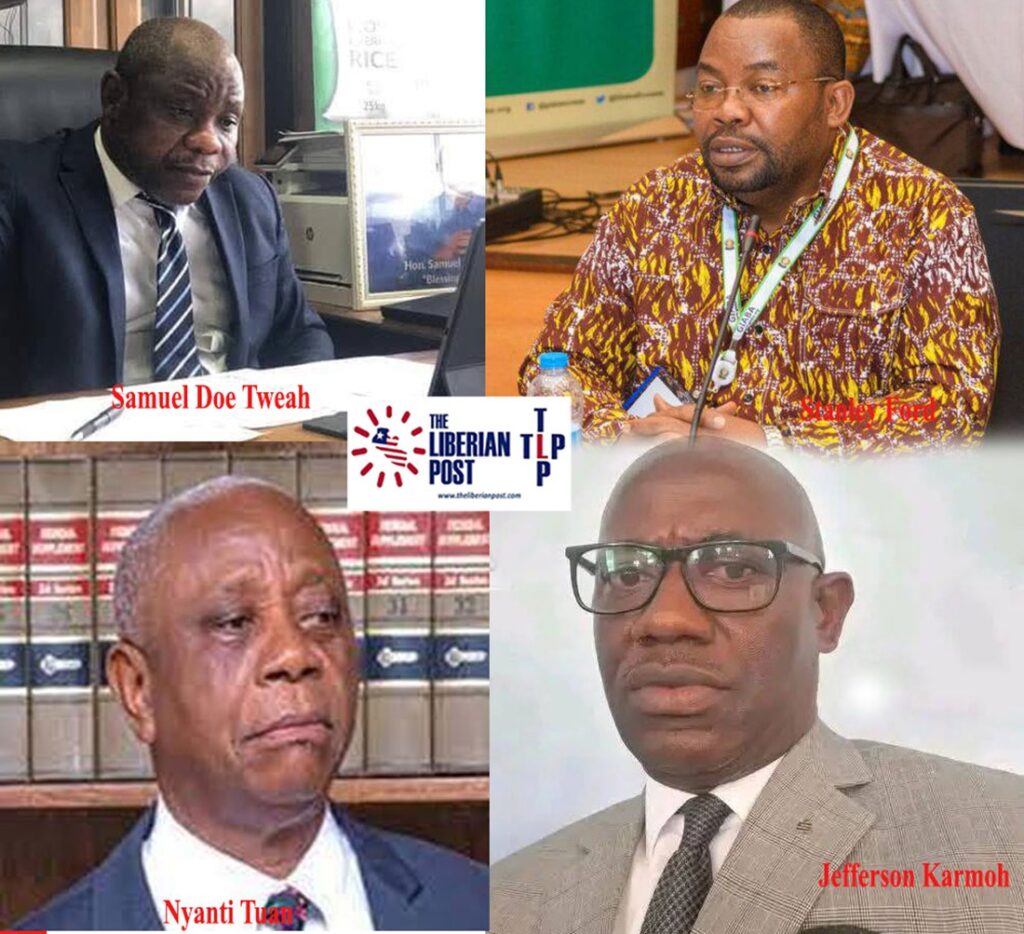
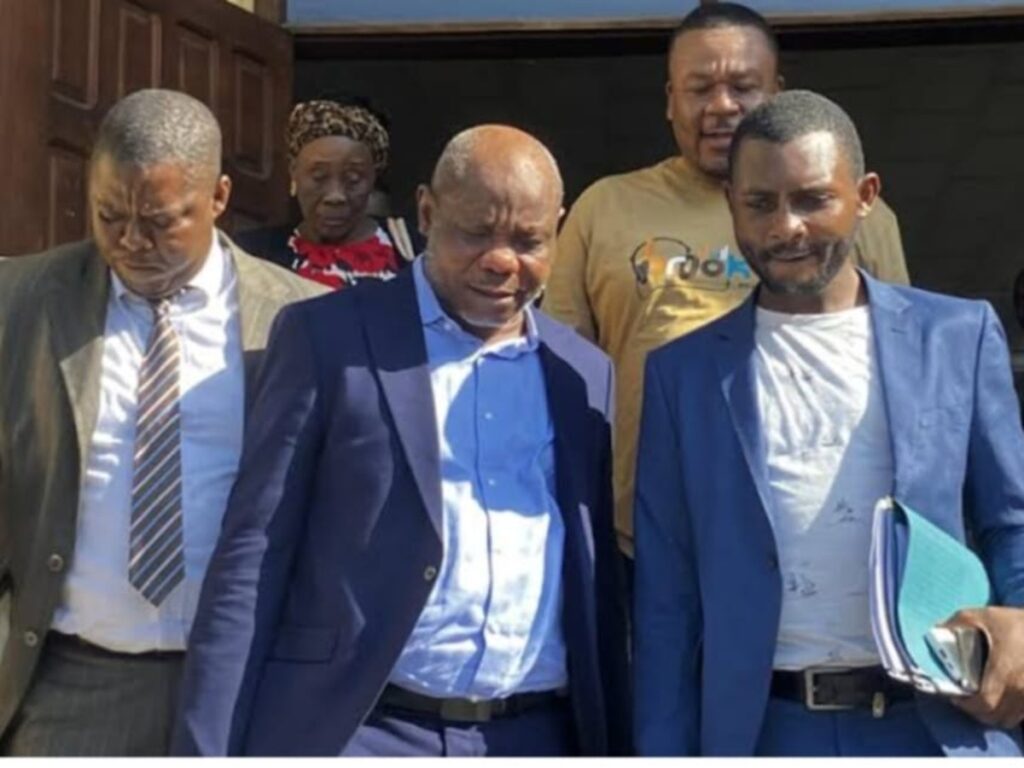
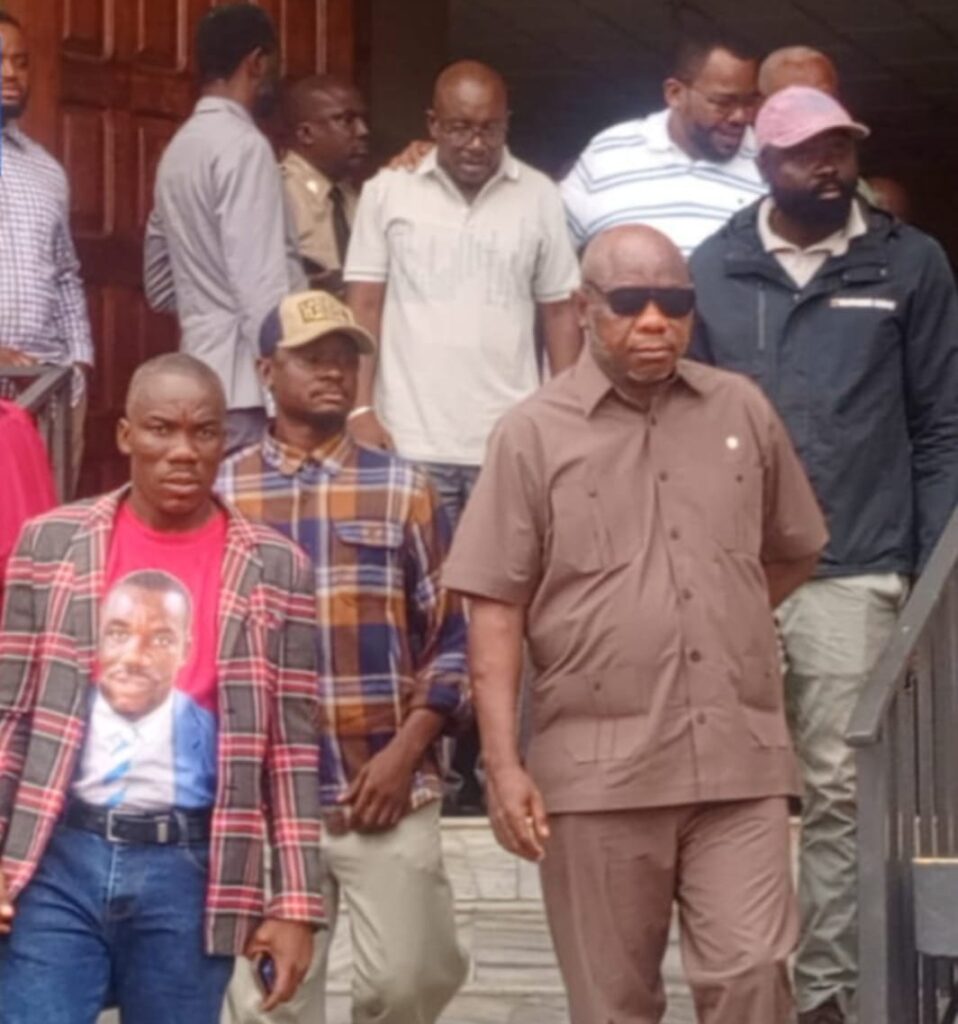
While the jury acquitted former Minister Tweah and some co-defendants, it convicted former Financial Intelligence Agency Acting Director Stanley Ford and others, including Jefferson Karmoh and Nyanti Tuan.
Nmah argued that the acquittals do not necessarily mark the end of the case, especially as appeals are expected before the Supreme Court.
“I don’t think it’s over yet,” he said. “For the first time in our country, we’re going to be seeing something strange.”
He explained that because the convicted defendants are likely to appeal, the Supreme Court could be confronted with complex legal questions involving joint criminal liability and the consistency of the jury’s verdict.
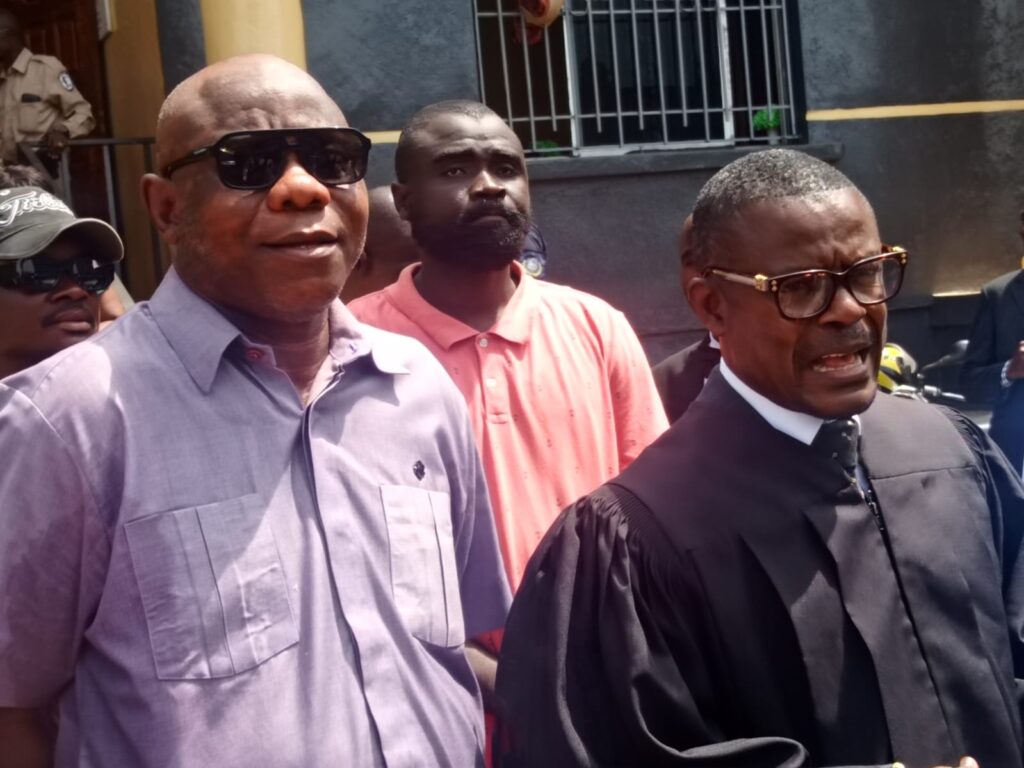
According to Nmah, Liberia’s highest court could affirm the convictions, overturn them entirely, or partially modify the verdict depending on its interpretation of the evidence and legal arguments presented on appeal.
“The Supreme Court can agree with the jurors. The Supreme Court can disagree with the jurors. Or the Supreme Court can agree in part and disagree in part,” he explained.
Nmah further suggested that the Supreme Court possesses the authority to review whether defendants tried together under the same factual circumstances could legally be treated differently by the jury.
He referenced the Supreme Court’s decision in the pension-related case involving former Defense Minister Brownie Samukai, where the Court ruled that co-defendants acted collectively and therefore shared collective liability.
“Looking at the facts and circumstances, the Supreme Court can say, ‘How can you take out this other person and leave this other person?’” Nmah argued.
He also pointed to testimony allegedly provided during the trial by former Minister Tweah, claiming that Tweah acknowledged authorizing the withdrawal while defending it as a national security expenditure.
“He justified taking the money. He said as Finance Minister he had the authority to do what he did,” Nmah said. “He put himself in there, and it’s in the record.”
The legal uncertainty surrounding the verdict has also drawn reactions from other commentators and legal practitioners.
U.S.-based Liberian political commentator Moses Sartre criticized what he described as growing public normalization of corruption, especially amid celebrations by some citizens following the acquittals.
“Seeing many poor citizens celebrate a verdict of ‘Not Guilty’ in a case involving the theft of public funds makes me wonder whether, as a society, we have normalized corruption beyond even the government officials we criticize,” Sartre wrote.
He argued that the verdict raises broader moral and governance concerns in a country where many citizens continue to struggle with poverty, poor roads, weak healthcare, unreliable electricity, and underfunded schools.
“A court verdict may settle the legal question, but it does not erase the deeper public concerns about governance, transparency, and accountability,” he added.
Meanwhile, legal practitioner Randy S.A. Tarpleh contended that the State still possesses several legal avenues, including filing a motion for a new trial on grounds that the verdict contradicts the evidence presented during trial.
Tarpleh argued that unresolved questions remain regarding conspiracy, facilitation, authorization, and institutional accountability surrounding the disputed transaction.
“The matter is far from settled,” Tarpleh stated. “The pursuit of justice, clarity, and accountability continues through the legal process.”
Similar concerns were raised by Emmanuel Azango, who noted that while the jury appeared to acknowledge that the US$6.2 million was unlawfully misappropriated, the acquittal of individuals allegedly exercising principal authority over the transaction has generated significant legal controversy.
Azango cited Chapter 22, Section 22.1 of Liberia’s Criminal Procedure Law, which empowers courts to vacate jury verdicts and order new trials where verdicts appear inconsistent with the weight of the evidence or where justice so requires.
The case stems from allegations that senior government officials authorized and facilitated the withdrawal of US$6.2 million from the Central Bank of Liberia under claims of national security spending during the administration of former President George Weah. Prosecutors argued that the funds were unlawfully removed and improperly accounted for, while the defense maintained that the expenditures were legitimate security-related transactions.
With appeals widely expected and legal interpretations sharply divided, the politically charged case is now poised to enter what many observers believe could become one of the most consequential Supreme Court reviews in Liberia’s recent judicial history.
Follow The Liberian Post on Facebook and X (formerly twitter)