
At a time when thousands of young Liberians continue to leave universities and colleges only to encounter the harsh realities of unemployment, frustration, and exclusion, the launch of the expanded 2026 National Cadet Program by the government deserves national attention — and cautious praise.
For far too long, Liberia’s greatest resource — its youthful population — has remained one of its most underutilized national assets. Every year, universities graduate hundreds of young people armed with academic credentials but denied practical experience, professional exposure, and meaningful pathways into the workforce. The result has been a dangerous cycle of hopelessness, dependency, migration, and growing public frustration among the youth population.
The National Cadet Program, if managed properly, has the potential to interrupt that cycle.

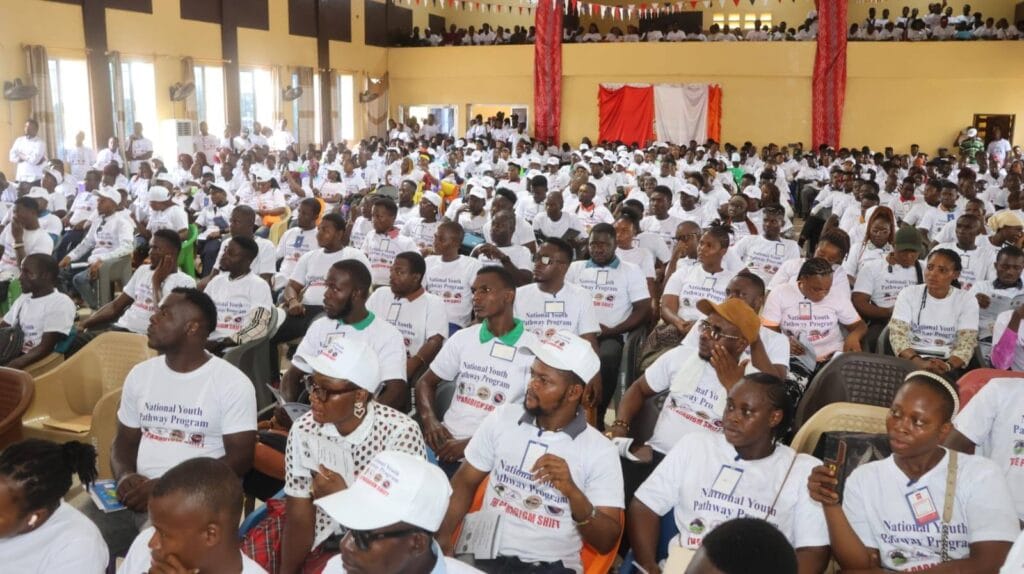
The decision by the Ministry of Youth and Sports to expand the initiative from 235 cadets to over 1,100 participants across all 15 counties is significant. More importantly, the government’s declaration that the program will now receive permanent budgetary support suggests that this initiative may evolve beyond political symbolism into an actual institutional intervention.
That matters.
Liberia cannot continue producing graduates only to abandon them immediately after commencement ceremonies. A degree without opportunity eventually becomes a source of bitterness rather than empowerment.
Youth and Sports Minister Cornelia W. Kruah was correct when she told the cadets: “This is your chance to prove yourself.” That statement captures the core importance of the program. In modern economies, employers increasingly demand experience before offering employment. Yet many young people are denied the very opportunities needed to gain that experience. The cadet program attempts to bridge that gap.

But while the initiative deserves commendation, it must not become another government project dominated by speeches, photo opportunities, and temporary excitement without measurable long-term outcomes.
The real test will begin after the launch ceremony ends.
Will the cadets actually receive meaningful workplace exposure? Will ministries and agencies treat them as professionals in training or simply as temporary office assistants? Will the selection process remain transparent and merit-based? Will political favoritism eventually overtake competence? And perhaps most importantly — how many of these cadets will eventually transition into sustainable employment?

Those are the questions that will ultimately determine whether this program succeeds or becomes another well-intentioned but short-lived intervention.
The government must also recognize that the cadet program alone cannot solve Liberia’s broader youth unemployment crisis. The country still faces enormous structural challenges: weak private sector growth, limited industrialization, insufficient vocational training opportunities, and an economy that struggles to absorb its growing labor force.
Still, this initiative represents an important beginning.
Finance Minister Augustine Kpehe Ngafuan made a particularly important point when he revealed that the program now has “permanent residence in the budget.” That statement signals seriousness. Too often in Liberia, youth programs are donor-driven, temporary, or abandoned once political attention shifts elsewhere. Institutionalizing youth empowerment within the national budget is a step in the right direction.
The inclusion of participants from all 15 counties also deserves recognition. Youth exclusion in Liberia is not limited to Monrovia. Young people in rural counties often face even greater barriers to employment, skills development, and professional networking. Expanding the program nationally sends a strong message that opportunity should not be determined by geography.

However, accountability must accompany expansion.
The Ministry of Youth and Sports should publish periodic reports detailing cadet placements, institutional participation, completion rates, retention outcomes, and employment statistics. Transparency will help build public confidence and protect the credibility of the program.
Host institutions must also resist the temptation to exploit cadets as cheap labor while denying them mentorship and professional growth opportunities. The purpose of a cadet program is development — not substitution for unpaid staffing shortages.

Equally important, the cadets themselves must approach the opportunity with seriousness and discipline. The workplace is different from the classroom. Technical competence matters, but so do punctuality, professionalism, communication skills, initiative, and integrity. Many employers today complain not only about lack of experience, but also about poor work ethic among some young employees. The cadets now have an opportunity to challenge those stereotypes.
Liberia stands at a critical demographic crossroads. A youthful population can either become a powerful engine for national growth or a source of instability if neglected. The difference often depends on whether governments create pathways for participation, productivity, and hope.

The National Cadet Program will not solve every problem facing Liberia’s youth. But if protected from politics, properly funded, transparently managed, and seriously implemented, it can become one of the country’s most important investments in human capital development.
The success of this initiative will not ultimately be measured by the size of the launch ceremony or the number of speeches delivered. It will be measured years from now — in the careers built, the opportunities created, and the lives transformed.

Liberia’s young people do not merely need promises anymore. They need access. They need opportunity. And above all, they need a government willing to invest in their future beyond slogans.
The National Cadet Program now has the chance to prove that such investment is finally beginning.
Follow The Liberian Post on Facebook and X (formerly twitter)