-As Government Launches National Economic Student Hub
MONROVIA – Finance and Development Planning Minister Augustine Kpehe Ngafuan has launched a passionate call for what he described as a national “knowledge revolution,” urging young Liberians to move beyond political slogans and become active architects of the country’s economic future through research, innovation, and policy engagement.
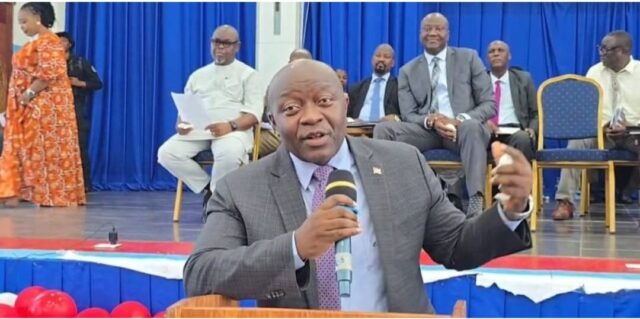
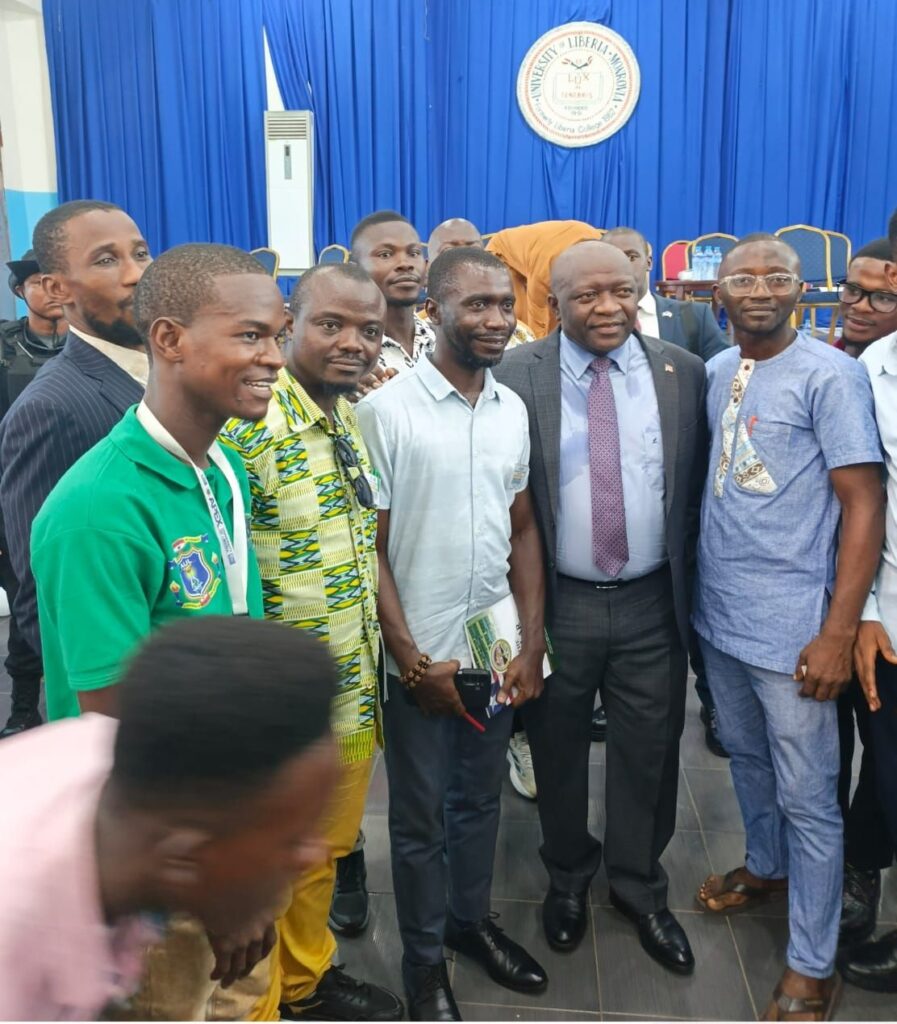
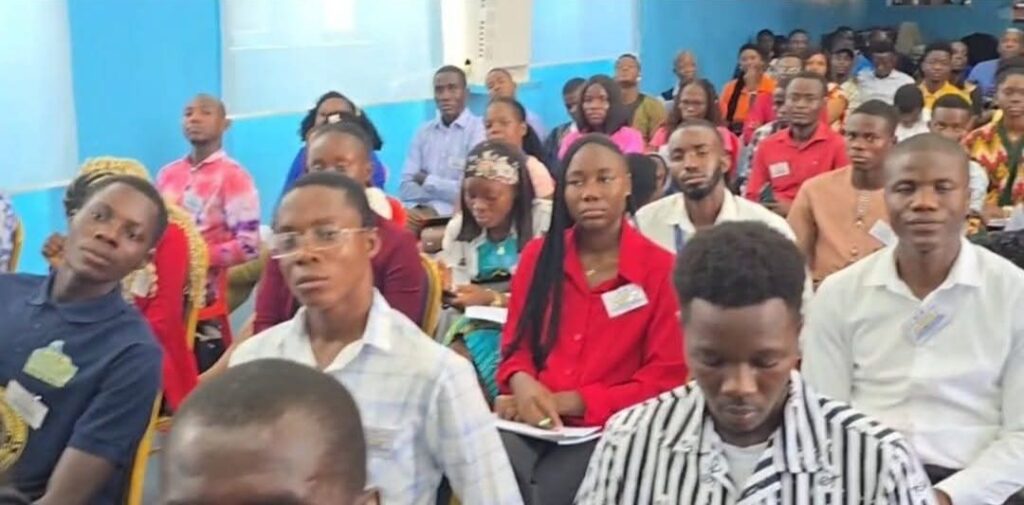
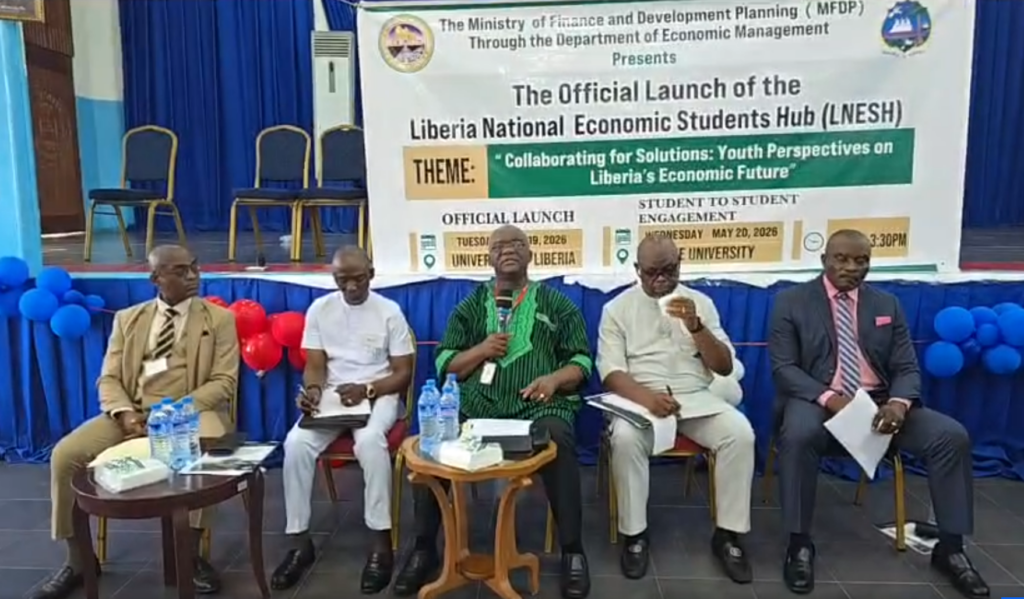
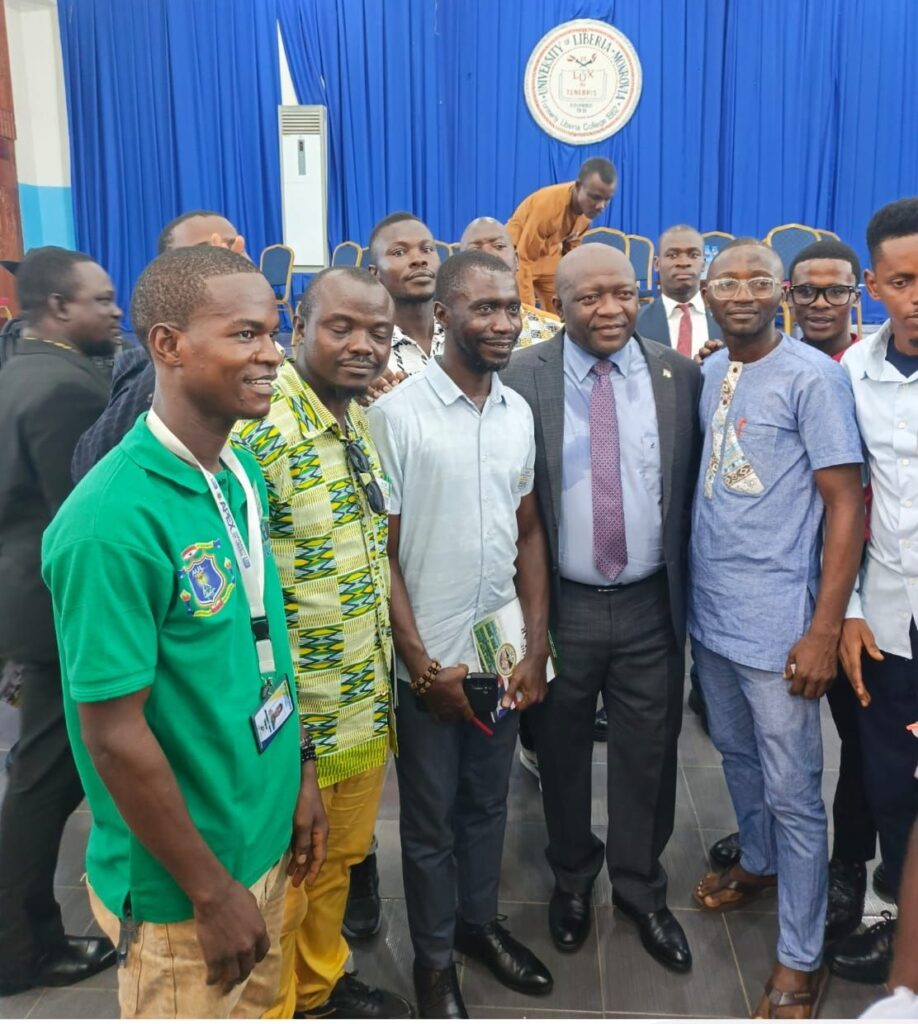
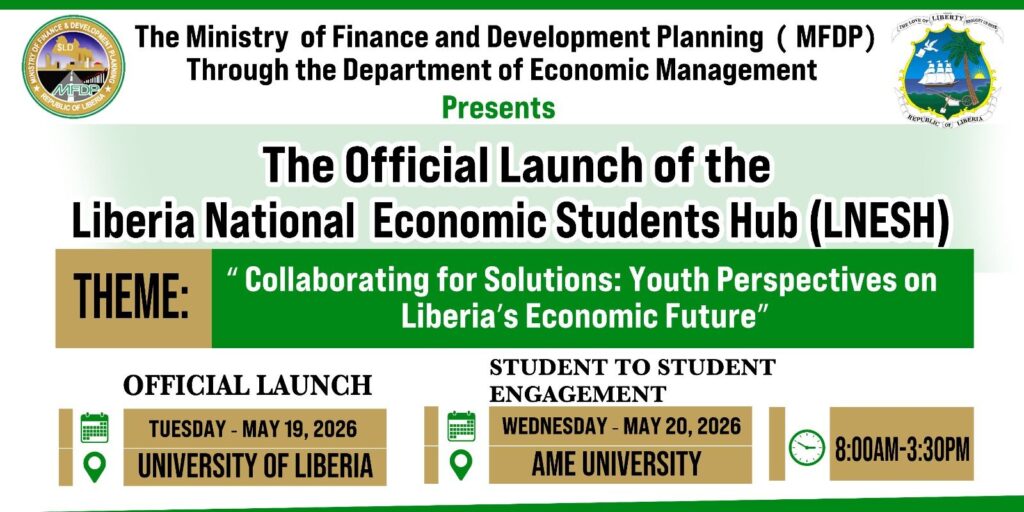
Speaking Tuesday at the University of Liberia during the official launch of the Liberia National Economic Student Hub (LNESH), Minister Ngafuan challenged students to embrace intellectual development, critical thinking, and evidence-based policymaking as Liberia confronts mounting economic and governance challenges.
“We, the Liberians of today, need to do better than what we are doing,” Ngafuan declared before an audience of students, economists, senior government officials, and development partners.
“Many are practicing how to shout better battle cries. But if it’s only battle cries, then we have a problem,” he warned.
The launch, held under the theme “Collaborating for Solutions: Youth Perspectives on Liberia’s Economic Future,” brought together officials from the Ministry of Finance and Development Planning, the Central Bank of Liberia, academic institutions, and economic policy organizations.
‘We Were Greedy for Knowledge’
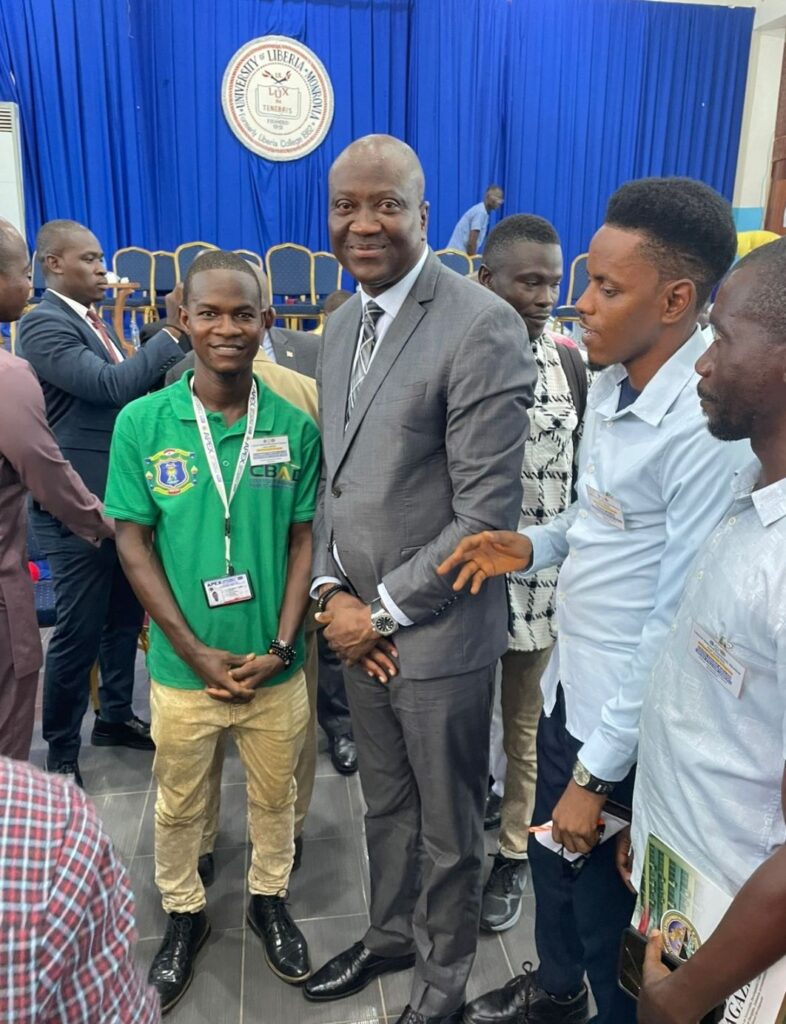
In one of the most reflective moments of his speech, Ngafuan recounted his own experience as a student leader at the University of Liberia during the difficult years of Liberia’s civil conflict in the 1990s.
“We were greedy, very greedy, but greedy in another way,” he told students.
“We were greedy for knowledge, for enlightenment. We never had Facebook, we never had internet.”
The Finance Minister described the university as “the crucible” that helped shape many of Liberia’s current leaders, explaining that his generation aggressively pursued mentorship, debate, and intellectual engagement despite the hardship of war and economic instability.
“We were in the classroom, but we were in many other rooms,” Ngafuan reflected. “If people say today that we are strong in any way, that is our story. That’s how we made it.”
Human Capacity ‘As Important As Roads’
Ngafuan stressed that Liberia’s development agenda must prioritize not only physical infrastructure projects but also investments in what he called the country’s “soft infrastructure” — the intellectual and professional capacity of its people.
“What I want to stress is that as a government, we are engaging in a lot of investment addressing the issue of our infrastructure,” he said.
“But we also have to deal with the soft infrastructure for development. We have to prepare the capacity of men and women.”
According to him, the Liberia National Economic Student Hub is intended to become a long-term platform for preparing future economists, researchers, and public policy professionals capable of shaping Liberia’s economic future.
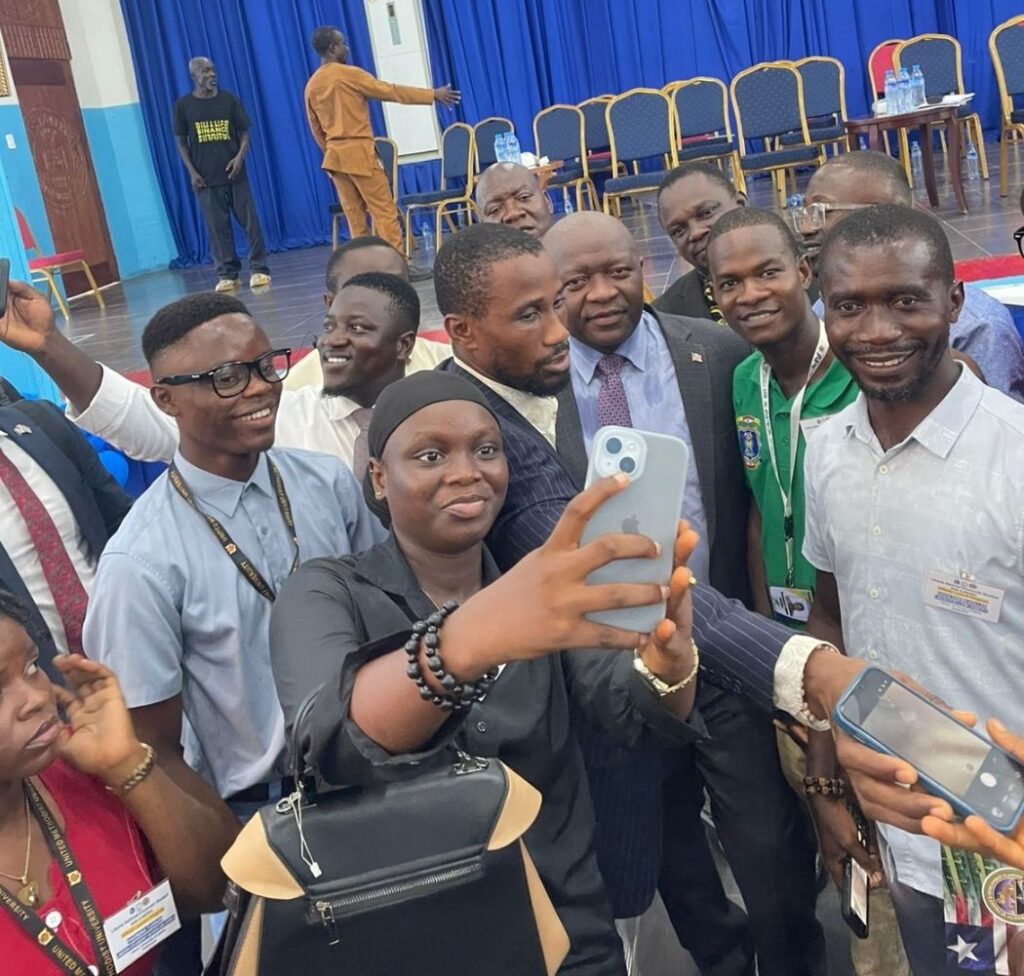
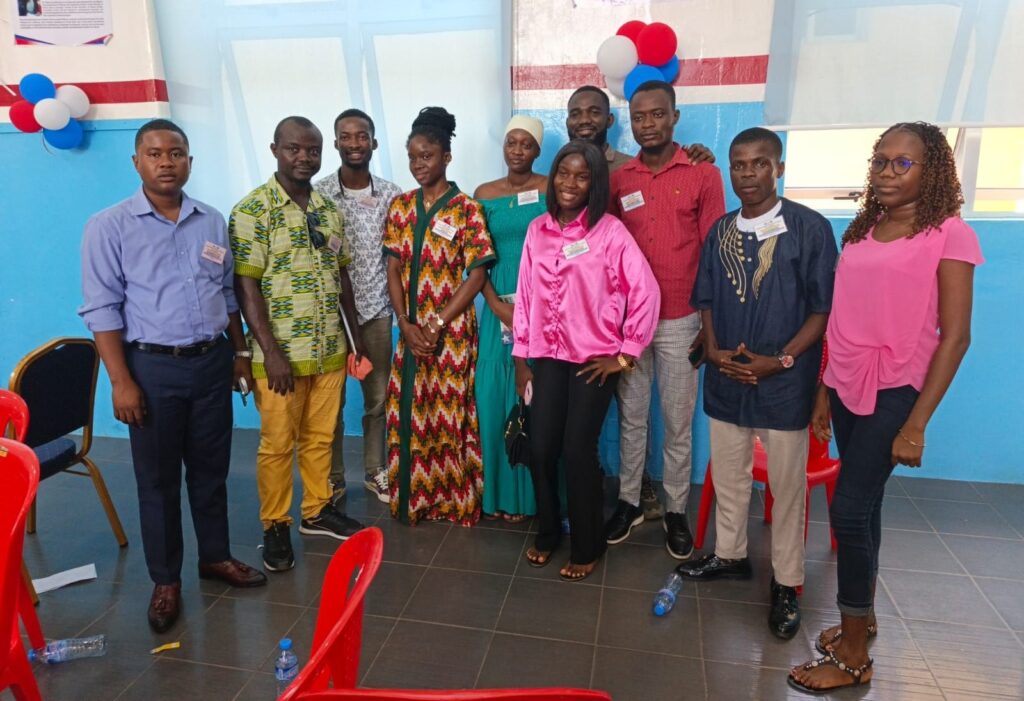
Officials say the initiative aims to train more than 500 university students in macroeconomic analysis, policy writing, research development, and evidence-based economic engagement.
Cadet Program to Deploy 1,100 Young Liberians
As part of broader youth empowerment efforts, Ngafuan also announced that approximately 1,100 young Liberians will enter a six-month national cadet program beginning June 1, 2026.
The cadets will be deployed across government institutions, private sector entities, and international organizations, including the United Nations.
“Six months to learn, to bridge the gap between theory and practice,” Ngafuan explained.
“Most of them will justify their inclusion and most of them will be employed.”
The Minister described the initiative as a form of national intellectual recruitment aimed at preparing a new generation of Liberian professionals.
“The government is recruiting people who will hold guns,” he stated. “The government is recruiting people who will hold pens. We will do all together.”
Students Told: ‘You Are Future Authors’
Several other senior officials used the occasion to emphasize the importance of youth participation in national economic policymaking.
Central Bank Executive Governor Henry F. Saamoi described the Student Economic Hub as “a timely, forward-looking, and highly strategic initiative” that places young people at the center of Liberia’s economic transformation.
“In Liberia, more than 60 percent of the population is under the age of 35, making our youth not only a demographic reality but a decisive economic force,” Saamoi said.
Meanwhile, Executive Director of the Liberia Macroeconomic Policy Analysis Center, P. Pandolo Moye, described the initiative as “the structural blueprint of an intellectual movement.”
“For too long, policy discussions in Liberia have been confined to board rooms and international conference halls, distant from the bright minds of students,” Moye stated.
“You, the students here today, are not just observers of Liberia’s economic story — you are its future authors.”
Expanding Beyond Monrovia
Ngafuan pledged that the initiative would eventually expand beyond Monrovia to universities across Liberia, including institutions in Bong, Lofa, Margibi, and other counties.
Observers say the launch of the Student Economic Hub reflects growing efforts by the Boakai administration to invest in youth leadership, policy literacy, and national capacity development amid increasing concerns about unemployment, brain drain, and limited opportunities for young professionals.
For many students attending the launch, Ngafuan’s message appeared to resonate beyond economics alone. It was a broader appeal for a generation of Liberians to replace political noise with intellectual preparation and meaningful national contribution.
“The Liberia we desire will not be built by chance,” Governor Saamoi concluded. “It will be built by informed, empowered, courageous, and prepared young people willing to lead, innovate, and serve.”
Follow The Liberian Post on Facebook and X (formerly twitter)