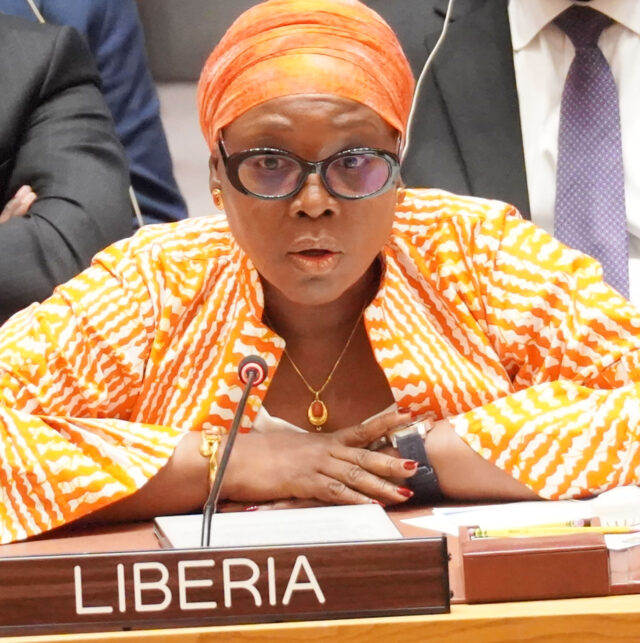
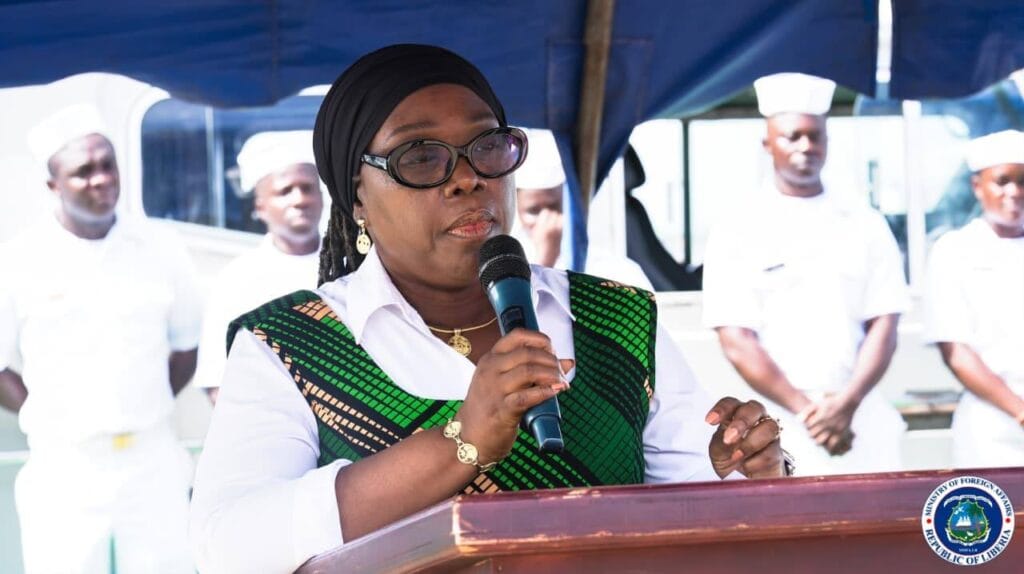
MONROVIA – A growing public controversy surrounding Foreign Minister Sara Beysolow Nyanti has triggered wider national debate over professionalism, internal cohesion, and political optics within the administration of President Joseph Nyuma Boakai, as civil society groups and political actors clash over allegations, social media conduct, and the broader tone of governance in Liberia.
At the center of the debate are competing articles published by the Liberians Action Movement (LAM) and the Citizens Action Movement (CAM), both responding to recent social media controversies and allegations linked to Minister Nyanti’s leadership and public profile.
While none of the allegations circulating online against the Foreign Minister have been independently verified, the controversy has evolved beyond personal accusations into a broader public discussion about political rivalry, social media warfare, and the handling of disagreements within government circles.
Concerns Over ‘Public Infighting’
The Liberians Action Movement raised concerns over what it described as growing perceptions of infighting and political tension within the Boakai administration, particularly involving allegations linked to Presidential Political Advisor MacDella Cooper.
In its statement, LAM called on the Liberian government to investigate alleged comments and online exchanges connected to Madam Cooper that reportedly targeted Minister Nyanti.
The organization argued that officials occupying senior public positions should conduct themselves with greater restraint and professionalism, especially at a time when the country faces serious economic and governance challenges.
“Liberia is facing major national challenges that require maturity, unity, and focused leadership — not Facebook drama, political jealousy, or public ridicule among officials serving under the same administration,” LAM stated.
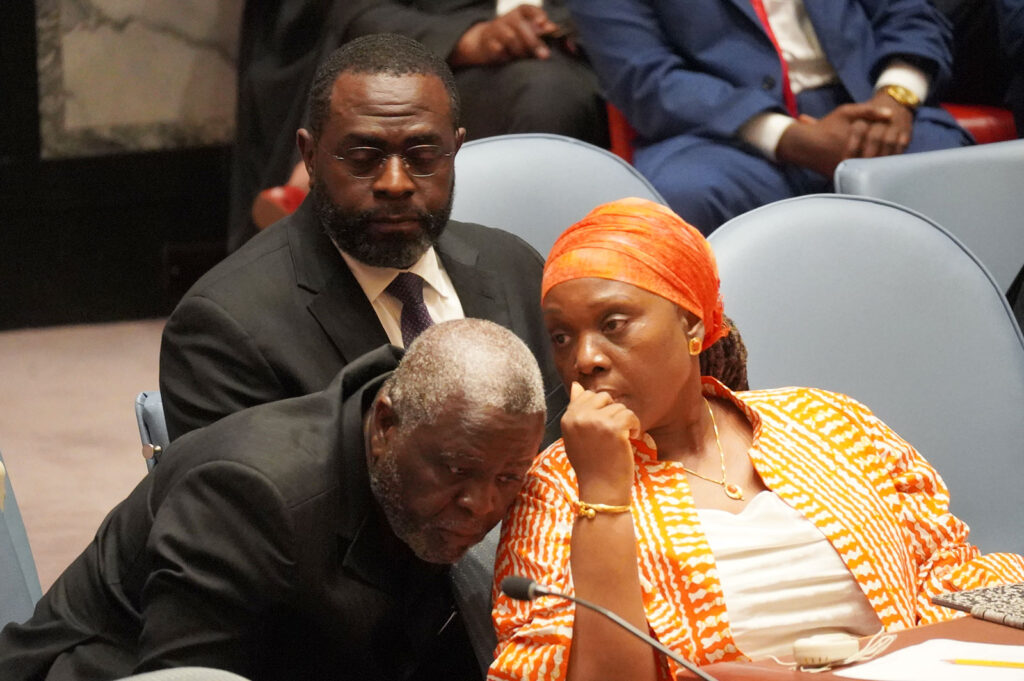
The group further warned that public perceptions of rivalry and power struggles among senior officials could damage the government’s image both domestically and internationally.
Without validating the allegations circulating online, LAM maintained that the controversy itself risks undermining public confidence in the administration if not properly managed.
“It is no secret that she harbors presidential ambition, but national service must never become a platform for undermining fellow officials who are working in the interest of Liberia,” the organization stated in apparent reference to Madam Cooper.
Political analysts say the statement reflects growing concern among some observers that social media disputes involving public officials are increasingly becoming part of Liberia’s political culture, often overshadowing substantive governance discussions.

CAM Rejects Allegations Against Nyanti
Meanwhile, the Citizens Action Movement strongly defended Foreign Minister Nyanti and dismissed allegations recently published by the Independent Civil Society Union of Liberia regarding claims that the Ministry of Foreign Affairs was allegedly paying a Washington-based communications firm US$35,000 monthly to promote the Foreign Minister’s personal image.
CAM described the accusations as “false and malicious,” arguing that strategic communications support for the Foreign Ministry serves broader national diplomatic interests rather than personal branding objectives.
According to the group, Liberia’s increasing diplomatic visibility — including its successful election to a non-permanent seat on the United Nations Security Council — was achieved through coordinated national diplomacy led by President Boakai and supported by the Ministry of Foreign Affairs under Nyanti’s leadership.
The organization praised Minister Nyanti for what it described as her professionalism and effectiveness in advancing Liberia’s international relationships and multilateral diplomacy.
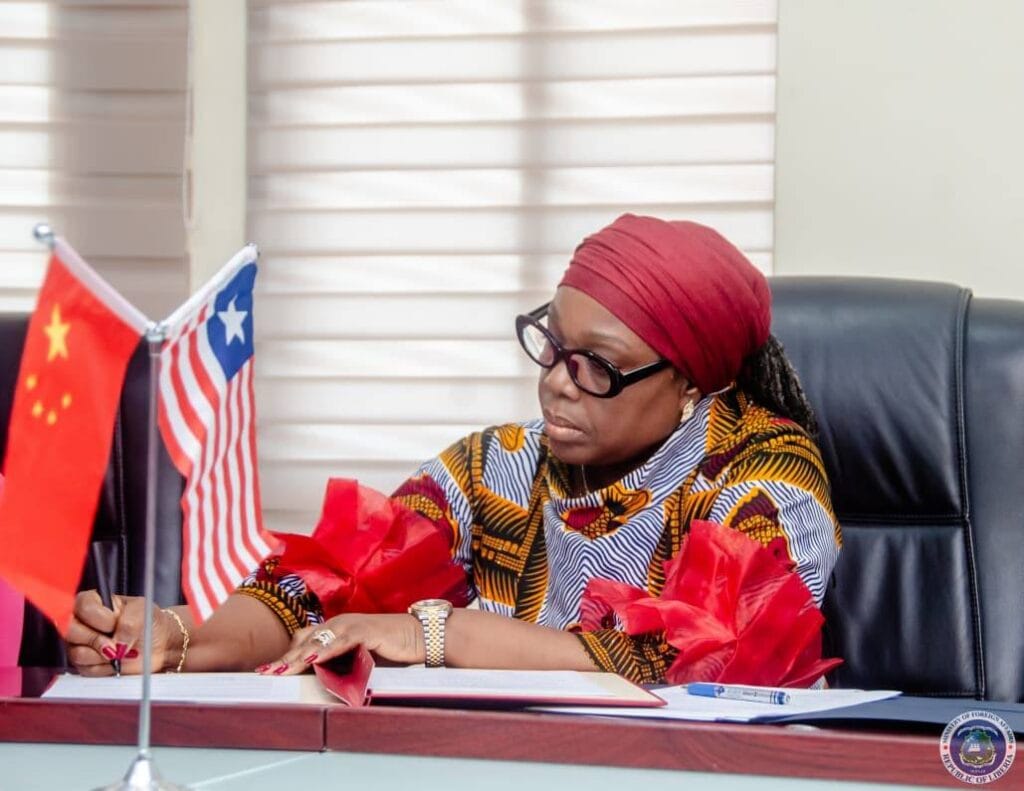
“Strategic communications support at the Ministry serves Liberia’s national interests,” CAM stated while emphasizing that procurement activities within government remain subject to oversight and audit procedures under Liberian law.
The movement additionally urged civil society organizations, political commentators, and media institutions to avoid what it termed “slander disguised as accountability.”
Broader Governance and Leadership Questions
Although the controversy has largely unfolded on social media platforms, observers say it raises deeper questions about political discipline, public communication, and leadership management within the current administration.
The debate also highlights the increasingly influential role social media now plays in shaping political narratives and public perceptions in Liberia, where online controversies frequently spill into mainstream political discourse.
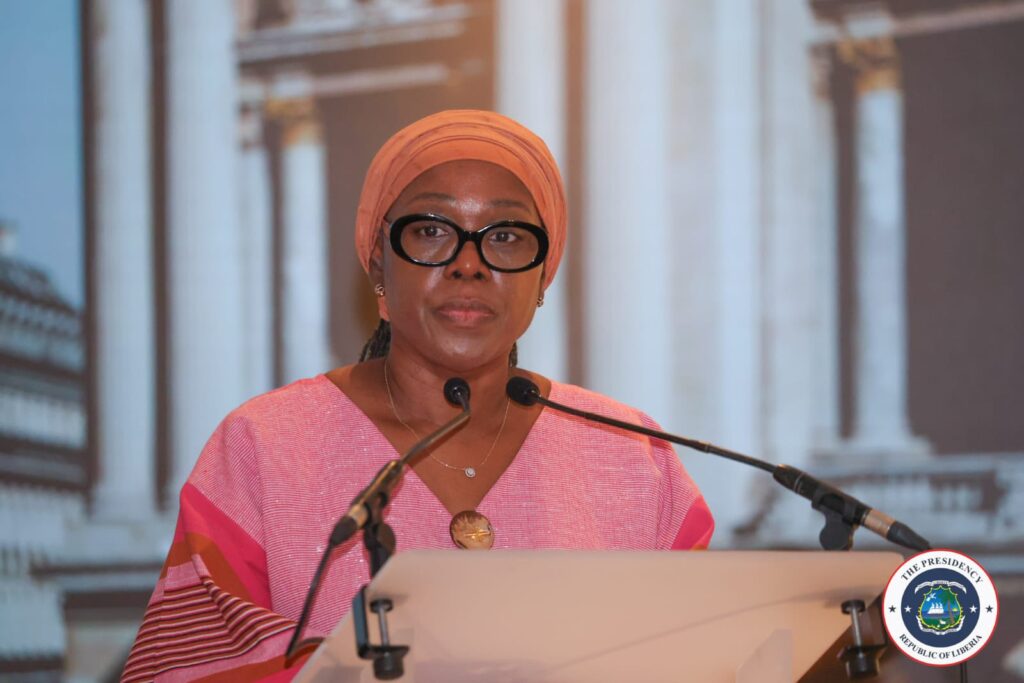
Some analysts argue that while scrutiny of public officials remains an important democratic principle, the growing tendency toward personal attacks, rumor-driven narratives, and public confrontation risks weakening institutional credibility and distracting attention from policy matters.
Others contend that the situation underscores the need for stronger internal communication structures within government to manage disagreements privately and professionally before they escalate into public controversies.
For supporters of Minister Nyanti, the controversy reflects the pressures and rivalries often associated with high-profile political office, especially for officials who maintain strong international visibility and influence.
Critics, however, insist that allegations involving public institutions and the use of government resources — whether proven or not — deserve transparency and proper clarification to avoid damaging public trust.
Government Yet to Officially Respond
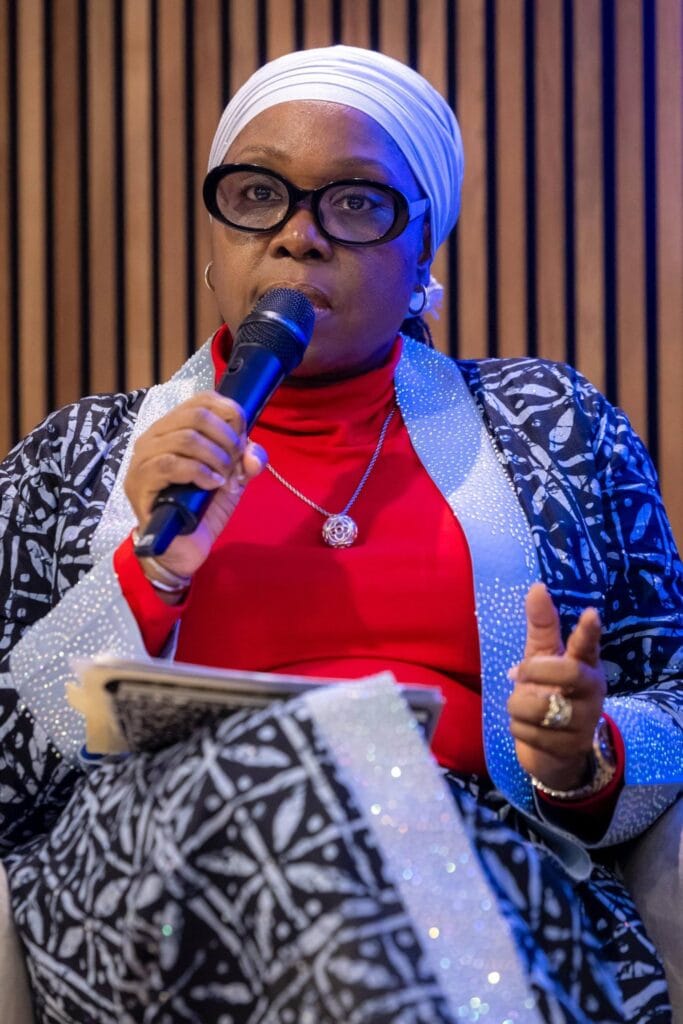
As of Sunday evening, neither the Executive Mansion nor the Ministry of Foreign Affairs had issued an official statement directly addressing the latest wave of controversy.
However, the growing public debate has intensified calls for discipline, professionalism, and greater focus within government as Liberia navigates mounting economic, political, and social pressures.
For now, the controversy surrounding Foreign Minister Sara Beysolow Nyanti appears to represent more than a personal dispute or isolated social media drama. Instead, it has evolved into a revealing test of how the Boakai administration manages internal tensions, political perceptions, and public accountability in an increasingly digital political environment.
Follow The Liberian Post on Facebook and X (formerly twitter)