-Representatives Say Ambassador-at-Large’s Refusal to Retract Remarks Against Legislature Has Undermined Executive-Legislative Relations
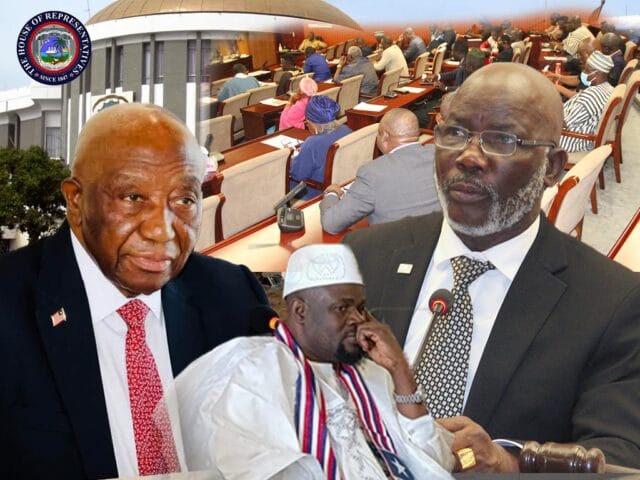
MONROVIA, Liberia – Liberia’s House of Representatives has overwhelmingly voted a formal vote of no confidence in Ambassador-at-Large for Special Duties and Special Presidential Envoy Sheikh Moustapha Kouyateh, escalating a growing confrontation between the presidential envoy and lawmakers over remarks deemed disrespectful to the Legislature.
The decision was taken during a regular sitting of the House following intense deliberations on a communication submitted by Grand Bassa County District #2 Representative Clarence T. Banks, who accused the envoy of maintaining a confrontational posture toward the Lower House despite previous concerns raised by lawmakers.
Thirty-six lawmakers voted in favor of the measure, signaling broad dissatisfaction within the House over what members described as Kouyateh’s continued disregard for the institution.
As part of the resolution, the House has formally notified President Joseph Nyuma Boakai that lawmakers can no longer work with Kouyateh in his current capacity because of what they characterized as persistent disrespect toward the people’s elected representatives.
The OK FM Encounter
According to Representative Banks, the latest controversy erupted on May 31, 2026, during an encounter with Ambassador Kouyateh at OK FM in Monrovia.
Banks told plenary that both men had been scheduled to appear separately on the station’s morning program and were seated in the guest waiting area when he asked the envoy about his appearance on the show.
The Grand Bassa lawmaker said Kouyateh responded by declaring: “I did not apologize, and will not apologize about my statement on social media about the House of Representatives.”
According to Banks, the remark was made in the presence of several employees and guests at the radio station.
He subsequently described the envoy’s comments as “disgraceful and shameful” and argued that they undermined the cordial working relationship expected between the Executive and Legislative branches of government.
Background to the Dispute
The latest clash is rooted in a controversy that began several weeks ago when Kouyateh allegedly made comments on social media criticizing members of the House of Representatives.
The remarks reportedly drew sharp criticism from lawmakers, who viewed them as an attack on the integrity and credibility of the Legislature.
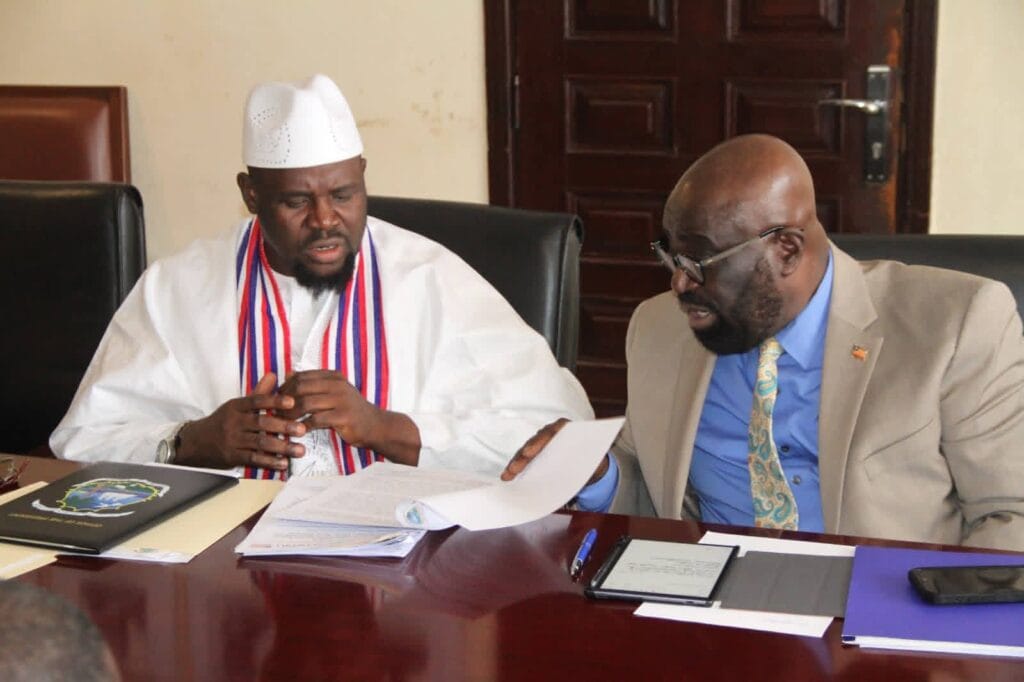
While the precise content of the social media comments became the subject of public debate, many lawmakers argued that the statements crossed the line of acceptable political discourse and represented an affront to a co-equal branch of government.
Sources within the Legislature say several attempts were made informally to encourage the presidential envoy to clarify or retract his comments, but those efforts reportedly failed.
The dispute intensified after Kouyateh allegedly indicated that he had no intention of apologizing for the remarks.
His latest statement at OK FM was interpreted by lawmakers as confirmation that he remained defiant despite growing concerns within the House.
Lawmakers Draw a Line
Following a lengthy debate on the House floor, Sinoe County District #1 Representative Thomas Romeo Quioh introduced a motion calling for the House to formally express a lack of confidence in Kouyateh.
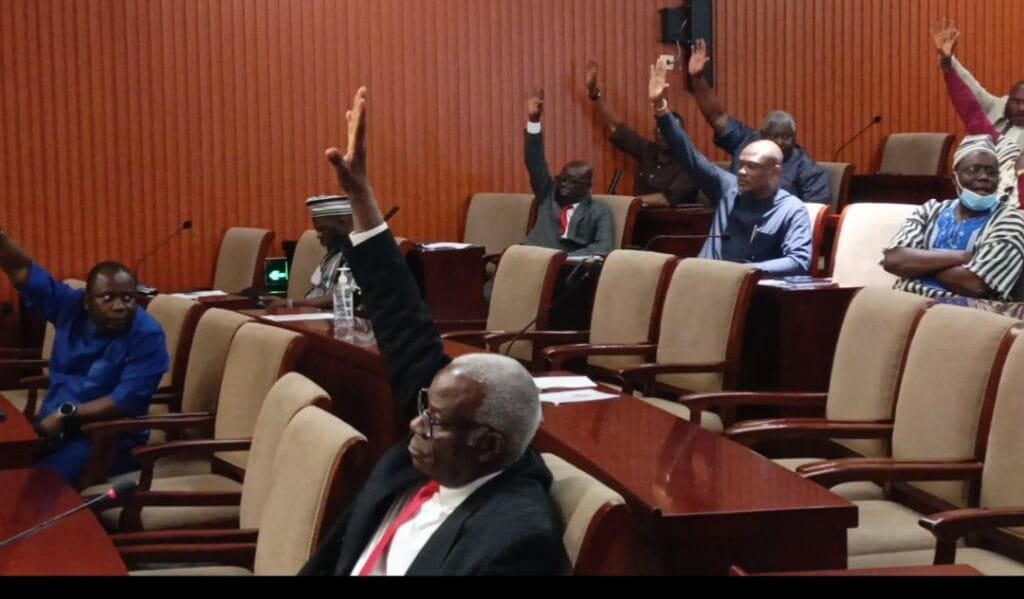
The motion received overwhelming support from lawmakers and was subsequently adopted unanimously by those present.
Several lawmakers reportedly argued that while political disagreements are inevitable in a democratic society, mutual respect between branches of government remains essential to effective governance.
They maintained that public officials serving at the pleasure of the President should conduct themselves in a manner that promotes cooperation rather than confrontation.
The House’s decision does not automatically remove Kouyateh from office, as appointments and dismissals within the Executive Branch remain the constitutional prerogative of the President. However, political observers say the vote sends a strong signal to the Executive Mansion regarding lawmakers’ dissatisfaction with the envoy.
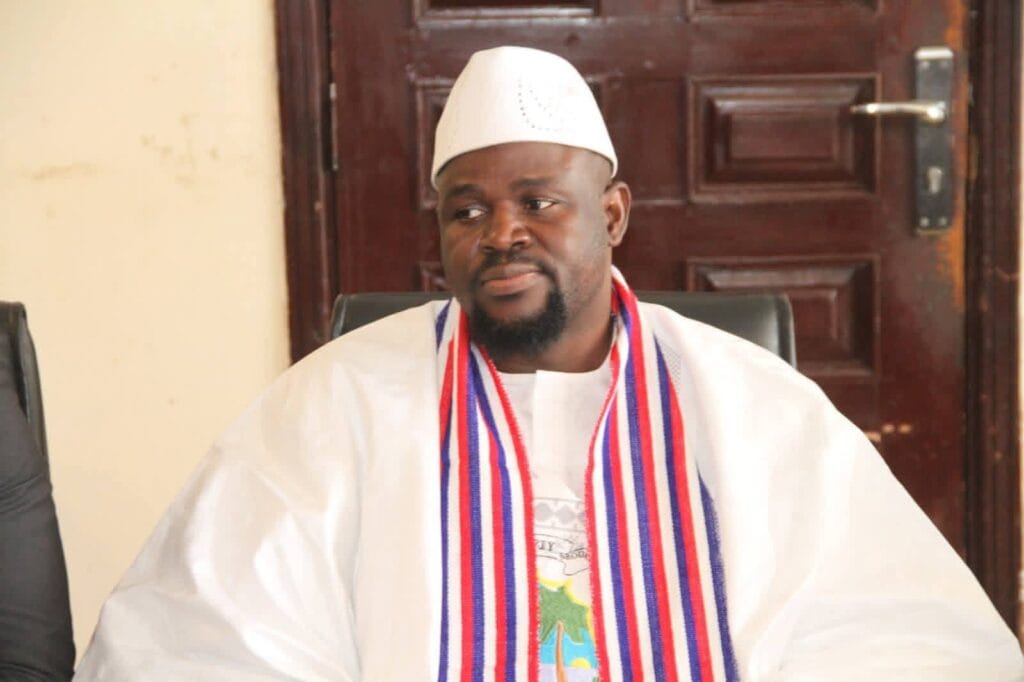
Who Is Sheikh Moustapha Kouyateh?
Kouyateh serves as Ambassador-at-Large for Special Duties and Special Presidential Envoy under the Boakai administration.
In that role, he has been involved in various diplomatic and governmental assignments on behalf of the President and has frequently represented the administration at national and international engagements.
Known for his outspoken style and active presence on social media, Kouyateh has occasionally found himself at the center of political controversies because of his public commentary on national issues.
Supporters describe him as a passionate advocate for government policies, while critics argue that some of his public interventions have unnecessarily generated tensions within the political establishment.
Implications for Executive-Legislative Relations
The vote of no confidence comes at a time when the Boakai administration is seeking legislative support for key initiatives under the ARREST Agenda for Inclusive Development, including infrastructure projects, governance reforms, energy investments, and economic recovery programs.
Political analysts warn that prolonged tensions between lawmakers and influential members of the Executive Branch could complicate efforts to maintain the collaborative relationship necessary for advancing major national priorities.
The House, however, emphasized that its action was not intended to create conflict with the Executive but rather to defend the dignity and institutional integrity of the Legislature.
In its communication to President Boakai, lawmakers reaffirmed their commitment to constructive engagement with the Executive Branch while insisting that mutual respect must remain the foundation of intergovernmental cooperation.
Awaiting Executive Response
As of press time, neither Ambassador Kouyateh nor the Executive Mansion had publicly responded to the House’s vote of no confidence.
Attention is now focused on whether President Boakai will address lawmakers’ concerns or maintain his confidence in the presidential envoy.
For now, the episode has become one of the most visible public disputes between the House of Representatives and a senior official associated with the Boakai administration, highlighting the delicate balance that often exists between robust political expression and institutional respect in Liberia’s evolving democracy.
Follow The Liberian Post on Facebook and X (formerly twitter)