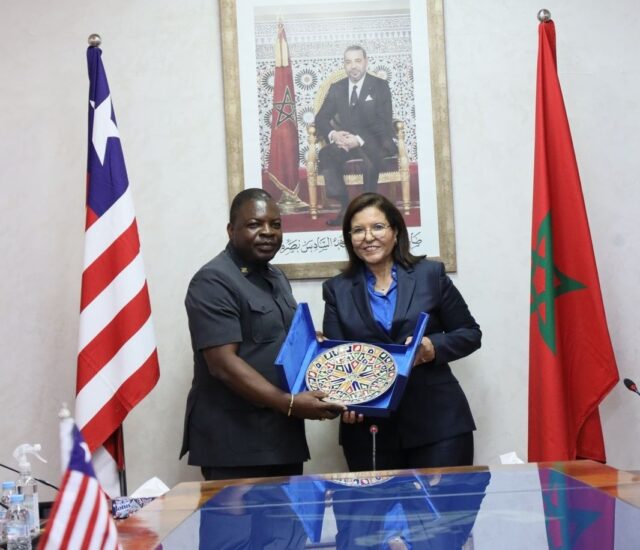
-Agreements Target Industrial Fishing Port, Aquaculture Expansion, Technical Training and Enhanced Maritime Surveillance
MONROVIA – The Director General of the National Fisheries and Aquaculture Authority (NaFAA), J. Cyrus Saygbe Sr., has concluded a week-long official visit to the Kingdom of Morocco, securing a series of strategic commitments aimed at strengthening Liberia’s fisheries sector, attracting investment, and advancing the country’s blue economy agenda.
The visit, which took the NaFAA Director General to the Moroccan cities of Tangier, Rabat, and Casablanca, focused on expanding bilateral cooperation in fisheries management, promoting investment opportunities, and enhancing Liberia’s capacity to sustainably develop its fisheries and aquaculture industries.
Saygbe’s mission comes as the Liberian government intensifies efforts to transform the fisheries sector into a major contributor to economic growth, food security, employment creation, and foreign exchange earnings.
During the visit, the NaFAA Director General participated in the Sea Safety for Fisheries Workshop organized by the Ministerial Conference on Fisheries Cooperation Among African States Bordering the Atlantic Ocean (ATLAFCO) in Tangier.
Addressing participants at the opening of the workshop, Saygbe stressed the urgent need for stronger regional collaboration to improve safety standards for fishermen and women operating along Africa’s Atlantic coastline.
He emphasized that maritime safety remains a critical component of sustainable fisheries development and called for a coordinated African response to the challenges confronting fishing communities across the continent.
Strengthening Liberia-Morocco Fisheries Cooperation
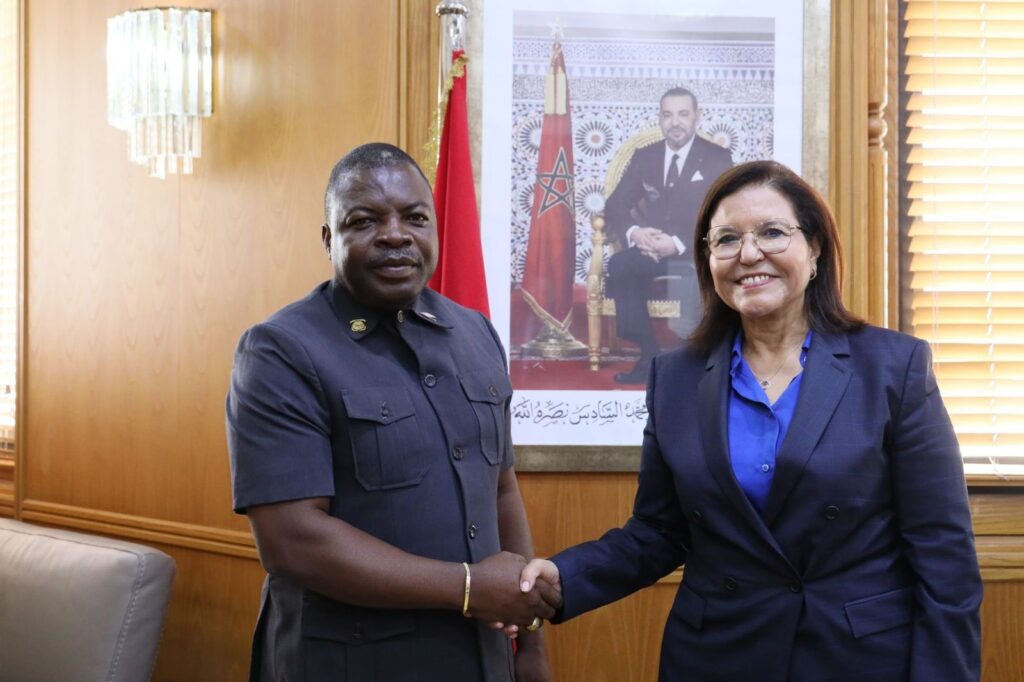
Following the workshop, Saygbe traveled to Rabat and Casablanca, where he held a series of high-level meetings with senior Moroccan government officials and private sector leaders.
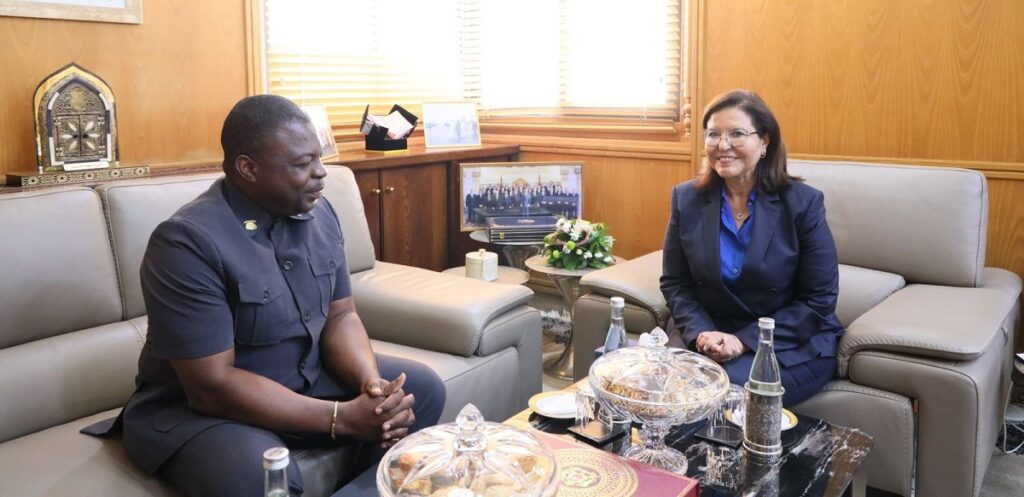
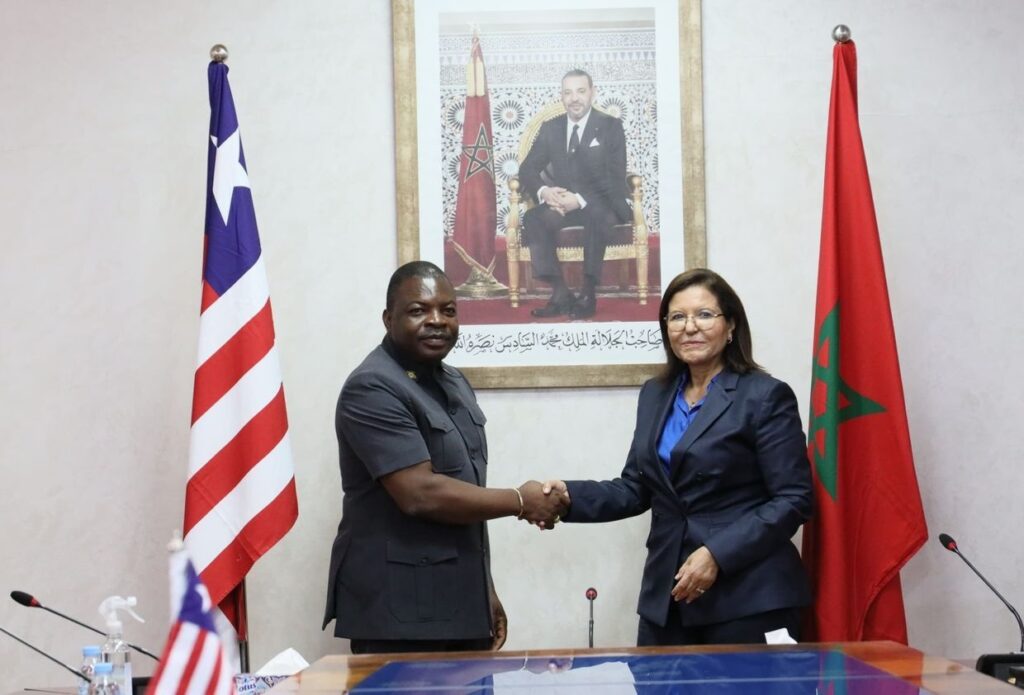
Among the key engagements was a meeting with Morocco’s Secretary of State for Fisheries, Zakia Driouch, during which both sides discussed expanding cooperation in fisheries stock assessment, fisheries management, vocational training, value addition, and infrastructure development.
The discussions also focused on strengthening technical support for Liberia’s fisheries sector and enhancing the skills of Liberian fisheries and aquaculture professionals through specialized training programs.
According to NaFAA, both countries are expected to formalize the commitments through a bilateral cooperation agreement scheduled to be signed in July 2026.
Officials believe the agreement will mark a significant milestone in Liberia’s efforts to modernize its fisheries sector and build long-term partnerships with countries possessing advanced fisheries expertise.
Push for Liberia’s First Industrial Fishing Port
One of the most significant outcomes of the visit was the advancement of discussions aimed at mobilizing investment for the construction of Liberia’s first industrial fishing port.
The project, long viewed as a critical component of Liberia’s fisheries development strategy, is expected to enhance fish handling, processing, storage, and export capabilities while creating employment opportunities for thousands of Liberians.
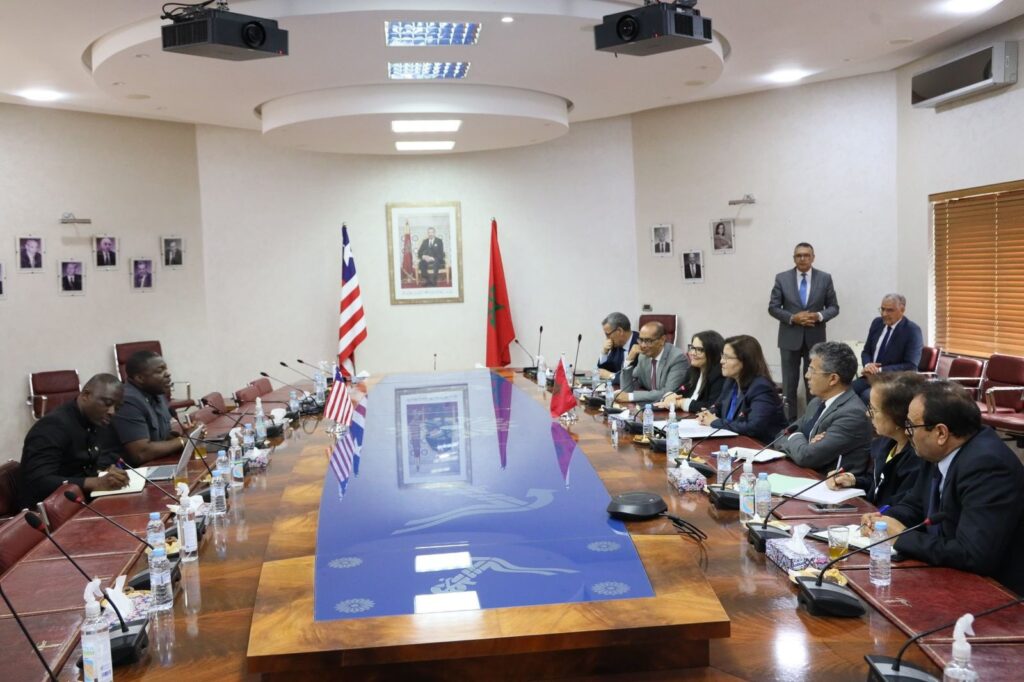
During meetings with Hassan Sentissi El Idrissi, President of the Association of Moroccan Exporters (ASMEX), and other private sector representatives, discussions centered on financing opportunities for key fisheries infrastructure projects.
The talks included plans for the development of an industrial fishing fleet beginning with two shrimp fishing vessels, expansion of aquaculture operations, and investments in inland fisheries development.
Industry experts believe the establishment of a modern industrial fishing port would significantly reduce post-harvest losses, improve value addition, and increase Liberia’s participation in regional and international seafood markets.
Expanding Export Opportunities
The visit also yielded promising prospects for expanding market access for Liberian fisheries products.
Director General Saygbe met with representatives of Green Table, a major Moroccan business entity whose Chief Executive Officer expressed interest in serving as a potential off-taker of fish and seafood products harvested in Liberia.
The development could create new export opportunities for Liberian fisheries operators and help strengthen the country’s fisheries value chain.
NaFAA officials say improved market access remains essential to unlocking the sector’s full economic potential and increasing revenues for local fishers and fisheries enterprises.
Learning from Morocco’s Success
As part of the visit, Saygbe toured Morocco’s National Fishing Vessel Monitoring Center, where he received firsthand exposure to advanced fisheries surveillance and vessel monitoring technologies.
The visit allowed Liberian officials to study systems used by Morocco to monitor fishing activities, improve compliance, and combat Illegal, Unreported and Unregulated (IUU) fishing.
IUU fishing remains one of the most significant challenges facing many African coastal states, including Liberia, where illegal fishing activities have historically deprived the country of millions of dollars in potential revenue and threatened marine ecosystems.
The NaFAA Director General described the experience as valuable to Liberia’s ongoing efforts to strengthen fisheries governance, improve monitoring capabilities, and protect the country’s marine resources.
Advancing Liberia’s Blue Economy Vision
The Morocco mission forms part of Liberia’s broader strategy to implement commitments emerging from the Liberia Fisheries and Aquaculture Investment Conference held in Monrovia on March 30–31, 2026.
That conference brought together government officials, investors, development partners, and industry stakeholders to identify opportunities for expanding fisheries and aquaculture as drivers of economic growth.
The sector currently provides livelihoods for thousands of Liberians and serves as a critical source of food and nutrition for communities across the country.
Officials believe that increased investment in fisheries infrastructure, modern technology, aquaculture development, and value-added processing can significantly boost production, create jobs, and strengthen national food security.
With the commitments secured during the Morocco visit, NaFAA says Liberia is taking another important step toward building a modern, sustainable, and internationally competitive fisheries sector capable of contributing meaningfully to the country’s long-term economic transformation.
Follow The Liberian Post on Facebook and X (formerly twitter)