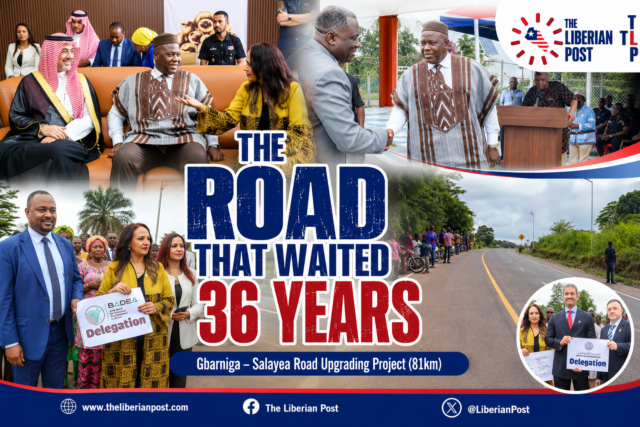
–Finance Minister Weaves a Powerful Story of War, Debt Relief, International Partnership and National Persistence as a Forgotten 1989 Highway Blueprint Finally Becomes Reality
LOFA / BONG Counties – Long before excavators carved through hills and asphalt replaced mud, before financiers pledged millions of dollars and before dignitaries gathered beneath white canopies to celebrate a new chapter in Liberia’s infrastructure journey, there was only a drawing.
It was an aging sketch. A highway imagined in 1989. A dream interrupted by civil war. For 36 years, it waited.
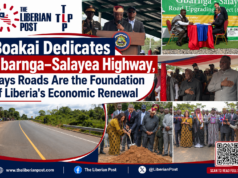
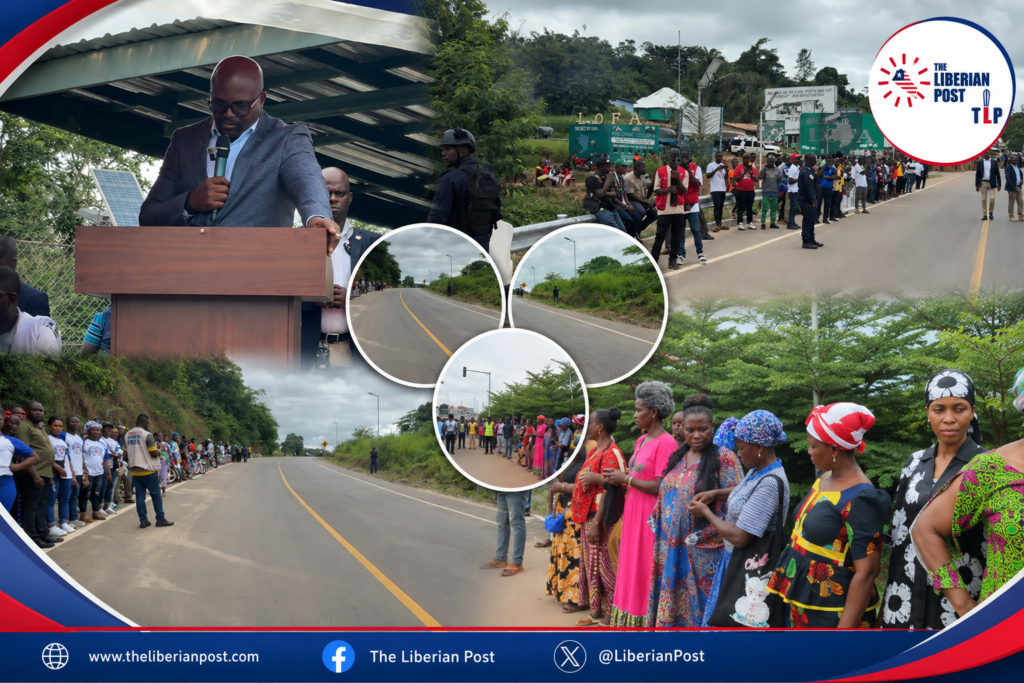
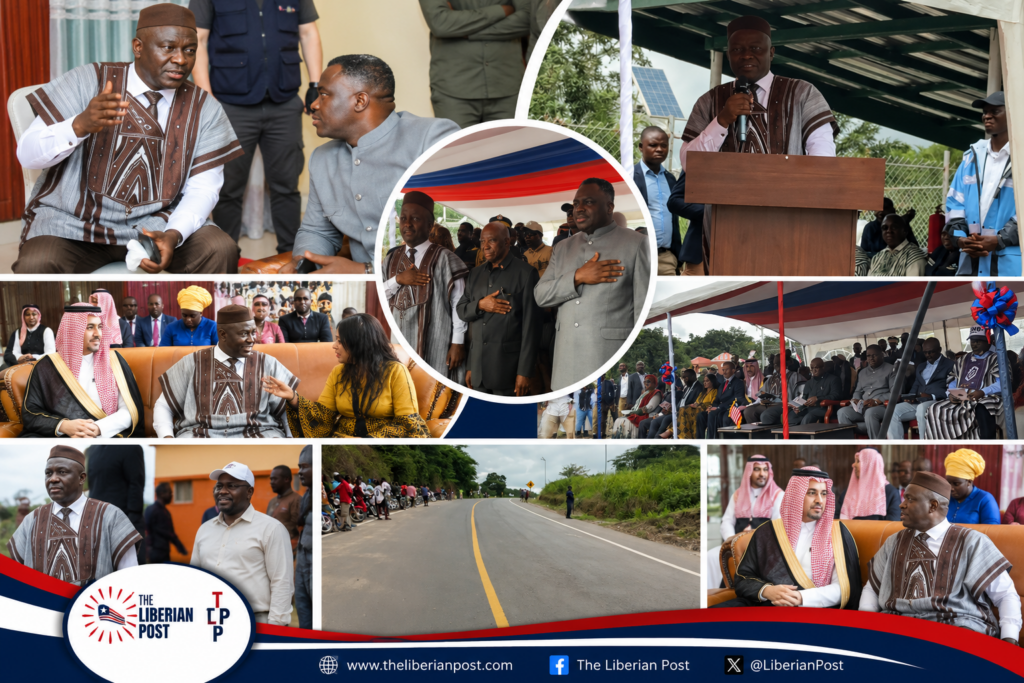
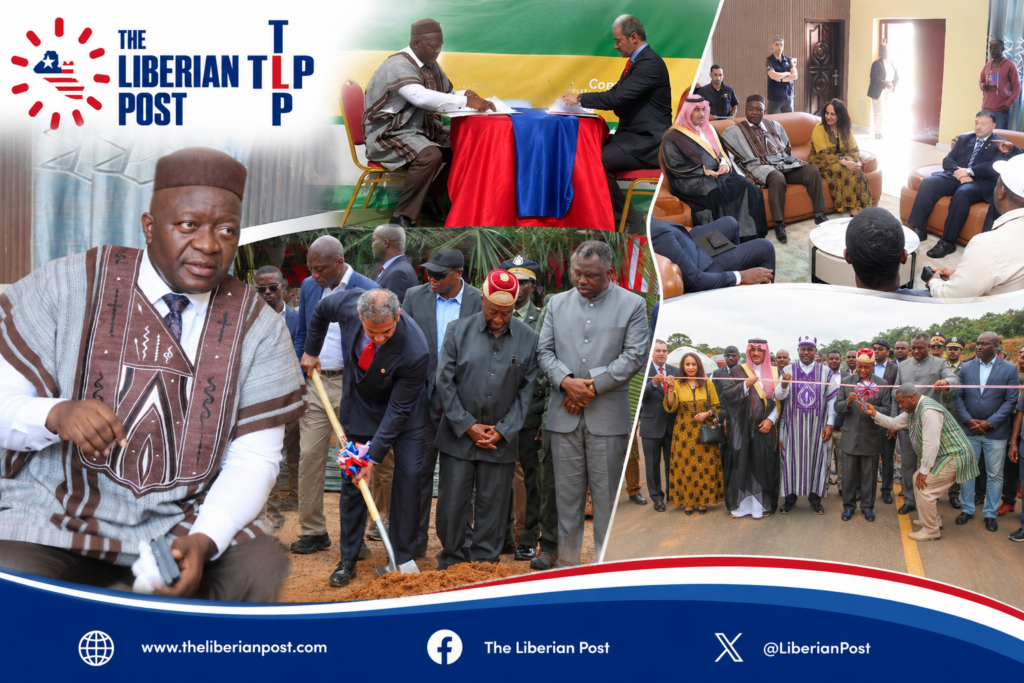
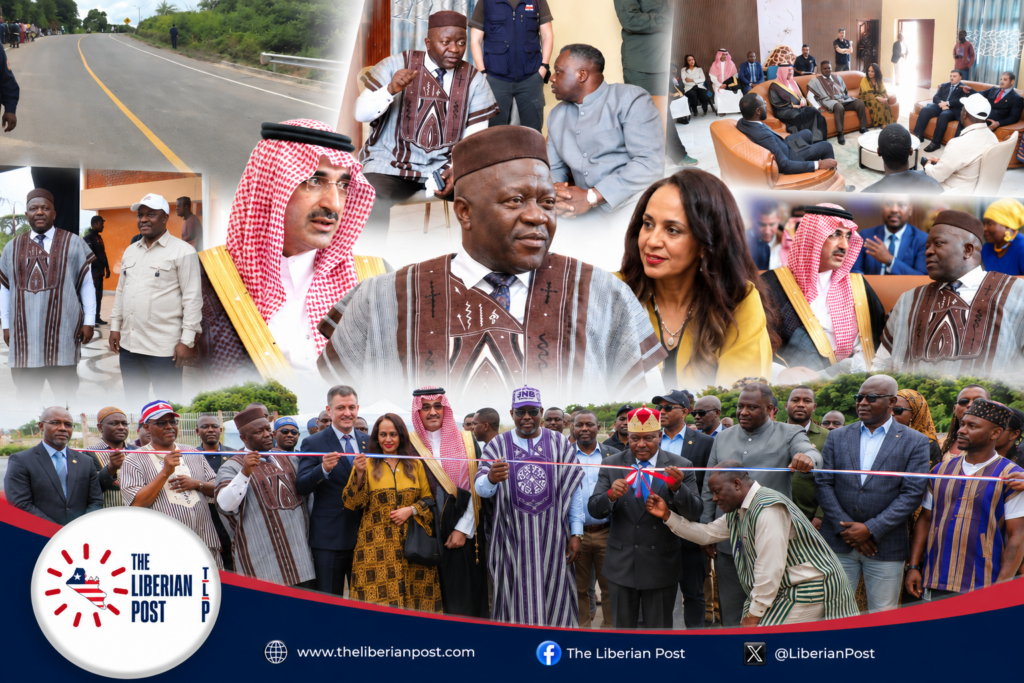
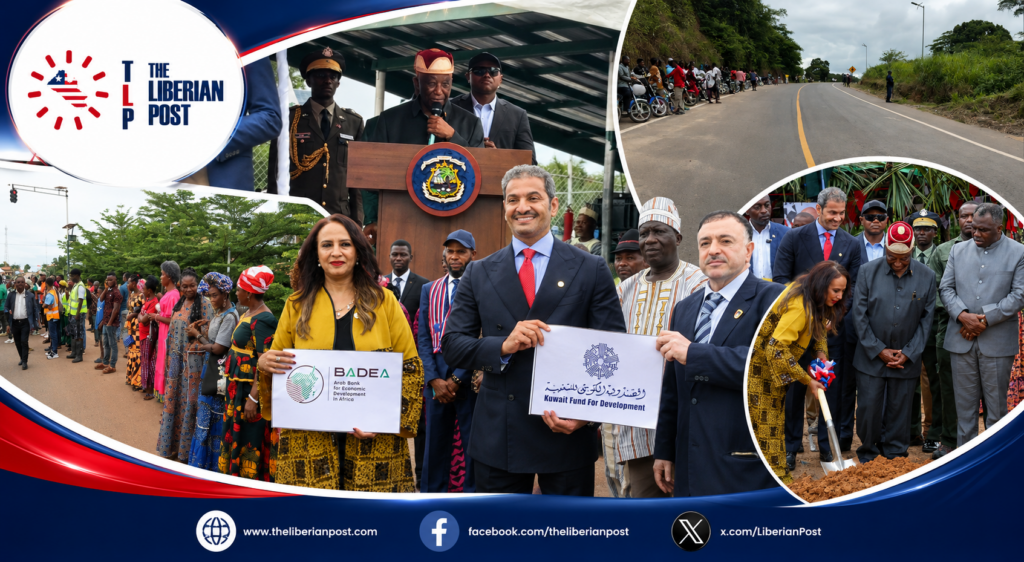
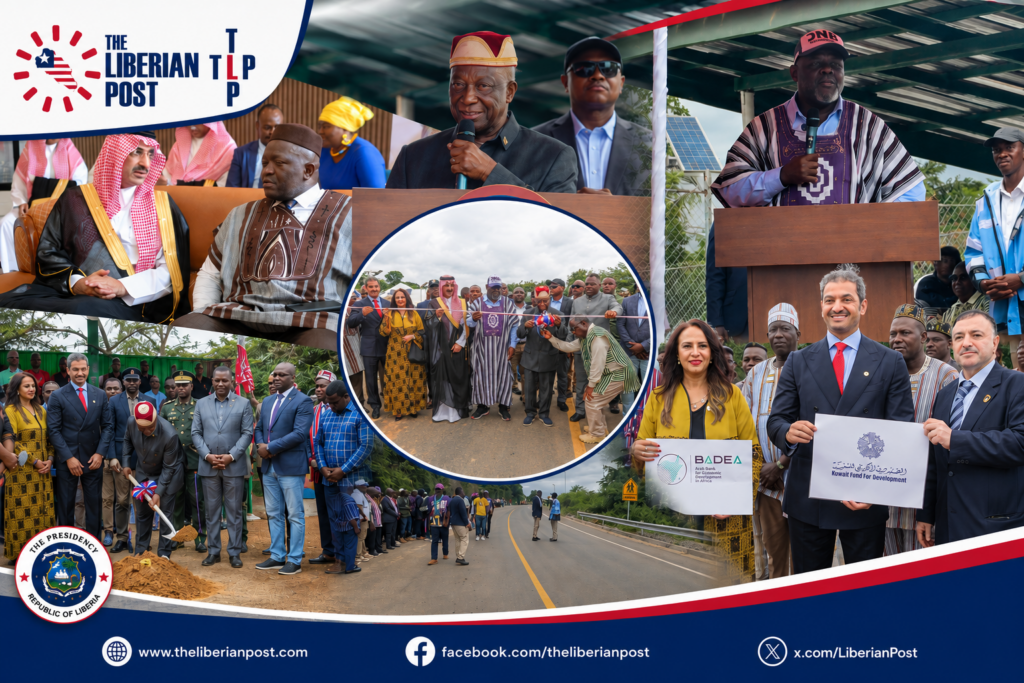
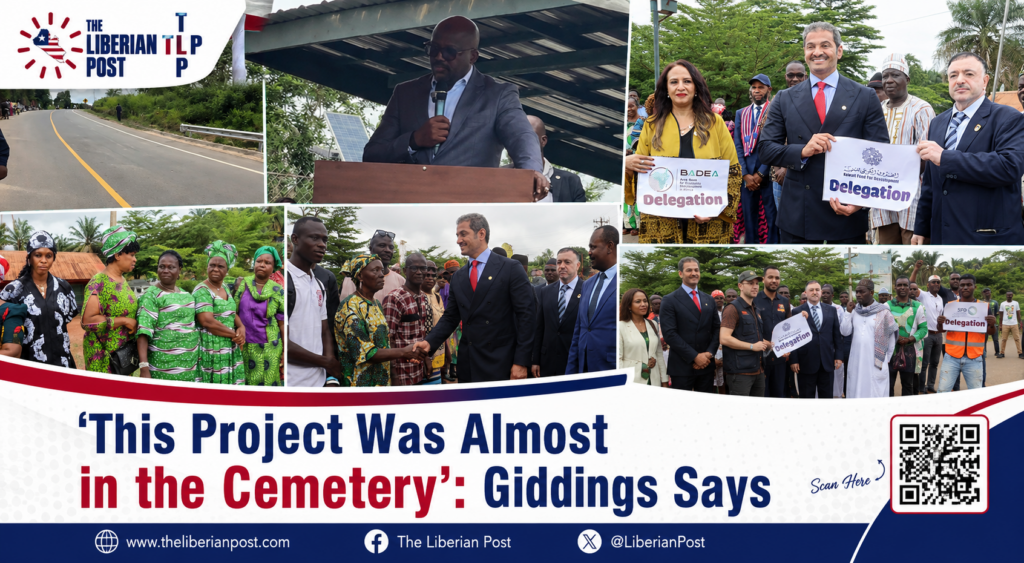
On Tuesday, standing before hundreds of Liberians, international financiers and development partners at the dedication of the completed Gbarnga–Salayea Highway and the signing ceremony for the Salayea–Konia Road Project, Finance and Development Planning Minister Augustine Kpehe Ngafuan transformed what might have been an ordinary infrastructure speech into an unforgettable lesson in history, patience and national perseverance.
The road, he reminded the audience, was never merely about concrete. It was about promises. It was about persistence. It was about Liberia refusing to abandon a dream simply because history delayed it.
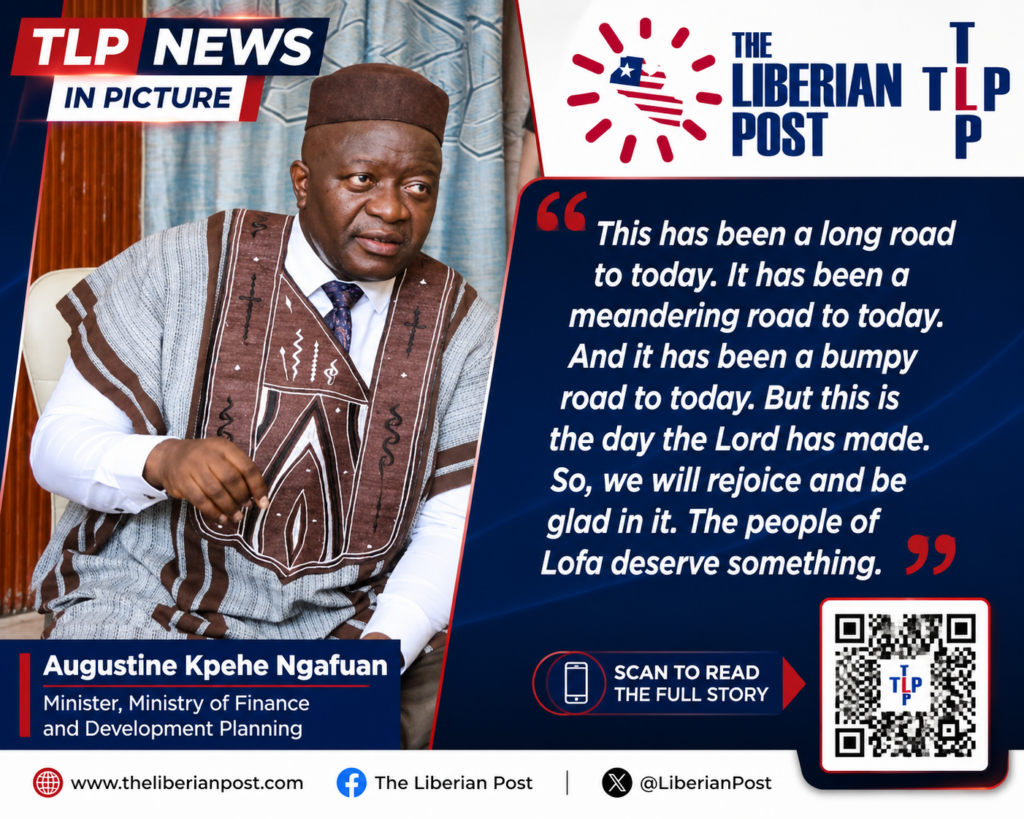
“This has been a long road to today,” Ngafuan reflected. “It has been a meandering road to today. And it has been a bumpy road to today. But this is the day the Lord has made. So we will rejoice and be glad in it.”
A Dream Buried by War
Ngafuan took his audience back fifteen years—not to the groundbreaking ceremony, but to a negotiation table.
In 2010, Liberia was emerging from years of economic hardship and completing debt cancellation agreements under the Heavily Indebted Poor Countries (HIPC) Initiative. The country stood at a crossroads. With decades of debt finally being lifted, Liberia had an opportunity to seek new financing for development.
Preparing for negotiations with the Kuwait Fund, Ngafuan sought guidance from then-President Ellen Johnson Sirleaf on what project Liberia should present as its next national priority.
Her answer surprised him. “The people of Lofa deserve something.”
According to Ngafuan, Sirleaf then reached behind her desk and produced an old engineering sketch—a highway originally designed by Taiwanese engineers in 1989 before Liberia’s civil war halted the project indefinitely.
For years, the blueprint had remained little more than paper. Now, it had become hope.
Sirleaf directed Ngafuan to consult then-Vice President Joseph Nyuma Boakai, whose knowledge of the proposed corridor proved invaluable before Liberia’s delegation departed for Kuwait.
Carrying More Than a Proposal
Ngafuan recalled travelling to Kuwait with more than diplomatic talking points.
The Liberian delegation carried the original highway sketch itself. It was not merely presenting a financing request. It was presenting an unfinished chapter of Liberia’s national story. The proposal resonated immediately.
The Kuwait Fund embraced the vision and, according to Ngafuan, mobilized fellow members of the Arab Coordination Group—including the Saudi Fund for Development, BADEA and the OPEC Fund—to jointly support what would eventually become one of Liberia’s largest road infrastructure investments.
The first breakthrough came in the form of a US$2 million feasibility study. It seemed the journey had finally begun. Then history intervened again.
The Road That Refused to Disappear
Ebola arrived. Governments changed. Priorities shifted. Construction slowed and stalled. The dream, once again, appeared destined to remain unfinished.
But Ngafuan insisted that while progress stalled, hope never died.
When President Joseph Nyuma Boakai assumed office and discovered the project had lost momentum, he summoned senior officials—including Ngafuan and Public Works Minister Roland Lafayette Giddings—and instructed them to return to Kuwait.
“He gave us a second blessing,” Ngafuan recalled. “And we went with his blessing. And we resuscitated it.”
Today, he said, Liberia has reached a point many once considered impossible.
The financing for the Salayea–Konia Highway has been secured.
The Pavifort road project toward Foya is already underway. Soon, Voinjama itself will be connected.
“For us to reach this stage,” he declared, “money is not a problem.”
When Roads Become People
If Ngafuan narrated the history of the road, Liberia’s international partners explained why that history matters.
Saudi Fund for Development Chief Executive Officer Sultan Abdulrahman Al-Marshad invited the audience to imagine a little girl named Mary.
Every rainy season, he said, Mary struggles to reach school because the road becomes impassable. She dreams of becoming a doctor. Her mother dreams of reaching the market before vegetables spoil.
Neither dream can flourish without infrastructure. “When we speak about roads,” he observed, “we speak about kilometers. We don’t speak about people.”
“But I think a road is people.”
His message transformed the ceremony from an engineering celebration into a reminder that infrastructure is ultimately measured not in pavement, but in human possibilities.
The Road to Prosperity
China’s Ambassador to Liberia, Yin Chengwu, echoed that philosophy.
Describing the Gbarnga–Salayea corridor as a strategic artery within Liberia’s Northern Corridor, the ambassador said better roads reduce transportation costs, expand markets, strengthen agriculture, attract investment and improve everyday life.
Then he shared an old Chinese proverb. “If you want to get rich,” he said, “build roads first.”
He expressed hope that the highway would become not simply a transportation corridor, but “a road of opportunity and shared prosperity” for Liberians.
A Corridor That Must Produce
Liberia Electricity Corporation Chief Executive Officer Mohammed M. Sheriff challenged Liberians to think beyond transportation.
“Roads carry goods,” he said. “But electricity creates the goods that roads carry.”
He envisioned a future where cocoa, coffee, rice and palm products would no longer leave Lofa in raw form, but would instead be processed locally, creating jobs and wealth before reaching domestic and international markets.
For Sheriff, the highway should become not merely a road of transit, but a corridor of production.
Remembering Those Who Never Saw This Day
Liberia’s Ambassador to Saudi Arabia, Amara Soko Sackor, reminded the gathering that every completed project also carries the memories of those who sacrificed for it.
He recalled surviving a terrifying accident while inspecting the same road in 2013 when his vehicle rolled several times.
He also paid tribute to the late Orlando, a Filipino engineer who died before witnessing the road’s completion.
“This road,” Sackor suggested, “is part of their legacy.”
He thanked engineers, diplomats, financiers and public servants who spent years working quietly behind the scenes—including Ngafuan himself, whom he credited with helping mobilize financing during his earlier tenure as Finance Minister.
More Than a Highway
Perhaps no one captured the meaning of the project more simply than Lofa County Legislative Caucus Chairman Senator Counselor Joseph Jallah.
Development, he said, is when a farmer spends less transporting crops. It is when children reach school during the rainy season. It is when pregnant women arrive safely at hospitals. It is when ordinary people travel with dignity.
“Roads do not ask who you voted for,” he said. “They serve everyone.”
As the ceremony drew to a close, Ngafuan returned once more to the image that had defined his address—not bulldozers, contracts or ribbon-cutting ceremonies, but a forgotten drawing rescued from history.
Thirty-six years after engineers first imagined the highway, Liberia had finally written the last chapter of one story and opened the first page of another.
For the Finance Minister, the view stretching beyond Gbarnga was no longer simply an 81-kilometer road. It was proof that some dreams take longer than others. But the dreams worth keeping are often the ones worth waiting for.
For breaking news, in-depth analysis, and exclusive reports from Liberia and around the world, follow The Liberian Post on Facebook (https://web.facebook.com/profile.php?id=61576017166570) and X, formerly Twitter (https://x.com/LiberianPost).