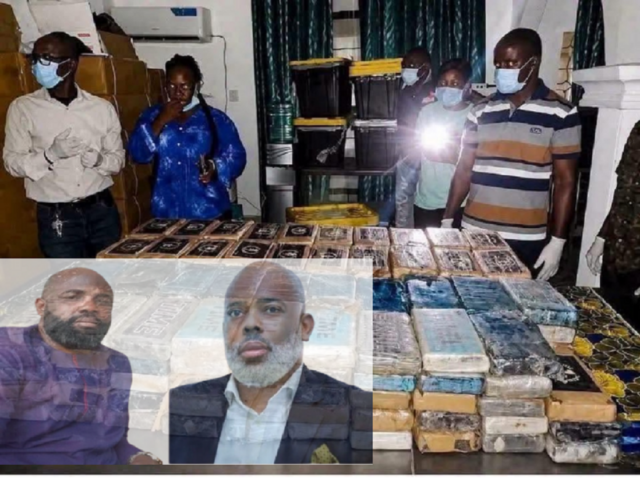
-Persons of Interest Reportedly Point Investigators Toward Cargo Picked Up from Paul King’s Residence as Pressure Mounts on Authorities to Unravel One of Liberia’s Biggest Drug Investigations
MONROVIA – Liberia’s sprawling US$19.2 million cocaine investigation took another dramatic turn Monday after purported testimonies from two persons of interest surfaced online, revealing new allegations about the origin and handling of the shipment that authorities intercepted at Roberts International Airport (RIA) earlier this month.
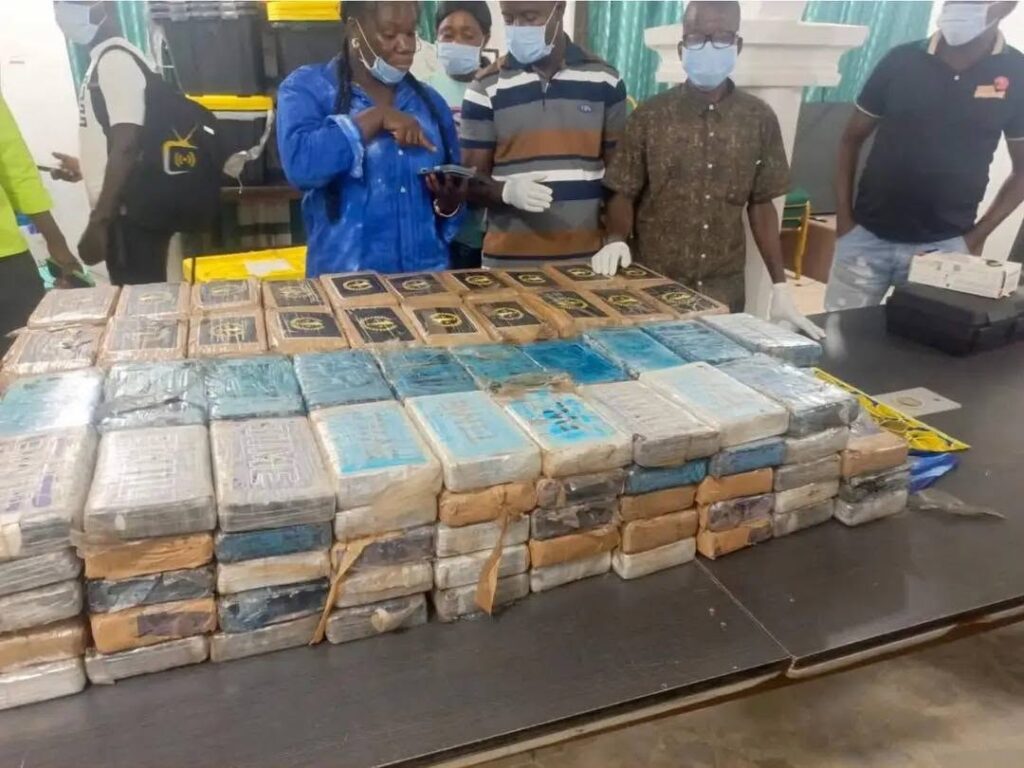
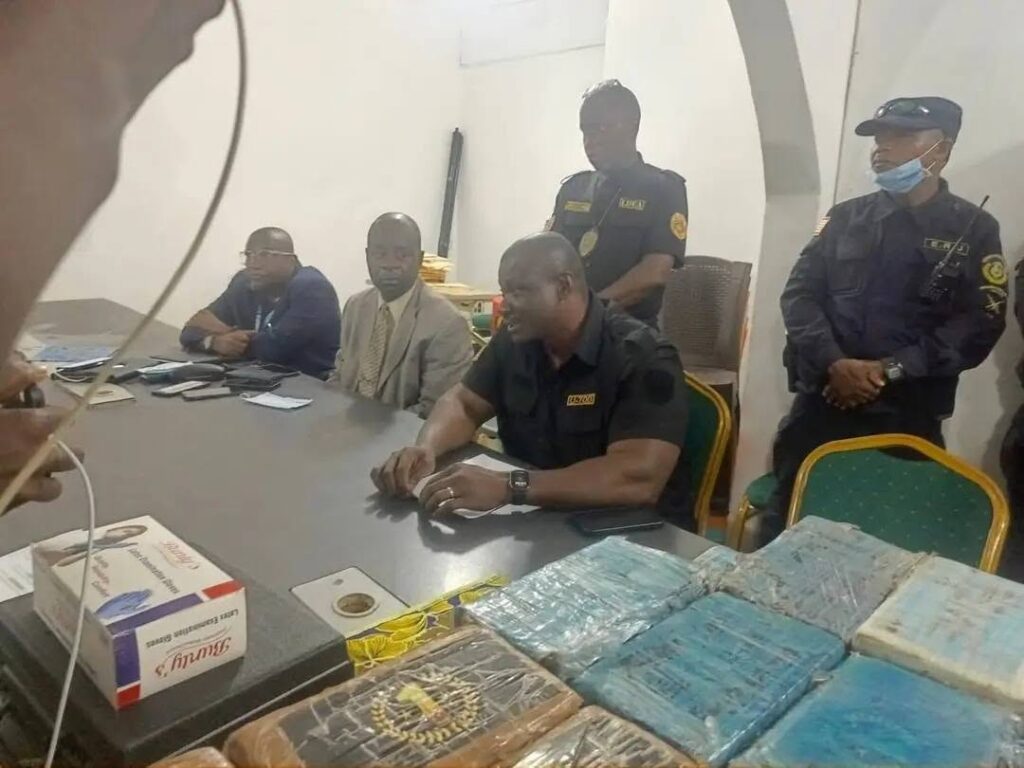
The leaked accounts, which have not been independently verified by The Liberian Post, appear to form part of ongoing interviews being conducted by the Joint National Security Investigative Task Force established by the Government of Liberia following the seizure of approximately 237.6 kilograms of cocaine at the Global Logistics Services (GLS) Menzies warehouse on June 8.
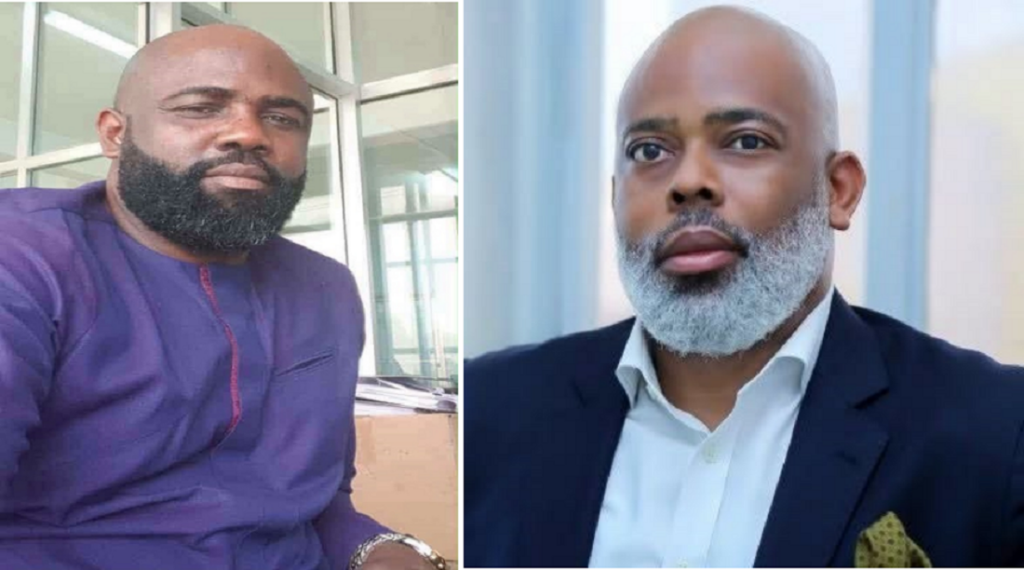
The testimonies, attributed to Archie Nyanfor, a cargo handler with Express Handling Services (EHS), and Arthur B. Abdullai, Chief Executive Officer of EHS Africa Logistics, appear to contradict earlier assumptions surrounding the shipment and could potentially widen the scope of the investigation.
Cargo Allegedly Collected from King’s Residence
According to the leaked testimony attributed to Nyanfor, he and another EHS employee, Emmanuel Zeon, were allegedly instructed to collect six boxes of cargo from the residence of Paul J. King, the General Manager of GLS Menzies, shortly before the shipment was prepared for export.
Nyanfor reportedly told investigators that he was unaware of the contents of the cargo and only learned of the alleged narcotics after airport security conducted a physical inspection.
“On Friday, June 5, 2026, my boss Arthur B. Abdullai instructed me and Emmanuel Zeon to take six boxes of cargo from Paul King’s house on the VP Road to ship,” the testimony states.
According to the leaked account, Nyanfor said Zeon later informed him that drugs had been discovered in the shipment during an inspection at the airport.
The testimony further alleges that Abdullai subsequently contacted Paul King after learning of the discovery.
‘It Was Lappa and Chicken Soup’
Perhaps the most striking revelation from the leaked materials is a claim attributed to Arthur Abdullai regarding how the shipment was described before transportation.
In the purported testimony, Abdullai told investigators that he was informed the cargo contained “lappa and chicken soup.”
“The shipper told us what was in the shipment. He told me it was lappa and chicken soup,” the leaked statement quotes Abdullai as saying.
He allegedly stated that his company routinely transported shipments originating from GLS and that he relied on the information provided by the shipper regarding the contents.
“All I had to do was to execute the air waybill,” the testimony reportedly states.
Abdullai is further quoted as saying that he lacked the equipment necessary to independently verify the contents of cargo being transported and therefore depended on the descriptions provided by clients.
The testimony also claims that the shipment was collected from Paul King’s residence before being transported to the airport.
Investigation Enters Critical Phase
The emergence of the leaked testimonies comes at a crucial stage of the government’s investigation.
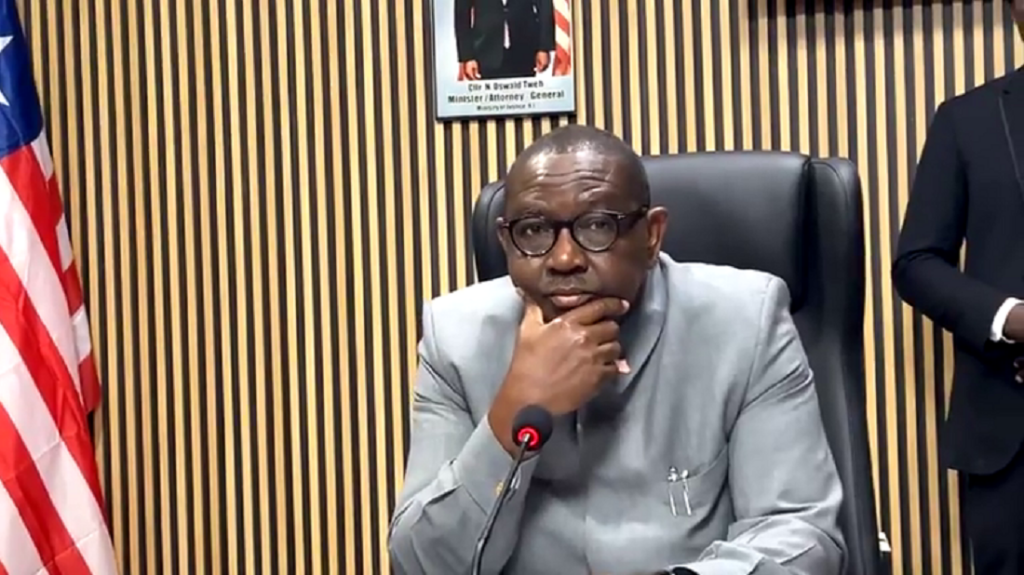
Last week, Attorney General and Justice Minister Cllr. N. Oswald Tweh announced that the Joint Investigative Task Force had identified a network of individuals connected to the movement, processing, screening, storage, transportation, and attempted export of the narcotics.
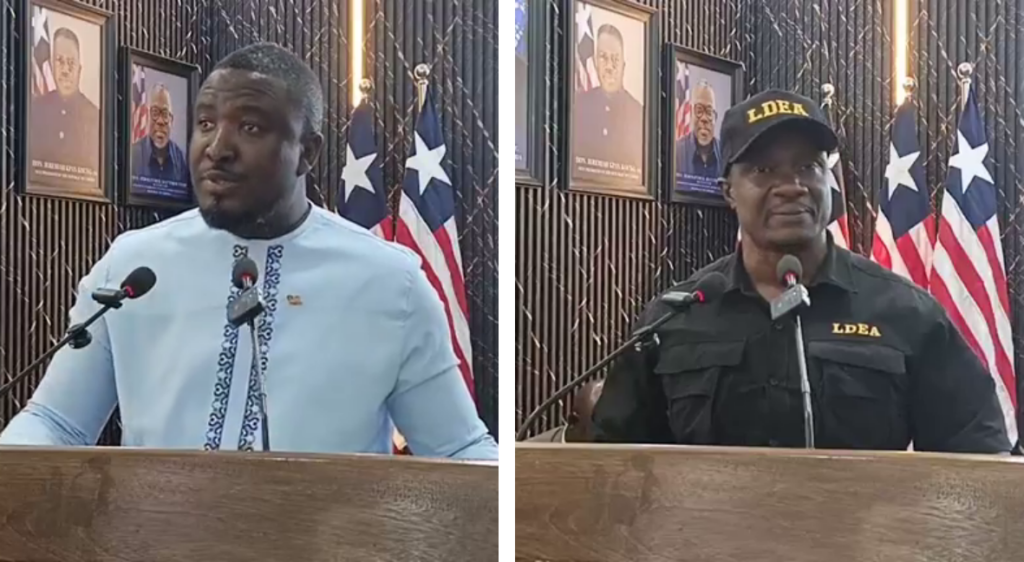
Authorities subsequently named ten individuals as Persons of Interest, including airport security officials, cargo handlers, scanner operators, and executives connected to logistics companies operating at Roberts International Airport.
Among those named were Paul J. King, Arthur B. Abdullai, Oscar Browne, Emmanuel T. Zeon, Philip Yeoh, Festus Musa, Ruth Gbapaywhea, Archie Nyanfor, Geraldine Zeon, and Mohammed Gbowrah.
The Ministry of Justice emphasized at the time that being designated a Person of Interest does not constitute a determination of guilt and that all individuals remain entitled to due process under Liberian law.
Government Expands Pressure
The investigation has already produced significant political and administrative consequences.
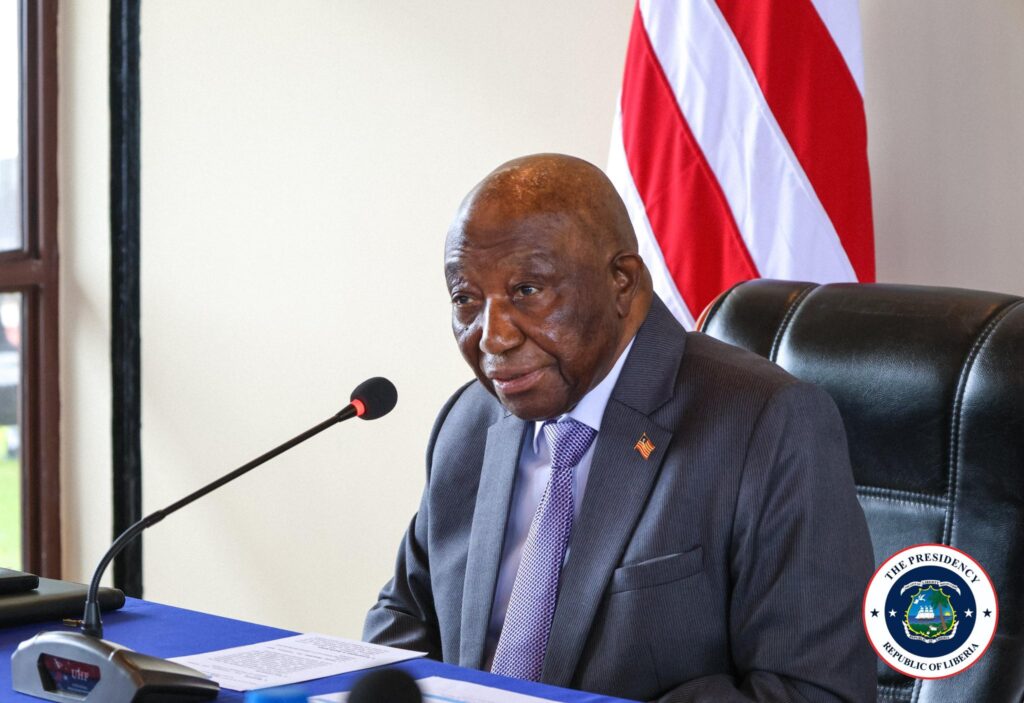
President Joseph Nyuma Boakai on June 22nd, 2026, suspended Peter Malcolm King, a member of the Board of Directors of the National Oil Company of Liberia (NOCAL), pending the outcome of the investigation after authorities identified entities associated with him for further scrutiny.
Meanwhile, Paul King, who was initially reported to be at large, has since returned to Liberia and was taken into custody by Joint Security personnel upon arrival at Roberts International Airport.
Government officials have repeatedly stressed that no individual will be shielded from investigation because of political influence, social standing, business connections, or public office.
Questions Continue to Mount
The leaked testimonies are likely to intensify public scrutiny of how the shipment entered Liberia, who financed it, how it moved through the cargo chain, and whether previous shipments may have escaped detection.
Investigators have already indicated that they are examining whether the June 8 seizure was an isolated incident or part of a broader criminal enterprise operating within and beyond Liberia’s borders.
According to the Ministry of Justice, investigators are reviewing cargo records, surveillance footage, financial transactions, communication logs, shipping manifests, and related documentation as part of their effort to establish the full chain of responsibility.
Authorities have also secured support from international law enforcement partners as the investigation expands.
Nation Awaits Next Breakthrough
The cocaine seizure has become one of the most consequential criminal investigations in recent Liberian history, generating widespread public attention and renewed concerns about the country’s vulnerability to international narcotics trafficking networks.
For now, many of the allegations contained in the leaked testimonies remain subject to official verification.
What is clear, however, is that the investigation appears to be moving deeper into the complex network of individuals and entities connected to the shipment.
As investigators continue to follow the evidence, Liberians are awaiting answers to the central questions that remain unresolved: who imported the cocaine, how it entered the country, and whether a larger trafficking network has been operating undetected for years.
The answers could have far-reaching implications for Liberia’s security institutions, aviation sector, and ongoing fight against illicit drug trafficking.
For breaking news, in-depth analysis, and exclusive reports from Liberia and around the world, follow The Liberian Post on Facebook (https://web.facebook.com/profile.php?id=61576017166570) and X, formerly Twitter (https://x.com/LiberianPost).