–Information Minister Cites Road Construction, Electricity Expansion, Yellow Machines and International Recognition as Proof That the Government’s ARREST Agenda Is Delivering Results
MONROVIA, LIBERIA – Information Minister Jerolinmek Matthew Piah has mounted a robust defense of the Boakai administration’s development record, arguing that ongoing infrastructure projects, energy expansion and Liberia’s growing international standing provide clear evidence that the government is fulfilling its promises to the Liberian people.
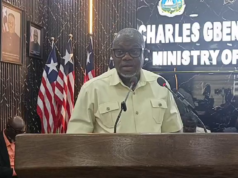
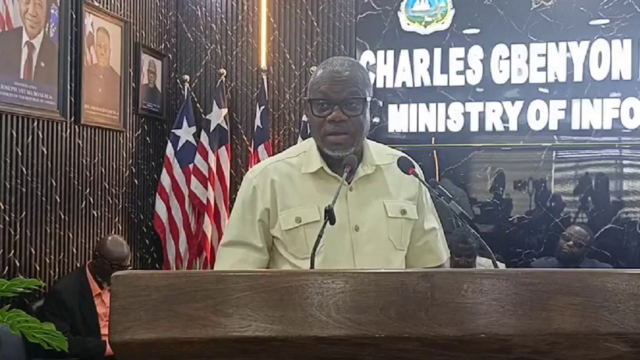
Speaking during Tuesday’s regular Ministry of Information press briefing, Piah directly responded to criticism from opposition figures and former government officials who have questioned the pace and effectiveness of the administration’s development agenda.
The minister maintained that Liberia is witnessing visible progress across several sectors and challenged critics to assess the government based on tangible outcomes rather than political rhetoric.
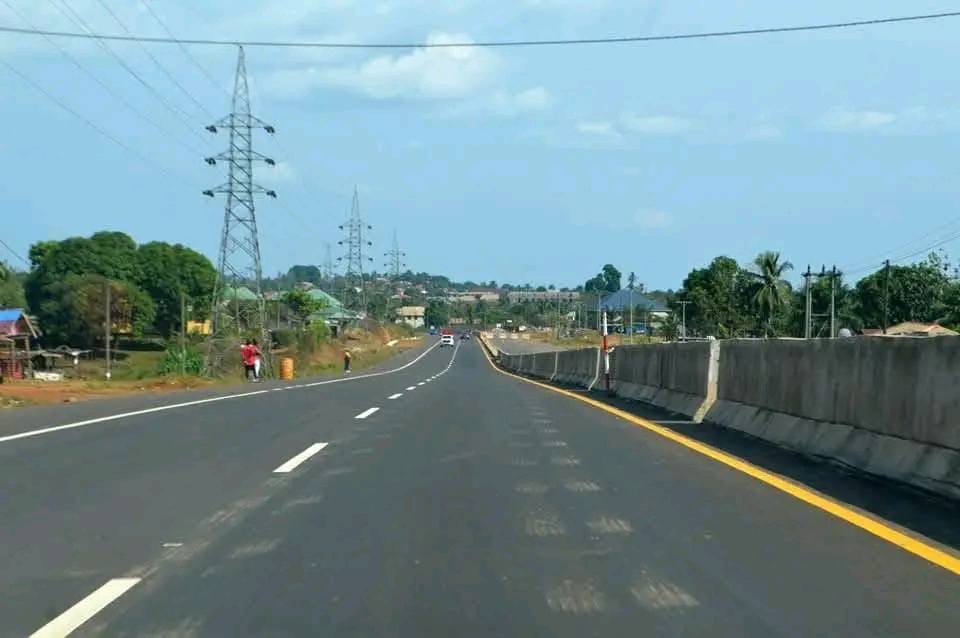
“If connecting our roads by pavement represents failure, then we want to fail,” Piah declared.
His remarks came amid renewed criticism from former Information Minister Eugene Nagbe and other opposition voices who have accused the administration of underperforming nearly three years into its mandate.
Piah rejected those claims and pointed to what he described as unprecedented levels of infrastructure development across the country.
Among the projects highlighted were ongoing road works in western Liberia, continued progress along the southeastern corridor, and the expansion of strategic national highways aimed at connecting previously isolated communities.
The minister revealed that work is already underway on major road corridors despite the rainy season, including preparations for the expansion of the Western Corridor project.
“Before 2029 or 2030, the brand-new four-lane road that leads to western Liberia will be visible,” he said.
According to Piah, the government has adopted a dual-construction approach by simultaneously advancing road works from opposite ends of key corridors to accelerate completion.
He also highlighted progress on the Gbarnga-Mendikorma-Voinjama corridor and the southeastern highway network, which has long been viewed as essential for unlocking economic opportunities across southeastern Liberia.
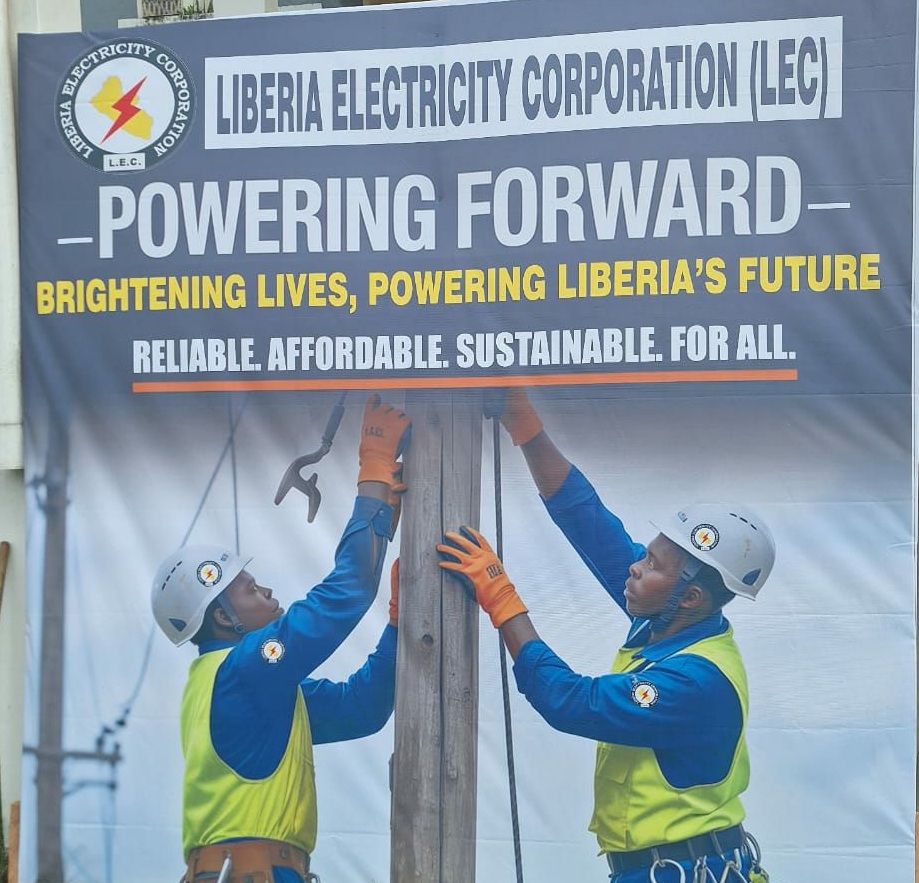
Beyond roads, Piah emphasized the administration’s efforts to expand access to electricity and renewable energy.
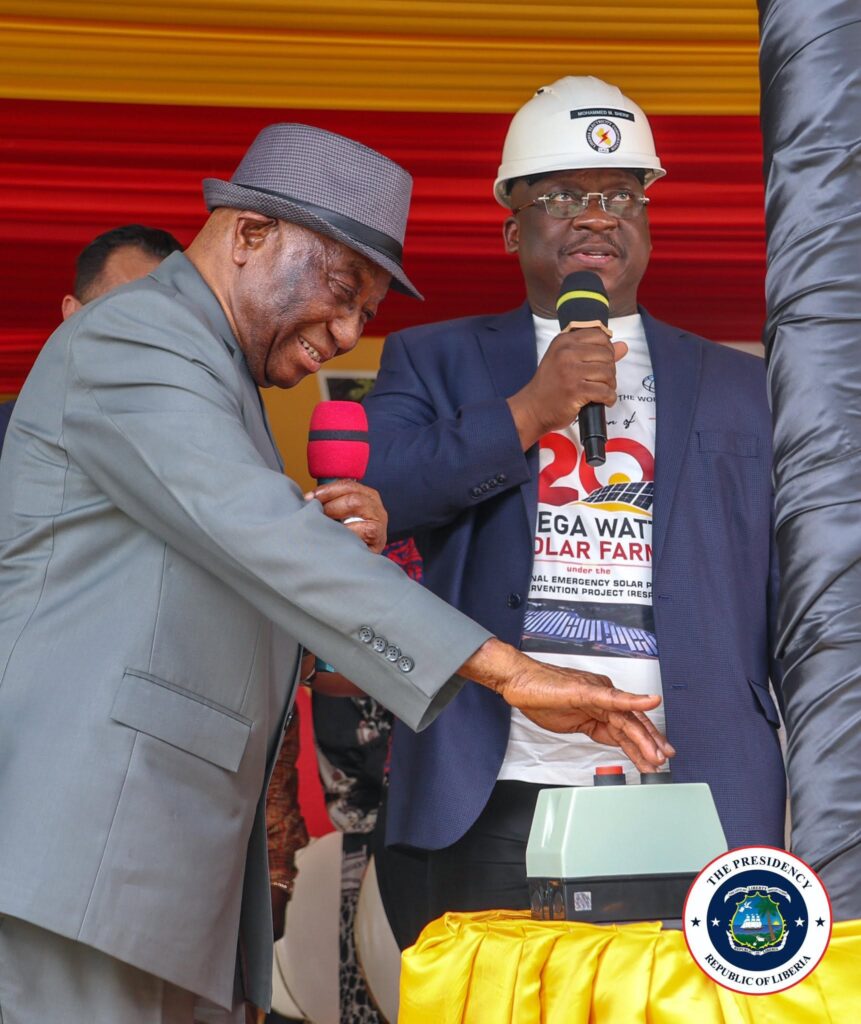
He pointed to a recently signed Memorandum of Understanding for the development of a 50-megawatt power plant and battery energy storage system, describing the project as a major milestone in Liberia’s quest for sustainable energy.
“If taking electricity to Grand Bassa, to Gbarnga, to Greenville and other parts of Liberia represents failure, then we want to be failing people,” he remarked.
The minister also highlighted Liberia’s recent success on the international stage, noting that the country has secured leadership positions within major regional and continental institutions.
Among those achievements, he cited the election of the Central Bank of Liberia to chair important regional financial bodies and the election of the Liberia Anti-Corruption Commission to represent West Africa on the Executive Committee of the Association of African Anti-Corruption Authorities.
“These are signs that Liberia’s credibility is being restored internationally,” he said.
Piah further defended the government’s controversial purchase of yellow earth-moving machines, arguing that the equipment is essential for addressing decades of infrastructure neglect.
He suggested that criticism of the initiative demonstrates a failure to appreciate the country’s development needs, particularly in rural Liberia.
“When people were flying in helicopters because roads did not exist, ordinary Liberians were suffering,” he said. “The yellow machines are helping us address problems that were inherited.”
The minister also used the occasion to contrast conditions inherited by the administration with what he described as improvements now taking place within government institutions.
Using the Ministry of Information itself as an example, Piah recounted the poor state of facilities when he assumed office, including damaged infrastructure, leaking roofs, lack of transportation and inadequate working conditions.
Today, he said, the ministry has acquired new vehicles, improved facilities and expanded public engagement through regular press briefings and digital communication platforms.
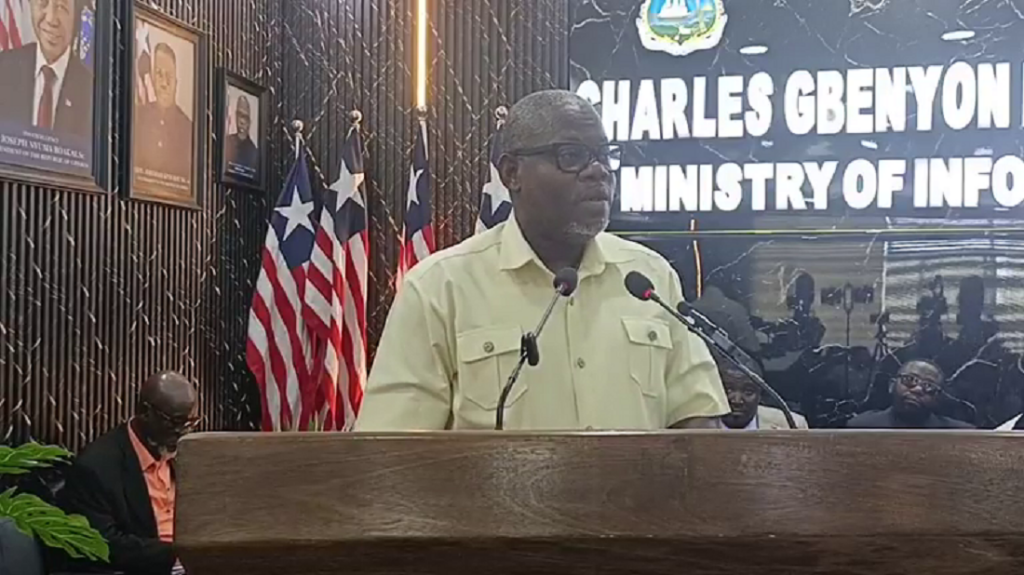
“The citizens that we serve know what we’re doing and what we’re not doing,” he stated.
For Piah, the administration’s record should ultimately be judged by completed projects and measurable improvements in the lives of ordinary Liberians.
He argued that while challenges remain, the government’s focus remains firmly on delivering the objectives outlined under President Boakai’s ARREST Agenda for Inclusive Development.
“In the end, the Liberian people will decide,” he said. “But they can already see the roads, the electricity, the international recognition and the development taking place.”
As political debate intensifies ahead of future elections, the administration appears increasingly determined to make infrastructure delivery and development achievements the centerpiece of its defense against opposition criticism.
For breaking news, in-depth analysis, and exclusive reports from Liberia and around the world, follow The Liberian Post on Facebook (https://web.facebook.com/profile.php?id=61576017166570) and X, formerly Twitter (https://x.com/LiberianPost).