–Former Mines Minister Says 2029 Politics, Internal Power Struggles, and His Wife’s Anti-fraud Stance Placed His Family at the Center of a Growing Political Storm
MONROVIA, Liberia – Former Minister of Mines and Energy Wilmot J.M. Paye has publicly broken his silence for the first time since his dismissal from government, alleging that political rivalries, succession calculations ahead of the 2029 elections, and resistance from powerful figures within the Unity Party-led administration contributed to his removal from office.
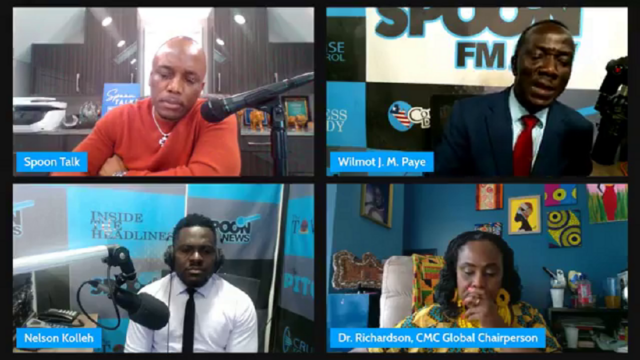
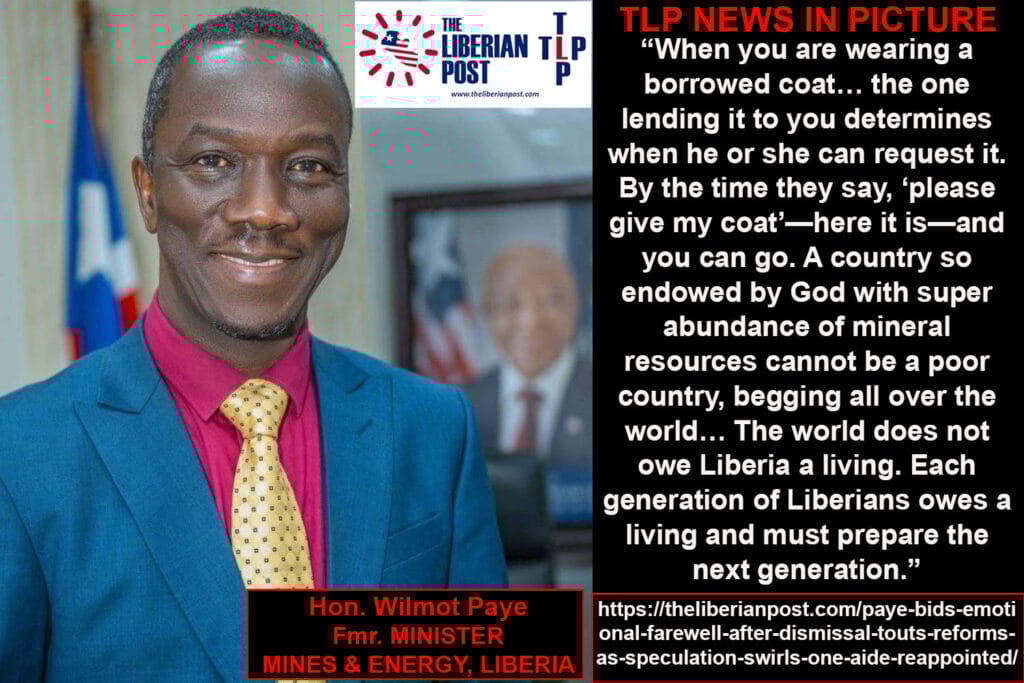
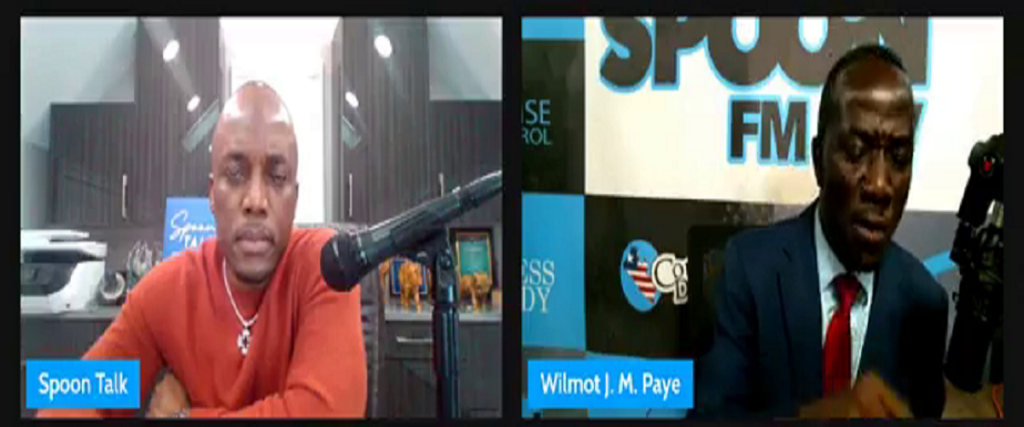
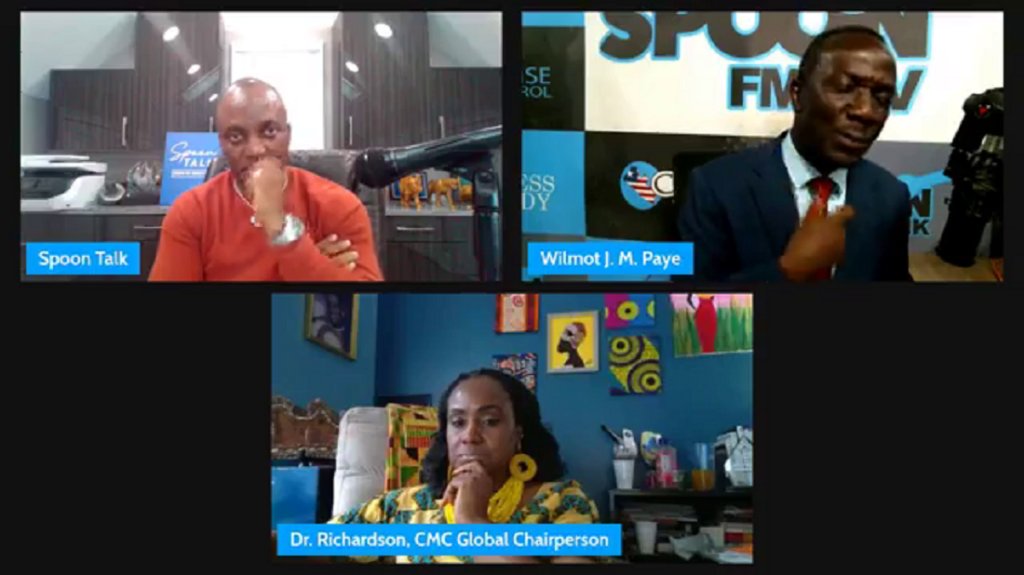
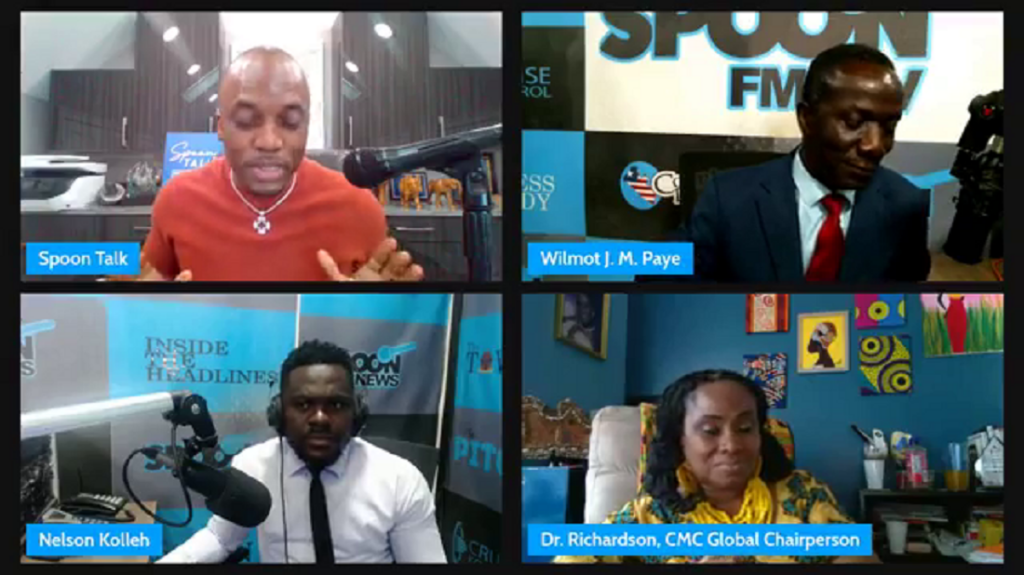
Speaking Tuesday night during an appearance on Spoon Talk with broadcasters Stanton Witherspoon and Nelson Kolleh, Paye said he was neither bitter nor angry about his departure from government, but felt compelled to share what he described as his experience after nearly 18 months of public service under President Joseph Nyuma Boakai.
“I’m not bitter. I’m not here with anger,” Paye said. “I’m here for a frank conversation, and sometimes frank conversations can bring out real truths.”
The former minister’s remarks marked his first extensive public comments since President Boakai relieved him of his duties in October 2025, ending months of speculation surrounding the circumstances of his departure.
Questions Surrounding His Removal
During the interview, Paye acknowledged that questions about his dismissal have followed him wherever he has gone since leaving office.
According to him, he remains unaware of any official reason for his removal and insisted that no one has presented evidence of wrongdoing or poor performance during his tenure.
Paye disclosed that President Boakai had personally offered him two senior positions before eventually appointing him as Minister of Mines and Energy, a gesture he described as a sign of confidence from the Liberian leader.
However, he claimed that almost immediately after assuming office, he began encountering resistance from certain quarters within government.
“Not a single week passed without being confronted with an issue,” Paye said. “I was fought every single week of those 17 months.”
Although he stopped short of naming every individual involved, he suggested that the opposition he encountered came largely from within government circles rather than from political opponents outside the administration.
Alleges Vice President Opposed His Appointment
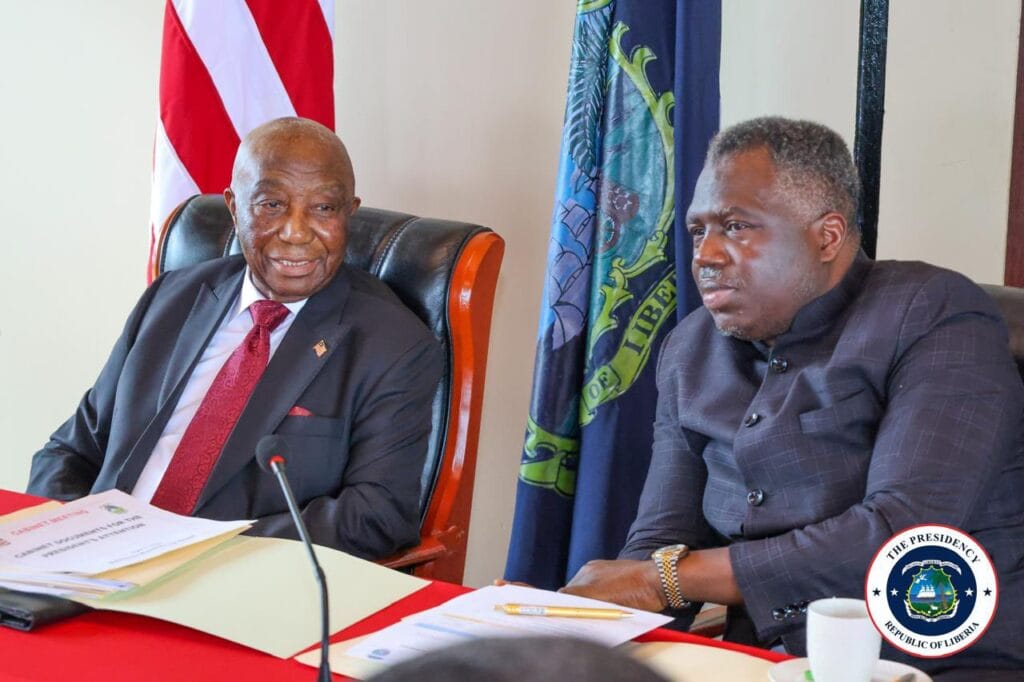
The most explosive portion of the interview centered on Vice President Jeremiah Kpan Koung.
Paye claimed that even before he formally assumed office, the Vice President expressed reservations about his appointment as Minister of Mines and Energy and suggested that he instead be appointed Director General of the Civil Service Agency.
According to Paye, Koung informed him that there were people who had supported President Boakai’s election campaign but did not want him serving as Mines and Energy Minister.
The former minister further alleged that the Vice President repeatedly intervened in matters involving appointments and internal affairs at the ministry.
While careful not to accuse Koung of direct wrongdoing, Paye said his experiences led him to believe he had become a political target.
“If he is looking at me and seeing me as a potential obstacle to his ambition, the public needs to make a determination,” Paye stated. “But at least from my experience, I can say for sure that some of us are his targets.”
The remarks are likely to fuel political debate within the ruling establishment, particularly as discussions about potential 2029 presidential contenders gradually emerge despite the Boakai administration being less than three years into its term.
Claims 2029 Politics Are Already Influencing Government
Paye also suggested that succession politics may already be influencing decisions within government.
He claimed that some individuals viewed him as politically aligned with Finance and Development Planning Minister Augustine Kpehe Ngafuan, a longtime friend and former schoolmate.
According to Paye, he had been told that some people believed he and Ngafuan were positioning themselves politically for 2029 — an allegation he dismissed as baseless.
“Who is a Ngafuan person?” Paye asked during the interview. “To even think that there is a Ngafuan person and there must be another person, I think it’s a little naive.”
Nevertheless, he indicated that perceptions of political alliances may have contributed to tensions surrounding his role in government and ultimately influenced how he was viewed by certain officials.
Wife’s Anti-Fraud Stance Became a Source of Tension
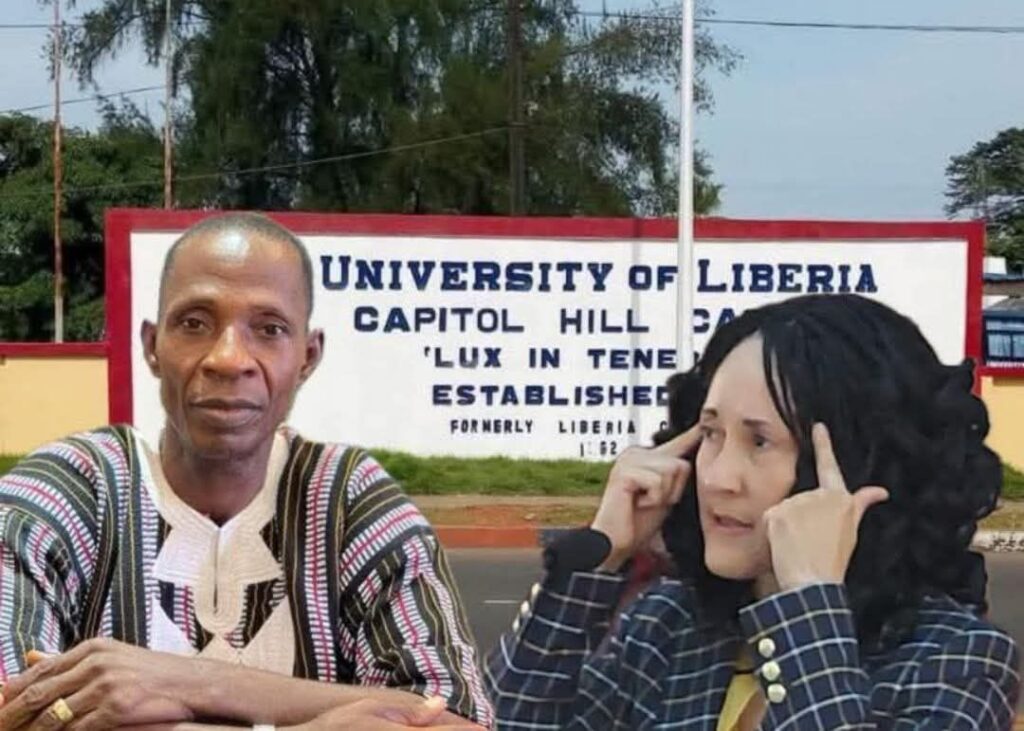
Paye also used the interview to defend his wife, Comfort Boog-Paye, a respected lecturer at the University of Liberia, whom he suggested became an indirect target because of her unwavering stance on issues of academic integrity.
According to the former minister, some of the political friction he experienced stemmed not from his work at the Ministry of Mines and Energy, but from controversies surrounding his wife’s refusal to compromise on matters involving alleged academic fraud and institutional accountability at the University of Liberia.
Without accusing any individual of wrongdoing, Paye indicated that his wife’s position on those issues placed her at odds with influential figures and eventually spilled into broader political discussions.
Throughout the interview, he praised her for standing firmly by her principles despite public pressure and criticism.
“She stood her ground,” Paye suggested, emphasizing that she remained committed to academic standards even when doing so attracted backlash.
The former minister’s comments have renewed attention to a Facebook post Mrs. Paye published shortly after President Boakai dismissed him from office.
In the widely circulated message, she praised her husband for what she described as choosing integrity over personal enrichment and thanked him for serving the country with honor and principle.
“Choosing integrity over wealth is the best choice any true Christian can make,” she wrote at the time.
The post, which was published amid intense public speculation about the reasons for Paye’s dismissal, was widely interpreted as both a personal tribute and a coded response to the circumstances surrounding his departure from government.
During Tuesday’s interview, Paye appeared to reinforce that message, portraying both himself and his wife as individuals who chose principle over political convenience.
For the former minister, the controversies that engulfed his family became part of a larger struggle over values, accountability, and the cost of maintaining independence in public life.
Defending His Record
Despite the controversies he described, Paye repeatedly emphasized that he remained focused on delivering results during his time at the Ministry of Mines and Energy.
He portrayed himself as a results-oriented public servant whose primary concern was implementing government programs and reforms rather than engaging in political battles.
“I believe progress can argue for itself,” he said.
The former minister pointed to efforts undertaken during his tenure to improve the country’s energy and mining sectors and argued that his record should speak louder than the political disputes that surrounded his service.
Potential Political Fallout
Paye’s allegations are likely to generate significant reaction across Liberia’s political landscape, particularly because they involve one of the country’s highest-ranking elected officials and raise questions about internal dynamics within the ruling establishment.
As of press time, neither Vice President Koung nor the Executive Mansion had publicly responded to the claims made during the interview.
Political observers say the comments could intensify scrutiny of factionalism, succession politics, and power struggles within the Unity Party-led administration as the government approaches the midpoint of its six-year mandate.
For now, however, Paye insists his intention is not to settle scores but to contribute to a broader national conversation about governance, leadership, and accountability.
“I’m talking to Liberians who love their country,” he said. “Reasonable Liberians who pray for their country every day and aspire to see it become what they want it to be.”
Whether his allegations spark official responses or deeper political debate, the interview has undoubtedly thrust the former minister back into the national spotlight and reopened questions about the circumstances surrounding one of the Boakai administration’s most closely watched cabinet dismissals.
For breaking news, in-depth analysis, and exclusive reports from Liberia and around the world, follow The Liberian Post on Facebook (https://web.facebook.com/profile.php?id=61576017166570) and X, formerly Twitter (https://x.com/LiberianPost).