–If the Vice President has officially opened the door to a 2029 re-election campaign, the President owes Liberians clarity about his intentions.
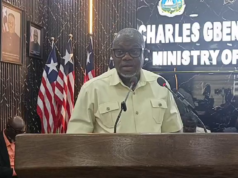
Vice President Jeremiah Kpan Koung’s declaration in Nimba County that President Joseph Nyuma Boakai “will be on the ballot in 2029” may prove to be one of the most consequential political statements made since the Unity Party assumed power in January 2024.
It was not simply another campaign-style speech delivered before enthusiastic supporters. It was, in effect, the first public announcement by a sitting constitutional officer that President Boakai intends to seek a second term.
That announcement is significant for one simple reason: it did not come from the President himself.
For months, Liberians have speculated about President Boakai’s political future. His administration has consistently insisted that its focus remains on governance rather than politics. Government officials have repeatedly urged citizens to judge the administration by the implementation of the ARREST Agenda for Inclusive Development rather than by early campaign rhetoric.
Vice President Koung has now changed that conversation.
When he told supporters that President Boakai would return to the ballot in 2029—and that he himself would lead the campaign—he effectively moved the country’s political discourse from governance to re-election.
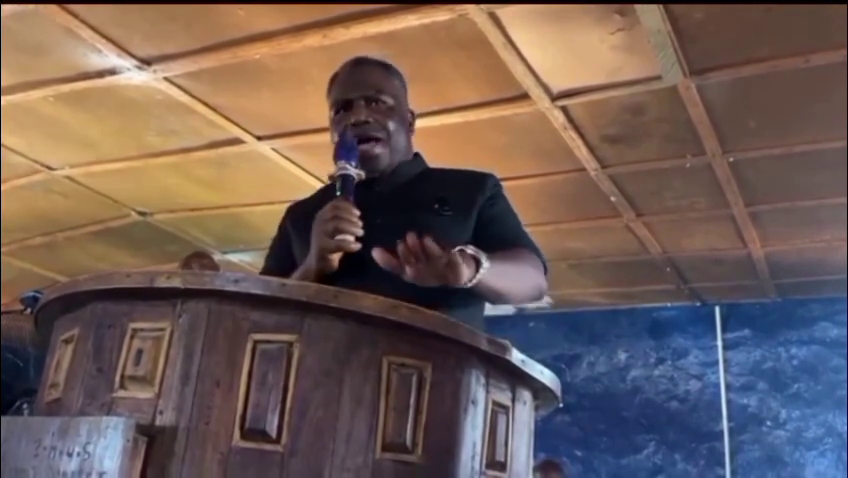
Whether intended or not, the statement has opened the 2029 political season.
The question now is no longer whether people will speculate.
The question is whether President Boakai agrees with what his Vice President has publicly declared on his behalf.
That answer matters.
It matters because President Boakai has built much of his public image on humility, restraint, and careful communication.
Throughout his political career, he has projected himself as a leader who avoids unnecessary political drama and prefers to let his work speak for itself.
If Vice President Koung accurately reflected the President’s intentions, then Liberians deserve to hear that directly from President Boakai.
If, however, Koung spoke prematurely or was expressing his own political optimism rather than an official presidential decision, then the Executive Mansion also owes the public clarification.
Silence now would only fuel further speculation.
There is another reason why this moment deserves careful reflection.
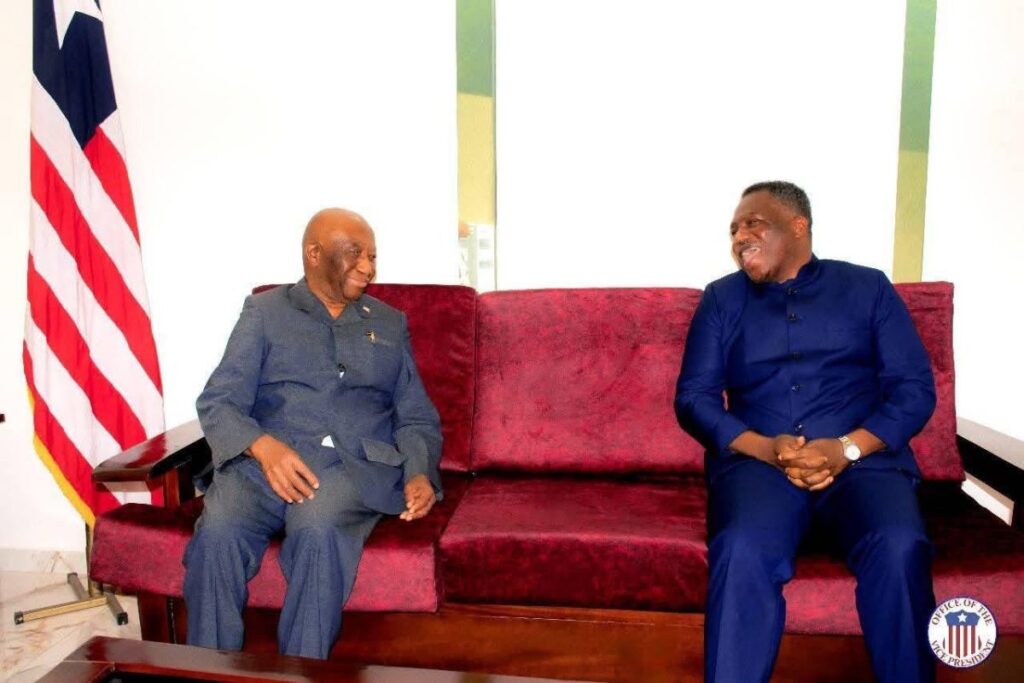
Although President Boakai never made a constitutional commitment to serve only one term, many Liberians entered the 2023 elections with the understanding that his presidency would focus on restoring governance and laying a foundation for the future rather than pursuing long-term political ambition.
That perception became part of the national political conversation, even if it was never formalized.
Today, Vice President Koung appears to have shifted those expectations.
Of course, Liberia’s Constitution is perfectly clear.
Every elected president has the legal right to seek a second six-year term.
President Boakai enjoys that same constitutional right.
There should be no controversy over eligibility.
The real issue is transparency.

If the President has indeed decided to seek another mandate, there is nothing improper about saying so.
On the contrary, early clarity allows citizens, political parties, investors, development partners, and even members of his own administration to understand the political direction of the country.
Transparency strengthens democracy.
Ambiguity weakens it.
History also provides useful perspective.
Former President Ellen Johnson Sirleaf entered office amid widespread expectations that she would serve only one term.
As her administration progressed, however, she concluded that many of her reforms required continuity.
Rather than allowing rumors to dominate the political landscape, she publicly declared her intention to seek another mandate, famously announcing that she would become “a formidable force” in the 2011 elections.
Liberians agreed or disagreed with that decision.
But they respected the clarity.
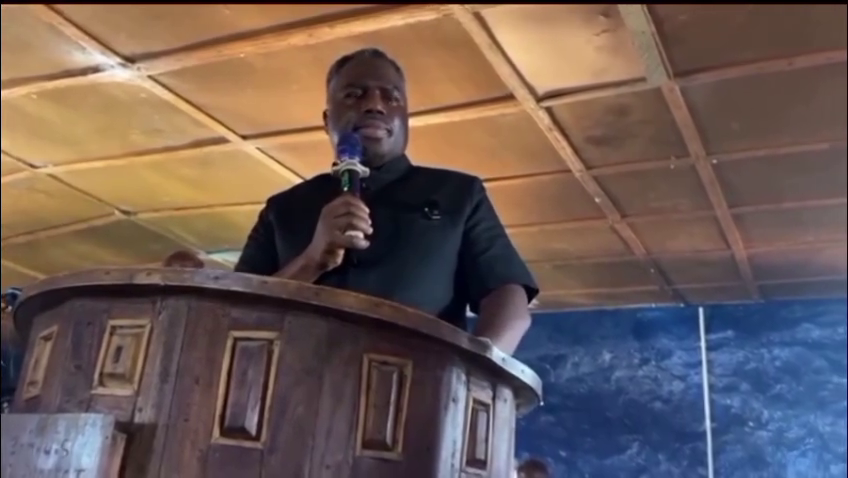
President Boakai now finds himself approaching a similar political crossroads.
Vice President Koung argues that six years will not be enough to complete transformational projects such as the southeastern highway, the Lofa road corridor, expanded hydroelectric generation, and other major infrastructure initiatives.
That is a legitimate political argument.
Indeed, many successful governments around the world seek re-election precisely because they believe unfinished work deserves additional time.
Ultimately, however, it is not the Vice President’s responsibility to decide whether President Boakai deserves another term.
Nor is it his responsibility to announce the President’s candidacy.
That responsibility belongs exclusively to President Boakai.
The Vice President’s remarks also carry broader political implications.
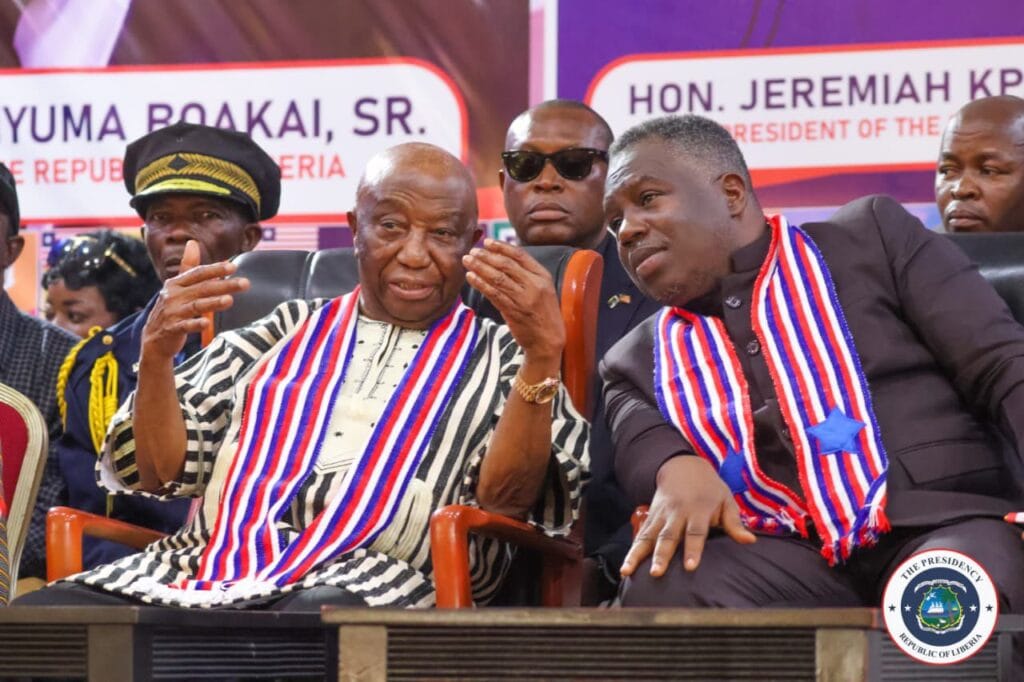
By publicly positioning himself as the leader of a future re-election campaign, Koung has signaled that discussions about 2029 are already taking shape within the ruling establishment.
Whether that benefits or distracts the administration remains to be seen.
There is always a delicate balance between governing and campaigning.
Liberians elected this administration to solve problems—not merely to prepare for the next election.
Roads remain unfinished.
Electricity remains unreliable in many communities.
Youth unemployment remains high.
Healthcare and education continue to face enormous challenges.
The ongoing US$19.2 million cocaine investigation has raised serious questions about institutional integrity and national security.
These issues demand sustained attention.
The government cannot afford to allow early campaign politics to overshadow its governing responsibilities.
If anything, Vice President Koung’s remarks should increase—not reduce—the pressure on the administration to deliver measurable results before asking Liberians for another six years.
For now, one thing is certain. The Vice President has spoken. Now the President must. Not because the Constitution requires it. But because leadership demands clarity. And in a democracy, clarity builds trust.
For breaking news, in-depth analysis, and exclusive reports from Liberia and around the world, follow The Liberian Post on Facebook (https://web.facebook.com/profile.php?id=61576017166570) and X, formerly Twitter (https://x.com/LiberianPost).