-President Calls on World Leaders to Invest More in Conflict Prevention as Liberia Showcases Two Decades of Recovery at UN Peacebuilding Fund’s 20th Anniversary
NEW YORK, United States – President Joseph Nyuma Boakai Sr. has told world leaders that Liberia’s transformation from one of Africa’s deadliest civil wars into a stable democracy stands as proof that sustainable peace is built through national ownership, reconciliation, accountable governance, and sustained international partnership—not by peace agreements alone.
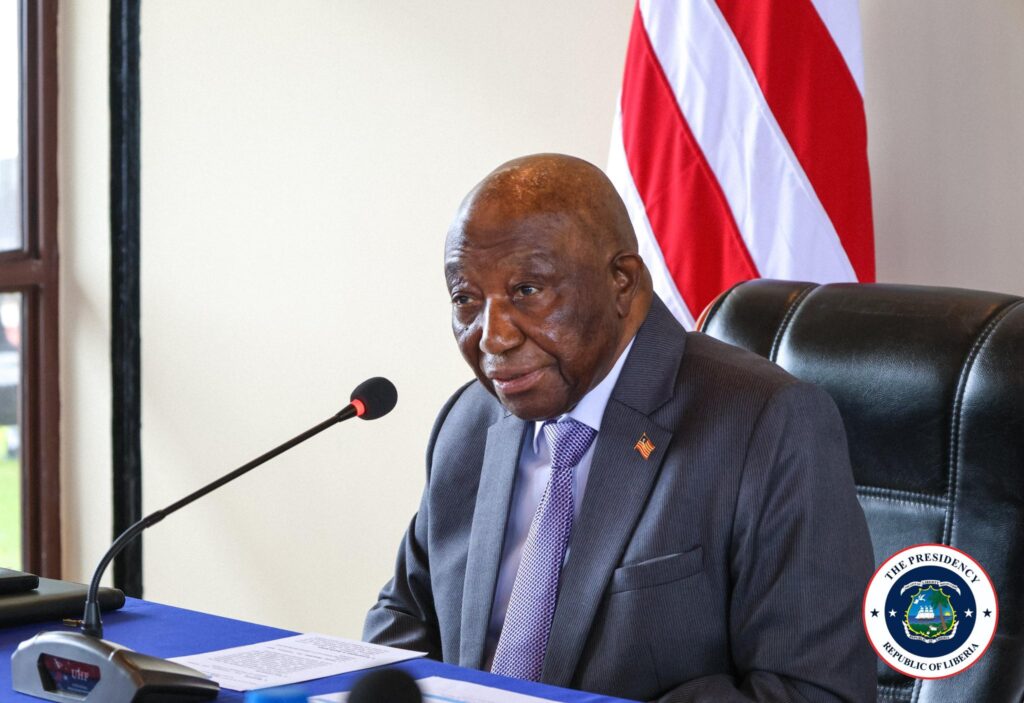
In a keynote address marking the 20th Anniversary of the United Nations Peacebuilding Fund (PBF) at the United Nations Headquarters in New York on Thursday, President Boakai reflected on Liberia’s painful journey from conflict to recovery while urging the international community to invest more heavily in preventing conflicts before they erupt.
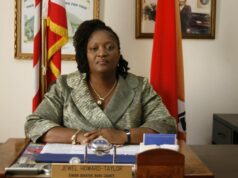
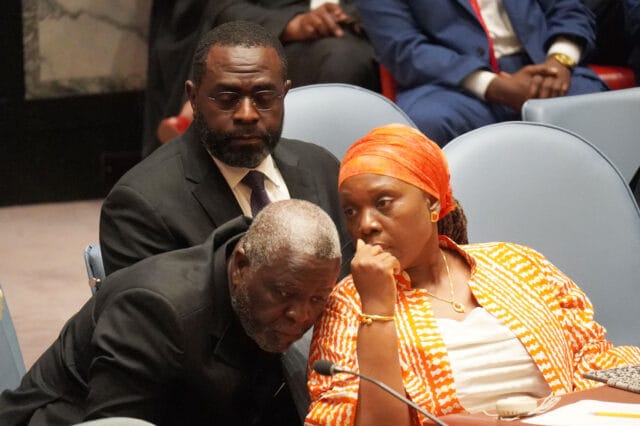
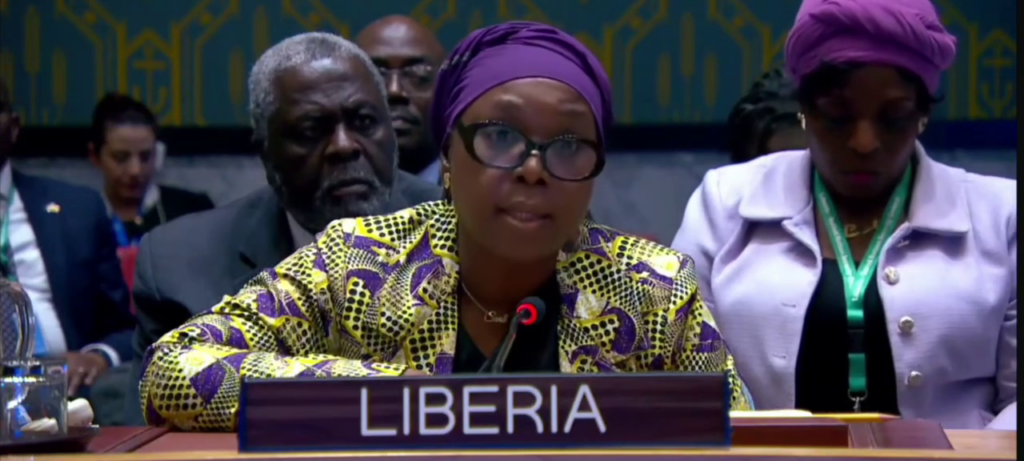
Although unable to attend the high-level event because of official responsibilities at home, the Liberian Leader was represented by Foreign Minister Sara Beysolow Nyanti, who delivered his address before United Nations Secretary-General António Guterres, heads of state and government, senior UN officials, diplomats, and international peacebuilding partners.
“Liberia does not speak about peacebuilding as a theory. We speak about it as something we have lived, something we continue to build, year by year, often imperfectly, but always with determination,” President Boakai declared.
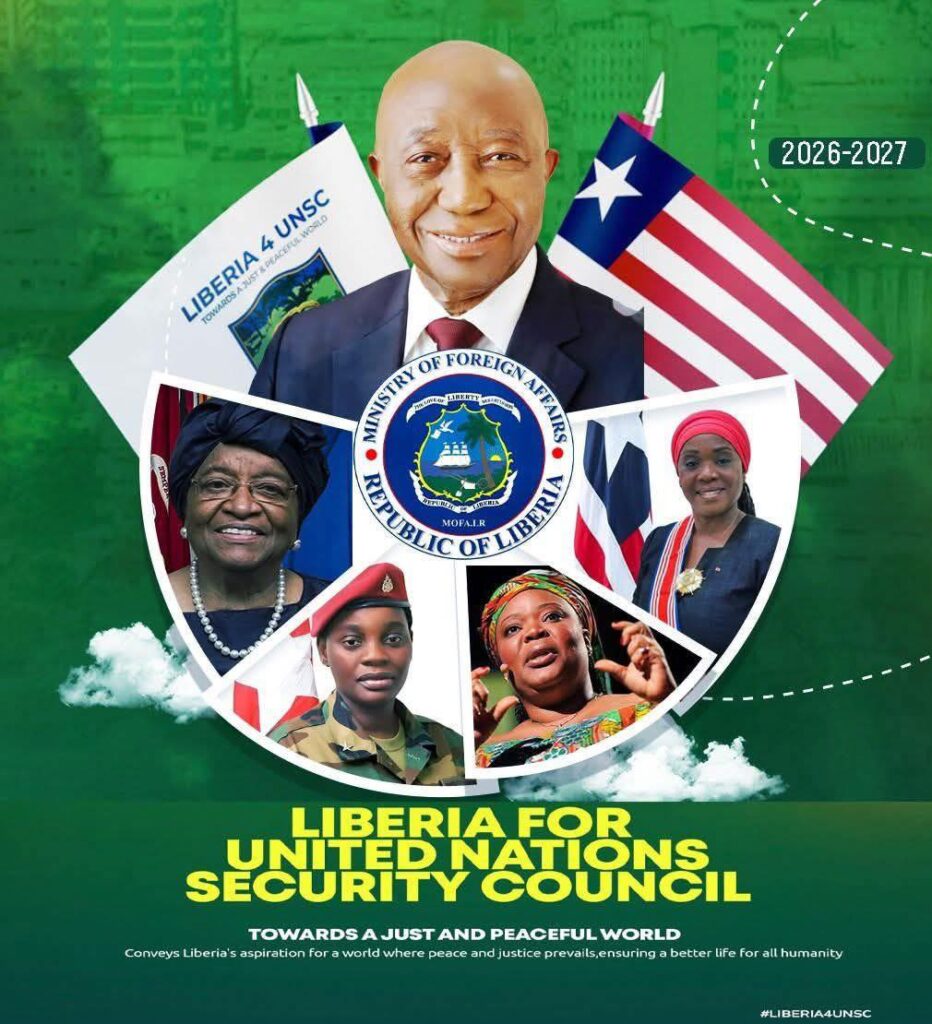
The address placed Liberia’s post-war experience at the center of global discussions on peacebuilding, while reinforcing the country’s growing diplomatic profile following its election to serve a two-year term as a non-permanent member of the United Nations Security Council beginning in January 2026.
From War to Peace
President Boakai reminded delegates that Liberia’s experience with violent conflict remains deeply personal.
For more than fourteen years, Liberia endured two devastating civil wars that claimed an estimated 250,000 lives, displaced nearly half of the country’s population, destroyed national institutions, crippled the economy, and left an entire generation growing up amid violence instead of education.
“I do not recount this history to dwell on pain,” he said.
“I recount it because it is the foundation of everything I will say to you today.”
He praised the United Nations Mission in Liberia (UNMIL) and the Peacebuilding Fund for standing with Liberia during one of the most difficult periods in its history.
According to the President, the Peacebuilding Fund helped finance critical reforms in the justice sector, security institutions, women’s empowerment, youth engagement, land rights, reconciliation, and community conflict resolution.
Those investments, he said, contributed directly to Liberia’s successful democratic transition, including the country’s three successive peaceful presidential elections, culminating in the peaceful transfer of power following the 2023 General Elections.
Peace Is Never Finished
At the heart of President Boakai’s address was a message that peace should never be viewed as a single event.
“Peace is not an event. It is not a ceasefire, and it is not the day a peace agreement is signed. Peace is a continuous, generational task.“
The President observed that although Liberia signed its Comprehensive Peace Agreement in Accra in 2003, the work of healing the nation continues more than two decades later.
He said his administration remains committed to implementing recommendations emerging from Liberia’s Truth and Reconciliation process while strengthening national unity.
Reconciliation Requires Courage
President Boakai used the international platform to defend his administration’s ongoing reconciliation initiatives, arguing that genuine peace demands honesty about the past rather than silence.
He pointed to several landmark measures undertaken by his government, including the historic national apology to victims of Liberia’s civil wars and the state reburials of former Presidents William R. Tolbert Jr. and Samuel Kanyon Doe, both of whom were violently killed while in office.
Describing those ceremonies as acts of national conscience rather than mere symbolism, President Boakai said they were intended to provide long-overdue closure to grieving families and help Liberia confront unresolved chapters of its history.
He also reaffirmed his administration’s commitment to establishing a War and Economic Crimes Court, acknowledging that confronting the past remains painful but necessary.
“A peace built on silence is a fragile peace, and Liberia has chosen the harder, more honest path,” he declared.
The remarks represent one of President Boakai’s clearest articulations before the international community of his government’s transitional justice agenda.
Peace Must Deliver Development
President Boakai also argued that peace cannot survive unless citizens experience tangible improvements in their daily lives.
He said governments must demonstrate the dividends of peace by investing in roads, schools, healthcare, employment opportunities, and stronger public institutions.
“A peace that does not deliver roads, schools, healthcare, and opportunity will not hold,” he warned.
The President said this philosophy underpins his administration’s ARREST Agenda for Inclusive Development, which prioritizes infrastructure, economic transformation, governance reform, and human capital development as the foundation for lasting national stability.
Liberia’s Growing Global Voice
The speech also highlighted Liberia’s expanding international role.
Having spent years benefiting from international peacekeeping and peacebuilding assistance, Liberia now seeks to contribute its own experiences to countries facing similar challenges.
President Boakai said Liberia’s current seat on the United Nations Security Council belongs not only to Liberians but also symbolizes hope for nations emerging from conflict.
“While the seat at that table bears Liberia’s name, it belongs to the wider community of nations that have known conflict and found their way back to peace,” he said.
The President urged the United Nations to broaden its peacebuilding agenda to address modern threats, including youth unemployment, climate change, institutional distrust, and social exclusion, warning that these challenges could reverse decades of progress if left unaddressed.
He called on the Peacebuilding Fund to invest not only in post-conflict recovery but also in preventing conflicts before violence erupts.
Twenty Years of Partnership
Established in 2006, the United Nations Peacebuilding Fund supports countries emerging from conflict by financing initiatives that strengthen governance, reconciliation, rule of law, security sector reform, women’s participation, youth empowerment, and conflict prevention.
Liberia was among the Fund’s earliest beneficiaries following the end of its civil conflict and has received support for numerous initiatives aimed at rebuilding institutions and strengthening democratic governance.
The anniversary celebration brought together world leaders, senior UN officials, international donors, and peacebuilding practitioners to reflect on two decades of achievements while charting the future direction of global peacebuilding efforts.
For Liberia, the event represented more than a ceremonial anniversary.
It was an opportunity to demonstrate how a nation once defined by war has evolved into one increasingly shaping international conversations on peace, reconciliation, democracy, and conflict prevention.
Concluding his address, President Boakai expressed Liberia’s gratitude to the United Nations, donor countries, and development partners for walking alongside the country throughout its recovery.
He pledged that Liberia would continue sharing its experiences with nations facing conflict while remaining committed to building “brick by brick” the peace that generations of Liberians sacrificed so much to achieve.
For breaking news, in-depth analysis, and exclusive reports from Liberia and around the world, follow The Liberian Post on Facebook (https://web.facebook.com/profile.php?id=61576017166570) and X, formerly Twitter (https://x.com/LiberianPost).