-Fund Says Macroeconomic Stability Remains Strong as Mining Expansion, Manufacturing and Construction Drive Growth, While Inflation Stays under Control Despite Global Economic Pressures
MONROVIA, Liberia – The International Monetary Fund (IMF) has delivered a strong vote of confidence in Liberia’s economic trajectory, commending the Boakai administration for maintaining macroeconomic stability, advancing key economic reforms, and keeping the country’s IMF-supported program firmly on track.
At the conclusion of a two-week mission to Monrovia, the Fund projected that Liberia’s economy will expand by 5.5 percent in 2026, driven by robust mining production, increased manufacturing activity, and continued growth in the construction sector, while describing the country’s medium-term economic outlook as positive.
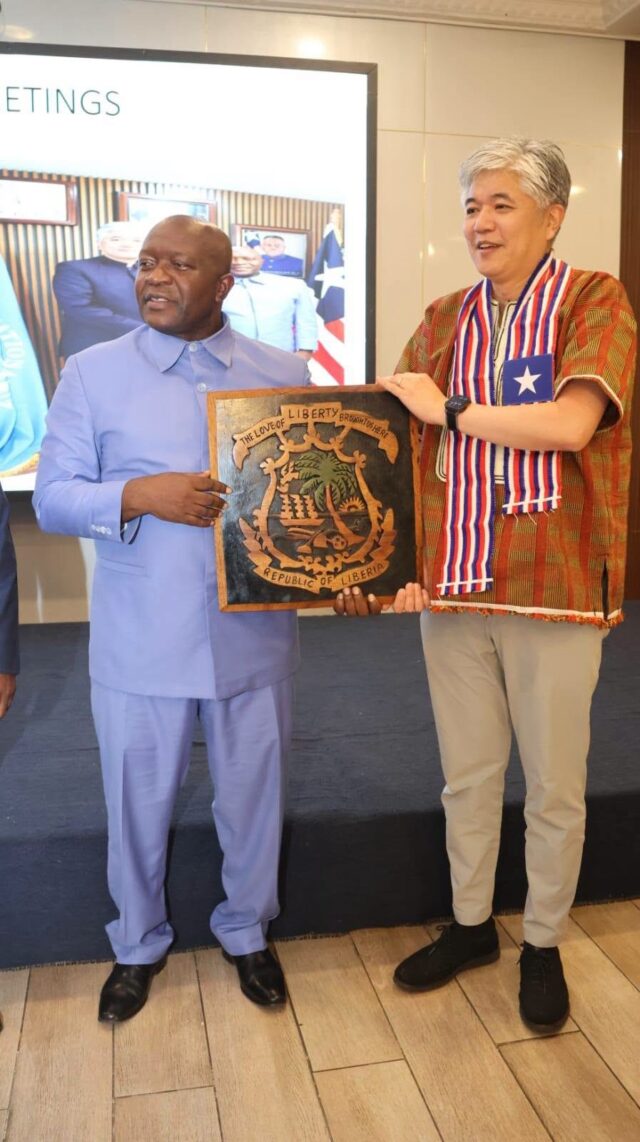
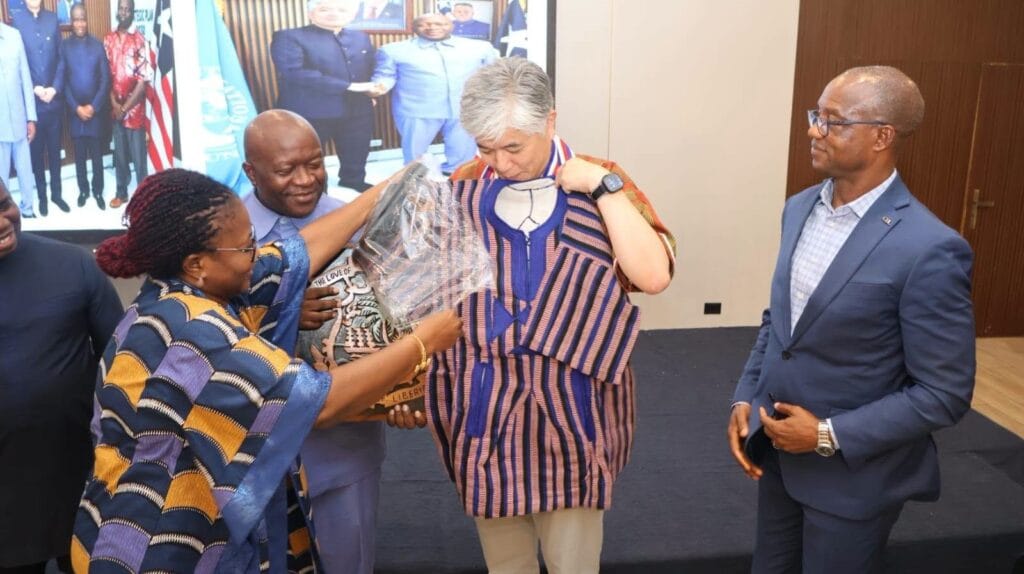
The assessment was contained in a statement issued Thursday by Daehaeng Kim, the IMF’s Mission Chief for Liberia, following a staff mission to the country from June 10 to 23.
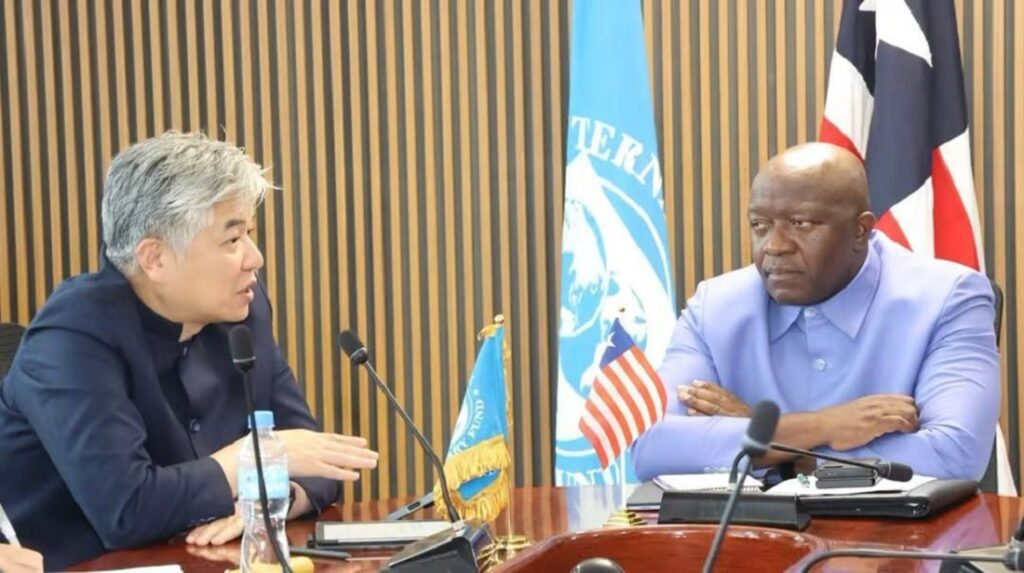
The mission conducted the Fourth Review of Liberia’s Extended Credit Facility (ECF) arrangement and the First Review under the Resilience and Sustainability Facility (RSF)—two major IMF-supported programs that are helping Liberia implement economic reforms, strengthen fiscal discipline, and build resilience against climate shocks and future public health emergencies.
Economy Continues to Strengthen
According to the IMF, Liberia has continued to make “solid progress in macroeconomic stability,” with performance under the reform program remaining strong and quantitative targets being successfully achieved.
The Fund projects real Gross Domestic Product (GDP) growth of 5.5 percent this year, largely supported by continued expansion in iron ore production, alongside improvements in manufacturing and construction.
The projection represents another year of accelerating growth following estimated economic expansion of 5.1 percent in 2025, itself an improvement over 4 percent growth recorded in 2024, reflecting increasing confidence in Liberia’s economic recovery.
The IMF noted that Liberia’s mining sector continues to serve as the principal engine of economic growth, supported by rising investment and expanding production by major concessionaires.
Inflation Remains Under Control
Despite recent increases in international fuel prices, the IMF observed that inflation has remained relatively contained. According to the Fund, annual inflation rose modestly to 5.3 percent in May 2026, compared with 4 percent at the end of 2025.
The IMF attributed the limited increase to Liberia’s relatively stable exchange rate, the comparatively small weight of fuel in the country’s consumer price index, and the absence of significant secondary inflationary pressures.
The assessment suggests that monetary and fiscal policies have continued to support price stability despite ongoing uncertainty in global commodity markets.
Fiscal Discipline Wins IMF Commendation
The IMF also praised the Government’s commitment to maintaining fiscal and financial stability while simultaneously expanding public investment and protecting vulnerable citizens.
According to the Fund, fiscal performance is expected to remain consistent with program objectives, supported by continued improvements in domestic revenue mobilization and prudent financial management.

The IMF welcomed the Government’s decision to prioritize spending on health, education, and social protection, noting that these investments are being supported by stronger-than-expected domestic revenues as well as a one-off US$200 million concession agreement bonus received earlier this year. That payment—equivalent to approximately 3.5 percent of Liberia’s Gross Domestic Product—has strengthened both the country’s fiscal position and its external buffers.
External Pressures Remain
While offering an optimistic assessment overall, the IMF cautioned that Liberia’s current account deficit is expected to widen significantly during 2026. The projected increase is largely attributed to higher fuel import costs and increased imports of machinery and capital goods associated with expanding mining operations and infrastructure development.
Nevertheless, the Fund stressed that these import increases are linked primarily to productive investments that are expected to strengthen the country’s long-term growth prospects rather than signal underlying economic weakness. For that reason, the IMF maintained that Liberia’s medium-term economic outlook remains favorable.
Progress Under IMF Reform Program
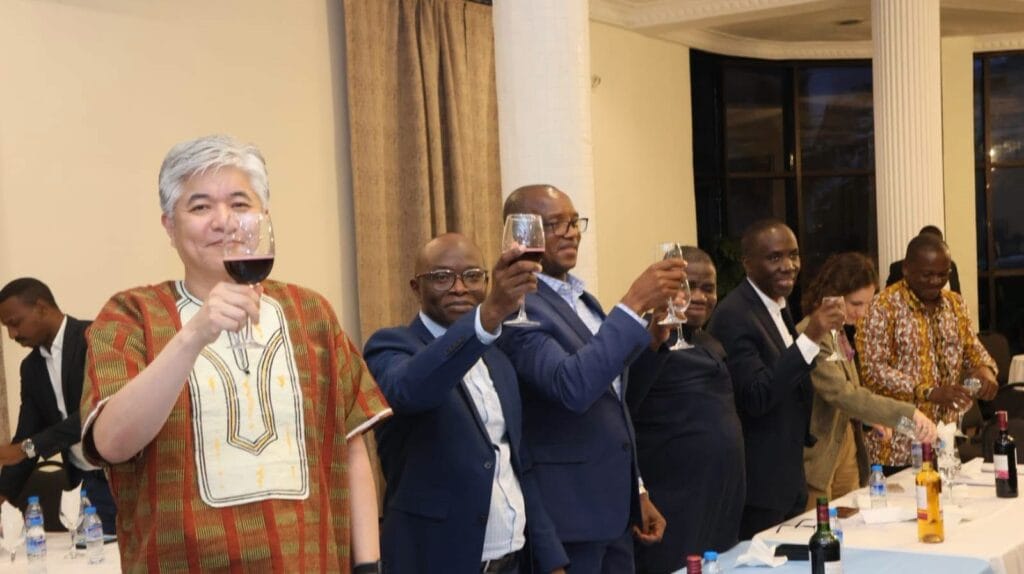
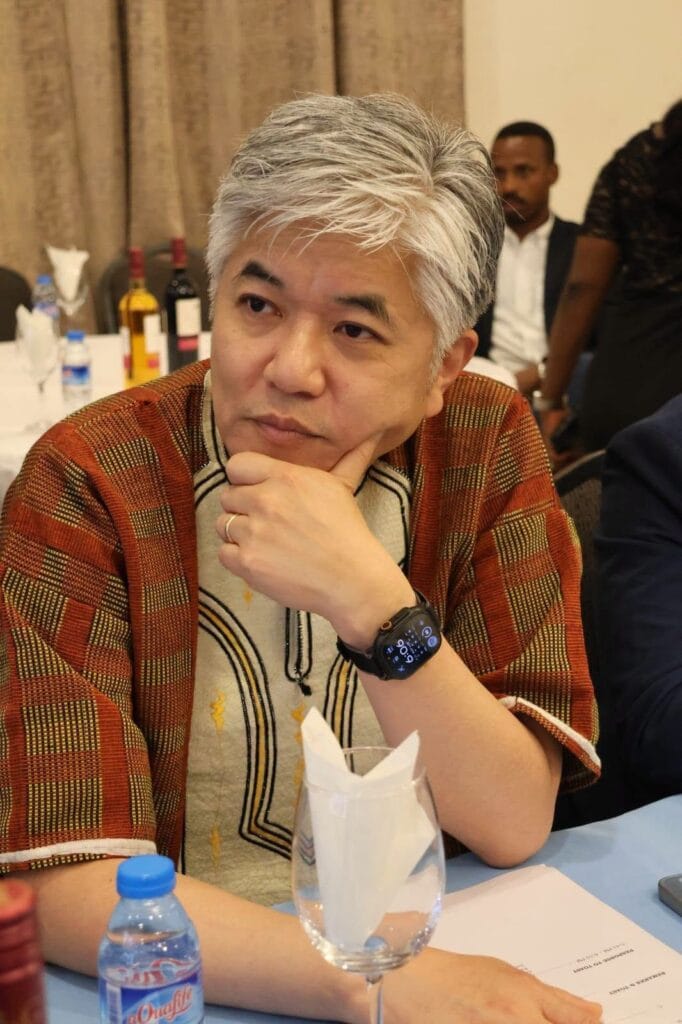
Mr. Kim disclosed that IMF staff and Liberian authorities held constructive discussions throughout the mission and reached a common understanding on the policies required to complete the Fourth Review of Liberia’s Extended Credit Facility program.
He said discussions would continue in the coming days ahead of consideration by the IMF Executive Board.
Successful completion of the review is expected to pave the way for additional support under the IMF program while reinforcing international confidence in Liberia’s economic reform agenda.
High-Level Engagement
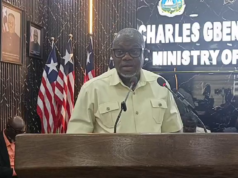
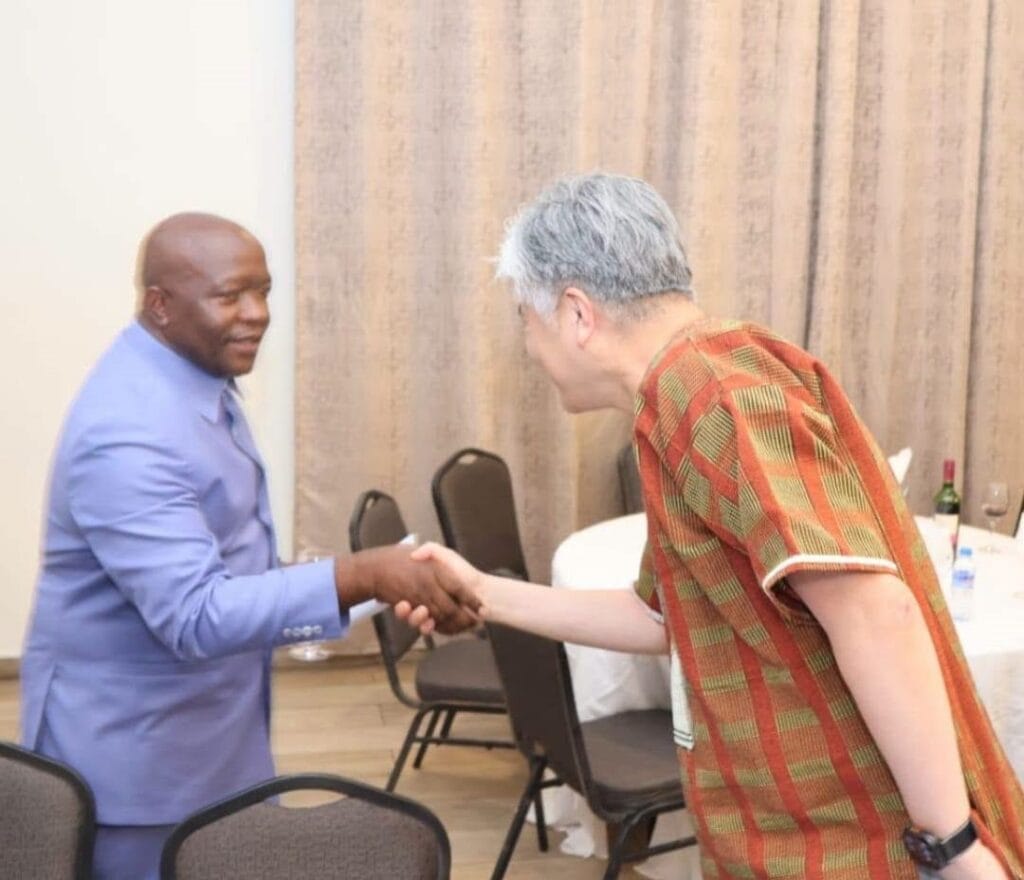
During their stay in Liberia, the IMF delegation held consultations with President Joseph Nyuma Boakai Sr., Finance and Development Planning Minister Augustine Kpehe Ngafuan, Central Bank of Liberia Executive Governor Henry F. Saamoi, senior government officials, and representatives of Liberia’s international development partners.
The Fund expressed appreciation for what it described as the Liberian authorities’ constructive engagement, cooperation, and hospitality throughout the mission.
A Vote of Confidence
The IMF’s latest assessment represents another important endorsement of Liberia’s ongoing economic reform program, which has focused on strengthening public financial management, improving domestic revenue collection, safeguarding macroeconomic stability, and creating greater fiscal space for investments in infrastructure, education, healthcare, and social protection.
The Extended Credit Facility, approved in September 2024, provides long-term concessional financial support for Liberia’s economic reform agenda, while the Resilience and Sustainability Facility supports reforms aimed at strengthening climate resilience, disaster preparedness, and long-term economic sustainability.
For the Boakai administration, the IMF’s favorable assessment is likely to strengthen investor confidence and reinforce the government’s argument that its economic policies are beginning to produce measurable results, even as Liberia continues to navigate external shocks, rising global commodity prices, and the challenge of translating macroeconomic gains into broader improvements in the living conditions of ordinary Liberians.
For breaking news, in-depth analysis, and exclusive reports from Liberia and around the world, follow The Liberian Post on Facebook (https://web.facebook.com/profile.php?id=61576017166570) and X, formerly Twitter (https://x.com/LiberianPost).