–RREA Unveils Ambitious Renewable Energy Drive to Electrify Hospitals, Connect More Than 10,000 Homes, and Expand Clean Power Across Rural Liberia
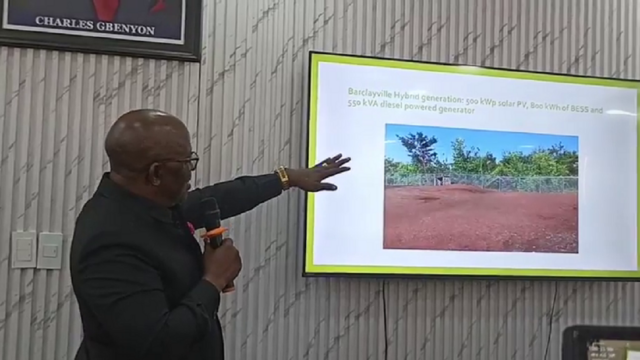
MONROVIA, Liberia – Liberia’s renewable energy sector is undergoing one of its most ambitious transformations in recent years, with the Rural and Renewable Energy Agency (RREA) rolling out multi-million-dollar investments that will electrify more than 10,000 homes, power dozens of hospitals and schools, expand rural mini-grids, and accelerate the country’s transition to clean energy.
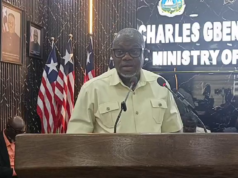
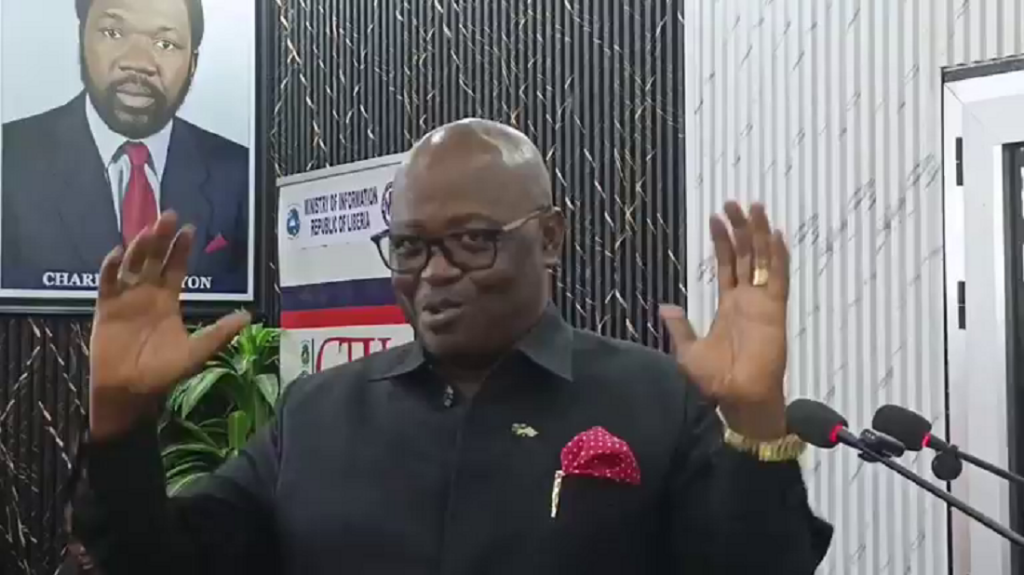
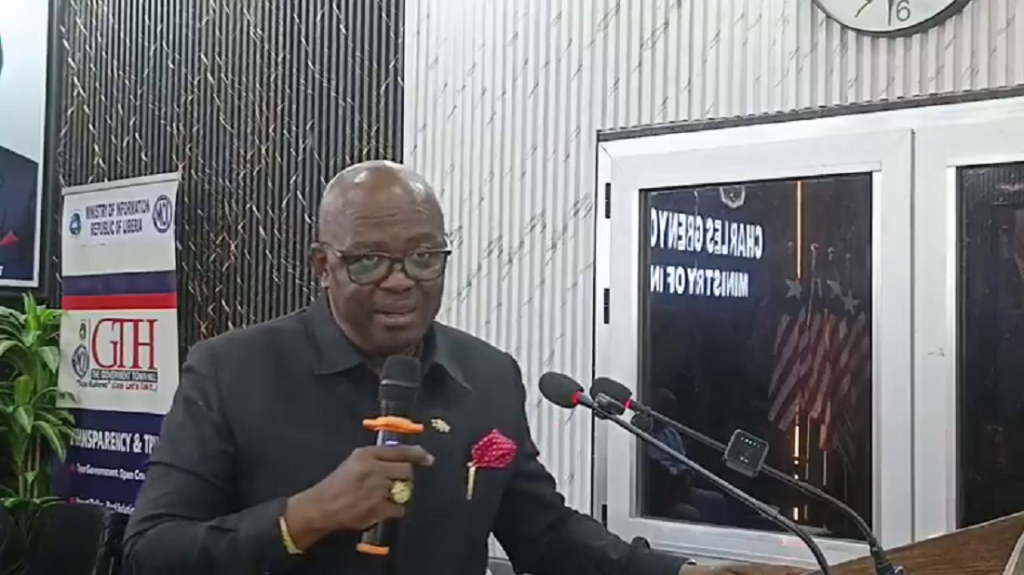
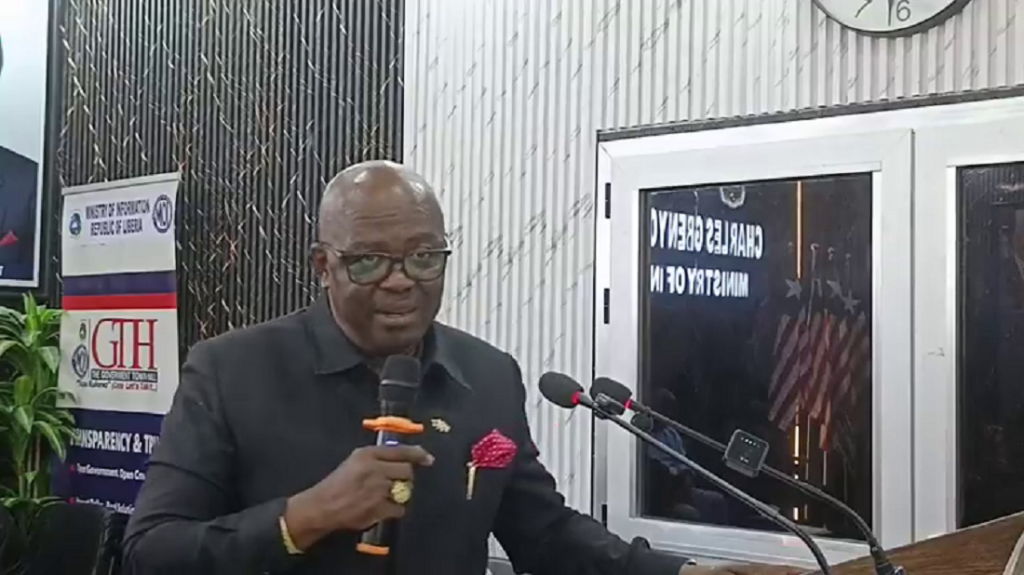
Presenting the Agency’s achievements and ongoing projects during Thursday’s regular press briefing at the Ministry of Information, RREA Executive Director Samuel Nagbe outlined an aggressive agenda that places renewable energy at the center of Liberia’s rural economic transformation.
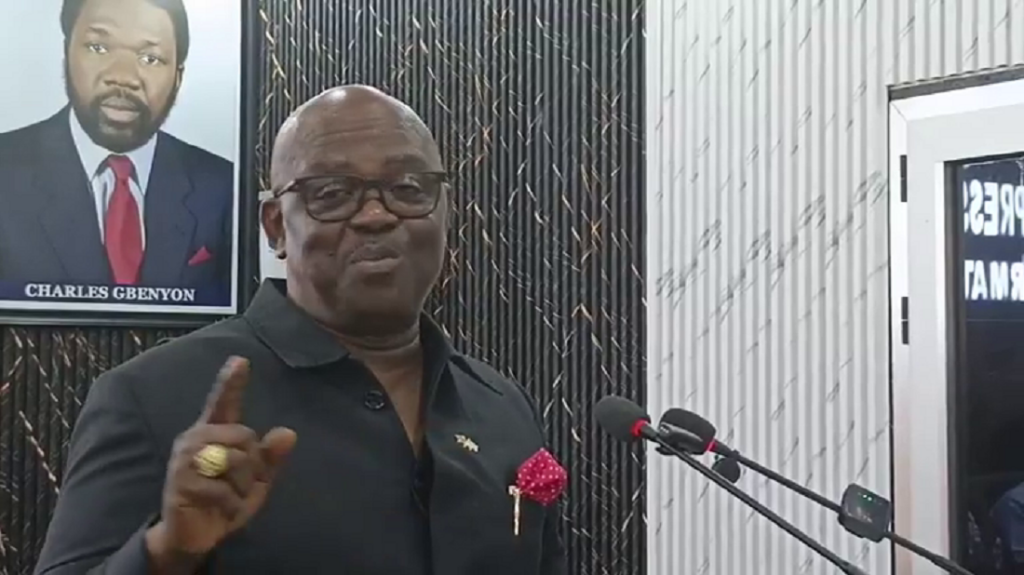
Established by an Act of the National Legislature in July 2015, the Rural and Renewable Energy Agency was created to promote the development and commercialization of renewable energy technologies while expanding electricity access to rural communities beyond the reach of Liberia’s national electricity grid.
“Our mission is to facilitate and accelerate the economic transformation of rural Liberia by promoting the commercial development and supply of modern energy services with emphasis on locally available renewable energy sources,” Nagbe told journalists.
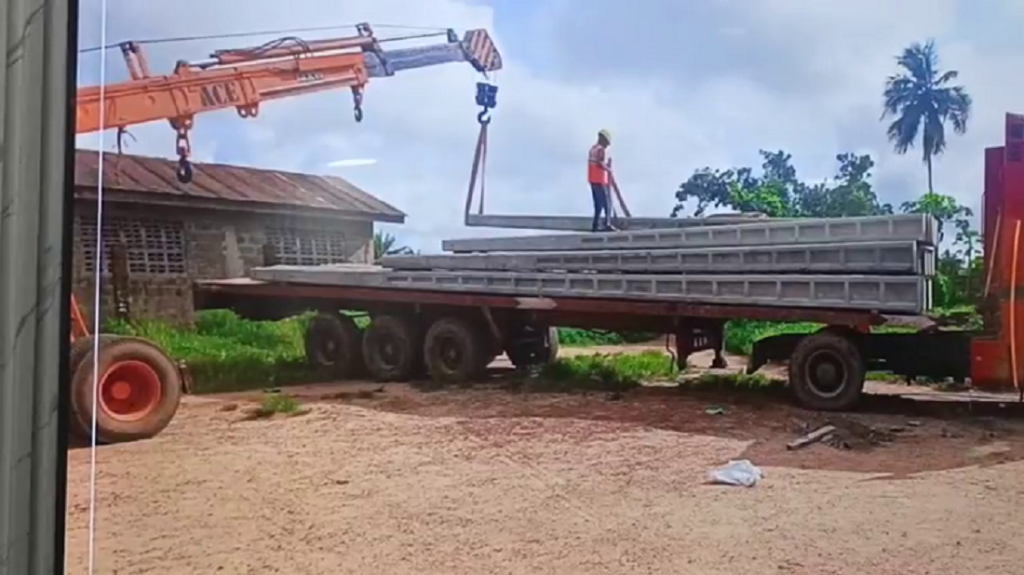
Lofa Mini-Grid Nears Completion
Among the Agency’s flagship initiatives is the Rural Renewable Energy Access Project (RREAP), a US$27 million undertaking jointly financed by the Government of Liberia and the World Bank’s Climate Investment Funds.
Nagbe disclosed that the project, centered in Lofa County, is nearing completion and represents one of the country’s largest renewable energy investments outside the national grid.
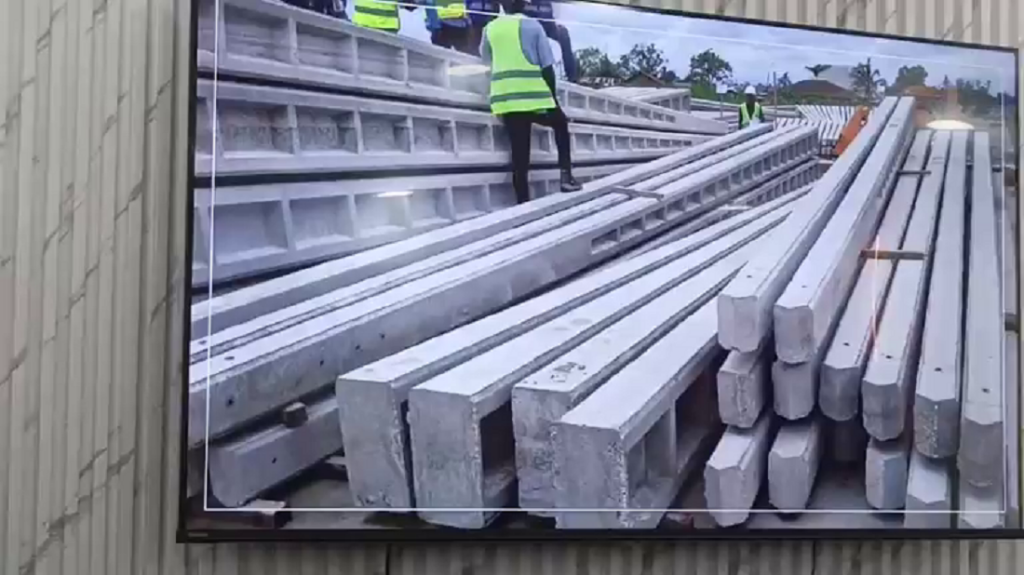
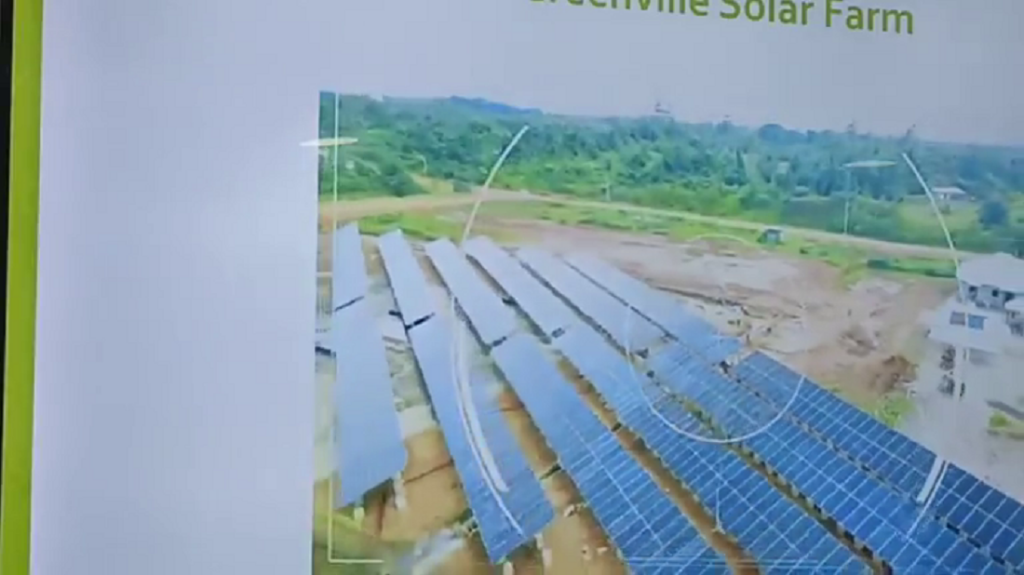
The hybrid system combines a 4-megawatt solar power plant, a 15-megawatt-hour battery energy storage system, diesel backup generators, and approximately 350 kilometers of medium- and low-voltage transmission lines that will distribute electricity across major communities.
According to Nagbe, the network will supply electricity to approximately 10,000 homes and businesses in Voinjama, Zorzor, Foya, Kolahun, Bolahun, and surrounding towns and villages.
He described the project as a game-changer for communities that have lived without reliable electricity for decades.
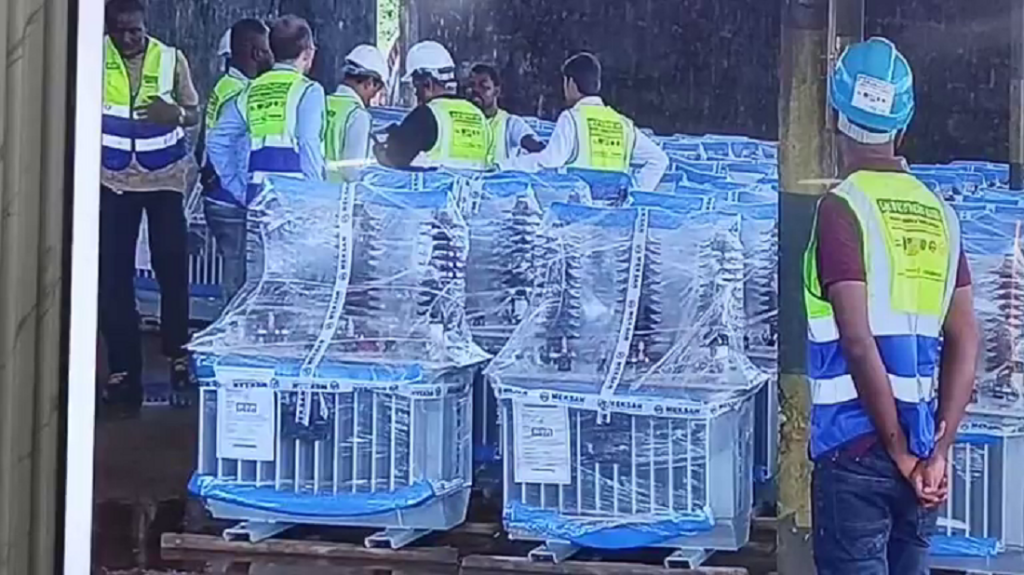
Unlike temporary emergency systems, Nagbe emphasized that the project is establishing a permanent utility network complete with transmission lines, transformers, and prepaid metering systems similar to those operating in urban Liberia.
“This is not simply rooftop solar,” he said. “We are building a complete electricity distribution network.”
A Vision Beyond Infrastructure
Perhaps the most memorable moment of Nagbe’s presentation came when he described the human impact of expanding electricity access to Liberia’s rural communities.
“I don’t think any Liberian child should be coming from a dark place into a dark place,” he declared. He continued: “No Liberian child should be born in darkness by 2030.”
The statement quickly became the defining message of the Agency’s presentation, encapsulating its broader vision that electricity should become a basic public service available to every Liberian regardless of where they live. Nagbe said the objective extends beyond powering homes.
“It is about saving lives, improving education, strengthening healthcare, supporting businesses, creating jobs, and giving every Liberian an opportunity to succeed,” he said.
Solar Power Transforming Healthcare
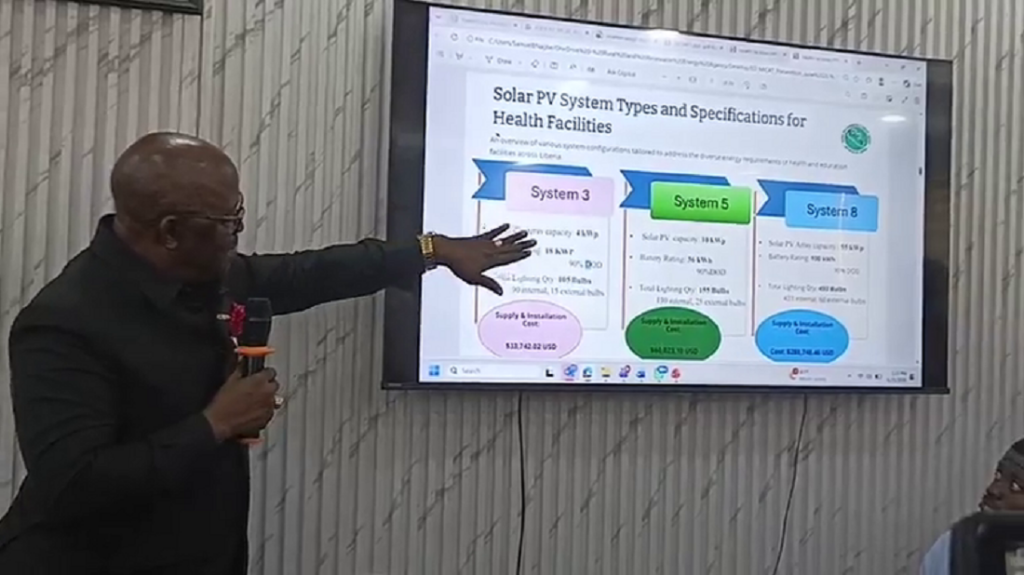
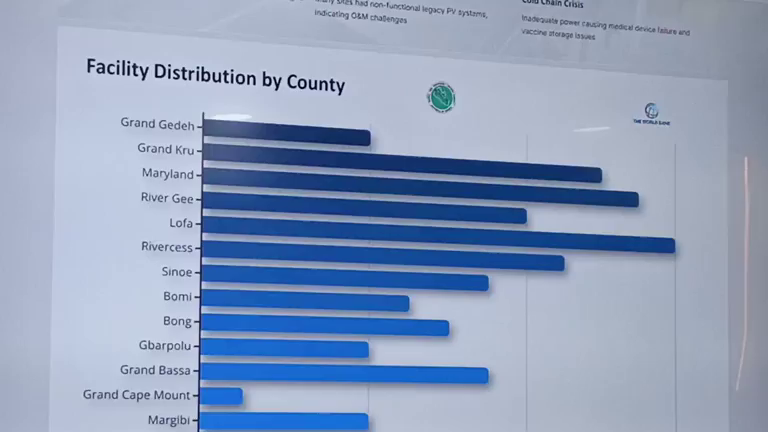
Beyond household electrification, Nagbe highlighted one of the Agency’s most transformative interventions—the nationwide solarization of public health facilities.
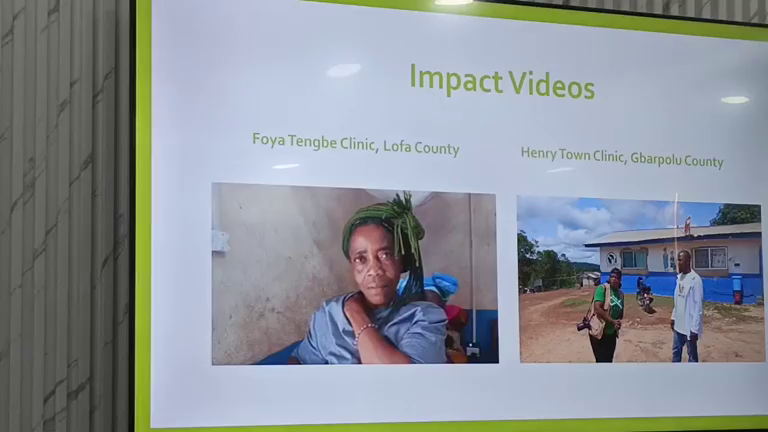
Working in partnership with the Ministry of Health under the Liberia Electricity Sector Access Project (LESAP), RREA has already installed complete solar energy systems in 90 public health facilities across the country.
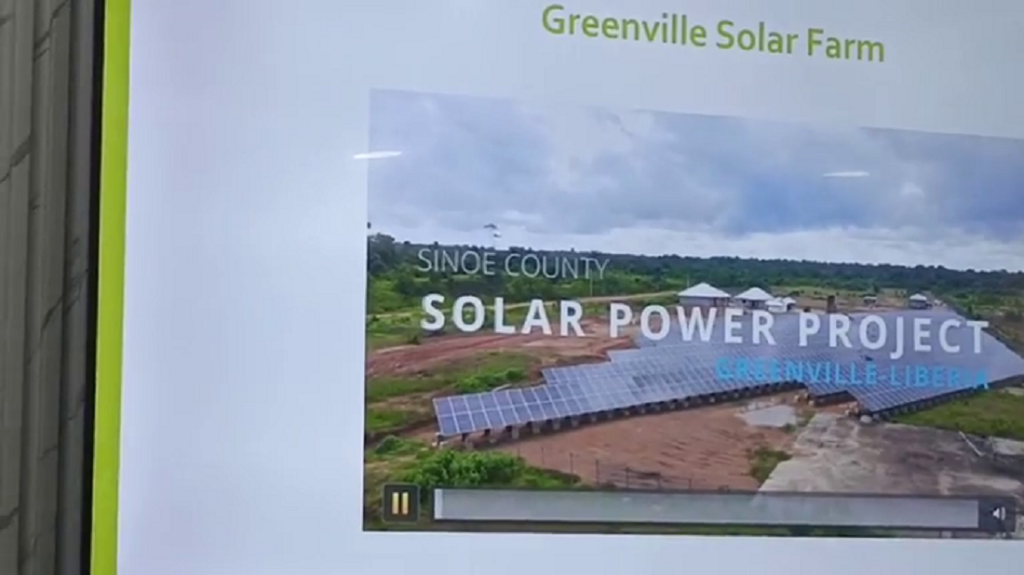
The installations provide uninterrupted electricity for maternity wards, operating rooms, laboratories, pharmacies, vaccine storage facilities, staff quarters, and administrative buildings.
Nagbe explained that the initiative was born out of the harsh reality that many rural clinics relied on small generators that frequently broke down or ran out of fuel, forcing health workers to deliver babies under the light of flashlights or mobile phones.
“No child should be born in darkness,” he reiterated, adding that RREA estimates approximately US$10 million would be required to extend similar systems to roughly 400 healthcare facilities nationwide.
The Agency believes the investment would dramatically improve maternal and child healthcare, emergency response, vaccine preservation, and the overall quality of medical services in rural Liberia.
Reliable Electricity Already Changing Lives
According to Nagbe, several institutions are already benefiting from the new power infrastructure. Among them are Tellewoyan Memorial Hospital, Lofa County University, the NASSCORP Guest House, public schools, government offices, businesses, and private homes.
He recalled the excitement among medical staff when electricity was first switched on at Tellewoyan Memorial Hospital after years of depending on unreliable diesel generators.
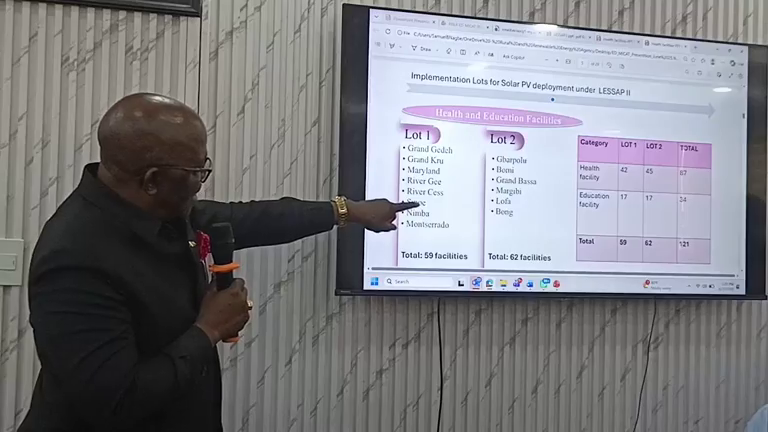
Hospitals that once struggled to preserve medicines, conduct laboratory tests, and provide emergency treatment now have access to uninterrupted electricity around the clock.
The Agency has also introduced temporary household connection systems, enabling residents to begin receiving electricity immediately while gradually upgrading internal wiring in their homes.
Government Deepens Investment
Nagbe praised the Boakai administration for significantly increasing government investment in rural electrification. He disclosed that the Government allocated approximately US$4.35 million in the current national budget as counterpart funding for renewable energy projects—the largest direct budgetary allocation to RREA since its establishment.
The funding will support projects in Lofa, Maryland, Nimba, and other counties, while also financing solar street lighting, additional renewable energy initiatives, and counterpart contributions required under donor-supported projects.
“Before now, government support was largely limited to salaries,” Nagbe noted. “This year’s budget demonstrates a much stronger commitment to expanding access to electricity.”
Renewable Energy Driving Rural Development
Nagbe emphasized that electricity is fundamental to Liberia’s economic transformation. Reliable power, he said, enables farmers to process agricultural products, allows businesses to expand operations, supports digital learning in schools, strengthens healthcare delivery, and creates opportunities for private investment throughout rural Liberia.
He described renewable energy as one of the key pillars for achieving the Government’s ARREST Agenda for Inclusive Development, particularly its goals of reducing poverty, expanding infrastructure, creating jobs, and improving the quality of life for ordinary Liberians. “Power is life,” Nagbe said. “Just as water is life, electricity is essential for development.”
Looking Ahead
As Liberia continues pursuing universal electricity access, RREA says renewable energy will remain at the forefront of the country’s development strategy.
With thousands of new connections expected in the coming months, additional mini-grid projects under development, and hundreds of health facilities targeted for solarization, the Agency believes Liberia is laying the foundation for a more inclusive and resilient energy future.
For communities that have lived for generations without reliable electricity, these investments represent more than poles, wires, and solar panels—they offer safer healthcare, better education, stronger local economies, and renewed hope for sustainable development.
And at the heart of that vision is a simple but powerful commitment articulated by Samuel Nagbe:
“No Liberian child should be born in darkness by 2030.”For breaking news, in-depth analysis, and exclusive reports from Liberia and around the world, follow The Liberian Post on Facebook (https://web.facebook.com/profile.php?id=61576017166570) and X, formerly Twitter (https://x.com/LiberianPost).