–Education Ministry Deploys 160 Monitoring Interns, Hotline and Digital School Mapping to Protect New Policy
MONROVIA, Liberia — The Government of Liberia is moving to enforce its newly introduced free registration policy for public primary schools, with the Ministry of Education warning school administrators against shifting registration charges into other fees as the 2026–2027 academic year approaches.
The policy, which takes effect with the new school year, eliminates registration fees at public primary schools as part of a broader effort to remove financial barriers preventing Liberian children from enrolling in school. Education officials say the measure is being accompanied by a new monitoring and accountability system designed to ensure that the policy is implemented at the school level.
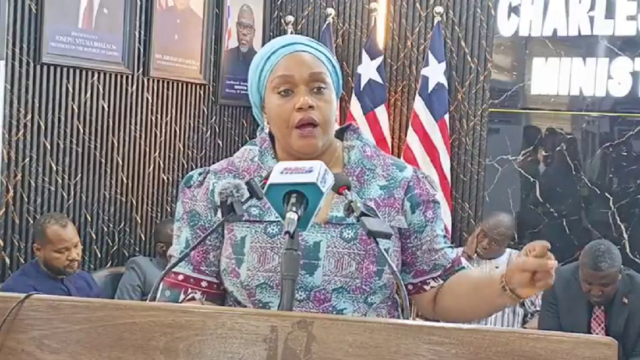
Education Minister, Dr. Jarso M. Jallah, said the government recognizes that while public schools have traditionally been tuition-free, registration charges have remained an important financial burden for families and have contributed to children staying out of school.
The Ministry is therefore treating the removal of registration fees not merely as a policy announcement but as an enforcement initiative.
“No parent is supposed to pay registration fees,” the Education Minister emphasized during Tuesday’s government press briefing.
She acknowledged, however, that parents continue to encounter other charges, including payments for items such as physical education uniforms and identification cards. The Minister said it is reviewing additional fees to determine whether they are legitimate operational costs or could become mechanisms for schools to circumvent the new policy.
Government Establishes Complaint Mechanism
To give parents and citizens a direct mechanism to challenge violations, the Ministry has provided a dedicated hotline and WhatsApp number for reporting schools that demand registration fees.
Parents can report violations through 077-212-197, while another contact number, 0886-56-5264, was also provided by the Ministry.
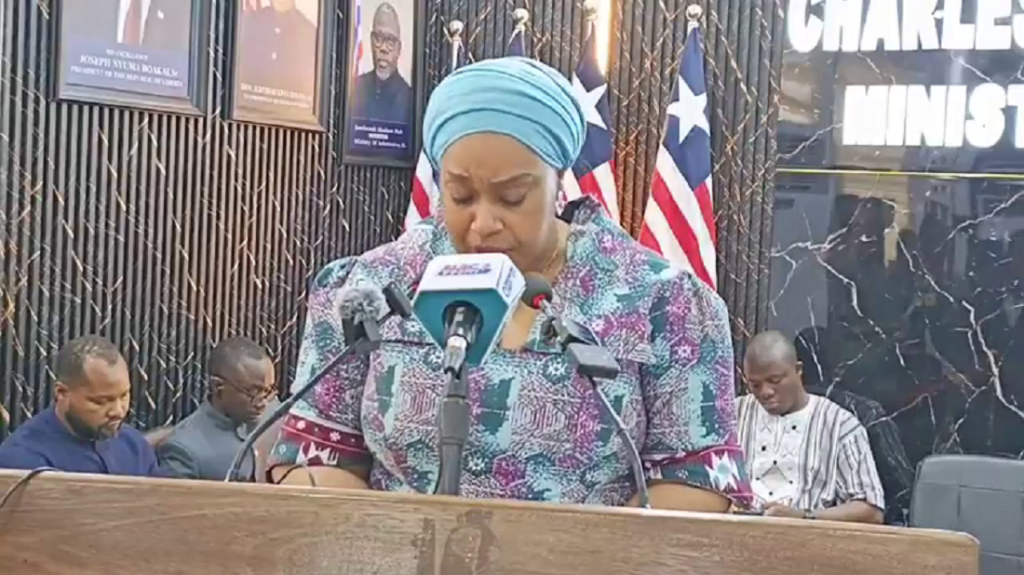
The Education Minister says the reporting mechanism forms part of a broader communication and monitoring campaign being developed around the policy.
The Ministry is also preparing to strengthen field-level monitoring through 160 monitoring and evaluation interns, in addition to 125 district education officers and 16 county education officers operating across Liberia’s 16 education districts.
The arrangement is intended to provide government with greater visibility over what is happening inside schools and allow complaints about illegal charges to be investigated.
Digital System Targets Unapproved Schools
Alongside the free-registration policy, the Education Ministry is implementing a digitized school permit system and a nationwide school geomapping exercise.
According to Minister Jallah, the old paper-based school approval process lacked transparency and made it difficult for authorities to determine which institutions were legally operating.
The geomapping exercise has already been completed in five areas and has helped identify schools operating without valid permits, including some schools whose existence was previously unknown to authorities. Those institutions are now being incorporated into a geographic database that allows officials at the Ministry to identify schools and their locations.
The Ministry says additional partner funding has been secured to extend the mapping exercise to 10 more counties.
The reforms are therefore designed to address two separate but connected concerns: removing the financial barrier to enrollment while strengthening government oversight of the schools providing education.
Government Moves to Sustain Free Registration
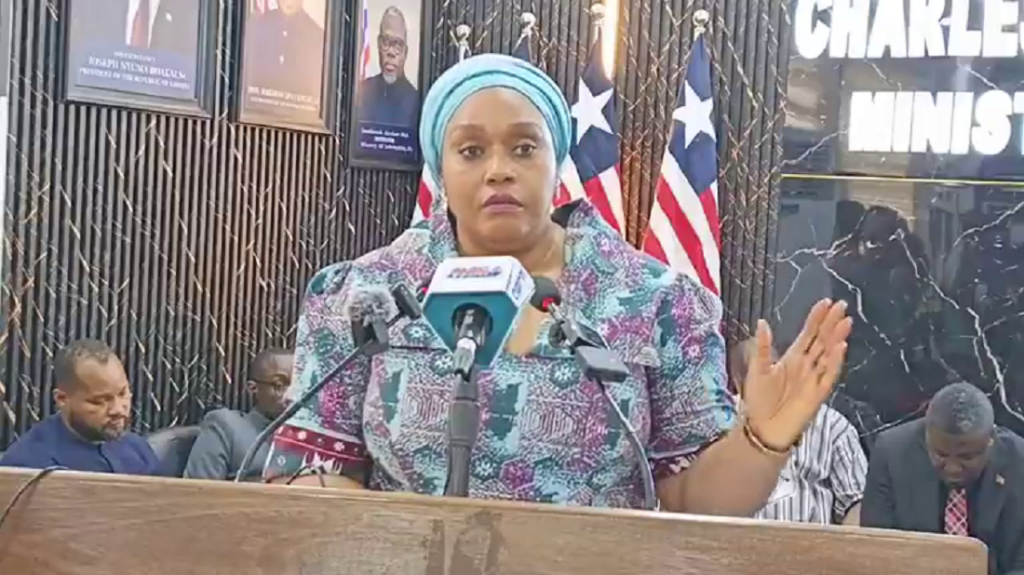
Dr. Jallah also addressed a key question surrounding the policy: how schools will maintain operations if registration fees are no longer collected.
She pointed to the school grants under the EXCEL Project as one mechanism through which public primary schools will receive operational support. The Ministry also said it has completed an equitable funding formula intended to determine the cost of educating a child based on factors including location and individual circumstances.
This is significant because the government says the elimination of registration fees is not intended to be a temporary measure that will eventually be reversed.
Instead, officials say the policy is being incorporated into a broader public education financing framework.
Enforcement Comes as Schools Face Capacity Challenges
The Ministry acknowledged that making primary education financially accessible does not automatically resolve the country’s wider education challenges.
School infrastructure, classroom capacity and other resource constraints remain significant concerns.
During the briefing, officials cautioned against expecting the country’s seating deficit to disappear immediately, saying the government is making gradual progress toward increasing classroom capacity.
The Ministry also disclosed that assessments of school infrastructure revealed a substantial need for rehabilitation. Funding under the national budget’s Public Sector Investment Program is being used to support renovations, but officials said the scale of the needs exceeds currently available resources, requiring rehabilitation to proceed incrementally from county to county.
The free registration policy therefore represents one component of a much broader attempt to improve access, accountability and the physical learning environment.
A Test of Government’s Education Reform Agenda
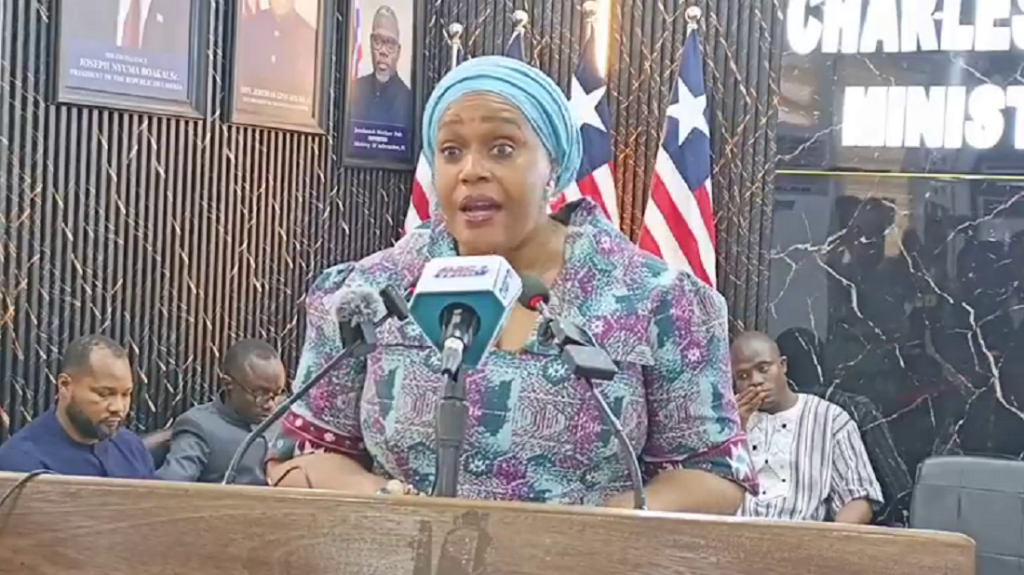
The policy also places greater responsibility on education authorities to ensure that the government’s promise is experienced by parents at the school gate—not merely announced from government offices.
The Ministry says its combination of field monitoring, citizen reporting, school geomapping, digital permitting and public financing is intended to make the system more transparent and accountable.
At the same time, officials are reviewing other school-level charges to prevent administrators from simply replacing abolished registration fees with new charges.
For parents, the immediate message from the government is straightforward: registration at public primary schools should not come with a registration bill.
The challenge now will be enforcement—particularly ensuring that the policy reaches schools across all 15 counties and that parents have the confidence and means to report violations when they occur.
The 2026–2027 academic year will consequently provide the first major test of whether Liberia’s declaration of free primary-school registration can translate into a meaningful reduction in the financial barriers keeping children out of classrooms.
For breaking news, in-depth analysis, and exclusive reports from Liberia and around the world, follow The Liberian Post on Facebook and X, formerly Twitter.