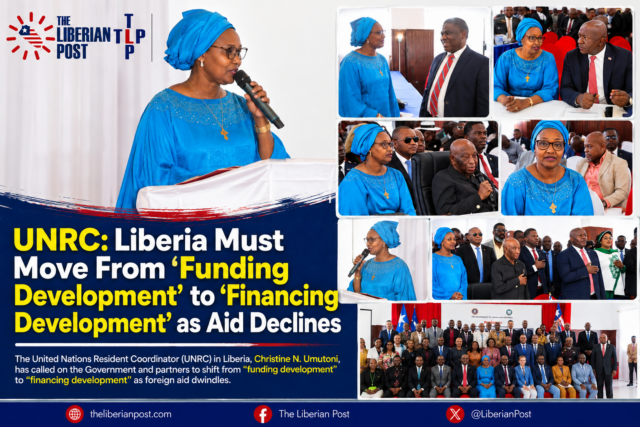
–Umutoni Calls for Large-Scale Investments, Stronger Institutions and a New Development Financing Model as Partners Urge Liberia to Turn AAID Ambitions Into Results
MONROVIA, Liberia — United Nations Resident Coordinator Christine Umutoni has warned Liberia that the country can no longer depend primarily on traditional development assistance, urging the government and its partners to fundamentally rethink how national development is financed and delivered.
Speaking at the National Steering Committee meeting of the ARREST Agenda for Inclusive Development (AAID), the UN Resident Coordinator said Liberia must transition from dependence on shrinking aid flows toward a development model driven by domestic resources, private investment, climate finance, innovative financing and stronger partnerships.
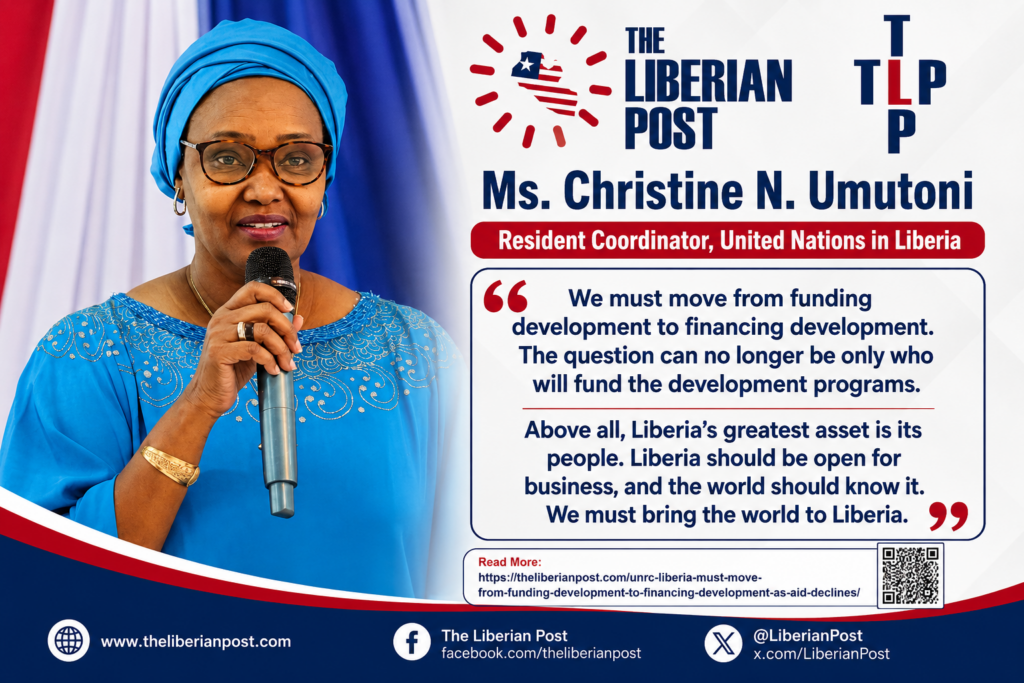
“We must move from funding development to financing development.”
Umutoni said the changing global development environment, marked by declining official development assistance and traditional donors recalibrating their priorities, requires Liberia to compete not only for aid but also for investment.
She said the country must therefore begin presenting its development priorities as viable investment cases capable of attracting different forms of capital at scale rather than relying on fragmented projects financed individually by donors.
“The question can no longer be only who will fund the development programs.”
Instead, she argued, Liberia must determine how to structure its development programs so that government, development partners, international financial institutions, investors, foundations, the private sector and the diaspora can collectively finance nationally defined priorities.
UNRC: ‘Focus Must Now Be on Transformation at Scale’
Umutoni’s central message was that Liberia has reached a point where measuring individual government programs is no longer enough.
She said the annual AAID Steering Committee meeting provides an opportunity to move beyond monitoring individual ministries and agencies toward a whole-of-government assessment focused on collective accountability, bottlenecks and actual results.
While acknowledging early progress—including development planning and delivery increasingly reaching communities, advancing decentralization and stronger domestic resource mobilization—she cautioned that Liberia still faces major challenges and that citizens continue to demand greater economic opportunities, improved services and better livelihoods.
Her conclusion was blunt:“The focus must now be on transformation at scale.”
For that transformation to happen, Umutoni said Liberia needs transparent, accountable and capable institutions capable of giving citizens confidence, investors certainty and government the capacity to deliver.
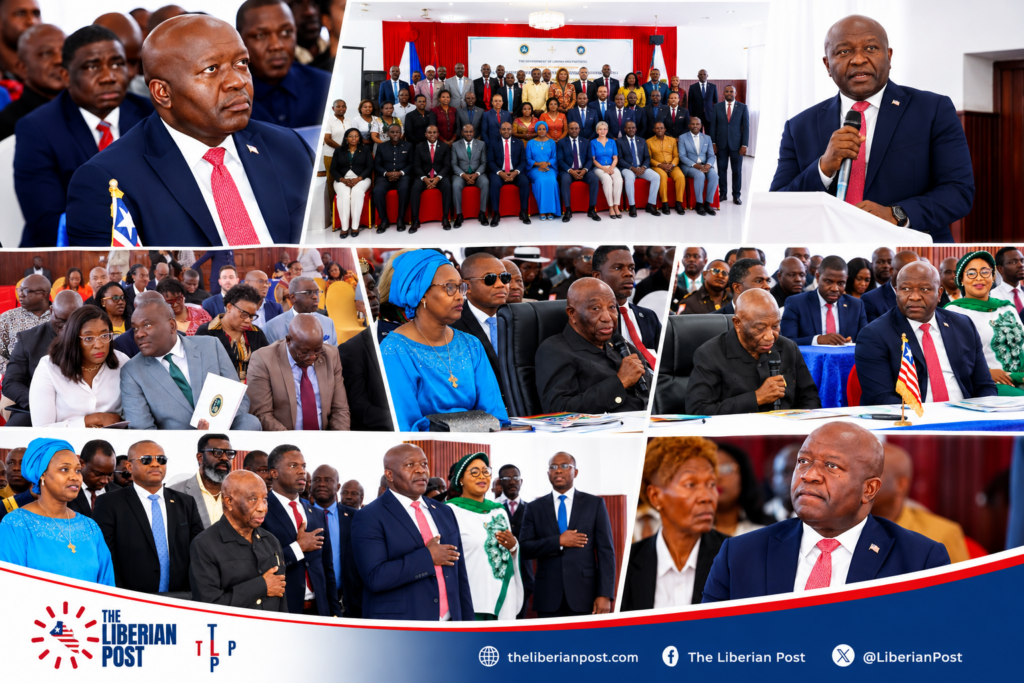
‘Liberia’s Greatest Asset Is Its People’
The UN Resident Coordinator placed Liberia’s young population at the center of the country’s development opportunity, describing the country’s demographic profile as an asset that could become a powerful engine of economic growth if properly supported.
She called for greater investment in education, skills, jobs, healthcare, women’s and men’s economic empowerment, and digital inclusion.
“Above all, Liberia’s greatest asset is its people.”
She also linked development to peacebuilding, reconciliation, accountability, women’s leadership, inclusion, rule of law and social cohesion, arguing that these are not separate from the development agenda but form the institutional foundation on which sustainable development must rest.
Umutoni said Liberia’s membership on the United Nations Security Council provides an additional opportunity to present a different African narrative—one built around a country that emerged from conflict, sustained peace and democratic resilience, and is increasingly positioning itself for investment and international partnerships.
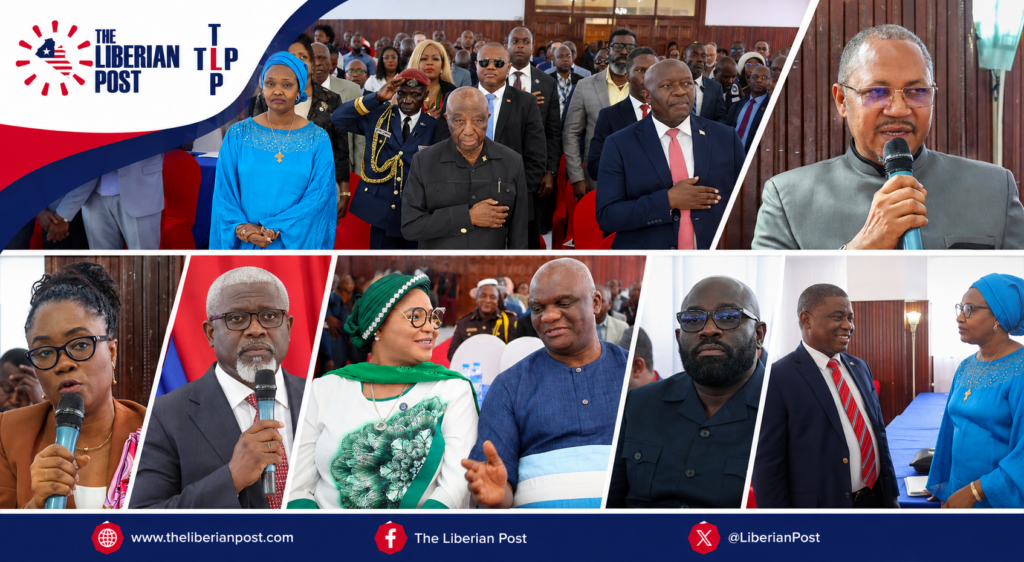
‘We Must Bring the World to Liberia’
With international development assistance declining, Umutoni urged Liberia to become more aggressive in marketing itself as an investment destination.
She said the country’s young population, natural resources, strategic location, peacebuilding experience, democratic resilience and growing international profile constitute an investment proposition that Liberia must package and promote more effectively.
“Liberia should be open for business and the world should know it. We must bring the world to Liberia.”
She proposed a shift from numerous small-scale projects toward a limited number of nationally owned flagship investment cases capable of changing Liberia’s development trajectory.
Among the areas she identified were human capital development, economic transformation, food systems, digital transformation and climate resilience—sectors she said could attract partnerships and financing at scale.
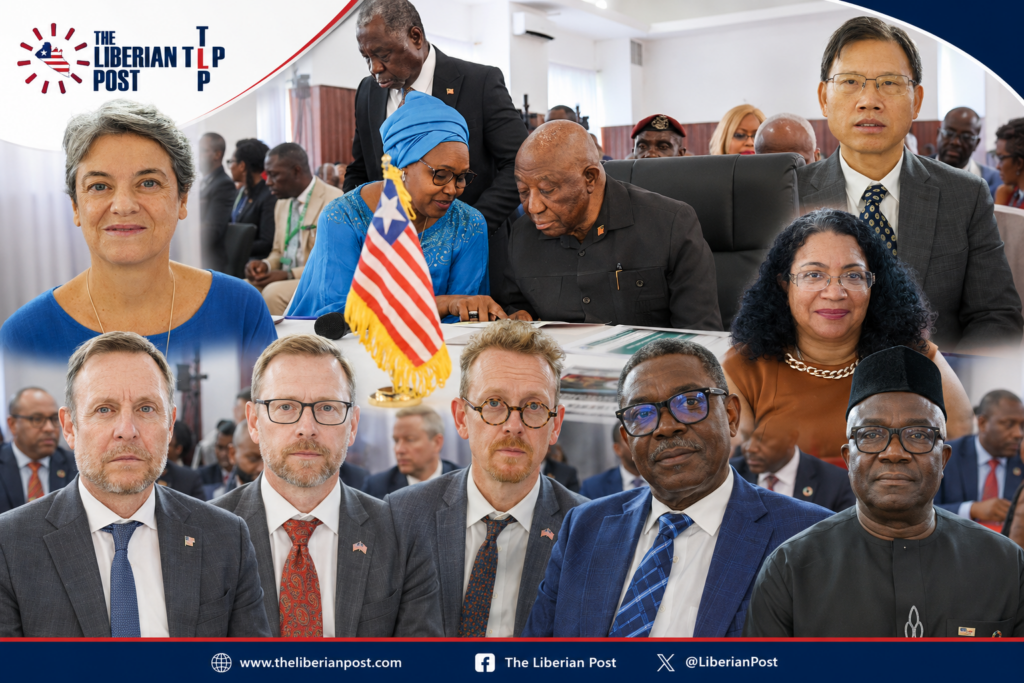
Private Sector: Turn Policy Into Jobs
The private sector broadly reinforced Umutoni’s argument that Liberia needs to move from development plans to investments and productive economic activity.
Representing the Liberia Chamber of Commerce, its representative said businesses are not merely beneficiaries of national development but an indispensable part of delivering it, because they create jobs, generate public revenues, stimulate innovation and expand trade.
The Chamber called for a formal public-private dialogue under President Joseph Nyuma Boakai’s chairmanship to address constraints affecting enterprise development, investment, job creation, domestic production and competitiveness.
It also warned that delays in approving the proposed local-content policy could cost Liberians employment opportunities.
“Any delay in reaching Cabinet’s resolution of the proposed local content policy is tantamount to directly exporting employment opportunities out of Liberia.”
The Chamber said its objective is to transform local-content policy from an aspiration into actual contracts for Liberian businesses, skills and technology transfer, stronger domestic value chains and decent jobs.
The intervention directly complemented Umutoni’s call for Liberia to leverage private investment as part of a new financing architecture.
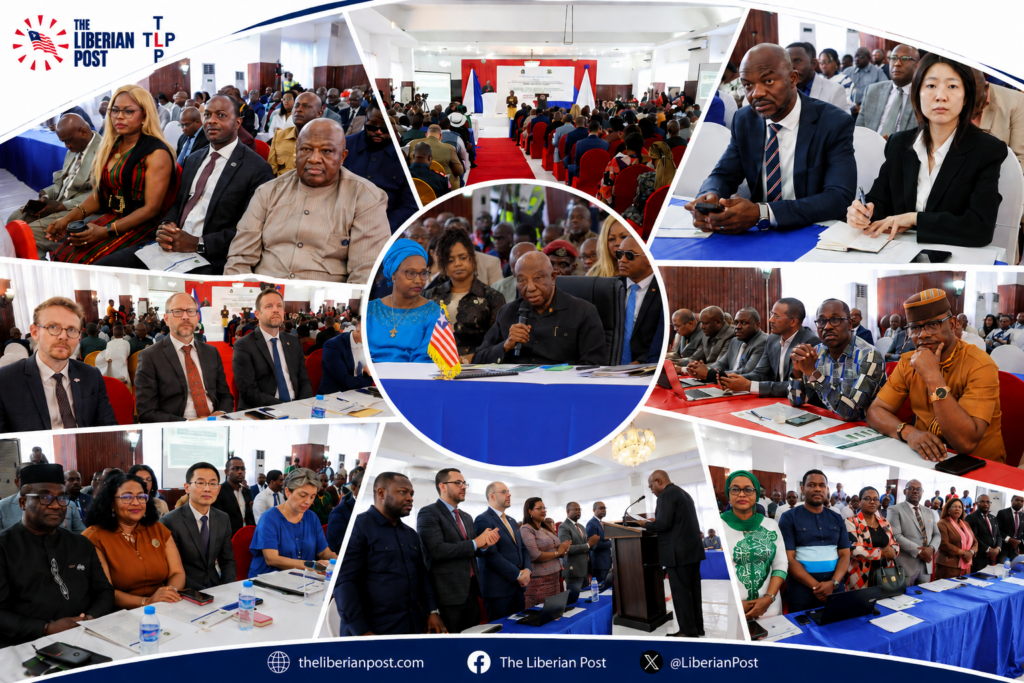
Civil Society Demands People-Centered Development
Civil society representatives also pressed for the AAID to be measured not merely through government statistics but by the experiences of ordinary Liberians.
National Civil Society Council Chairman Lawrence Yehulu urged the government to deepen implementation, make outcomes measurable and equitable, and ensure that development reaches rural and marginalized communities.
He said civil society’s role should not be dismissed as opposition to government.
“Our advocacy is not merely opposition, it is patriotism. Our voice is not disruptive, it is constructive.”
Yehulu called for stronger transparency, accountability, rule of law, youth empowerment, job creation, gender inclusion and community ownership of development.
He ended with a message that closely echoed Umutoni’s emphasis on people-centered transformation:
“People are watching, people are hopeful, people are ready.”
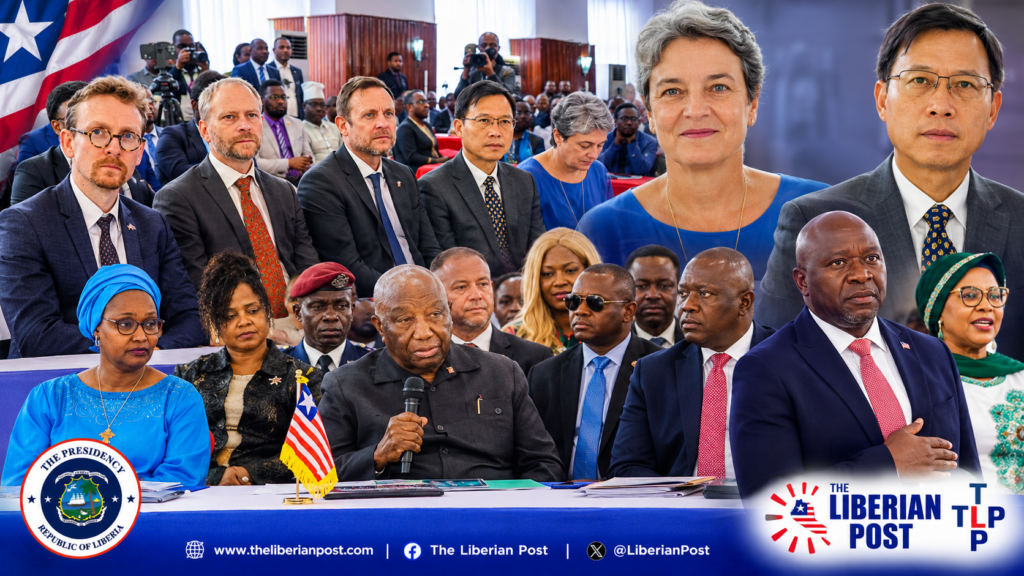
Diplomatic Corps: Success Must Be Visible to Ordinary Liberians
Liberia’s diplomatic corps also pushed for a more practical measure of AAID success.
Ambassador Benyella Agustin-Gabb, Director of the Diplomatic Corps, said the development component of the AAID may be measured through statistics by international institutions, but its inclusiveness must ultimately be judged by what ordinary Liberians experience.
He pointed to the decisions of Liberians leaving the country in search of opportunity—and the return of Liberians who see prospects at home—as indicators of whether development is producing meaningful change.
The Ambassador’s argument reinforced Umutoni’s insistence that development must translate into jobs, opportunities and improved livelihoods rather than remain confined to policy documents and donor reports.
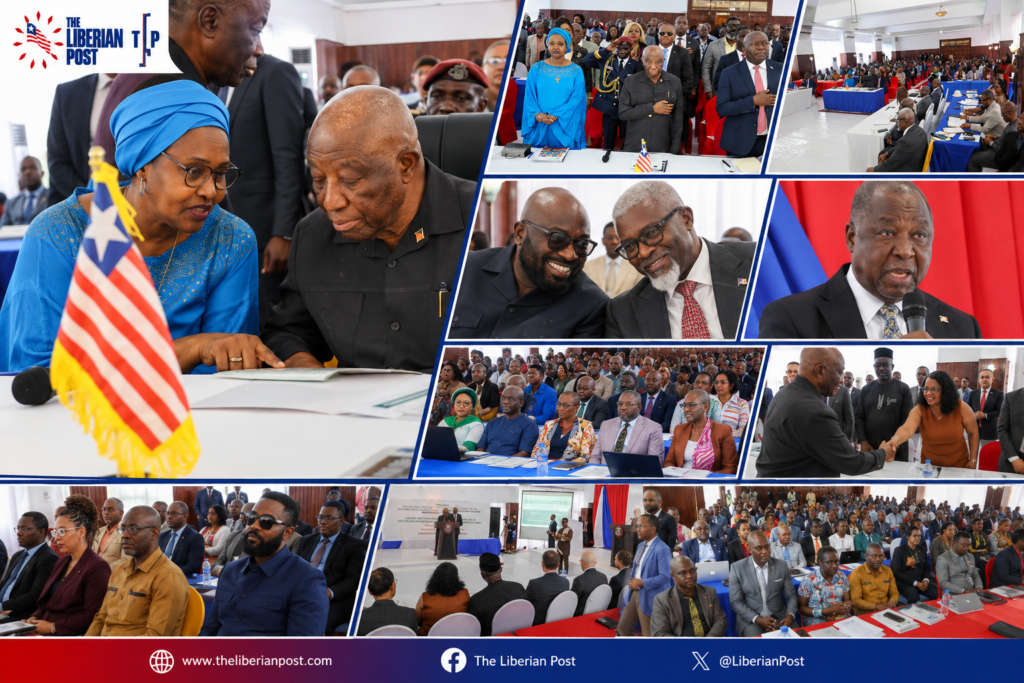
Development Partners Back New Financing Approach
Development partners at the meeting similarly acknowledged that Liberia is operating in a difficult international financing environment and urged stronger coordination, domestic resource mobilization and improved investment conditions.
France’s Ambassador and Chair of the Coordinating Partners Group said development partners need closer and more systematic engagement with government to ensure programs complement one another, resources are optimized and results are delivered.
The partners also welcomed the government’s progress under the AAID while stressing that declining international assistance makes it increasingly important for Liberia to mobilize domestic resources, fight corruption and attract private investment.
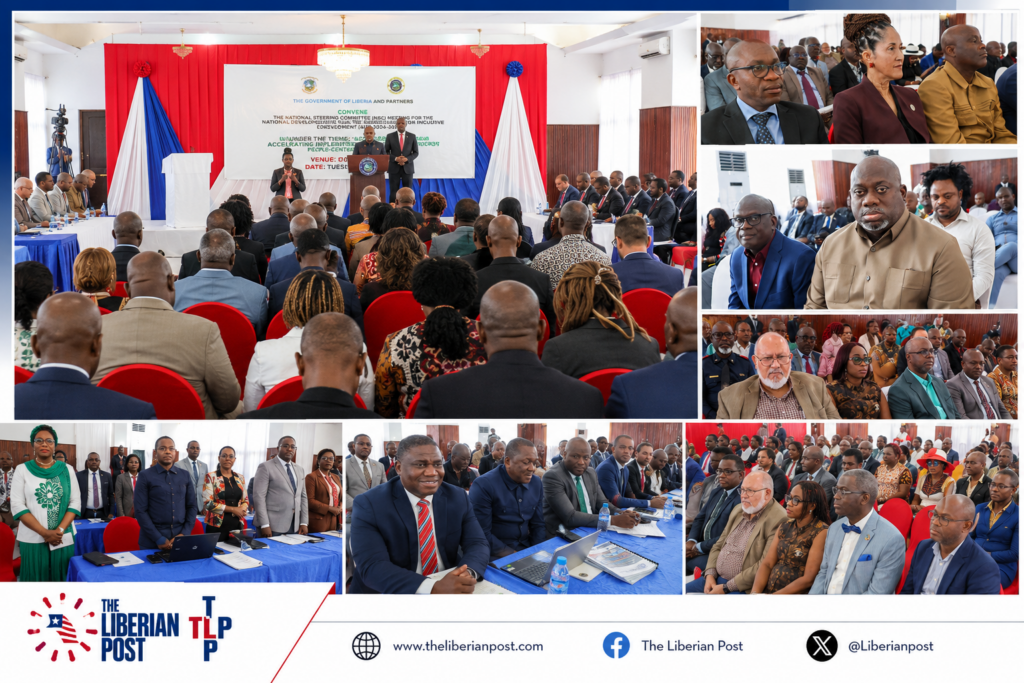
Three-Part Prescription for Liberia
Umutoni concluded with a three-part prescription for the next phase of Liberia’s development agenda.
First, she said Liberia must accelerate delivery so that every county sees progress and every community feels the impact.
Second, the country must advance the transition from funding to financing, including through the proposed Integrated National Financing Framework and new development cooperation policy, while aligning partners around a smaller number of transformational national priorities.
Third, Liberia must strengthen accountability and partnership by maintaining the AAID coordination architecture and regular national reviews.
Her final warning—and perhaps the defining message of the meeting—was that Liberia’s future cannot be secured by waiting for traditional donors to provide more money.
“Liberia’s future will not be determined by the amount of aid it receives.”
Instead, she said, Liberia’s future will depend on the institutions it builds, the people it empowers, the investment it attracts and the opportunities it creates.
That, she declared, is the next chapter of Liberia’s national journey:
“The next journey must be from peace to prosperity.”
The message from the UN, private sector, civil society and development partners was therefore strikingly aligned: Liberia has established the policy framework through the AAID, but the decisive test now is whether it can mobilize capital, strengthen institutions and convert national plans into large-scale opportunities that ordinary Liberians can see and feel.
For breaking news, in-depth analysis, and exclusive reports from Liberia and around the world, follow The Liberian Post on Facebook (https://web.facebook.com/profile.php?id=61576017166570) and X, formerly Twitter (https://x.com/LiberianPost).