-Comptroller Says Unqualified Opinion Reflects Major PFM Gains but Warns Liberia Could Slip Back Without Sustained Reforms
MONROVIA, Liberia — Liberia’s historic clean audit opinion for the government’s 2025 Consolidated Fund Accounts represents a major breakthrough in public financial management, but Comptroller and Accountant General Elwood T. Nettey says the achievement must be treated as a responsibility rather than an occasion for complacency.
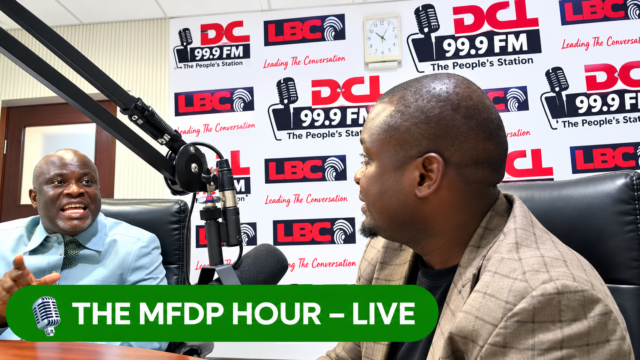
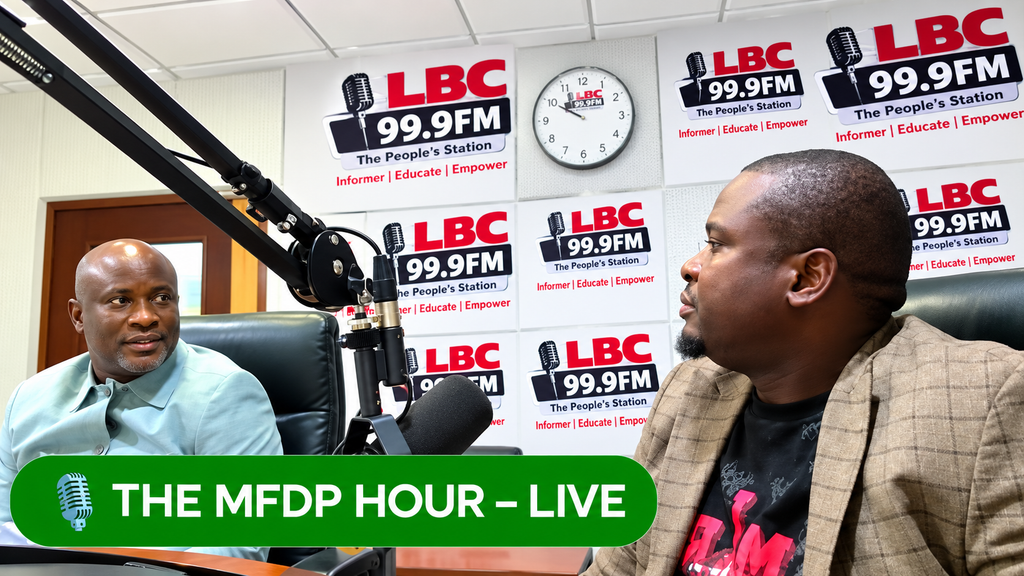
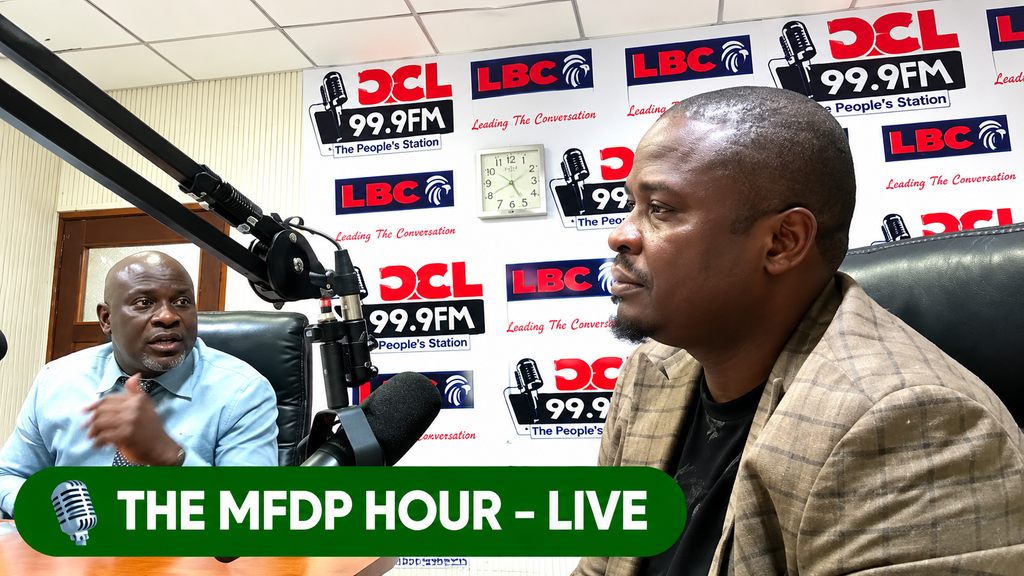
Appearing Thursday on the Ministry of Finance and Development Planning’s MFDP Hour radio program, Nettey explained that the Auditor General’s unqualified opinion means Liberia’s financial statements received the cleanest audit opinion available—a significant improvement from the average opinion recorded in 2023 and the qualified opinion in 2024.
Nettey described the development as a landmark for Liberia’s public financial management system, saying the country had not achieved an unqualified opinion in decades following the end of the civil war in 2003.
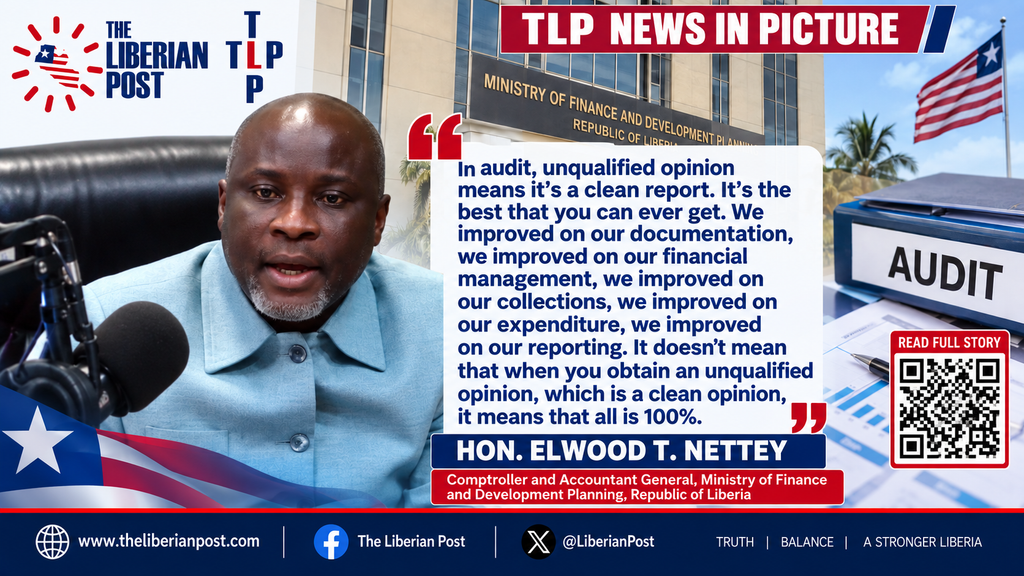
“In audit, it means it’s a clean report. It’s the best that you can ever get,” Nettey explained, distinguishing the technical meaning of “unqualified” from its ordinary English usage, where the word might suggest something negative.
From Weak Controls to a Clean Opinion
According to Nettey, the transformation did not happen overnight. The government inherited financial statements containing material errors and weaknesses, resulting in the average audit opinion for 2023.
He said the Ministry of Finance took the Auditor General’s recommendations seriously and used them to strengthen documentation, financial reporting, revenue collection, expenditure management and disclosure practices.
“We improved on our documentation, we improved on our financial management, we improved on our collections, we improved on our expenditure, we improved on our reporting,” Nettey said.
He credited Finance Minister Augustine Kpehe Ngafuan and the broader Ministry of Finance team for aggressively addressing weaknesses in the system, including inadequate controls and poor documentation.
Nettey said the reforms helped reduce the material risks that had previously affected the credibility of government financial statements.
“It Doesn’t Mean That All Is 100%”
Despite the clean opinion, Nettey cautioned Liberians against interpreting the report as evidence that every financial-management problem has been eliminated.
“It doesn’t mean that when you obtain an unqualified opinion, which is a clean opinion, it means that all is 100%,” he said.
He warned that failure to maintain the pace of reform could cause Liberia to fall back into weaker audit categories.
“It’s not just a victory, it’s a responsibility as well,” Nettey emphasized, saying continued improvement is necessary to keep Liberia on its current trajectory.
Stronger Controls Behind Public Spending
Nettey also detailed some of the mechanisms being used to ensure that public funds are properly accounted for.
He explained that government funds are first collected into the Consolidated Account and then allocated through the national budget and allotment process. Ministries and agencies receiving funds must document how the money is spent before additional grants or subsidies are processed.
The system, he said, increasingly requires supporting documents, stronger procurement controls and verification of projects and equipment before government resources are released or further payments made.
He cited improvements in monitoring health and education facilities and said fiscal audit teams physically verify certain projects, equipment and assets to establish that government-funded resources actually reach their intended beneficiaries.
Revenue Growth Must Be Matched by Accountability
Nettey linked the improvements in public financial management to broader efforts to reduce revenue leakages and strengthen government systems.
He said Liberia’s revenue growth is not simply the result of taxpayers voluntarily paying more, but also reflects improvements in systems designed to reduce leakages and improve collection.
Still, he acknowledged significant challenges, including limited fiscal space, infrastructure deficiencies, the need for stronger information-technology systems, skilled manpower requirements and the complexities associated with fiscal decentralization.
Asked whether Liberia could maintain the clean audit opinion in 2026, Nettey expressed confidence.
“We expect in 2026 the same unqualified,” he said, adding that he does not see Liberia slipping back into a qualified opinion if current reforms and recommendations continue to be implemented.
For Nettey, however, the ultimate measure of success is not the audit certificate itself, but whether public resources are protected and converted into tangible benefits for citizens.
“As a public servant, you are accountable to the people,” he said, reassuring Liberians that the government would continue strengthening protection and monitoring of public funds.
For breaking news, in-depth analysis, and exclusive reports from Liberia and around the world, follow The Liberian Post on Facebook (https://web.facebook.com/profile.php?id=61576017166570) and X, formerly Twitter (https://x.com/LiberianPost).