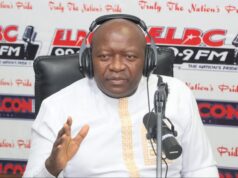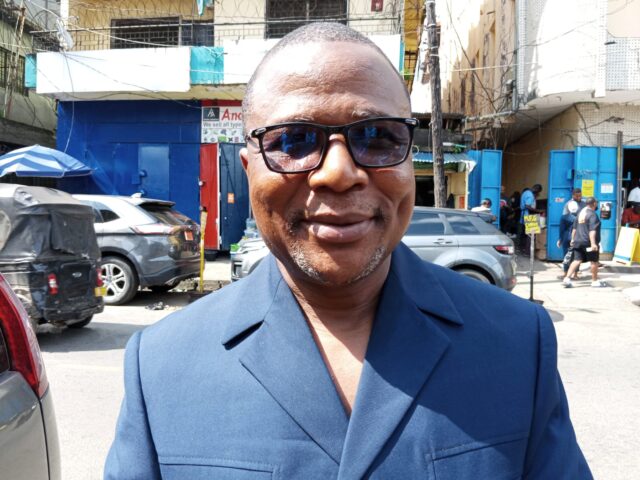
MONROVIA, Liberia — The Senior Pastor of the World Miracle Church of God International, Rev. Dr. Emmanuel Y. Tarley Sr., is calling on Liberians to make genuine and comprehensive national reconciliation a priority, warning that the country cannot fully move forward while political, ethnic, and historical divisions remain unresolved.
Rev. Tarley, who is also the author of The Dilemma of Genuine Reconciliation in Liberia, made the call over the weekend during a discourse at the Center for the Exchange of Intellectual Opinions (CIEO) in Monrovia.
According to the clergyman, while the administration of President Joseph Nyuma Boakai has taken steps toward national reconciliation, significantly more must be done to ensure that Liberia’s unresolved past does not become a burden passed on to future generations.
He argued that reconciliation must move beyond political speeches and occasional dialogue and instead become a broad, inclusive national process involving government, opposition political parties, religious institutions, civil society, women, youth, educators, traditional leaders, and other stakeholders.
Tarley is advocating for what he describes as a “national manifesto” for reconciliation—a common framework through which Liberians can confront political and ethnic divisions, address historical grievances, and begin healing wounds left by years of civil conflict.
Looking Beyond Political Differences
The pastor urged Liberians to place the national interest above political, ethnic, and personal loyalties, stressing that no single political party or individual can rebuild Liberia alone.
He said sustainable peace requires cooperation across political and social lines, as well as a willingness to engage in honest dialogue about the country’s difficult past.
For Tarley, genuine reconciliation must include truth-telling, inclusiveness, and accountability. He cautioned against simply expecting Liberians to coexist without addressing the underlying grievances and mistrust that have persisted over the years.
He has also pointed to Rwanda’s post-genocide reconciliation experience as one example Liberia could study, while emphasizing that any lessons drawn from other countries must be adapted to Liberia’s own history, culture, and circumstances.
A Message to Future Leaders
A central concern in Tarley’s advocacy is that Liberia’s unresolved divisions could be transferred from one generation of leaders to another if they are not confronted now.
He is therefore calling for the reconciliation process to be decentralized across the country, giving ordinary Liberians—including those in communities far beyond Monrovia—the opportunity to participate in conversations about healing, forgiveness, justice, and national unity.
Tarley maintains that Liberia’s peace must mean more than the absence of armed conflict. In his view, lasting peace requires addressing the divisions, grievances, and mistrust that continue to shape relationships among citizens.
He has repeatedly urged Liberians to set aside partisan differences and work toward a shared national vision, arguing that reconciliation must become part of the country’s long-term peace and development agenda.
Reconciliation Must Be a Liberian Process
Rev. Tarley says Liberia should not simply copy reconciliation models from other countries. Instead, he believes the process must be designed around the experiences, wounds, and realities of Liberians themselves.
He is calling for an inclusive national conversation that brings together government officials, opposition leaders, religious institutions, civil society organizations, traditional leaders, women, young people, educators, and other groups to determine how the country can confront its past and build a more united future.
His intervention comes more than two decades after the end of Liberia’s civil wars, which left deep political, social, and economic scars across the country.
Tarley argues that the responsibility for building a peaceful and reconciled Liberia ultimately rests with Liberians themselves.
His central message is that “Liberia’s peace and reconciliation must be a Liberian process.”
He is urging citizens and national leaders to seize the opportunity to move beyond political and ethnic divisions and place the national interest above individual and partisan interests, warning that without genuine reconciliation, the country’s unresolved wounds could continue to undermine its pursuit of lasting peace and development.
For breaking news, in-depth analysis, and exclusive reports from Liberia and around the world, follow The Liberian Post on Facebook (https://web.facebook.com/profile.php?id=61576017166570) and X, formerly Twitter (https://x.com/LiberianPost).