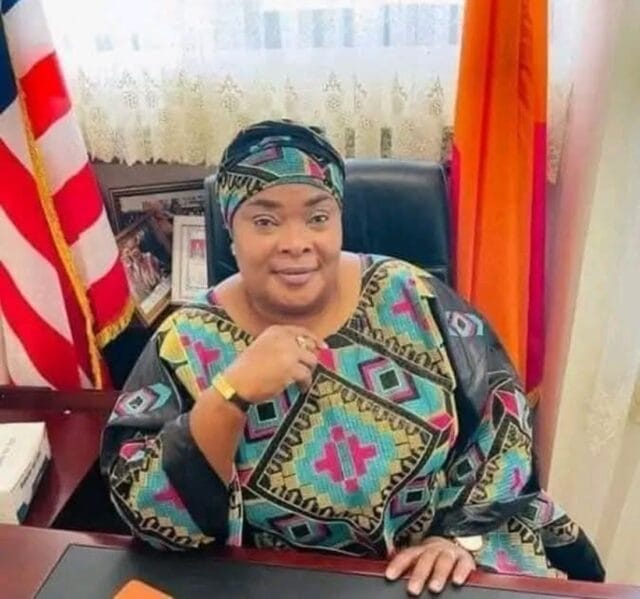
MONROVIA – In a fervent call to action, Representative Moima Briggs Mensah of District #6 Bong County, has challenged President Joseph N. Boakai to rethink Executive Order 147, which requires all citizens and foreign residents to enroll in the National Biometric Identification System (NBIS) and mandates the use of a National Identification Card to access public and private services throughout Liberia.
The order, touted as a mechanism for enhancing national governance and security, has come under fire from Rep. Mensah, who argues that the initiative poses significant financial burdens on a population already grappling with poverty. In a press conference held earlier this week, she articulated her concerns about how the costs associated with obtaining the national ID card would impact the most vulnerable citizens.
“Our people are already grappling with so many challenges,” Rep. Mensah stated. “Poverty is widespread, and basic necessities like food, shelter, and healthcare are often out of reach for many. Asking them to pay for a national identification card on top of all these struggles is simply unfair.”
The lawmaker underscored her position by drawing parallels with the voter registration card, which is distributed free of charge. “The voter registration card is a vital part of our democratic process, and it is provided at no cost to the people. The national ID card is just as important, if not more so, for various aspects of daily life, from accessing government services to participating in economic activities. It should also be freely available,” she insisted.
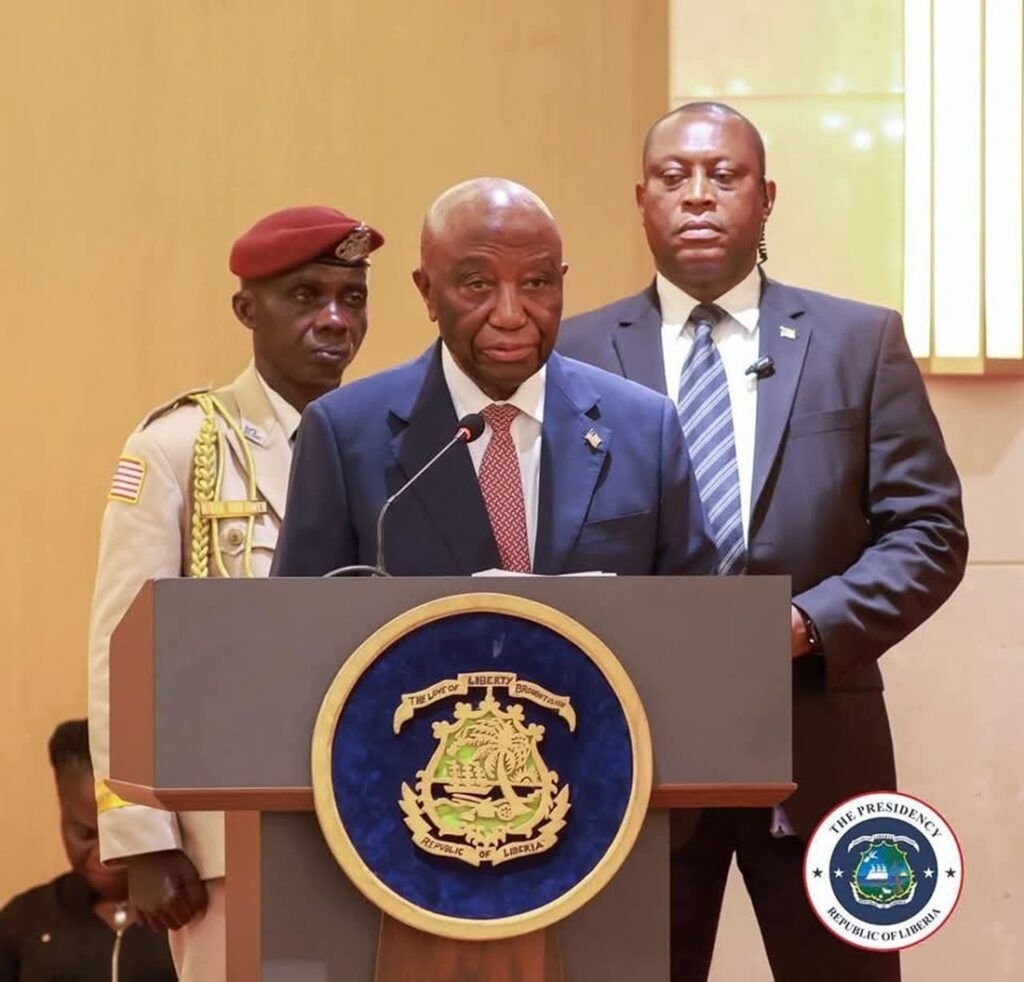
Currently, the process of acquiring the national identification card involves multiple steps, including the collection of biometric data and document verification—a process fraught with logistical challenges and costs. Rep. Mensah highlighted the transportation fees and documentation costs that many Liberians face, which could act as barriers to compliance with the executive order.
“Imagine trying to navigate these multiple steps when each stage demands financial investment,” she lamented. “For many, these expenses are insurmountable obstacles, leaving countless citizens unable to access a fundamental tool that should be a right.”
Supporters of the executive order argue that the biometric system is crucial for modernization and boosting national security, yet Rep. Mensah’s call brings to the forefront the necessity of inclusivity and accessibility in governmental policies. As the debate unfolds, it remains to be seen how President Boakai and his administration will respond to these concerns and whether modifications will be made to the current national ID initiative to alleviate the financial burden placed on the populace.
With the implications of Executive Order 147 looming large, Rep. Mensah’s advocacy for a more equitable approach may soon galvanize further discussions among lawmakers and citizens alike, highlighting the critical balance between national development and social responsibility.