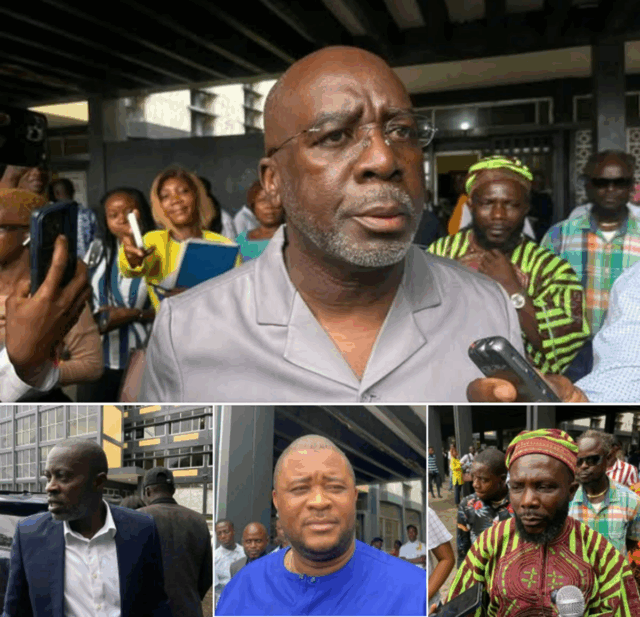
In a significant legal development, the Monrovia City Court has ruled against the Prosecution’s request to revoke the bond of former Speaker J. Fonati Koffa and three other lawmakers, citing the bond as “insufficient.” This decision, rendered by Judge Ben Barco, ensures that Koffa and his associates will not face re-arrest in the ongoing landmark arson case that has captured public attention.
The Prosecution contended that the bond provided by the defendants was inadequate to justify their release, given the severity of the charges they face. However, Judge Barco’s ruling emphasized the existing legal framework governing bond proceedings, affirming that the three lawmakers and Koffa were not to be subjected to re-arrest based solely on the perceived insufficiency of their bond.
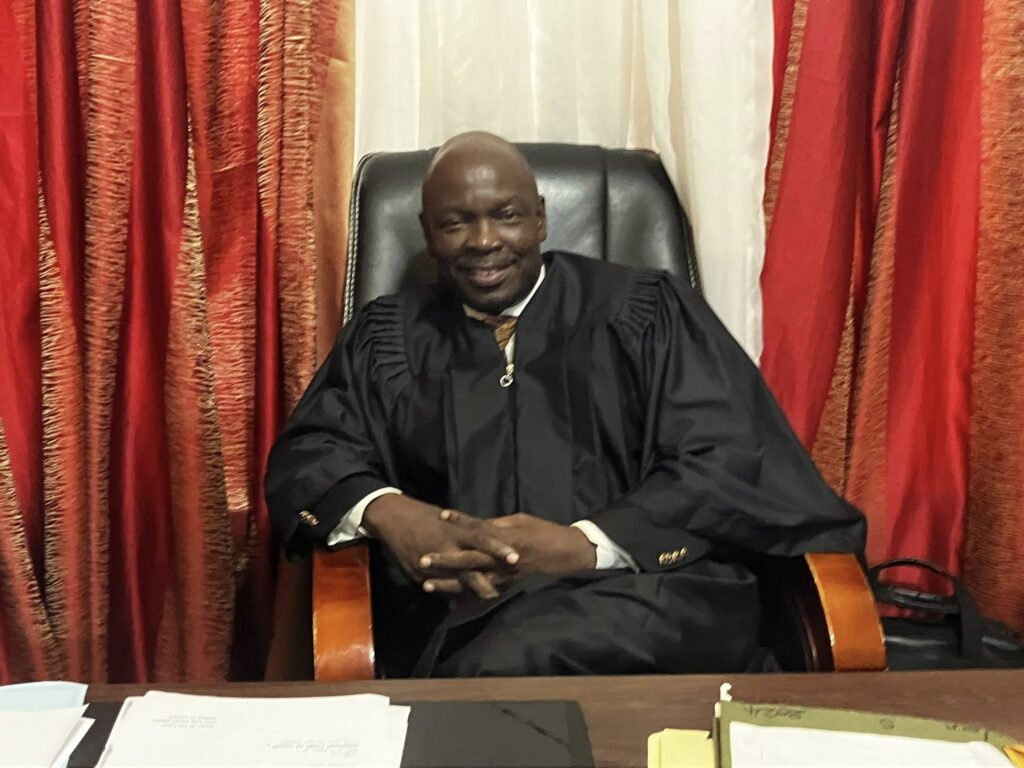
This recent decision comes amidst heightened scrutiny of the case, which involves serious accusations tied to significant incidents of arson. The implications of the ruling extend beyond the courtroom, as public interest in the integrity of the judicial process and the accountability of public figures continues to grow.
Koffa and the other lawmakers, while remaining free, now face an uncertain future as the case progresses. The Prosecution has indicated it may seek further legal avenues to challenge the ruling, potentially prolonging the proceedings and keeping the case in the public eye.
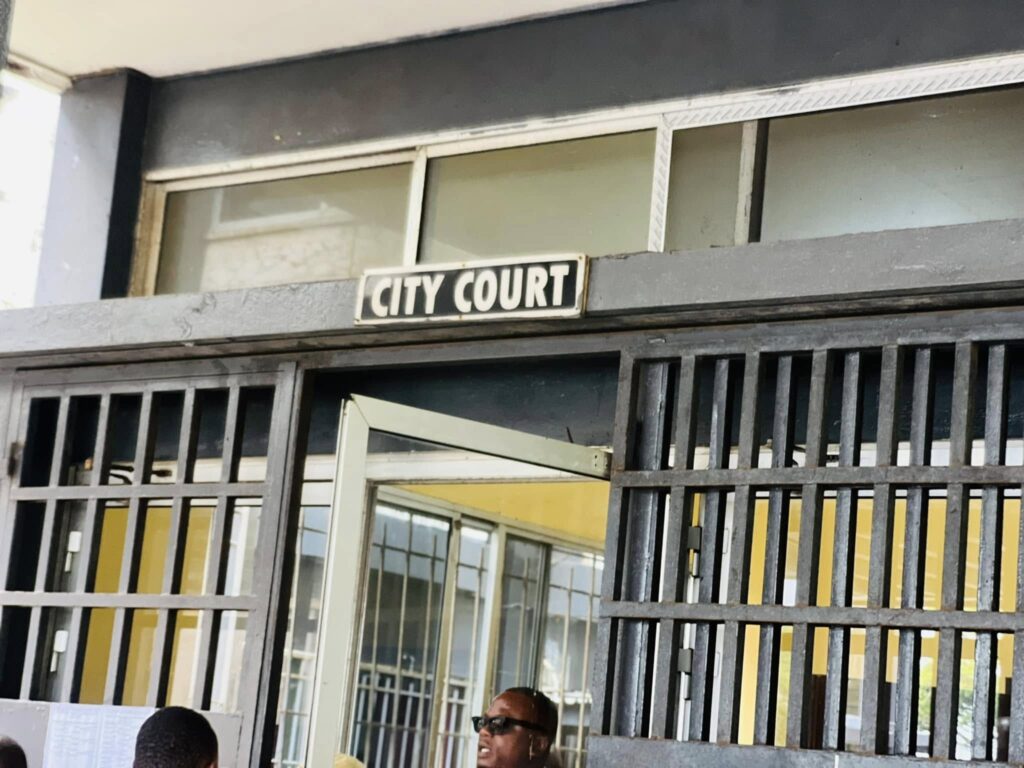
Legal experts assert that this ruling marks a pivotal moment in the judicial system, highlighting the balance between the rights of the accused and the interests of justice. As the case develops, the spotlight remains on the Monrovia City Court and the key players involved, with many awaiting the next steps in a saga that could have lasting repercussions for political accountability in Liberia.
As public discourse evolves, citizens and observers alike are reminded of the crucial role of the judiciary in maintaining the rule of law, especially in cases involving high-profile public servants. With the denial of the re-arrest request, the stage is set for continued legal battles, media coverage, and public engagement surrounding this landmark case.