

By Ahmed A Paasewe
Liberia is one of the world’s poorest countries, yet it’s one of Africa’s transit points for illegal substances; it’s one of the world’s illiterate countries, yet one of the world’s corrupt nations. Living in a society where dreams are meant for memories, realities are silenced by political gain and unpatriotic motive. Because we live in a society whose citizens suffer to access greater opportunities, it’s easy to access harmful vices — these make it a vulnerable society for harmful practices — a case with the high consumption of illegal substances and abuse among children and youngsters.
Prior to the revised Substance and Abuse Drug Law, Liberia had already recorded a significant number of victims, including children and young people. This era didn’t only affect families whose children and realities were victims, but also a national test for government response, massive approach, and a wake-up call for Liberians who dare not to remain silent in a time of trouble, and those who refuse to witness a society whose future is destroyed by a man-imposed weapon. This alone was a sharp call for collective effort, cooperative engagement, and proactive approach to end the fight against illegal substance and abuse — void of political differences and religious beliefs.
By 2018, we, too — citizens of Caldwell and several Liberians — took numerous bold and unpinned acts to plead for a revised drug law — actions that were not only locally engaged but also nationally tackled — which petitioned authorities, including the national government. This was a clever attempt to enforce a national action plan and a roadmap to create an open-system engagement and approach. Moreover, it was a quest for a better Liberia, which remains a common denomination amongst all.
In 2022, the act that created the Liberia Substance and Abuse Law was revised and acted upon — making it a non-billable offense and criminalizing its illegal possession — which allows the prosecution or penalization of traffickers and illegal controllers. More to that, it was declared a health emergency, which recommends treatment and rehabilitation for victims — a move that created an open system for exposing and undressing illegal users and transistors. This alarming and growing wave of illegal substance addiction, which turned a national crisis, was engaged by joint voices and national reactions.
After several years of massive actions, even with a non-billable offense, illegal substances have turned into a commodity for unrestricted sale and a regular consumption for daily meal — a system appears to be designed for illegal traffickers and gang groups. This alone didn’t undermine the collective effort to save the future, but exposed the weakness of a corrupt system developed on mere attempt. However, this also proved and exposed communities’ unreadiness and unpreparedness to fight what is only preached but refused to act upon. Today, each community is a host — if not a single, then a few cartels and centers for ghetto.
Therefore, the win against illegal substance and abuses should not only be addressed by a reformed policy or law but also a community’s act driving by passion, commitment, and sincerity as well as local government actions to mitigate, and enforce a national policies or laws. Communities must stand firm to exposed host-cartels, notorious influencers, and serve as a whistler-blowers. This believes unmasked the non-compliance and support of local government, and citizen actions to a national fight, which undermine the fragile of the society, and threaten the future of the next generation. The young people who future is being crippled, and disco-played should serve as architects for re-enforcement. The law must reaffirm from impartial justice, and undue process, thereby ensuring all legal proceedings, in appliance with penalties enforcement, or a result-based approach.
About the writer:
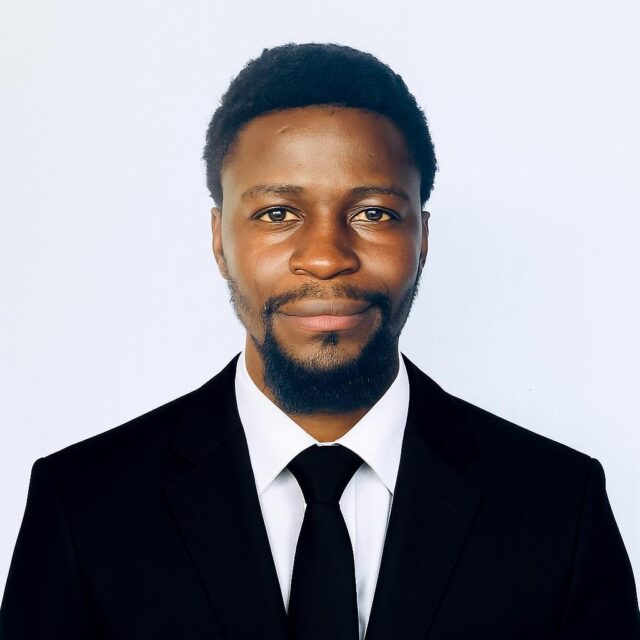
Ahmed A Paasewe obtained a Bachelor of Business and Public Administration (BBA) in Management. He is an Emerging Diplomat, anti-drug activist, a humanitarian, a youth rights protectionist, and an author of the novel “The Journey Through Orphanages.” He is a certified Action Developer, an Administrator, a Data Collector and an Award Winner in Sustainability and Community Impact.