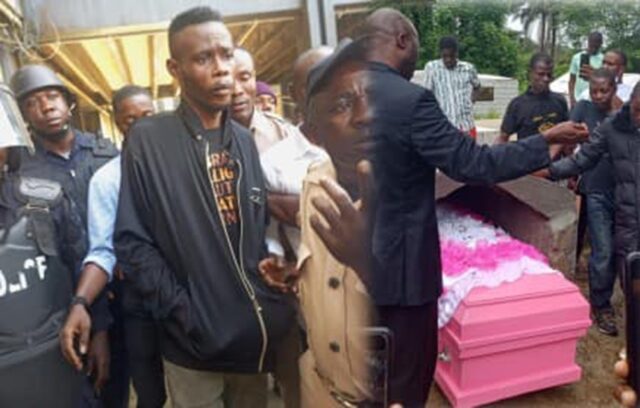
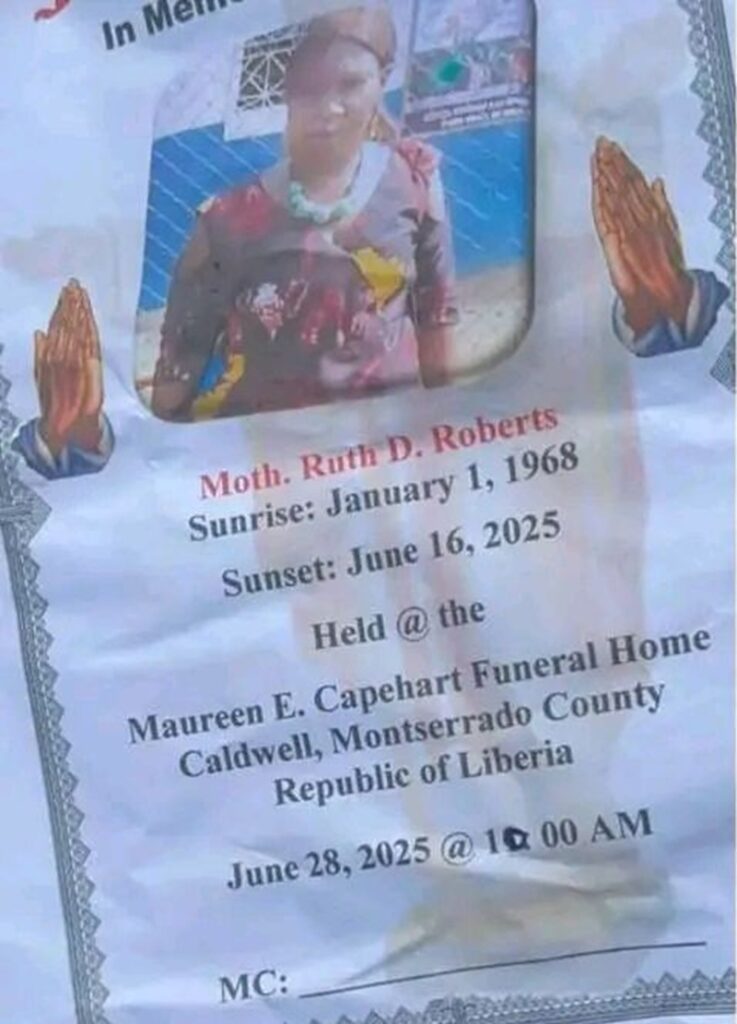
MONROVIA — The Ministry of Justice’s refusal to grant compassionate leave for Thomas Etheridge, a suspect in the Capitol arson case, to attend his mother’s funeral has ignited a firestorm of criticism across Liberia. Etheridge, who has not yet been tried or convicted, was denied the opportunity to pay his final respects to his mother, Ruth Dennis Robert, who passed away on June 16.
The tragic funeral took place on Saturday, June 28, at the Capehart Funeral Home in Monrovia, where mourners gathered to honor Ms. Robert’s life. Amidst the sorrowful ambiance, one seat remained conspicuously empty—that of her son, who despite repeated appeals, was barred from attending the service. “My brother should have been here. He deserves at least this one final chance,” lamented Etheridge’s elder sister, her heart breaking under the weight of loss and absence.
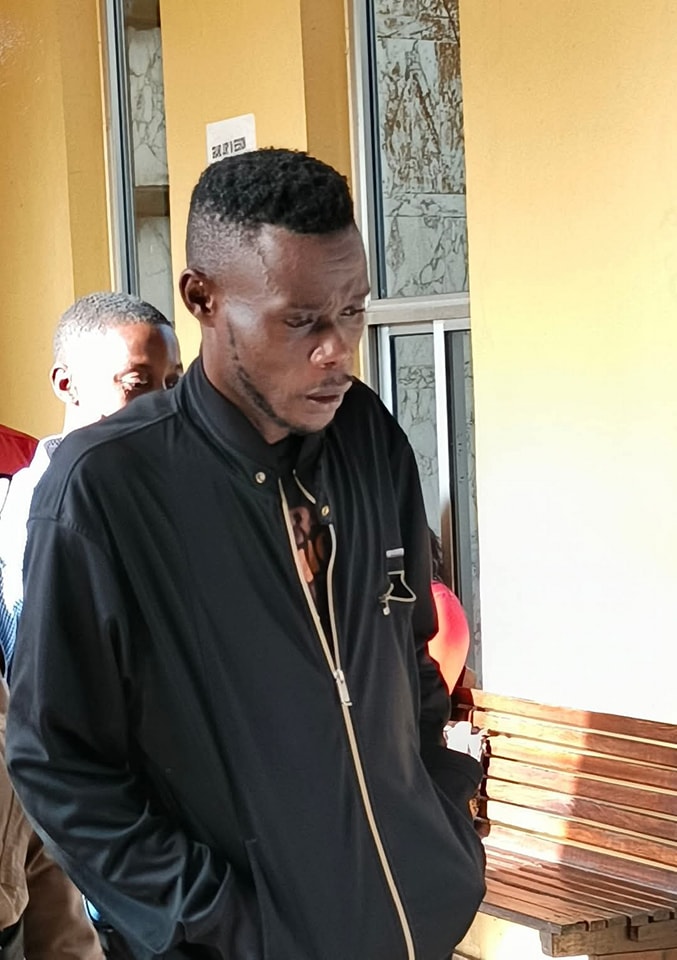
Etheridge’s legal counsel, led by Counselor Jonathan Massaquoi, submitted a request on June 25 to the Minister of Justice, Cllr. Oswald Tweh, citing Section 34.20(1) of Liberia’s Criminal Procedure Law. This provision allows for pre-trial detainees to be granted temporary leave for compelling personal matters, such as funerals. The letter expressed profound sorrow and explicitly requested permission for Etheridge to attend the funeral rites in adherence to legal guidelines. However, the Ministry did not formalize any application to the court and ultimately declined the request, citing unspecified “security and procedural concerns.”
The Ministry’s decision has drawn ire from citizens and critics alike, many of whom view Etheridge’s situation as emblematic of systemic issues within Liberia’s justice system. Social media platforms erupted with reactions, with one user articulating a collective frustration: “Yes, but refused to let him go to bury his mother.” The sentiment echoes a larger concern regarding the treatment of the un-convicted and the responsibilities of the state to uphold human rights.
“Compassionate leave is not a privilege; it’s a fundamental human right,” asserted a legal analyst in Monrovia. “Denying it without clear grounds only deepens the public’s mistrust in the justice system.” Supporters of Etheridge have expressed their disappointment, arguing the state’s refusal is particularly egregious given that he remains innocent until proven guilty under the law.
Unconfirmed reports suggest that some officials within the Ministry feared that Etheridge’s presence at a public gathering could lead to unrest or possible escape. However, opposition to this claim has emerged, with critics advocating for logistical measures, such as securing escorts, to facilitate his attendance at the funeral without compromising security.
As Etheridge’s family grieves, the ramifications of the government’s decision extend into broader, more profound questions about justice and compassion in a nation that is still reconciling with the shadows of its tumultuous past. Sources have indicated that Etheridge’s legal team may pursue further action, potentially appealing to the Supreme Court to challenge the denial of compassionate leave and to push for clearer interpretations of the law regarding prisoners’ rights during personal crises.

“This isn’t just about Thomas anymore. It’s about how this government interprets compassion and whether the rule of law applies equally—even in moments of grief,” remarked a source closely involved with Etheridge’s case.
As the community reflects on the significance of these events, it seems the unresolved tension between justice and humanity may continue to shape discourse in Liberia for the foreseeable future. The heart-wrenching words of one mourner resonate deeply, “Even in death, justice should have a soul. But today, we saw none.” In the aftermath of the funeral, the lingering question remains: when compassion is denied, what does justice truly mean?