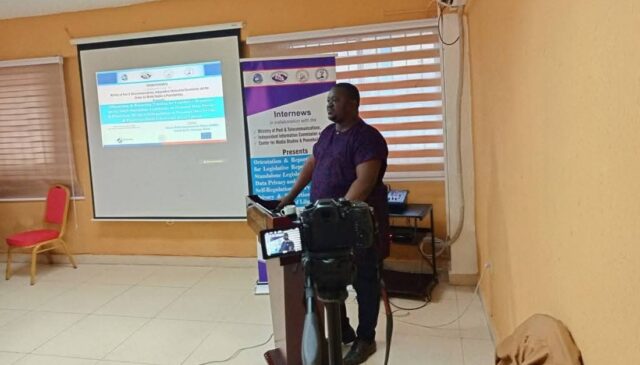
MONROVIA – In the wake of the reburial ceremonies for former Presidents Samuel K. Doe and Dr. William R. Torbor Jr., as well as 13 other senior former government officials, Liberian journalist Samuka V. Konneh took to social media, urging the government and the public to reflect on broader issues of justice and accountability in light of the country’s past.
In a poignant Facebook post, Konneh commended the government and citizens for giving these late leaders what he termed “befitting burials,” but he quickly shifted the focus to the stark reality facing the nation: the estimated 250,000 Liberians who lost their lives during years of conflict.
“We cannot celebrate the burials of less than 30 people while we ignore justice and accountability for 250,000 people,” he stated, emphasizing that the loss of these lives must not be in vain.
Konneh pointed out that the Truth and Reconciliation Commission’s (TRC) report highlights the importance of justice as a crucial part of national reconciliation.
He argued that while the reburials represent an essential gesture, they should not overshadow the systematic lack of accountability for the far greater tragedy that befell ordinary Liberians.
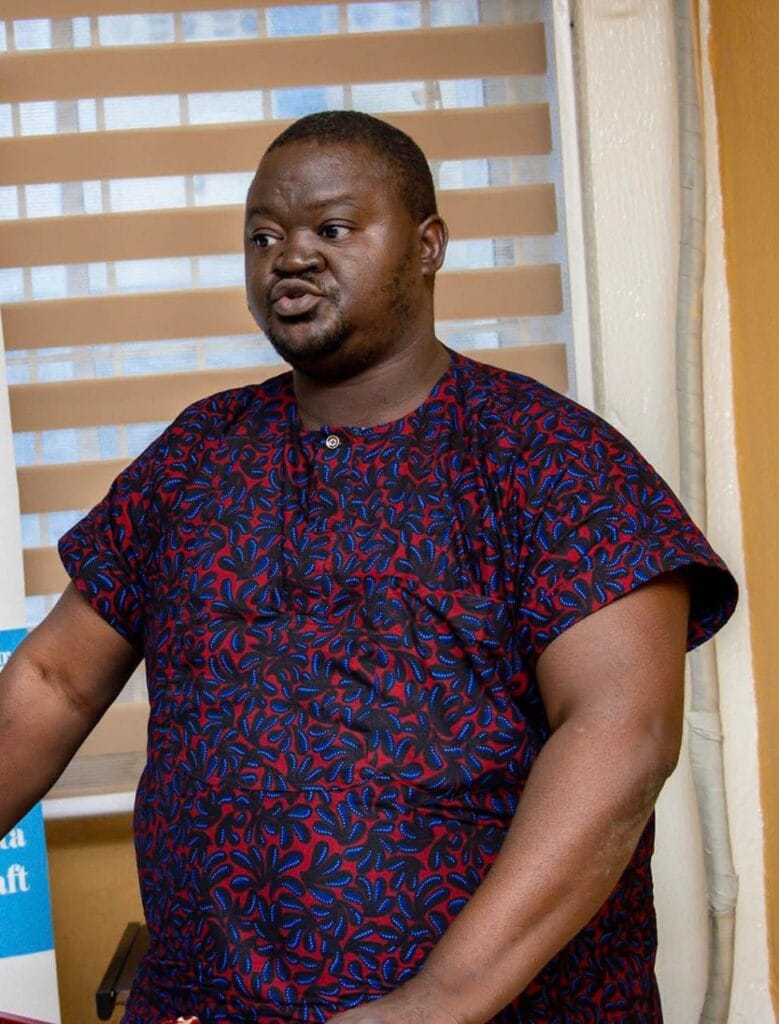
The journalist acknowledged the government’s recent establishment of an Office for War and Economic Crimes Court, viewing it as a constructive step. However, he warned against treating the establishment of this office merely as a symbolic action.
“Thanks for setting up the Office for War & Economic Crimes Court. While we commend this step, the truth is: setting up the office is just like picking a low-hanging fruit,” he said.
Konneh urged President Boakai to ensure that the office receives adequate funding and support, noting reports of staff members going unpaid for months.
With the office having been established for over a year, concerns are growing about its effectiveness. Konneh pointed to leadership disputes and funding shortages as obstacles that hinder its progress.
“Let’s give them all the support to move beyond their current point,” he urged, highlighting that true accountability requires more than just the existence of an office; it necessitates a functional court system to prosecute those responsible for heinous crimes committed during Liberia’s turbulent history.
In concluding his message, Konneh stressed the urgency of achieving “full accountability” rather than settling for “partial accountability,” which he described as merely political maneuvering.
His call to action resonates with many Liberians who continue to seek justice for the atrocities of the past while navigating the complexities of national healing.
The emotional reflection brought forth by Konneh’s post is a sobering reminder of the unresolved issues that linger in Liberia. As the nation commemorates its leaders, it faces a crucial choice: to honor the memories of the lost by pursuing a path of genuine justice, reconciliation, and accountability.